Why Do Interior Doors Fail in Dry vs Humid Climates? A Builder’s Guide to Molded and Shaker Doors
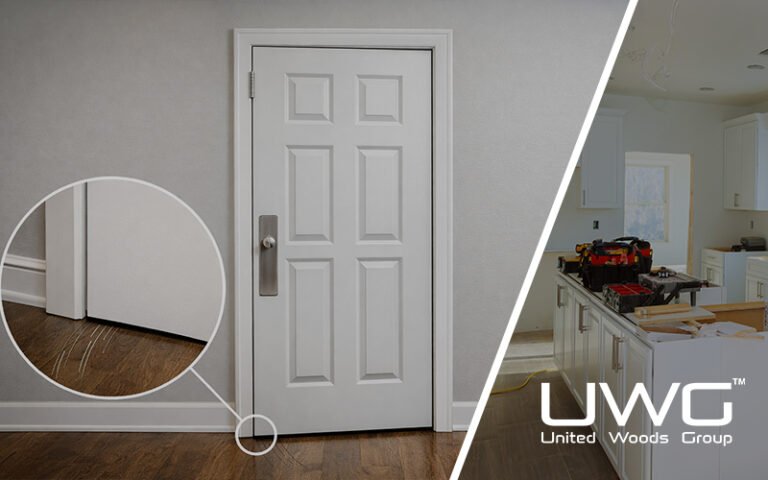
Interior doors built with pine frames and MDF skins or honeycomb cores respond directly to environmental humidity. In dry climates such as Arizona or Colorado, low relative humidity causes wood components to shrink, which may lead to panel gaps or loose joints. In humid regions like Florida or Louisiana, higher moisture levels cause materials to swell, resulting in sticking doors, edge expansion, or warping. According to ASHRAE indoor environmental guidelines, maintaining interior humidity between 30% and 50% relative humidity significantly reduces dimensional movement in wood-based interior doors and improves long-term performance.
