
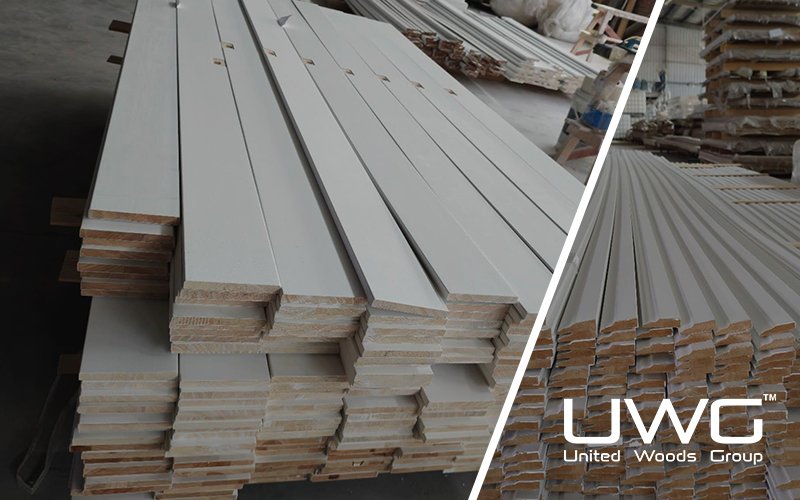
Baseboard, crown molding, and casing are the foundation of interior trim systems. They define transitions between surfaces, protect structural joints, and enhance architectural style. For builders and wholesalers, understanding common trim types, materials, and profiles is essential for selecting the right products for residential and commercial projects.
Poor trim selection can weaken the visual impact of a finished space. Many projects lose consistency because baseboard, crown, and casing are treated as secondary details. In reality, these elements define structure, protect surfaces, and shape interior house trim styles from floor to ceiling.
Baseboard, crown molding, and casing are primary interior trim components used to cover structural joints and enhance architectural design. Baseboards protect the wall-floor transition, crown molding finishes the wall-ceiling junction, and casing frames doors and windows. Common types of trim molding materials include MDF, solid wood, finger-jointed pine, and PVC, each selected based on durability, moisture resistance, and cost-efficiency in construction projects.
Understanding how these trim systems work together helps builders standardize installation and helps wholesalers optimize product supply.
What Is the Difference Between Crown Molding and Baseboard Trim?
Baseboard and crown molding serve different structural and visual purposes.
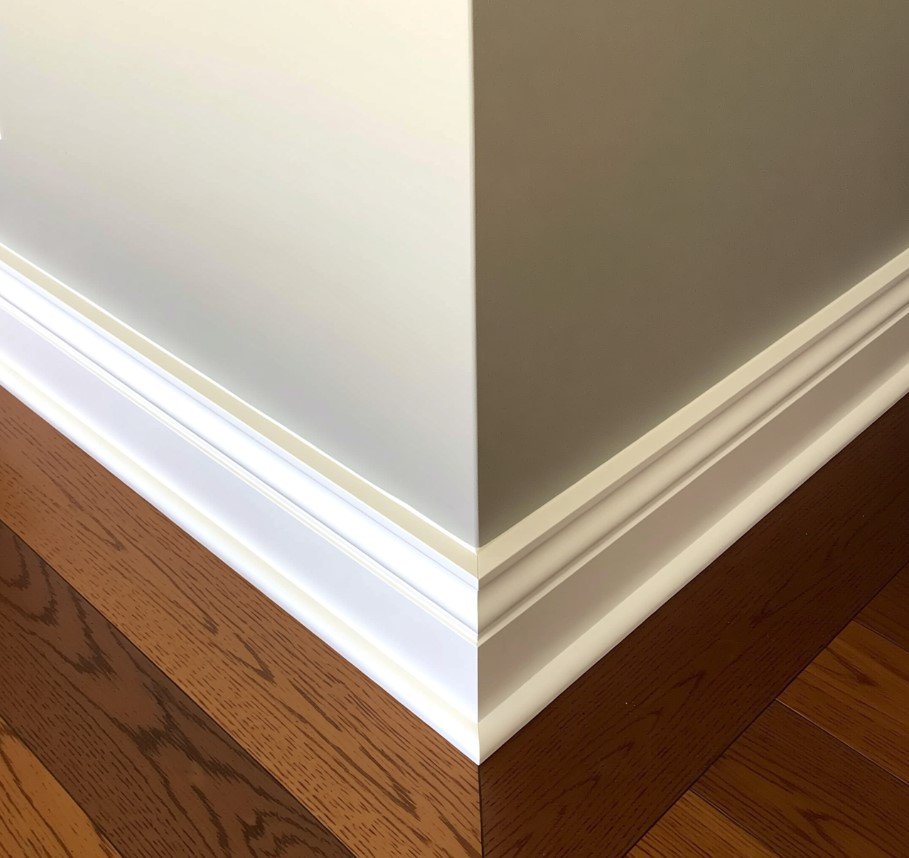
- Baseboard trim is installed where the wall meets the floor. It protects drywall from impact, hides expansion gaps, and creates a clean floor transition.
- Crown molding is installed where the wall meets the ceiling. It adds architectural depth and softens the ceiling transition.
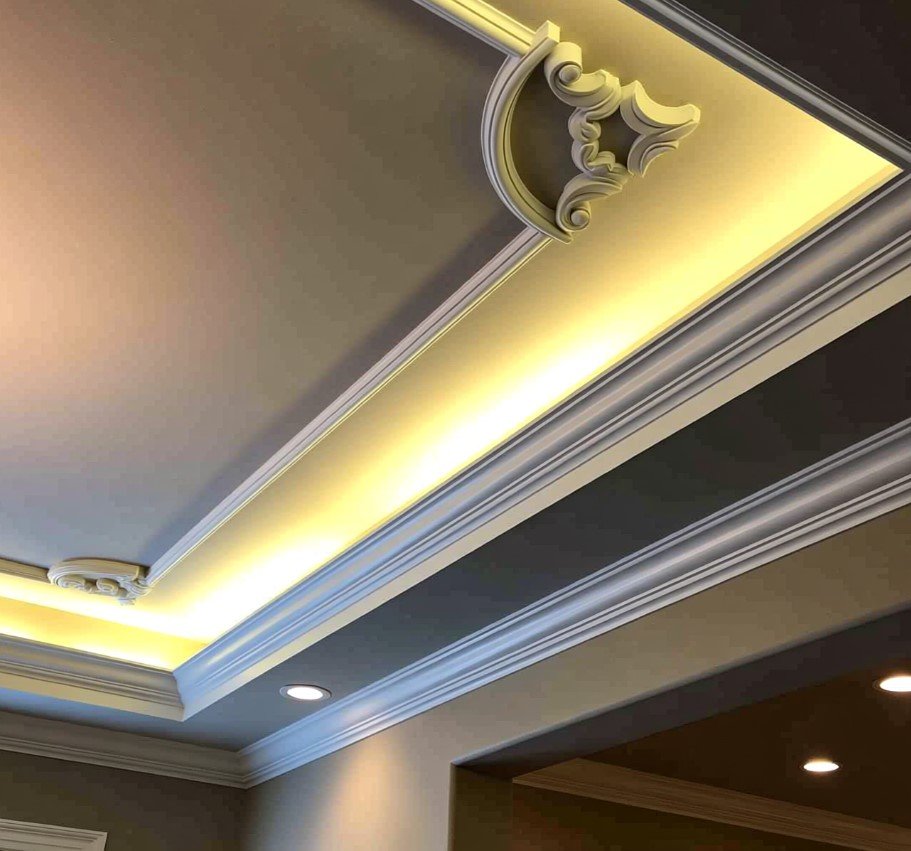
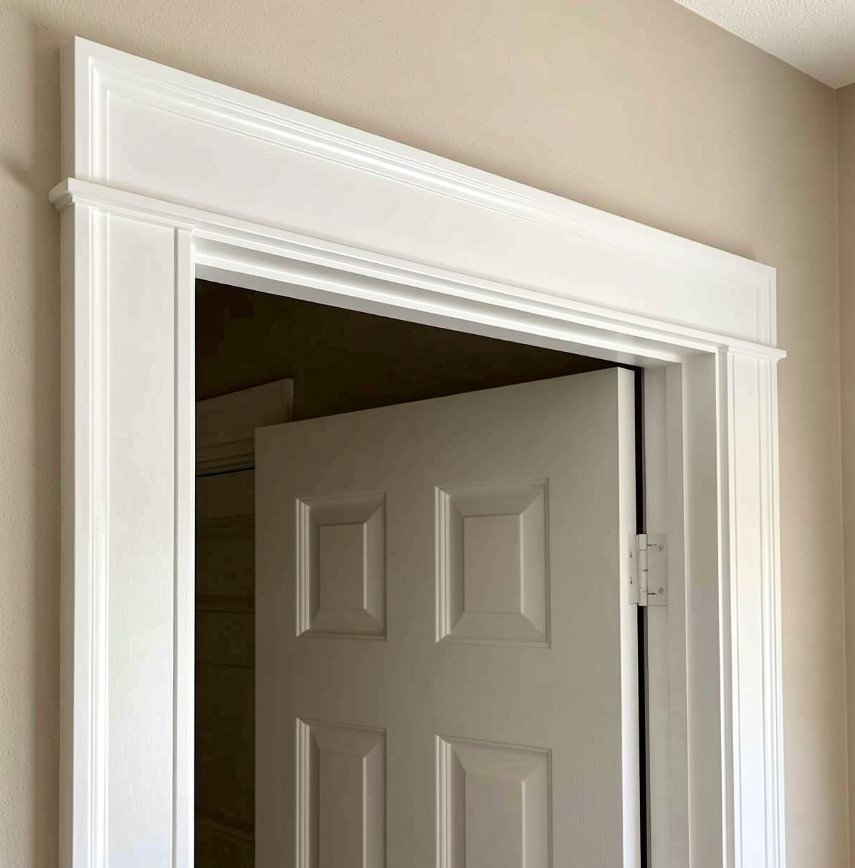
Casing, by contrast, frames doors and windows to conceal gaps between the wall and the frame.
For builders, correct placement ensures durability. For wholesalers, stocking coordinated types of molding for walls and ceiling increases project consistency.
What Are the Different Types of Baseboard Trim?
There are multiple baseboard trim types designed to suit various construction styles and budgets.
Common Baseboard Profiles
- Flat Baseboard – Clean lines, popular in modern builds.
- Rounded Baseboard – Soft edges for transitional interiors.
- Stepped Profile – Layered detail for mid-range housing.
- Ornamental/Colonial Profiles – Traditional decorative wall molding style.
Common Materials
- MDF (Medium-Density Fiberboard) – Cost-effective and smooth for painting.
- Finger-Jointed Pine – Stable and economical wood option.
- Hardwood – Premium finish and durability.
- PVC/Vinyl – Moisture-resistant, ideal for bathrooms and basements.
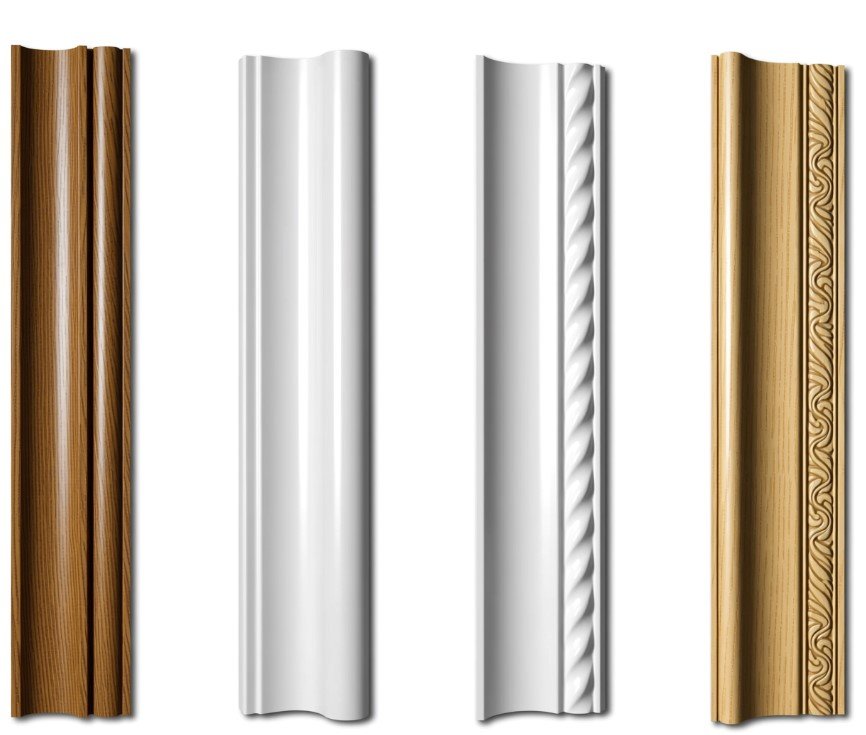
Builders often choose material based on moisture exposure and installation environment. Wholesalers should stock diverse types of trim molding materials to meet regional demand.
What Is the 7% Rule for Baseboards?
The 7% rule helps determine proper baseboard height. It suggests that baseboard height should be approximately 7% of the total ceiling height.
For example:
- 8 ft ceiling (96 inches) → ~6–7 inch baseboard
- 9 ft ceiling → 7–8 inch baseboard
This proportional guideline maintains visual balance in interior house trim styles. In high-end projects, taller baseboards create stronger architectural presence.
Builders can use this rule during planning, while wholesalers can stock varied heights to accommodate different ceiling standards.
Does Crown Molding Have to Match Trim?
Crown molding does not always need to match baseboard and casing exactly, but coordination is important.
There are two common approaches:
- Matching Trim System – Baseboard, casing, and crown share the same profile family. This creates visual continuity.
- Contrasting Accent Trim – Crown molding differs in color or detail to emphasize ceiling height.
Modern interior house trim styles often favor simplified matching systems. Traditional homes may combine layered types of molding styles for more detail.
For wholesalers, offering coordinated trim collections increases bulk order opportunities.
Types of Trim Molding Profiles and Materials
Understanding types of trim molding profiles allows builders to create cohesive design packages.
Profile Categories
- Simple square edge (modern builds)
- Colonial curves (traditional housing)
- Craftsman flat stock (minimalist projects)
- Multi-piece build-up crown for luxury homes
These types of molding for ceiling and wall systems can be combined to increase depth and scale.
Material Comparison
| Material | Cost | Durability | Moisture Resistance | Best For |
|---|---|---|---|---|
| MDF | Low | Moderate | Low | Dry interiors |
| Pine | Medium | Good | Moderate | Standard housing |
| Hardwood | High | Excellent | Moderate | Premium projects |
| PVC | Medium | Excellent | High | Wet areas |
Bulk purchasing decisions should consider:
- Regional humidity
- Paint vs stain finish requirements
- Installation labor efficiency
- Transportation durability
Decorative wall molding and casing systems are increasingly used in multifamily housing, creating additional wholesale demand.
Summary
Baseboard, crown, and casing form the structural and visual framework of interior trim systems. By understanding baseboard trim types, molding profiles, and material performance, builders can ensure durability and proportion, while wholesalers can align inventory with market demand and modern construction standards.
Articles that you may be interested in:
5 Questions to Ask Before Ordering Mouldings in Bulk
MDF vs. Wood Baseboards The Truth About Water Resistance
The Ultimate Guide to Interior Moulding: Types, Costs, and Installation Best Practices