When designing a small room, many homeowners and designers look for ways to make the space feel more open, brighter, and visually larger. Flooring plays a crucial role in achieving this effect. The right flooring patterns, plank direction, and layout choices can visually expand a room without changing its actual dimensions. By selecting patterns that guide the eye, enhance light reflection, and create continuity, small spaces can appear more spacious and balanced.
To make small rooms appear larger, choose flooring patterns that enhance visual flow and light. Long, narrow planks help draw the eye across the space, while installing flooring along the longest wall or at a 45-degree angle can visually expand the room. Light-colored floors reflect more light, creating a brighter, more open feel. Using consistent flooring throughout adjoining areas reduces visual breaks, and minimizing seams or strong contrasts helps maintain a clean, spacious look.
Choose Long Planks to Create Visual Flow
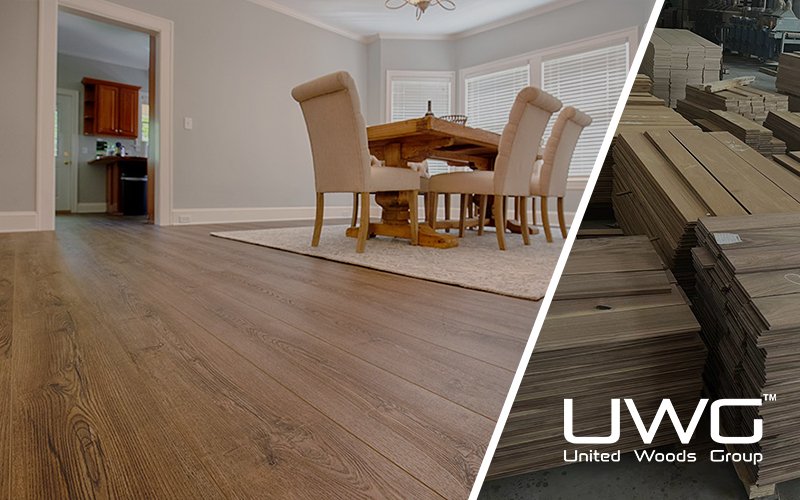
One of the most effective flooring design tips for small rooms is using long, narrow planks. Flooring with elongated planks naturally draws the eye across the space, creating the illusion of length and openness. Compared to small tiles or short boards, long planks reduce visual interruptions and help the room feel less cluttered.
For best results, consider plank flooring such as luxury vinyl planks, engineered wood, or laminate in lighter tones. These materials combine modern aesthetics with practical installation options for compact spaces.

Install Flooring in the Right Direction
The direction in which flooring is installed can significantly impact how large a room appears. In narrow rooms, installing planks lengthwise along the longest wall can visually stretch the space. In small square rooms, running the flooring toward the main light source or entry point can improve flow and openness.
Diagonal installation is another popular option. By laying flooring at a 45-degree angle, the eye is guided across a longer visual path, making the room feel wider than it actually is. This technique works especially well in small living rooms and entryways.

Use Light Colors to Reflect Space
Color selection is just as important as pattern. Light-colored flooring reflects more light, helping small rooms feel brighter and more expansive. Shades such as light oak, soft maple, pale gray, and whitewashed finishes are ideal for compact interiors.
Avoid overly dark or heavily patterned flooring in small rooms, as these can visually shrink the space. Subtle grain patterns and low-contrast designs are better suited for creating a calm, open feel.
Opt for Consistent Flooring Patterns
Consistency is key when working with limited space. Using the same flooring throughout adjoining rooms eliminates visual breaks and creates a seamless look. This continuity makes the entire area feel larger and more cohesive.
If transitions are necessary, choose low-profile or color-matched transition strips to maintain visual flow. Continuous flooring patterns are especially effective in open-plan apartments or small homes.

Consider Chevron or Herringbone Patterns Carefully
Chevron and herringbone patterns can add elegance and movement to small rooms when used correctly. Narrow planks arranged in these patterns can guide the eye forward and create depth. However, it is important to keep the pattern subtle and avoid high-contrast colors, which may overwhelm the space.
These patterns work best in small bedrooms, hallways, or home offices where design impact is desired without clutter.
Minimize Visual Disruptions
Finally, reducing visual interruptions enhances the effect of space-enhancing flooring patterns. Choose flooring with minimal bevels, fewer seams, and consistent finishes. This creates a smoother surface and uninterrupted visual plane, helping the room feel more open.

Frequently Asked Questions About Small Room Flooring
Q: Which direction should I lay flooring to make a room look bigger?
A: To visually expand a small room, lay your flooring planks parallel to the longest wall in the room. This draws the eye along the length of the space, creating an illusion of depth. Alternatively, installing the planks diagonally at a 45-degree angle is an excellent interior design trick that forces the eye to track the widest parts of the room, making it feel much more expansive.
Q: Are wide or narrow flooring planks better for small rooms?
A: Wide and long planks are generally much better for small rooms. Wide planks result in fewer visible seams on the floor, which minimizes visual clutter and creates a smooth, uninterrupted surface. Narrow planks or small tiles can create a busy, grid-like pattern that visually shrinks the space.
Q: Does dark or light flooring make a room look larger?
A: Light-colored flooring is the superior choice for making a room look larger. Colors like light oak, whitewashed finishes, and soft grays reflect natural and artificial light, making the space feel airy, open, and inviting. Dark floors absorb light and can make a compact room feel closed-in or heavy.
Q: Can I use herringbone or chevron patterns in a small room?
A: Yes, but it must be done carefully. Chevron and herringbone patterns feature V-shapes that naturally guide the eye and create a sense of movement, which can add depth. However, in very small rooms, these patterns can sometimes feel overly busy. To prevent this, choose a subtle pattern with very low color variation between the planks.
Conclusion
The right flooring patterns can dramatically change how a small room feels. By choosing long planks, installing them in strategic directions, using light colors, and maintaining visual continuity, small spaces can appear larger and more inviting. Thoughtful flooring design is a powerful tool for maximizing both style and space in compact interiors.