
Selecting the right solid wood door supplier is a critical decision for contractors and developers focused on long-term project success. A reliable partner ensures consistent quality and stable delivery schedules, whereas choosing based solely on price often leads to delayed shipments, inconsistent finishing, and costly warranty disputes. For complex construction or renovation projects, businesses must seek strategic partners capable of maintaining high standards and scaling production to meet evolving requirements.
To professionally evaluate potential suppliers, buyers should prioritize manufacturing capability, industry certifications, and export experience over initial costs. Implementing a systematic approach—including factory audits, rigorous sample testing, and production capacity assessments—is essential to mitigate sourcing risks and ensure long-term partnership stability.
Why Supplier Evaluation Matters and How to Verify
Long-term projects require far more stability than one-time purchases. Whether you are supplying residential developments, hotels, apartments, or commercial buildings, door quality and delivery performance directly affect construction timelines and customer satisfaction.
A poor supplier may cause significant operational risks, such as:
- Project delays and delivery inconsistencies.
- Increased replacement costs and warranty claims.
- Installation issues and client complaints.
- Inconsistent finishes between different production batches.
In contrast, a reliable supplier becomes a long-term business partner that helps streamline procurement. To ensure this stability, professional buyers should implement the following verification steps before formalizing a partnership:
1. Factory Audits: Verifying Capability
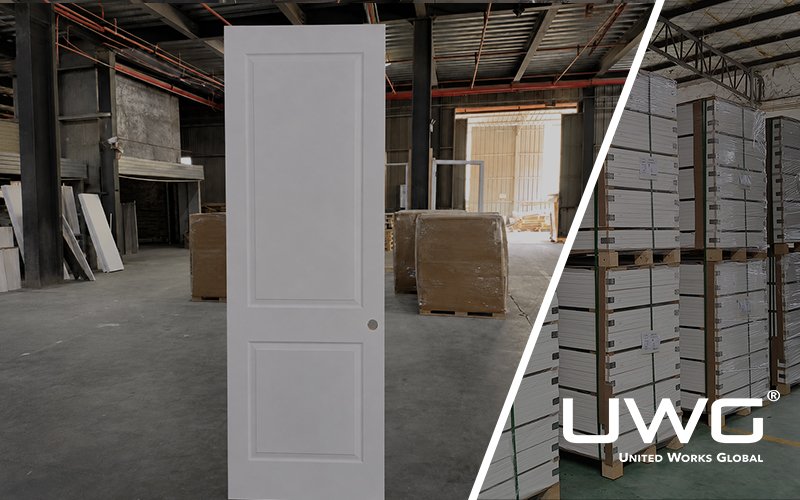
Never rely solely on product photos. A direct audit is the most effective way to verify a supplier’s true manufacturing standards:
- Production Equipment: Ensure the machinery is modern and well-maintained for precision.
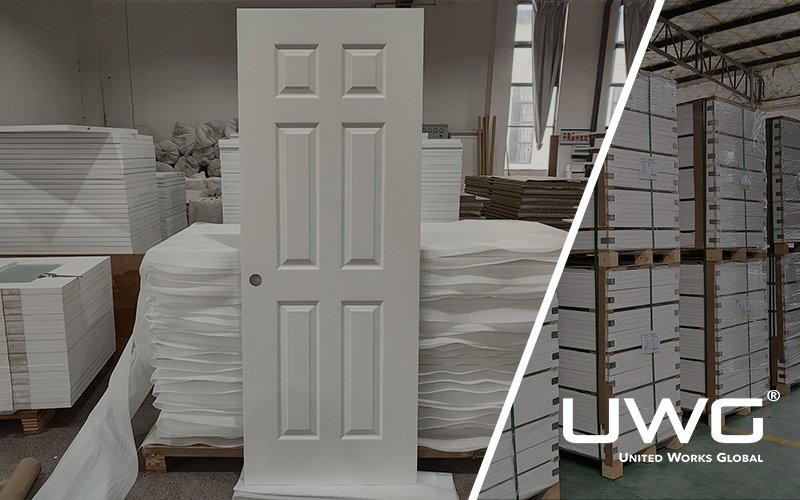
- Workshop Organization: Observe if the workflow is orderly and material management is standardized.
- QC Procedures: Verify that there are clear quality control checkpoints at every stage of production.
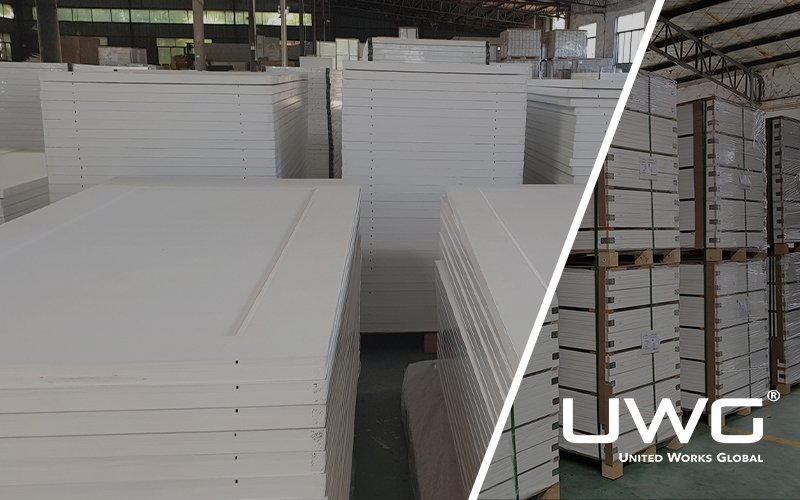
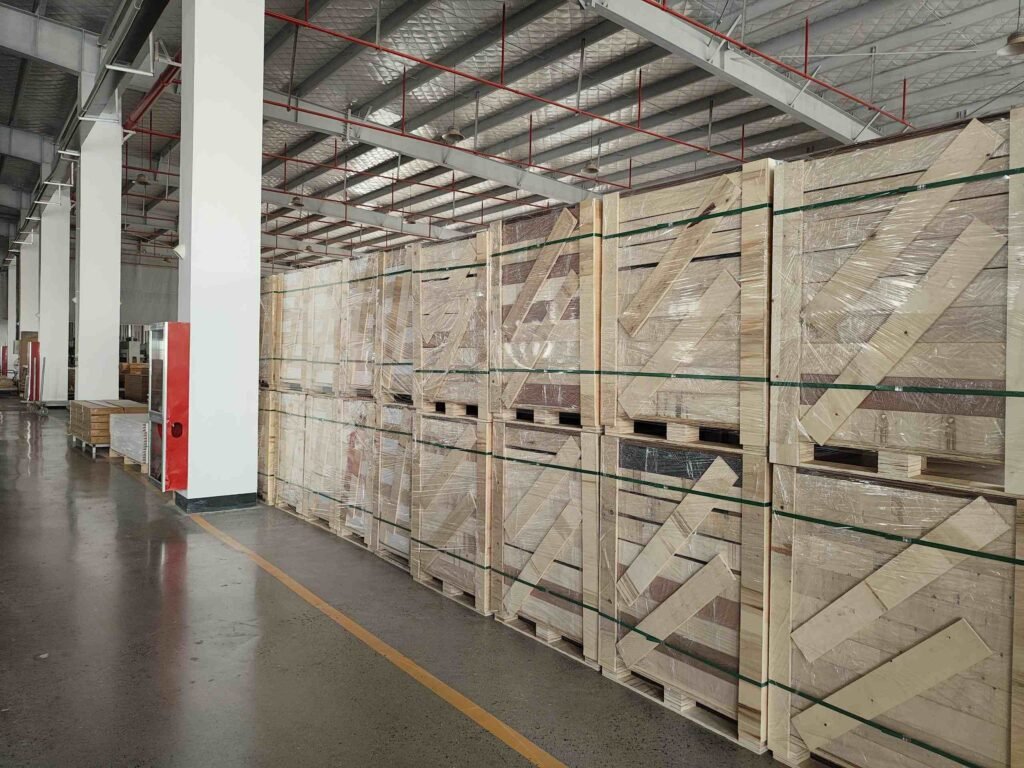
- Professionalism: Check if the packaging systems are robust for export and if the staff demonstrates technical expertise.

2. Sample Evaluation: Validating Quality
Physical samples provide the tangible proof needed to ensure the product meets project specifications:
- Finish & Color Consistency: Inspect for uniform coating and consistent color matching between batches.
- Structural Stability: Test the door’s resistance to warping and its overall durability.
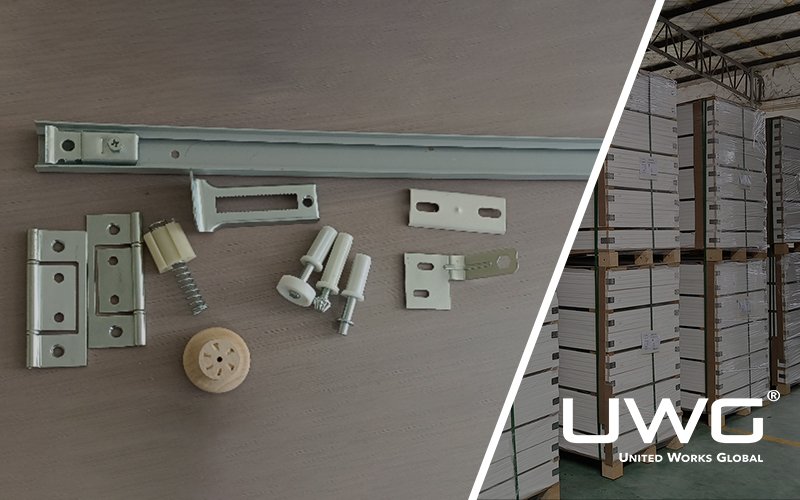
- Technical Precision: Verify hardware fitting and ensure moisture resistance (ideal range 8%–12%).
Key Factors to Evaluate Solid Wood Door Suppliers
1. Manufacturing Experience and Industry Expertise
The first step is to evaluate how long the supplier has been manufacturing solid wood doors and what types of projects they have completed.
Experienced suppliers understand:
- Wood stability in different climates
- International building standards
- Moisture control
- Export packaging
- Project coordination
Ask suppliers for:
- Company profile
- Factory photos/videos
- Previous project references
- Export markets
- Years in operation
Suppliers with experience in North American, Middle Eastern, or European markets are often better prepared for international project requirements.

2. Product Quality and Material Selection
Not all solid wood doors are manufactured to the same standard. The quality of raw materials significantly affects durability and appearance.
Key points to verify include:
Wood Species
Common options include:
- Oak
- Mahogany
- Walnut
- Maple
- Pine
Higher-quality suppliers provide clear documentation regarding wood sourcing and grading.
Moisture Content Control
Improper moisture levels can cause:
- Cracking
- Warping
- Swelling
Professional manufacturers usually maintain wood moisture content between 8%–12% for export products.
Surface Finishing
Check whether the supplier offers:
- UV coating
- PU painting
- Water-based finishes
- Custom staining
Consistent finishing quality is essential for long-term projects.
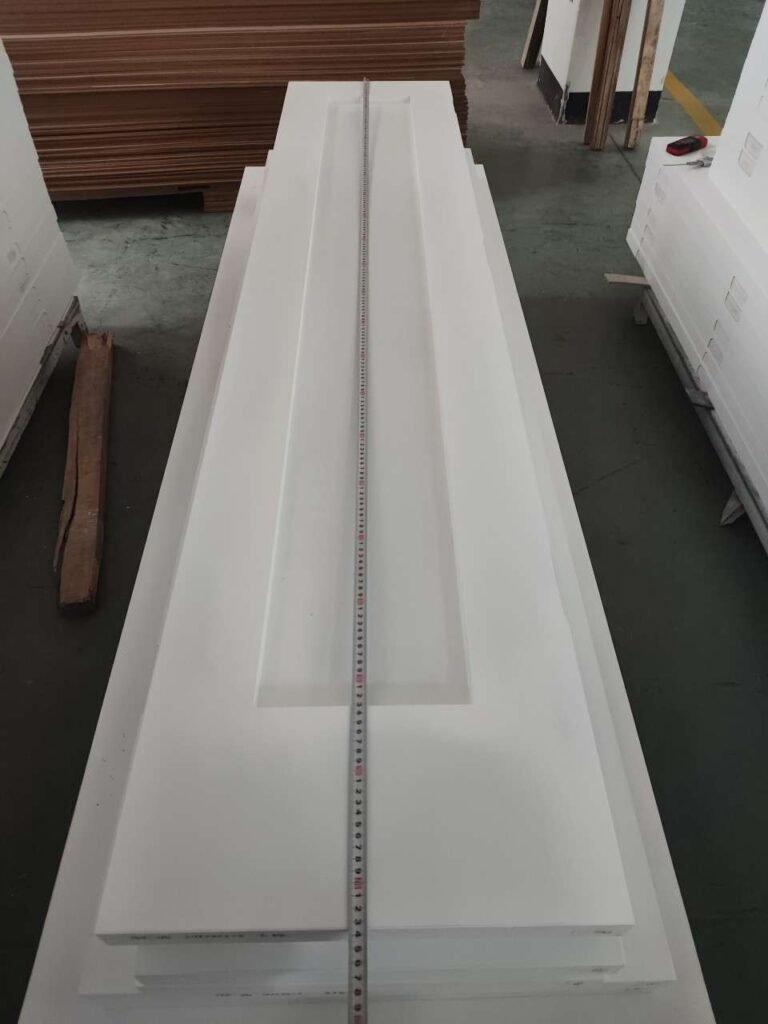
3. Production Capacity and Delivery Reliability
For long-term cooperation, production stability matters more than low pricing.
Evaluate:
- Monthly production capacity
- Lead time stability
- Number of production lines
- Skilled labor availability
- Supply chain management
A supplier that cannot scale production may struggle during peak project periods.
You should also ask:
- How they handle urgent orders
- Their average on-time delivery rate
- Whether they maintain inventory for common models
4. Certifications and Compliance
Reliable solid wood door suppliers should comply with international quality and environmental standards.
Important certifications may include:
| Certification | Purpose |
|---|---|
| FSC | Sustainable wood sourcing |
| ISO 9001 | Quality management |
| CE | European compliance |
| UL | Fire-rated door compliance |
| CARB/P2 | Low formaldehyde emissions |
For commercial or hospitality projects, certification compliance is often mandatory.
Supplier Comparison
Below is a simplified comparison of common supplier evaluation criteria:
| Evaluation Factor | Low-Quality Supplier | Professional Supplier |
|---|---|---|
| Raw Material Quality | Unstable | Consistent grading |
| Delivery Time | Frequently delayed | Stable scheduling |
| Certifications | Limited | International compliance |
| Communication | Slow/inconsistent | Professional support |
| Customization | Limited | Flexible solutions |
| Export Experience | Minimal | Experienced globally |
| Quality Control | Basic inspection | Full QC process |
Solid Wood Door Suppliers
When evaluating suppliers globally, buyers often compare manufacturers based on project capability and export experience.
Some recognized companies in the market include:
- Masonite
Masonite is one of the leading door manufacturers in North America, specializing in interior doors, exterior doors, and door systems for residential and commercial projects. The company is well known for its wide product range, strong distribution network, and long history in the building materials industry. Masonite supplies products to builders, contractors, distributors, and retailers across multiple international markets.
- Jeld-Wen
JELD-WEN is a global manufacturer of doors and windows for residential and commercial projects. The company is known for its wide range of interior and exterior building products and its strong international market presence.
- Simpson Door Company
Simpson Door Company is a well-known American manufacturer specializing in high-quality wood doors. The company is recognized for its craftsmanship, customization options, and premium interior and exterior door products for residential and commercial projects.
- Steves & Sons
Steves & Sons is a long-established American door manufacturer offering interior and exterior doors for residential and commercial applications. The company is known for its affordable product range, wide distribution network, and experience in the North American building materials market.
- UWG
United Works Global (UWG) is a building material solutions provider that combines global manufacturing with U.S.-based distribution. The company specializes in factory-direct interior doors, cabinets, and flooring, serving builders and distributors with end-to-end supply chain support. UWG is recognized for its “One System” approach, focusing on delivering U.S.-standard products with enhanced cost efficiency and reliability.
Pricing vs Long-Term Value
While price is a significant factor, focusing solely on the lowest quote can be counterproductive for long-term projects. In the solid wood door industry, extremely low prices often serve as a red flag for hidden operational costs that emerge after the contract is signed.
When evaluating a low-cost proposal, consider the following risk factors:
- Material Integrity: Lower prices often involve the use of unstable or inferior wood species that are prone to warping.
- Process Shortcurs: Weak quality control and inexperienced labor can lead to structural failures and inconsistent finishing.
- Logistical Vulnerability: Poor packaging and unstable lead times can disrupt entire construction schedules.
The objective should be to achieve the best overall value—balancing initial cost against the reliability, durability, and support required to ensure the project’s long-term success.
Frequently Asked Questions About Evaluating Solid Wood Door Suppliers
Q: What are the key indicators of a reliable solid wood door supplier for long-term projects?
A: For long-term residential construction or commercial developments, procurement teams should evaluate a supplier’s total manufacturing volume, global export experience, and raw material grading systems. A truly professional partner ensures production scalability during peak seasons, batch-to-batch finishing consistency, and dependable delivery schedules rather than just offering a low initial price.
Q: Why is moisture content control a critical factor when auditing wood door manufacturers?
A: Improper moisture control is the leading cause of post-installation failures, such as cracking, warping, and swelling on the job site. Reputable manufacturers utilize advanced kiln-drying equipment and maintain wood moisture content strictly between 8% and 12% for export products to ensure the door slabs adapt predictably to the climate conditions of the destination market.
Q: Which international compliance certifications should a professional door supplier hold?
A: For large-scale residential, hospitality, or multifamily developments, builders should verify that the manufacturer holds recognized international certifications. Key credentials include FSC for sustainable and verifiable timber sourcing, ISO 9001 for quality management systems, UL for fire-rated door compliance, and CARB Phase 2 to guarantee low formaldehyde emissions.
Q: How does M4B differentiate its supply chain support for long-term commercial developments?
A: M4B combines robust factory-direct manufacturing capabilities with highly reliable logistics networks and localized distribution support. By offering full transparency through verifiable factory audits, strict moisture-stabilization protocols, and an integrated supply system that coordinates matching doors, framing, and millwork, M4B eliminates middleman markups to protect project margins and guarantee stable lead times.
Conclusion
Evaluating solid wood door suppliers for long-term projects requires a strategic and systematic approach. Buyers should assess manufacturing experience, material quality, certifications, communication efficiency, production stability, and customization capabilities before making sourcing decisions.
A reliable supplier does more than manufacture doors — they help support project timelines, maintain quality consistency, and reduce long-term operational risks. Companies that combine strong production capability with professional export experience and responsive service are better positioned to become dependable long-term partners.
By carefully comparing suppliers, conducting factory audits, and prioritizing long-term value over short-term pricing, businesses can build stronger supply chains and improve project success rates in competitive global markets.
Articles that you may be interested in:
Why Do Some Customers Return to Us After Switching Suppliers? Here’s the Reason!
China vs Vietnam Building Materials: Cost, Lead Time, and Risk Comparison