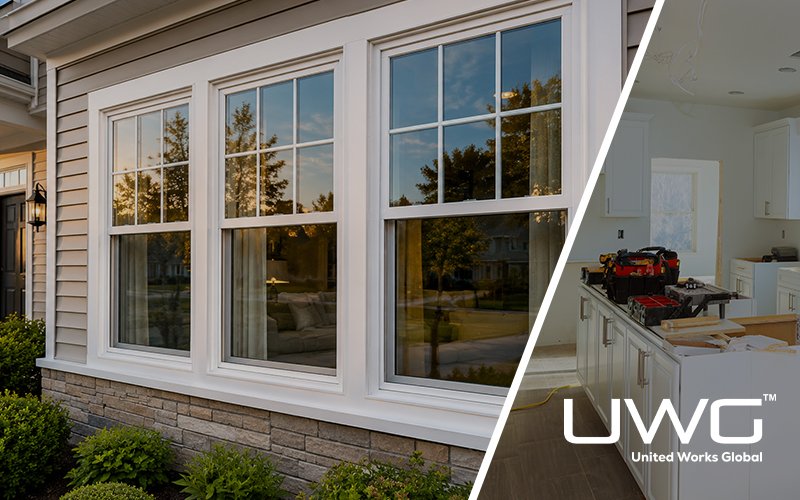
Choosing the right vinyl window style depends on the needs of each opening, not just its appearance. Single-hung, double-hung, casement, sliding, picture, and awning windows each offer different advantages in ventilation, operation, space requirements, and cleaning access.
For builders and project buyers, the best option is the one that fits the room layout and intended use. This guide explains how the main types of vinyl windows differ and what to consider when comparing their dimensions, energy performance, and costs.
Common Types of Vinyl Windows at a Glance
Vinyl windows use PVC-based profiles for their frames and sashes. The material does not determine how the window opens: vinyl windows are available in several operating styles, each with different practical advantages.
| Window type | How it opens | Where it can work well | Main consideration |
|---|---|---|---|
| Single-hung | Lower sash slides upward; upper sash stays fixed | Openings that need basic ventilation without outward projection | Access for cleaning the fixed upper section |
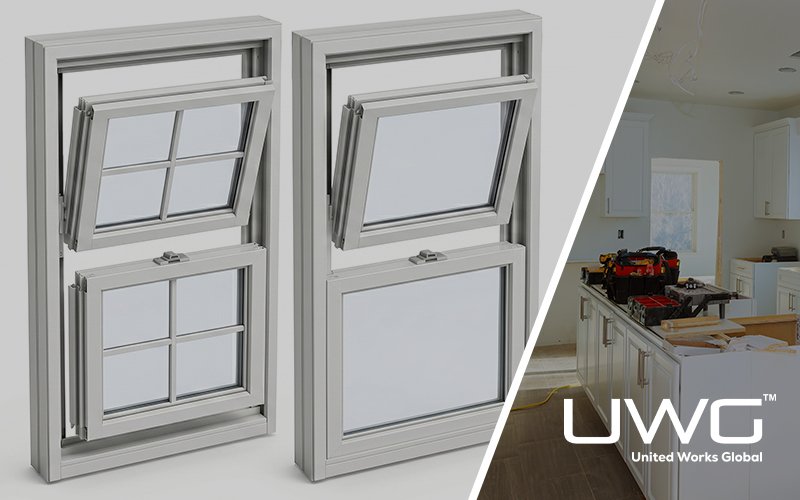
| Double-hung | Both upper and lower sashes slide vertically | Rooms where occupants want a choice of upper or lower ventilation | Cleaning features and operating effort vary by model |
| Casement | Side-hinged sash typically swings outward | Locations where a crank is easier to reach than a sliding sash | Clearance outside the window |
| Sliding | One or more sashes move horizontally | Wide openings or areas beside walkways | Only part of the window opens at a time |
| Picture | Does not open | Spaces prioritizing views and daylight | Separate ventilation and exterior cleaning access |
| Awning | Top-hinged sash opens outward at the bottom | Openings where an outward-opening, top-hinged configuration suits the layout | Projection, handle access and clear opening dimensions |
Single-Hung Vinyl Windows
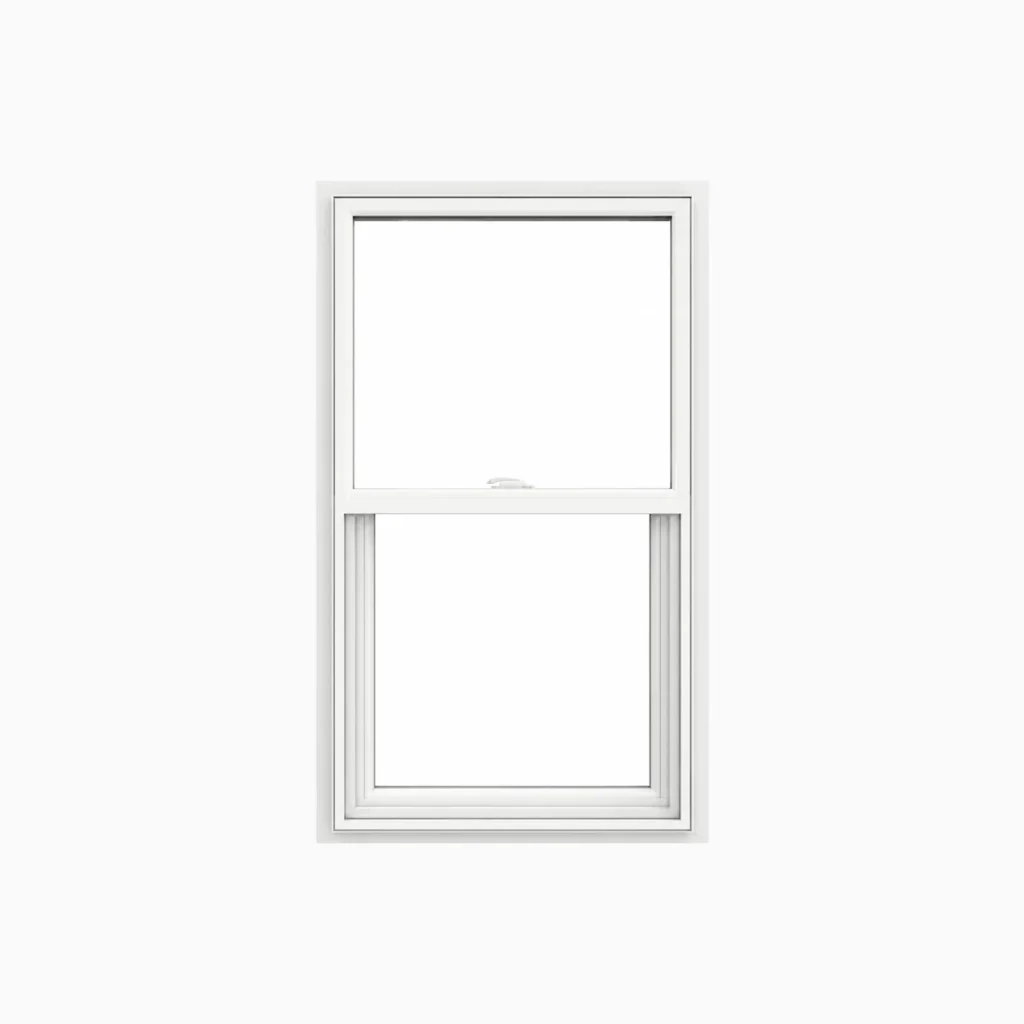
Single-hung vinyl windows have a fixed upper sash and an operable lower sash. Raising the lower sash provides ventilation without projecting a window sash into the space outside.
This makes them a practical option beside patios, porches and walkways. Their simpler operating arrangement may also cost less than a comparable double-hung model, although the actual difference depends on size, glass and other specifications.
Cleaning access deserves attention, particularly on upper floors. Some models allow the lower sash to tilt inward for cleaning, but that does not automatically provide indoor access to the exterior of the fixed upper section.
Choose single-hung windows when lower-sash ventilation meets the room’s needs and the cleaning arrangement is practical for the location.
Double-Hung Vinyl Windows
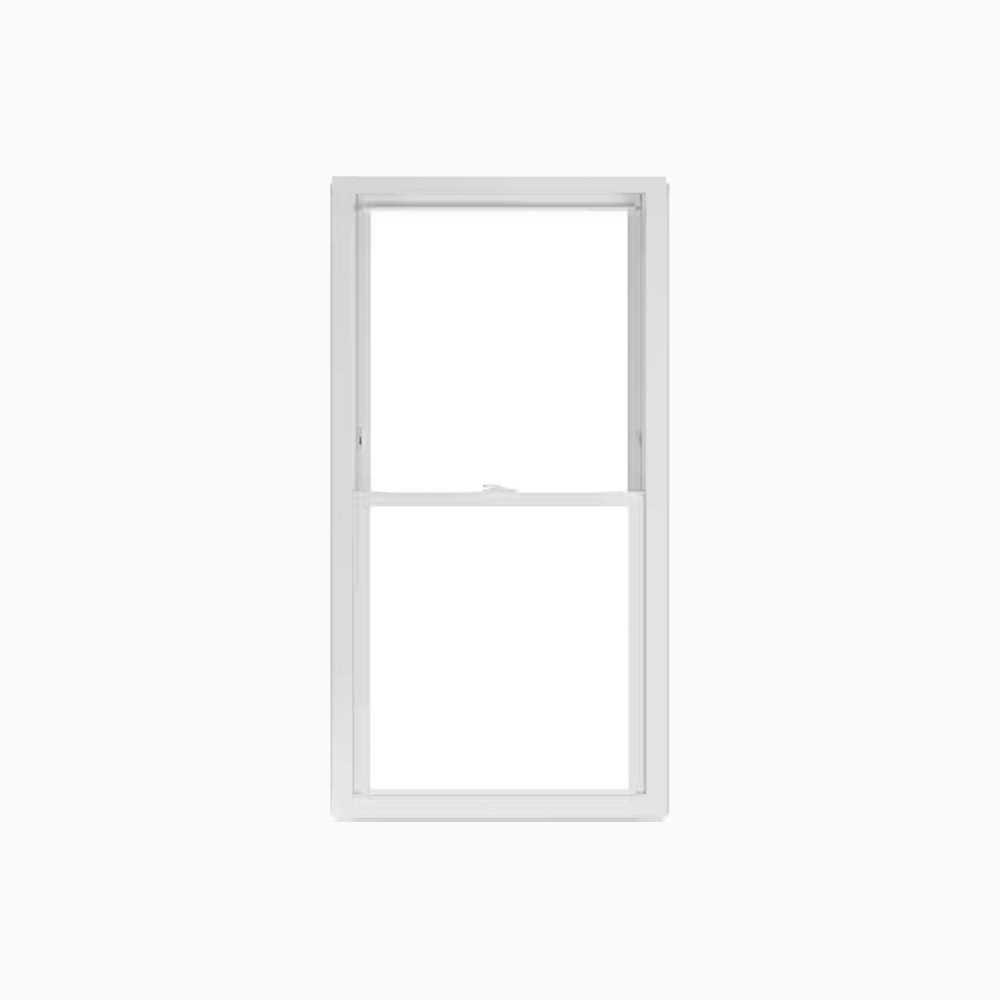
Double-hung vinyl windows have two operable sashes. Occupants can raise the lower sash, lower the upper sash or adjust both.
Their main advantage is flexibility in where the opening is positioned. Having two operable sashes does not mean the window provides twice the ventilation of a single-hung window of the same size; the actual opening area and airflow conditions still matter.
Many double-hung models include tilt-in sashes for cleaning. Check whether both sashes tilt, how the release mechanisms work and what the manufacturer permits. A sash that tilts inward for cleaning should not automatically be treated as a tilt-and-turn ventilation feature.
Choose double-hung windows when upper- and lower-sash operation provides useful control, especially where access from inside makes cleaning more manageable.
For a closer comparison of these two configurations, see single-hung vs. double-hung vinyl windows.
Vinyl Casement Windows
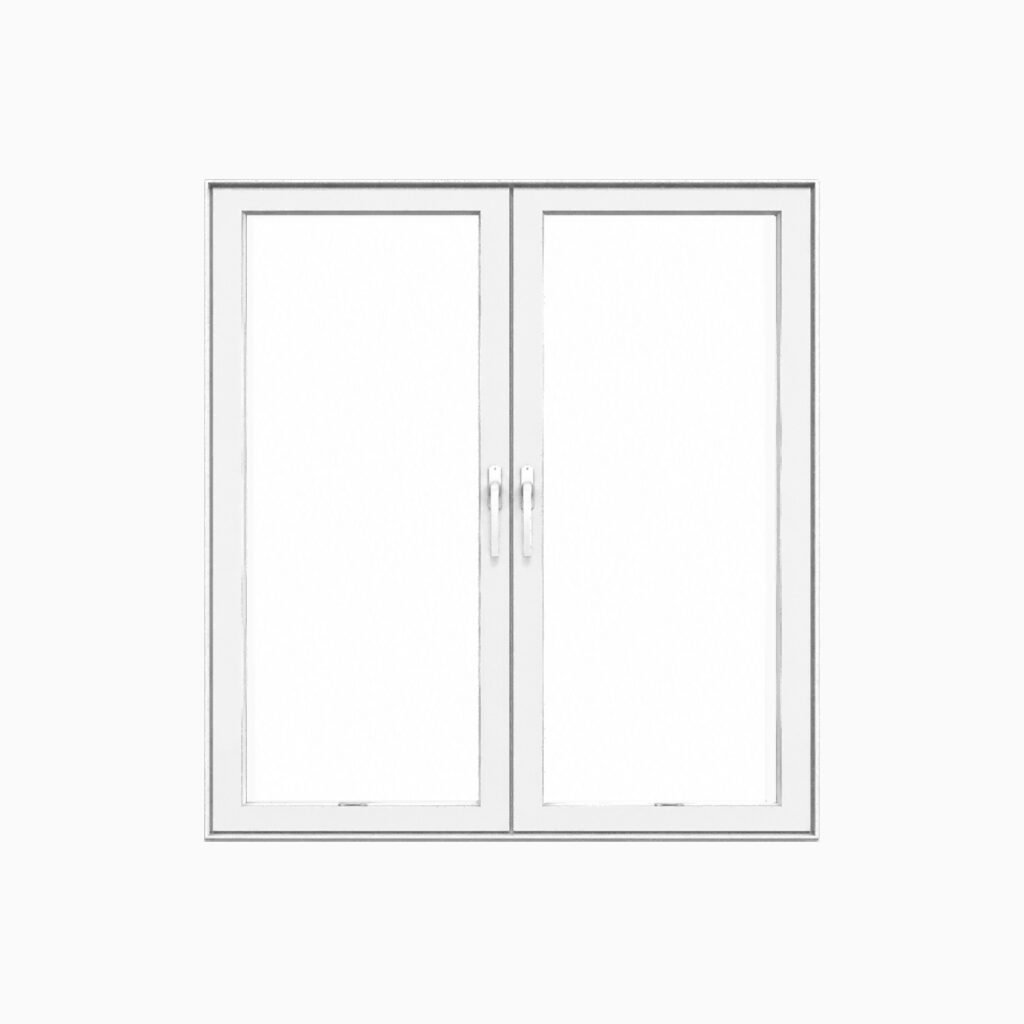
Casement windows are hinged at the side and typically open outward using a crank or another operating mechanism. Their controls can be convenient above a kitchen sink or counter, where reaching and lifting a sash may be awkward.
An open casement can provide a substantial ventilation opening, but the usable area depends on the frame, hardware, opening angle and any restrictors. Do not assume the full frame opening remains unobstructed.
The outward swing also needs space. Check nearby paths, landscaping, screens and adjacent windows before specifying the opening direction.
Choose casement windows when accessible controls and an outward-opening sash suit the location. For more detail on their operation and limitations, read the guide to casement windows.
Vinyl Sliding Windows
Sliding windows open horizontally, with one or more sashes moving along tracks. They can suit wide openings and locations where an outward-swinging sash would interfere with surrounding space.
The arrangement varies by model. A two-panel window may have one moving sash, while other configurations allow more than one panel to move. Confirm which sections open and the direction of travel before ordering.
Because the moving sash overlaps another panel, only part of the overall window area is available for ventilation at one time. Track cleaning, drainage and access to the exterior glass should also be considered.
Choose sliding windows when a horizontal operating motion fits the opening and outward projection needs to be avoided.
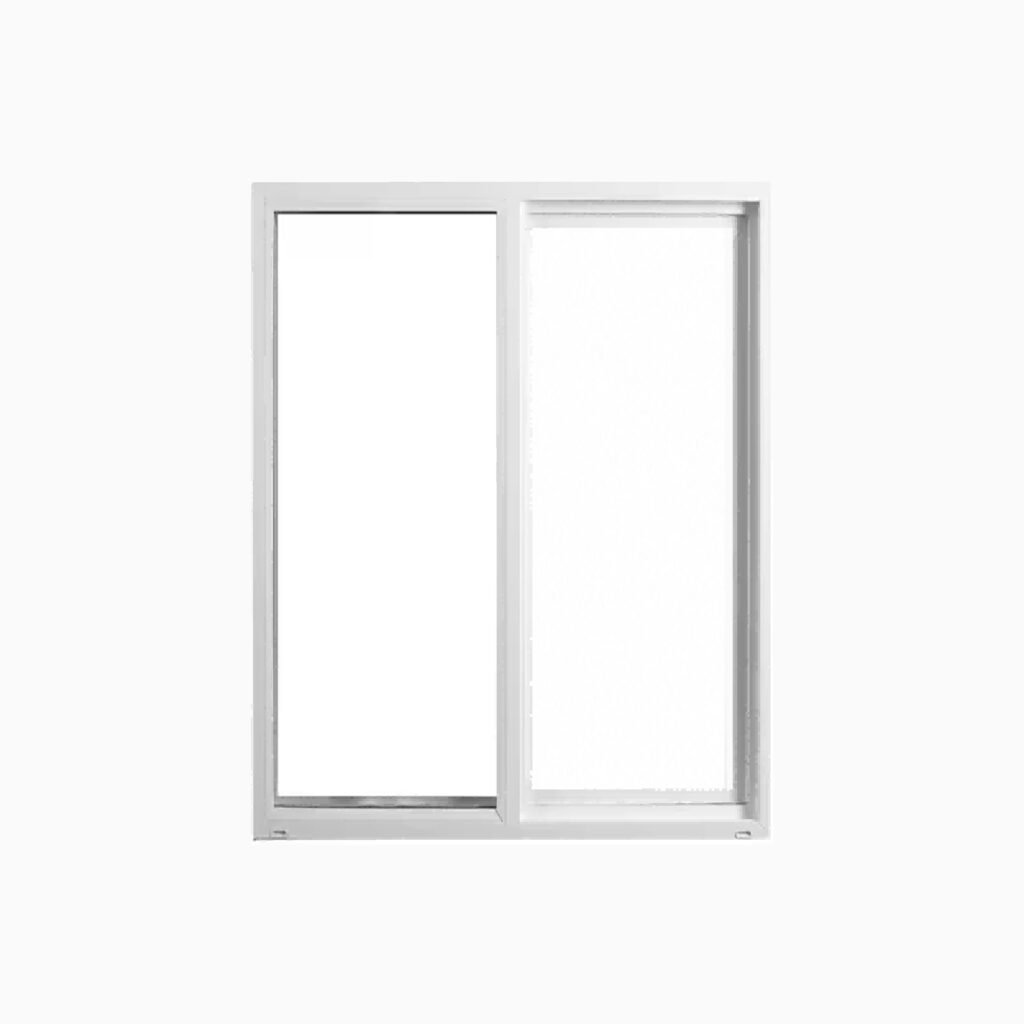
Vinyl Picture Windows
Picture windows are fixed windows that do not open. They provide a view without operable-sash hardware and can be used alone or combined with opening windows.
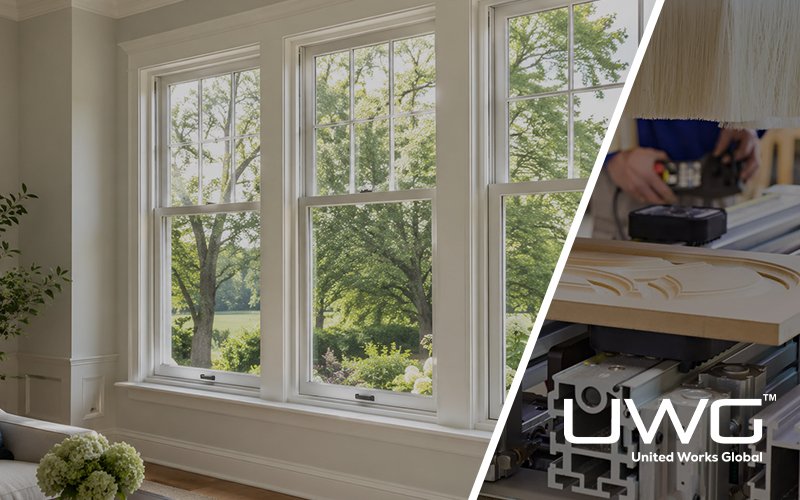
They are useful where ventilation is provided elsewhere. For example, a fixed central window can be paired with operable windows on either side to combine a broad view with adjustable ventilation.
A picture window does not provide an operable emergency escape opening. Exterior cleaning access also needs to be planned, particularly for large panes or upper-floor installations.
Choose picture windows when the opening’s primary purpose is a view or daylight, and the room’s ventilation and escape requirements are met separately.
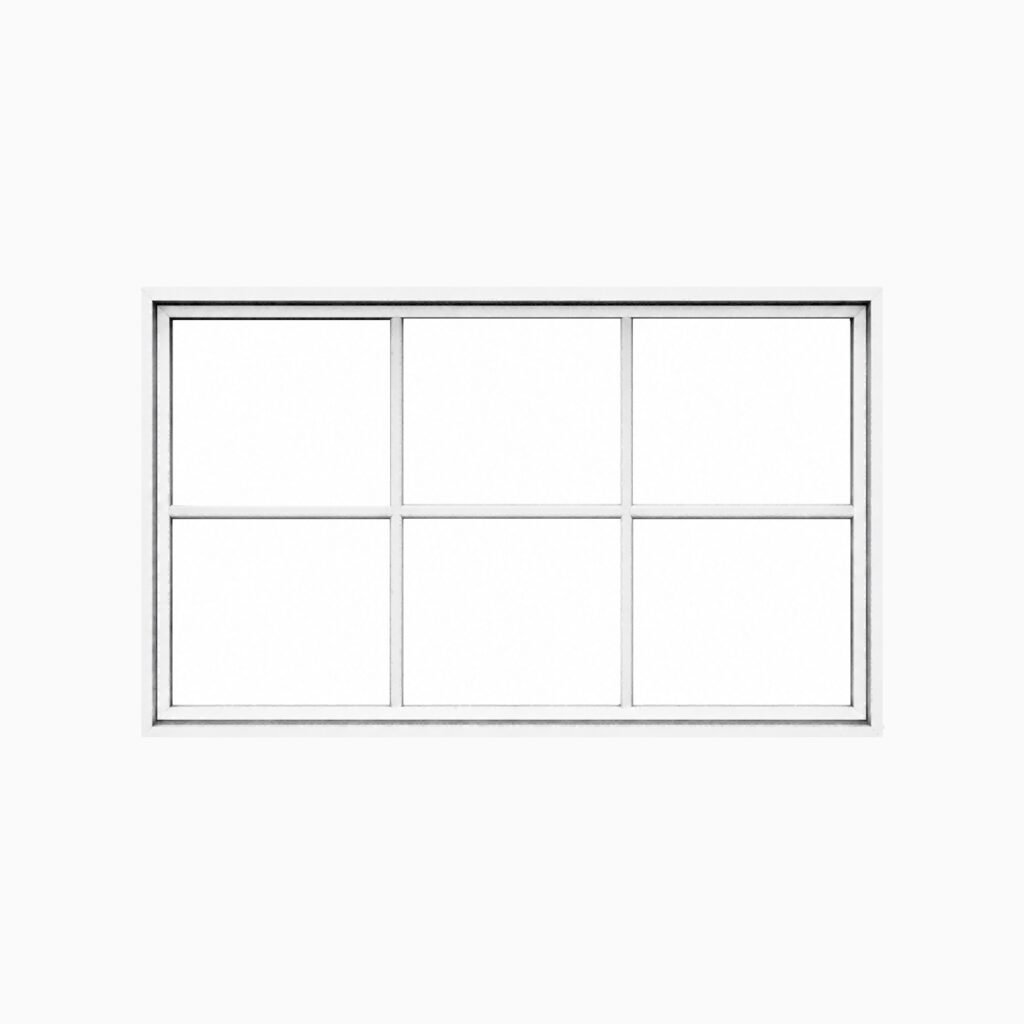
Vinyl Awning Windows
Awning windows are hinged at the top and open outward at the bottom. They offer a different opening arrangement from side-hinged casements and may suit locations where a top-hinged sash works better with the surrounding layout.
Check the position of the operating handle, the outward projection and the amount of usable opening. Screens, restrictors and hardware can affect access and operation.
The open sash may shelter the opening from some falling rain, but it does not make the window rainproof. Wind-driven rain can still enter, so weather conditions and the manufacturer’s instructions matter.
Choose awning windows when a top-hinged opening suits the location and the selected model provides the ventilation and access required.
What About Specialty-Shaped Vinyl Windows?
Arched, round, triangular and other shaped windows add architectural detail. However, shape and operation are separate characteristics: a specialty-shaped window may be fixed or operable, depending on the product.
Treat these as design options after deciding whether the opening needs ventilation. Confirm available shapes, dimensions and lead times rather than assuming that every configuration can be supplied.
Once you have narrowed down the operating styles, compare the available vinyl window options against your opening schedule. Check the selected configuration’s dimensions, glass options and hardware before treating it as a match for the project.
How to Choose the Right Vinyl Window Style
Start With Ventilation and Everyday Use
Decide which openings need to provide ventilation and which can remain fixed. Then consider who will operate each window and how easily they can reach the controls.
Above a deep counter, a reachable crank may be more convenient than lifting a sash. In a room where occupants want to adjust the opening from the top or bottom, a double-hung window may provide useful flexibility.
Compare the actual usable opening, rather than judging ventilation from the overall window size. Screens, sash overlap, restrictors and the surrounding layout all affect how the opening functions.
Check Opening Clearance and Cleaning Access
Hung and sliding windows operate within the frame’s plane, making them useful where outward projection would cause an obstruction. Casement and awning windows require clear space outside.
Cleaning can change the preferred choice, especially above ground level. Confirm which sashes tilt or can be removed, what remains fixed and whether the exterior glass can be reached safely. Product features should be checked for the selected model rather than assumed from the window type.
Confirm Dimensions and Project Requirements
Overall unit size, rough opening size and net clear opening are different measurements.
The unit dimensions describe the window itself. The rough opening provides installation space around it. The net clear opening describes the usable opening when the window is operated.
Where a window must satisfy emergency escape or ventilation requirements, check the selected model’s actual opening dimensions against the requirements for the project location. A style name or nominal size alone does not establish compliance.
The guide to standard vinyl window sizes can help with initial planning, but final orders should follow the selected product’s dimensioned drawings and installation requirements.
Compare Energy Performance by Product, Not Just Style
Opening style can influence how a window seals, but it does not establish the performance of every product in that category. Glass, frame design, seals and the complete configuration also matter.
The main measures used to compare window performance:
- U-Factor: Measures heat transfer through the window. A lower value indicates less heat transfer.
- Solar Heat Gain Coefficient (SHGC): Measures how much solar heat enters through the window. The suitable value depends on climate, orientation and the building’s heating and cooling needs.
- Visible Transmittance (VT): Describes how much visible light passes through the window.
- Air Leakage: Describes air passing through the window under specified test conditions. It is an optional rating, so it may not appear on every label.
Compare whole-product ratings for the configurations being considered. A glass-only value does not describe the performance of the complete window, and a window style should not be ranked as universally “most efficient” without comparable product data.
What Affects the Cost of Different Vinyl Window Types?
Operating style is one cost factor, but a useful comparison requires matching the rest of the specification.
Compare quotations with the same dimensions, glazing, color, screens, hardware and installation scope. Larger glass units, custom configurations, delivery requirements and handling can change the total cost.
A single-hung window may cost less than a similarly specified double-hung window because it has fewer operating components. A picture window has no operating hardware, but a large fixed unit may still involve substantial glass and handling costs. Neither observation creates a reliable price ranking across every product.
For projects with multiple openings, specify the function of each window first. Using fixed windows where ventilation is unnecessary and operable windows where it is needed can produce a more suitable window schedule than choosing one style for the entire building.
Frequently Asked Questions About Vinyl Window Styles
Which Vinyl Window Style Is Best for Ventilation?
There is no single best style for every opening. Double-hung windows let occupants adjust the upper sash, lower sash, or both; casement windows can provide a substantial opening; awning windows open outward at the bottom; and sliding windows provide horizontal ventilation. Compare the actual usable opening, screens, restrictors, and room layout before choosing.
Which Vinyl Window Styles Need No Outward Swing Clearance?
Single-hung, double-hung, and sliding windows operate within the frame’s plane, so their sashes do not project outward like casement or awning windows. Sliding windows still need track clearance and access to the exterior glass. Check the selected model and nearby obstructions.
Are Picture Windows Operable?
No. Picture windows are fixed and do not open. They are suitable where views and daylight are priorities and ventilation is provided by other openings. Exterior cleaning access should be planned, especially for large panes or upper-floor installations.
Are Double-Hung Windows Easier to Clean Than Single-Hung Windows?
They can be, depending on the model. Many double-hung windows have tilt-in sashes that allow both upper and lower sections to be cleaned from inside. Some single-hung models allow the lower sash to tilt, but the upper sash remains fixed. Confirm the cleaning features and safe exterior access for the specific product.
How Should I Compare Energy Efficiency Across Vinyl Window Styles?
Do not rank efficiency by operating style alone. Compare whole-product ratings for each selected configuration, including U-Factor, Solar Heat Gain Coefficient (SHGC), Visible Transmittance (VT), and Air Leakage where available. Glass, frame design, seals, and the complete configuration all affect performance.
Conclusion
The best vinyl window style is the one that fits the opening’s job. Single- and double-hung windows provide vertical operation without outward projection; sliding windows open horizontally; casement and awning windows swing outward; picture windows prioritize a fixed view.
Start with ventilation, access and available space. Then verify the selected model’s dimensions, performance ratings and total cost. A project can use several window styles successfully when each is chosen for a clear purpose.