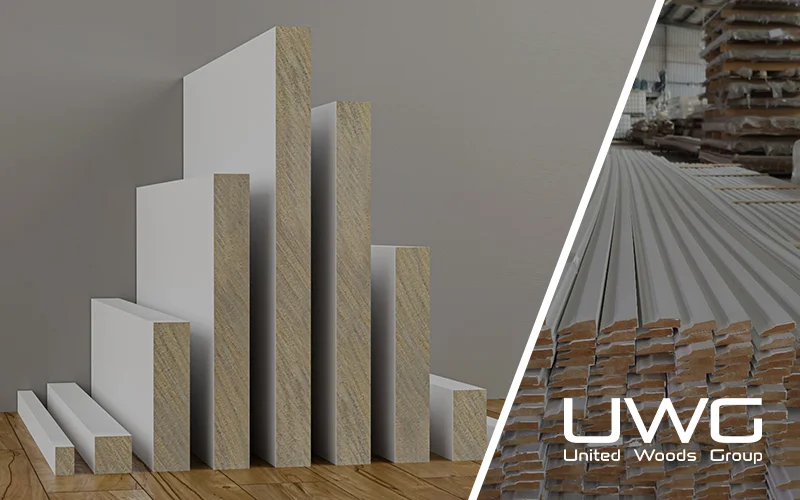
For trim and finish carpentry, S4S lumber can reduce the work needed to prepare rough stock. Whether it is the right purchase depends on how closely the supplied dimensions match your design—and how much cutting, fitting and finishing remains.
This guide explains the differences between common surfacing options, when S4S makes sense, and what to check before ordering.
What Does S4S Mean?
The four surfaced sides are the two broad faces and two narrow edges running along the length. The designation does not refer to the two end-grain surfaces.
S4S is listed as “surfaced four sides” in the American Softwood Lumber Standard. It describes a machining condition, rather than a wood species, strength grade or coating.
Surfaced lumber is not necessarily sanded, primed or painted. Drying condition, appearance grade and edge detail also need to be specified separately.
S4S vs. S2S, S3S and Rough Lumber
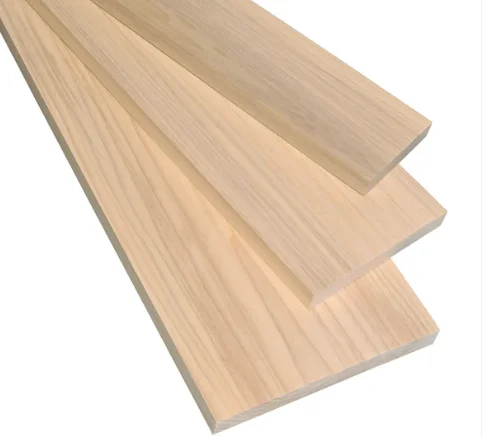
These descriptions indicate how much surfacing has already been completed.
| Description | Typical Supplied Condition | When to Consider It |
|---|---|---|
| Rough lumber | Sawn faces and edges without finish surfacing | You have milling equipment and need control over the finished dimensions |
| S2S lumber | Both wide faces surfaced; edges generally left rough | You want prepared faces but expect to straighten and size the edges |
| S3S lumber | Commonly both faces and one edge prepared | You need a reference edge and plan to rip the remaining edge to width |
| S4S lumber | Both faces and both edges surfaced | The supplied thickness and width suit the job, leaving mainly cutting, fitting and finishing |
Suppliers may use additional descriptions such as straight-line ripping. Confirm the supplied condition rather than assuming every S3S or S4S product receives exactly the same processing.
The most processed option is not automatically the best purchase. Choose the starting material around the finished pieces you need and the equipment available.
When Should You Choose S4S Lumber?
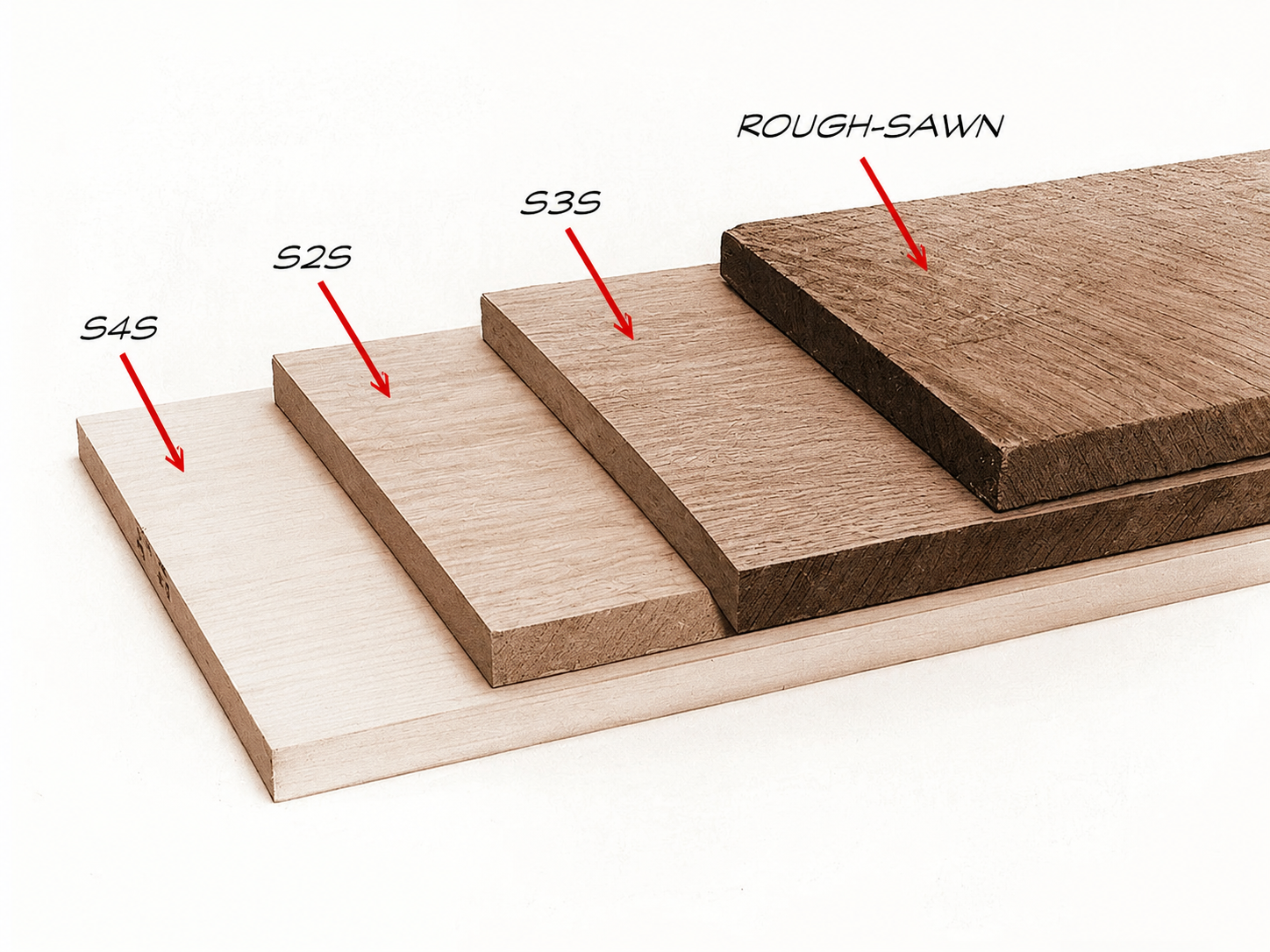
S4S lumber is worth considering when its supplied dimensions are close to the finished design.
For example, a trim crew may need repeated lengths of flat stock for door surrounds. If the available thickness, width and edge detail match the drawings, S4S can avoid setting up equipment to surface rough lumber. The remaining work may mainly involve cutting lengths, fitting joints and preparing the finish.
It can also suit smaller workshops or job sites without a jointer and thickness planer. Buying suitable surfaced stock moves part of the preparation to the supplier.
Rough or partially surfaced lumber may be more practical when:
- The required thickness or width is not available in finished stock.
- You expect to reshape or extensively machine most pieces.
- Your workshop already has an efficient milling process.
- You need greater control over how defects are removed and usable pieces are recovered.
Consider what happens after delivery. If S4S lumber still needs substantial resizing, some of the processing you paid for may offer little benefit.
Understand the Dimensions Before Ordering
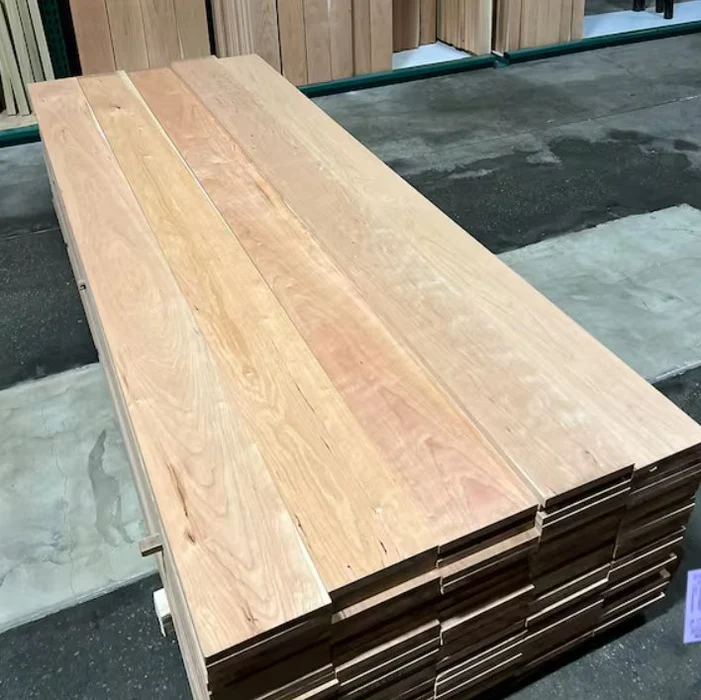
Specify the actual finished thickness, width and length required by the project.
A nominal size such as “1 × 4” is a product designation, not a substitute for checking the actual measurements. Sizing conventions vary between products, so do not apply one assumed deduction to every softwood, hardwood or remanufactured item.
For trim work, three details are especially important:
- Thickness: affects how the trim meets adjacent casing, baseboards and other components.
- Width: affects coverage, proportions and the amount of ripping required.
- Length: affects joint locations and how efficiently the cutting list can be produced.
Also confirm whether the edges are square or eased. A slightly rounded edge can create a visible groove where adjoining pieces meet, which may differ from the intended flat-stock appearance.
Review the supplied lengths against the cutting list. The lowest price per length may not produce the lowest cost per usable piece if it creates awkward offcuts or unnecessary joints.
Common Uses for S4S Lumber
S4S lumber is useful where plain surfaces and suitable finished dimensions provide a convenient starting point.
| Application | What Matters Most |
|---|---|
| Flat-stock baseboards and door or window surrounds | Actual dimensions, edge detail, joint layout and finish |
| Cabinet trim and built-ins | Appearance grade, visible surfaces and consistent sizing |
| Shelving | Material, thickness, unsupported span and fixing method |
| Decorative wall details | Layout, intersections, surface preparation and coating |
| General finish carpentry | Cutting yield, machining still required and acceptable defects |
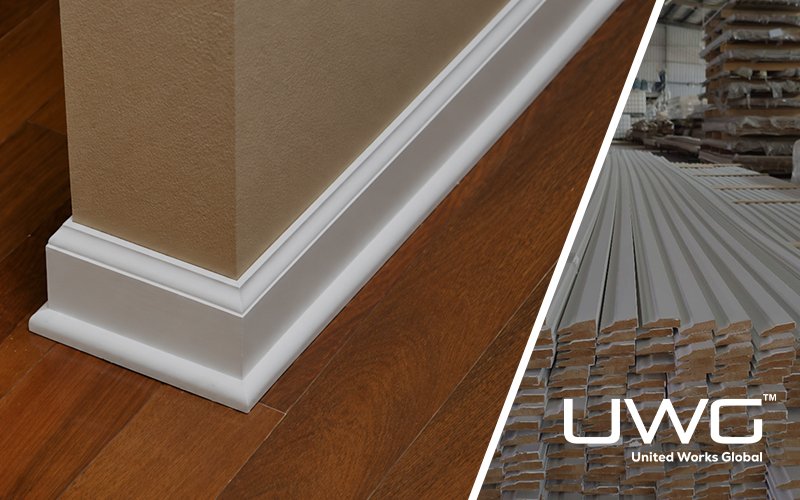
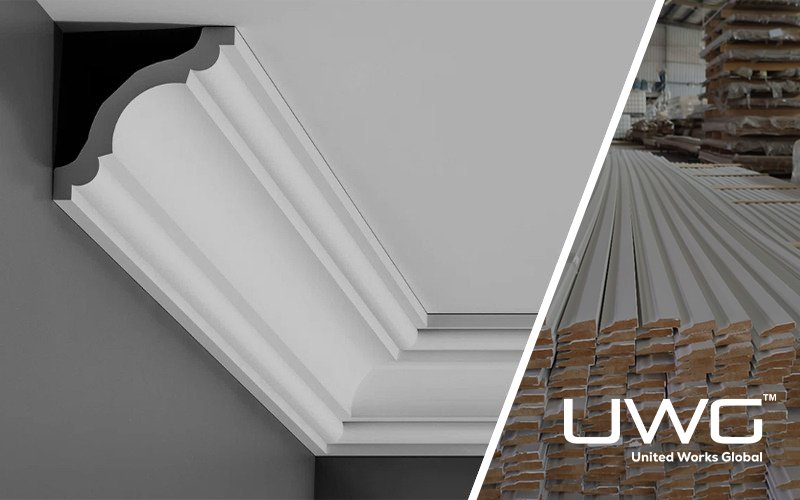
S4S lumber provides plain stock rather than a decorative profile. A shaped crown, casing or other molded detail may require additional machining or a purpose-made product. This guide to interior trim and moulding types explains the different applications.
When coordinating flat stock with adjoining baseboards or wall details, compare moulding and trim options together. Check the dimensions, edge treatment and finish so the transitions work as intended.
Choose the Material Around the Application
Decide where the lumber will be used and how it will be finished before selecting the species and grade.
For painted interior trim, compare suitable paint-grade stock. Pine and poplar are examples, but knots, joints and surface defects can affect preparation. Review a finished sample if the appearance is important.
For stained or clear-coated work, inspect grain, color and appearance grade. Smooth lumber is not automatically stain-grade, and visible finger joints may not suit the design.
For shelving, check the material, thickness, span and support arrangement. S4S describes the surface condition; it does not establish a shelf’s load capacity.
For damp or exterior locations, confirm that the species, treatment and coating system suit the exposure. Surfacing alone does not provide decay resistance or make an interior product suitable outside.
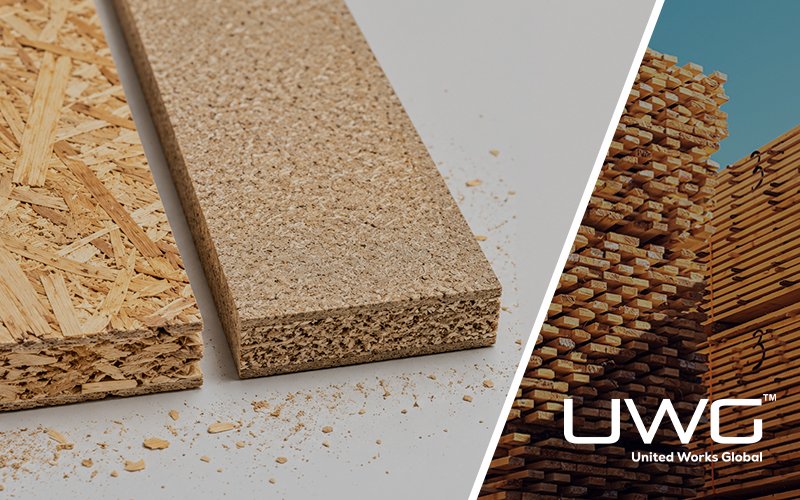
MDF flat stock may also be offered for trim applications. It is a different material from solid-wood lumber and should be evaluated against its own finishing and exposure requirements.
Does S4S Lumber Still Need Preparation?
Inspect it before cutting or installation.
Check individual pieces for bow, cup, twist, checks, damaged edges and machining marks. Wood can change shape as its moisture condition changes, so inspect the delivered material rather than relying solely on the surfacing designation.
The remaining preparation depends on the application. Painted trim may need light sanding, joint preparation and treatment of exposed cuts. A stained surface may need a different sanding sequence to achieve the approved appearance.
Surfaced stock also needs suitable storage and handling. Keep it supported and protected from damaging conditions, and follow the supplier’s conditioning instructions. One fixed acclimation period will not suit every species, product and site.
Is S4S Lumber Worth the Extra Cost?
Additional mill processing can increase the purchase price compared with otherwise comparable rough stock. The useful comparison is the cost of producing the same usable finished pieces.
Include:
- Material and delivery.
- Milling services or workshop labor.
- Equipment setup and handling.
- Material removed during machining.
- Cutting yield and unusable defects.
- Remaining fitting, sanding and finishing.
For repeated trim that matches an available S4S size, avoiding initial milling may justify the purchase price. For custom components requiring substantial resizing, rough or partially surfaced stock may be more competitive.
Use the actual cutting list and processing costs. Neither a higher purchase price nor less machining automatically establishes the lower total project cost.
What Should Your Purchase Specification Include?
Bring the decisions together in one written description:
- Species, grade and clear or finger-jointed construction.
- Actual thickness, width, lengths and agreed tolerances.
- Square, eased or other edge details.
- Required surface and coating condition.
- Acceptable defects and usable-length requirements.
- Supplied moisture condition and handling instructions.
- Quantities, packaging and inspection arrangements.
For repeated orders, approve a representative sample and use the same specification across deliveries. The bulk moulding buying guide covers the wider checks for consistency, packaging and phased supply.
Conclusion
S4S lumber has both faces and both edges surfaced, making it a convenient starting point for trim and finish carpentry. Its greatest value comes when the supplied dimensions and condition match the job, reducing initial milling without creating unnecessary resizing work.
Compare the actual material, usable yield and remaining preparation before buying. A clear specification is more useful than assuming the S4S label means ready to install.
Frequently Asked Questions About S4S Lumber
What Does S4S Mean in Lumber?
S4S stands for “surfaced four sides.” The two broad faces and two narrow edges along the length of the lumber have been machined; the end-grain surfaces are not included.
Is S4S Lumber Ready to Install?
Not necessarily. S4S describes the surfacing condition, not whether lumber has been sanded, primed, painted, or cut to final length. Check actual dimensions, edge detail, moisture condition, grade, and finish requirements before installation.
What Is the Difference Between S4S, S3S and S2S Lumber?
S2S has both wide faces surfaced, while S3S commonly has both faces and one edge prepared. S4S has both faces and both edges surfaced. Confirm the supplier’s exact processing description.
Does S4S Lumber Cost Less Overall?
Not always. It may reduce milling labor when supplied dimensions match the project, but custom resizing, cutting yield, material defects, delivery, and finishing can change total cost. Compare the cost of producing the same usable finished pieces.