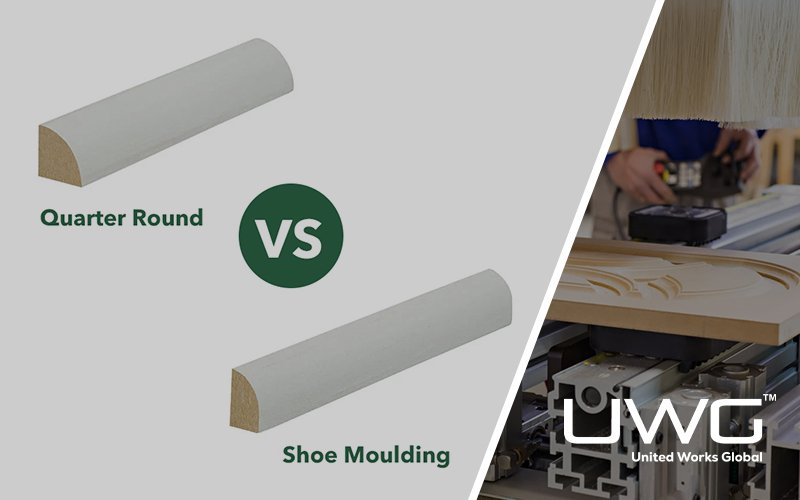
Choosing between shoe moulding and quarter round can be confusing, especially when design style matters. The wrong choice can ruin a clean modern look or clash with traditional interiors. In this guide, I break down the differences so you can confidently choose the right trim.
Shoe moulding is thinner, more flexible, and ideal for modern interiors with clean lines, while quarter round is thicker and more rounded, making it better suited for traditional styles or covering larger gaps. The best choice depends on your interior design, flooring condition, and desired visual finish. Builders and wholesalers often prefer shoe moulding for contemporary projects and quarter round for classic or high-gap installations.
Now let’s explore the key differences, practical use cases, and how each option fits into modern and traditional interior design.
What Is the Difference Between Shoe Moulding and Quarter Round?
From my experience working with builders and interior projects, the difference is immediately visible once installed.
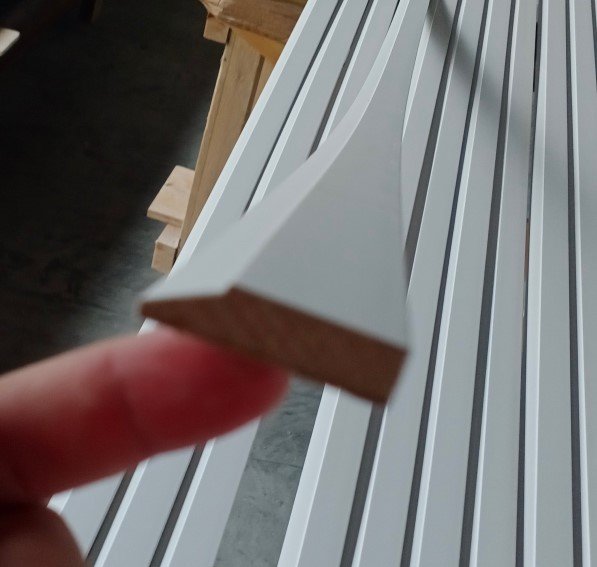
- Shoe moulding is slimmer and slightly taller than it is wide. It has a subtle curve and sits closer to the baseboard.
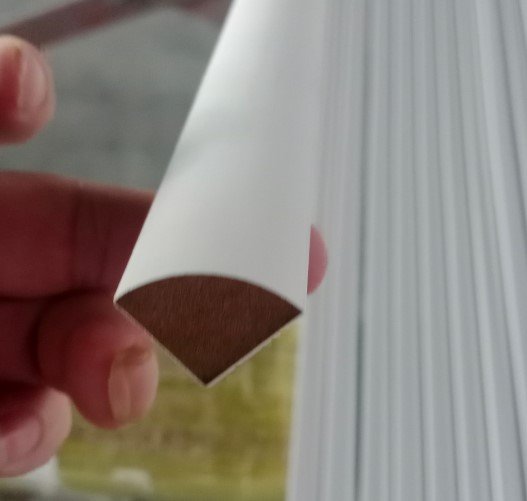
- Quarter round forms a perfect quarter circle, making it more prominent and rounded.
This affects both appearance and flexibility. Shoe moulding bends more easily, making it ideal for uneven flooring. Quarter round, on the other hand, is more rigid and noticeable.
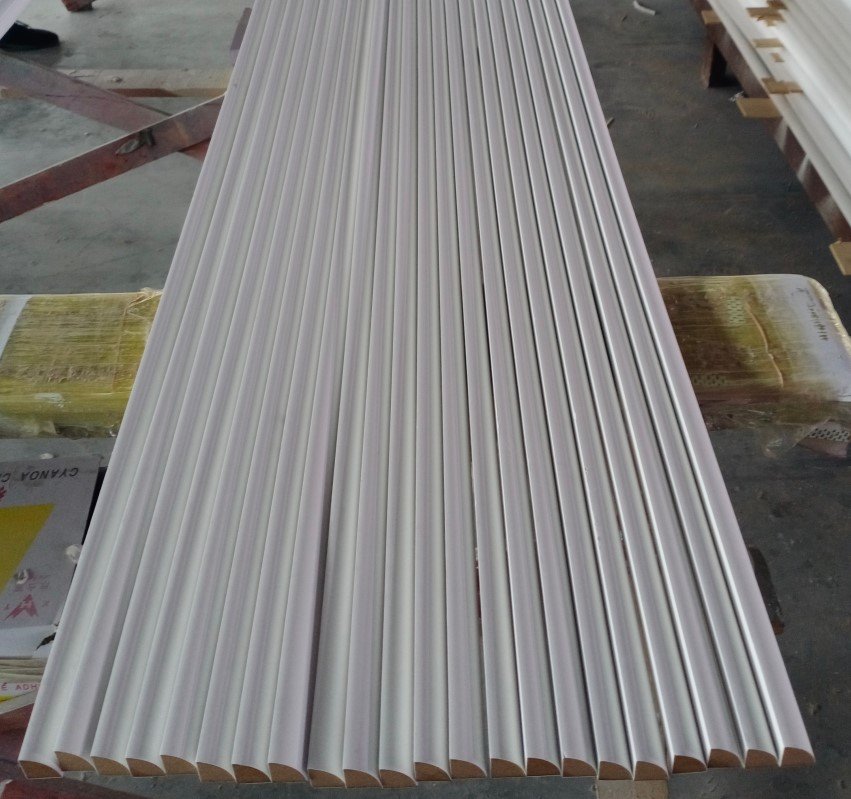
Which Is Better: Shoe Moulding or Quarter Round?
There’s no universal “better” option—it depends on the project.
Shoe Moulding Pros:
- Cleaner, more modern appearance
- Better flexibility for tight fits
- Preferred in high-end residential and commercial builds
Quarter Round Pros:
- Covers larger gaps easily
- More forgiving in renovation projects
- Classic decorative look
From a builder or wholesaler perspective, shoe moulding is often chosen for new builds, while quarter round is common in retrofits or cost-sensitive projects.
Is Shoe Moulding More Modern Than Quarter Round?
Yes—in most cases.
Modern interior design focuses on:
- Clean lines
- Minimal visual weight
- Subtle detailing
Shoe moulding fits perfectly into this trend. It blends into the baseboard and flooring, creating a seamless finish.
Quarter round, however, stands out more. That makes it better suited for:
- Traditional interiors
- Decorative spaces
- Classic wood flooring designs
When Should You Use Quarter Round Instead of Shoe Moulding?
In real-world projects, I’ve seen quarter round solve problems that shoe moulding simply can’t.
Use quarter round when:
- There are large gaps between floor and baseboard
- Floors are uneven or poorly aligned
- You’re working on renovations instead of new builds
Because of its thicker profile, quarter round hides architecture better.
Can You Replace Quarter Round with Shoe Moulding?
Yes—but not always.
If the gap is small and the floor is level, shoe moulding is a great upgrade. It instantly creates a more refined look.
However, if the gap is too large, shoe moulding may:
- Leave visible spaces
- Require additional adjustments
- Increase installation complexity
From an installation standpoint:
- Shoe moulding requires more precision
- Quarter round is faster and more forgiving
Shoe Moulding vs Quarter Round Cost Comparison
Cost is another factor builders and wholesalers always consider.
Material Cost:
- Shoe moulding: slightly higher (more refined finish)
- Quarter round: more affordable and widely available
Installation Cost:
- Shoe moulding: higher labor due to precision
- Quarter round: quicker installation, lower labor cost
In bulk supply or wholesale scenarios:
- Quarter round is often chosen for budget projects
- Shoe moulding is selected for premium developments
Modern vs Traditional Interiors: Which Trim Works Best?
Here’s the simplest way to decide:
| Interior Style | Best Choice | Reason |
| Modern / Minimalist | Shoe Moulding | Clean, subtle, blends in |
| Luxury Contemporary | Shoe Moulding | High-end finish |
| Traditional / Classic | Quarter Round | Decorative and visible |
| Renovation Projects | Quarter Round | Covers imperfections |
From my experience, selecting the right trim is not just about function—it directly impacts the perceived quality of the entire space.
Practical Tips for Builders and Wholesalers
If you’re sourcing or supplying trim materials:
- Keep both options in stock to meet different project needs
- Recommend shoe moulding for design-focused clients – Suggest quarter round for fast turnaround or uneven flooring – Ensure consistent material quality to meet EEAT standards (durability, finish, reliability)
Frequently Asked Questions About Shoe Moulding and Quarter Round
Q: What is the visual difference between shoe moulding and quarter round?
A: The difference lies in their profile shape. Quarter round is shaped exactly as its name suggests—a perfect quarter of a circle, giving it a uniform, pronounced, and rounded look. Shoe moulding is taller than it is wide with a more subtle curve, giving it a slimmer, flatter profile that sits closer to the baseboard for a cleaner finish.
Q: Which moulding should I use for a modern or contemporary interior?
A: Shoe moulding is the preferred choice for modern, minimalist, and contemporary interiors. Its slim profile blends seamlessly into the baseboard, creating a much cleaner line with less visual weight than the bulkier quarter round.
Q: When is it better to use quarter round instead of shoe moulding?
A: Quarter round is ideal for traditional interiors or older home renovations where you need to cover larger gaps between the flooring and the baseboard. Because it is thicker and projects further from the wall, it is much more forgiving and excellent at hiding uneven flooring cuts or significant settling gaps.
Q: Are shoe moulding and quarter round installed the same way?
A: Yes, both are installed similarly using a brad nailer to secure the trim into the baseboard (not into the floor, to allow for flooring expansion). However, because shoe moulding is thinner and more flexible, it requires a bit more precision during installation but is much better at bending to follow the contours of an uneven floor.
Summary
Choosing between shoe moulding and quarter round depends on style, function, and project needs. Shoe moulding suits modern interiors, while quarter round works best for traditional designs and larger gaps. For builders and wholesalers, selecting the right trim improves both aesthetics and project efficiency.
Articles that you may be interested in:
Shoe Moulding vs Quarter Round: What’s the Difference and Which to Choose?