Imagine a multi-unit residential project nearing completion. The flooring is installed, cabinets are in place, and final inspections are underway—only to discover that several bi-fold closet doors are misaligned, sticking, or coming off their tracks. What seemed like a minor hardware component suddenly turns into a costly delay, requiring rework, additional labor, and potential dissatisfaction from the end client.
In most cases, bi-fold door failures are not caused by the door panels themselves, but by improper hardware selection, low-quality components, or incorrect installation practices. By understanding the most common hardware issues—and how to prevent them—builders and wholesalers can significantly reduce callbacks, improve installation efficiency, and ensure long-term performance.
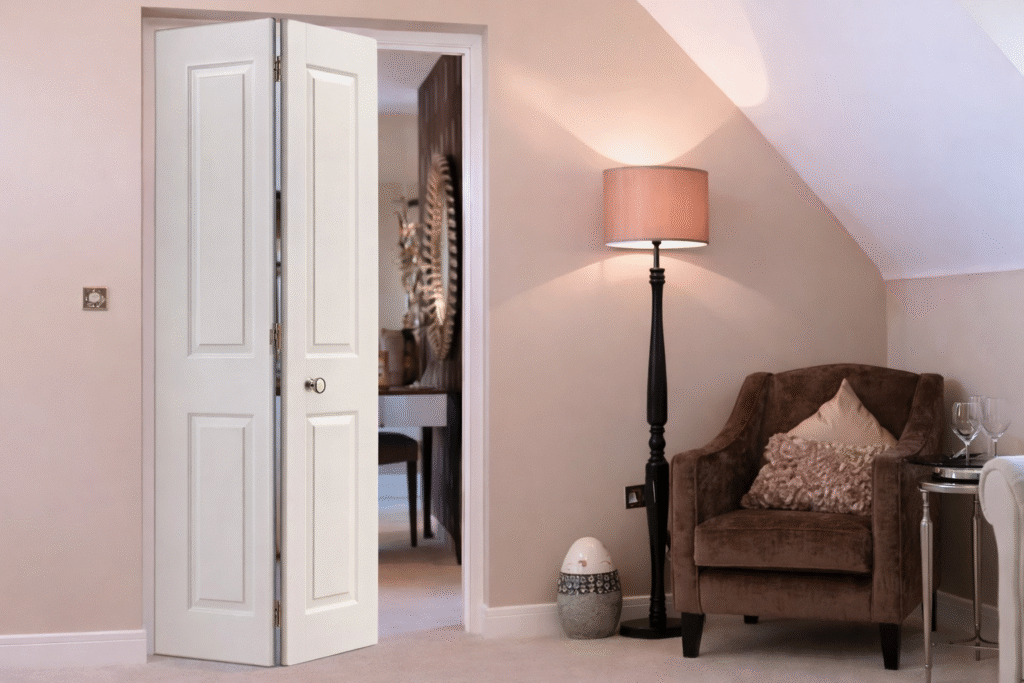
What Is Bi-Fold Door Hardware?
Bi-fold door hardware refers to the complete mechanical system that allows a bi-fold door to operate smoothly by folding and sliding along a track.
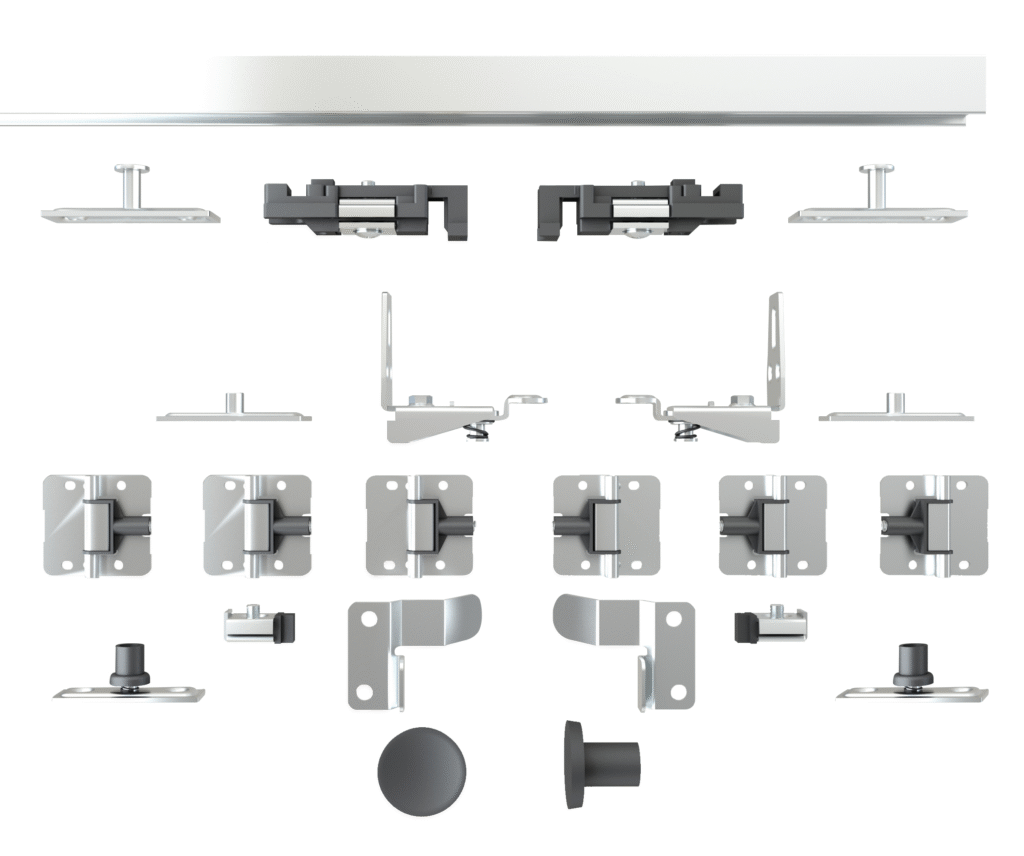
Core Components:
- Pivot Brackets – Secure the door to the frame
- Top and Bottom Pivots – Allow rotational movement
- Track System – Guides the door during operation
- Guide Rollers – Ensure smooth sliding
- Hinges – Connect door panels and enable folding
Function:
The hardware system is critical for:
- Maintaining alignment
- Ensuring smooth and quiet operation
- Supporting door weight
- Extending product lifespan
Most Common Bi-Fold Door Hardware Issues
Misalignment and Door Sagging
Causes:
- Weak pivot hardware
- Improper track installation
- Uneven weight distribution
Impact:
- Difficulty closing
- Visible gaps
- Increased wear over time
Track and Roller Failures
Causes:
- Low-quality aluminum tracks
- Plastic rollers wearing out
- Dust or debris buildup
Impact:
- Sticking doors
- Noisy operation
- Reduced durability
Loose or Damaged Pivot Points
Causes:
- High-frequency usage
- Incorrect installation torque
- Inferior materials
Impact:
- Door instability
- Risk of detachment
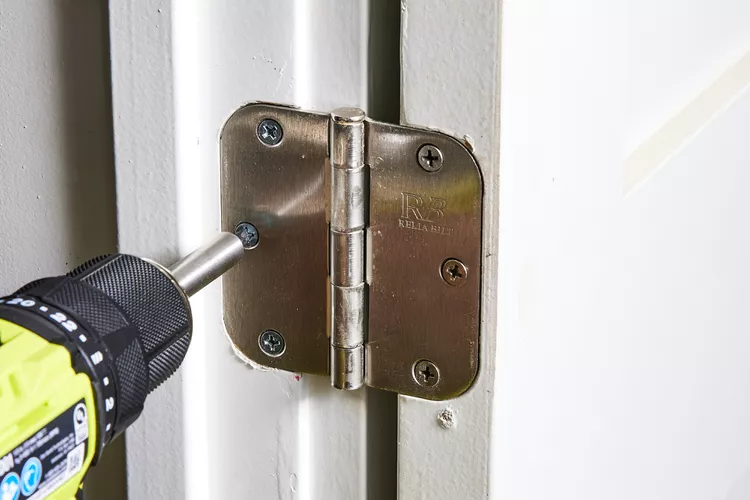
Hinge Problems
Causes:
- Thin or low-grade hinges
- Over-tightened screws
Impact:
- Panel separation
- Uneven folding
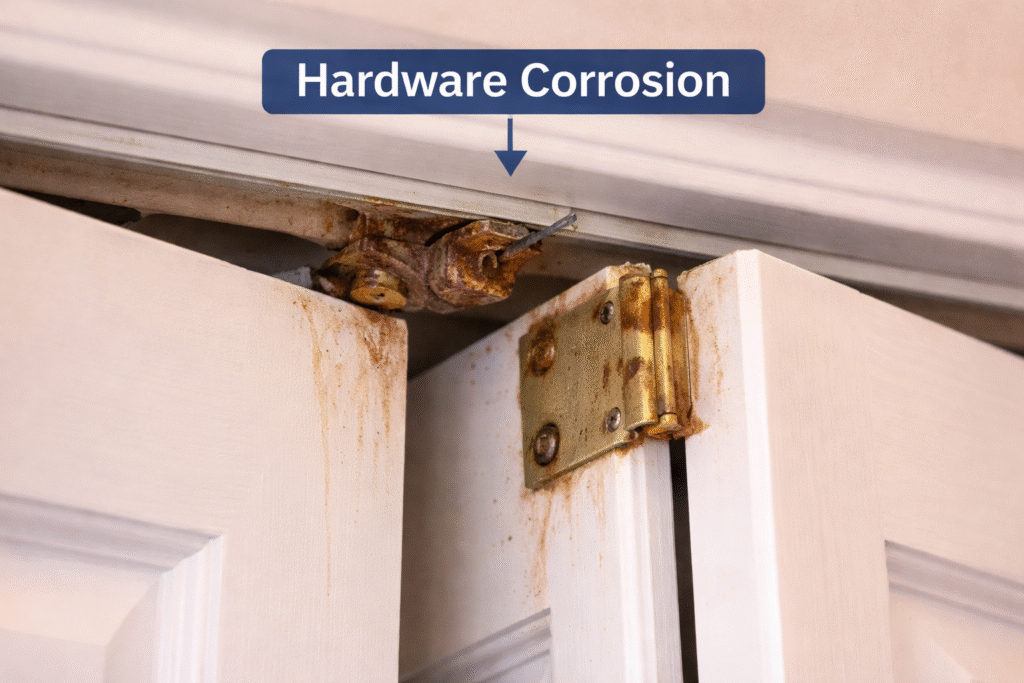
Hardware Corrosion
Causes:
- Lack of protective coating
- Exposure to moisture
Impact:
- Rust formation
- Structural weakening
Comparison of Different Hardware Quality Levels
| Feature | Low-Quality Hardware | Standard Hardware | Premium Hardware |
|---|---|---|---|
| Material | Thin steel / plastic | Mixed materials | Solid steel / reinforced alloy |
| Roller Type | Basic plastic | Nylon | Ball-bearing rollers |
| Track Thickness | Lightweight | Medium | Heavy-duty aluminum |
| Durability | Low | Moderate | High |
| Noise Level | High | Medium | Low |
| Maintenance Needs | Frequent | Occasional | Minimal |
| Suitable Projects | Low-budget / temporary | Residential | Commercial / high-end |
Pros and Cons of Bi-Fold Door Hardware Systems
Advantages
- Space-saving design
- Cost-effective compared to sliding doors
- Easy installation when standardized
- Ideal for closets and compact spaces
Disadvantages
- Highly dependent on hardware quality
- Requires precise installation
- Lower durability under heavy use (if low-grade hardware is used)
- Multiple moving parts increase failure risk
How to Avoid These Issues
Choose the Right Hardware Specification
- Match hardware load capacity to door weight
- Use ball-bearing rollers for high-traffic areas
- Select corrosion-resistant materials
Focus on Installation Accuracy
- Ensure proper leveling and alignment
- Maintain correct pivot positioning
- Avoid over-tightening screws
Standardize Hardware Across Projects
Benefits:
- Easier maintenance and replacement
- Reduced installation errors
- Consistent performance
Work with Reliable Suppliers
- Pre-tested hardware systems
- Guaranteed compatibility
- Consistent bulk quality
Expert Recommendations
- Always test hardware with actual door weight before large-scale installation
- Avoid mixing different hardware brands within one project
- Define minimum hardware standards in procurement specifications
- For large projects, consider pre-installed or pre-adjusted systems
- Keep spare hardware kits for future maintenance
Frequently Asked Questions About Small Room Flooring
Q: Which direction should I lay flooring to make a room look bigger?
A: To visually expand a small room, lay your flooring planks parallel to the longest wall in the room. This draws the eye along the length of the space, creating an illusion of depth. Alternatively, installing the planks diagonally at a 45-degree angle is an excellent interior design trick that forces the eye to track the widest parts of the room, making it feel much more expansive.
Q: Are wide or narrow flooring planks better for small rooms?
A: Wide and long planks are generally much better for small rooms. Wide planks result in fewer visible seams on the floor, which minimizes visual clutter and creates a smooth, uninterrupted surface. Narrow planks or small tiles can create a busy, grid-like pattern that visually shrinks the space.
Q: Does dark or light flooring make a room look larger?
A: Light-colored flooring is the superior choice for making a room look larger. Colors like light oak, whitewashed finishes, and soft grays reflect natural and artificial light, making the space feel airy, open, and inviting. Dark floors absorb light and can make a compact room feel closed-in or heavy.
Q: Can I use herringbone or chevron patterns in a small room?
A: Yes, but it must be done carefully. Chevron and herringbone patterns feature V-shapes that naturally guide the eye and create a sense of movement, which can add depth. However, in very small rooms, these patterns can sometimes feel overly busy. To prevent this, choose a subtle pattern with very low color variation between the planks.
Conclusion
Bi-fold door performance depends heavily on hardware quality and installation precision. Many common issues can be avoided by selecting the right components, ensuring proper installation, and working with reliable suppliers. For builders and wholesalers, investing in better hardware upfront can significantly reduce long-term costs and improve project outcomes.
Articles that you may be interested in:
How to Choose Door Hardware for High-Traffic Units in North America
What Is the Best Corner Cabinet Hardware for Efficient Storage?