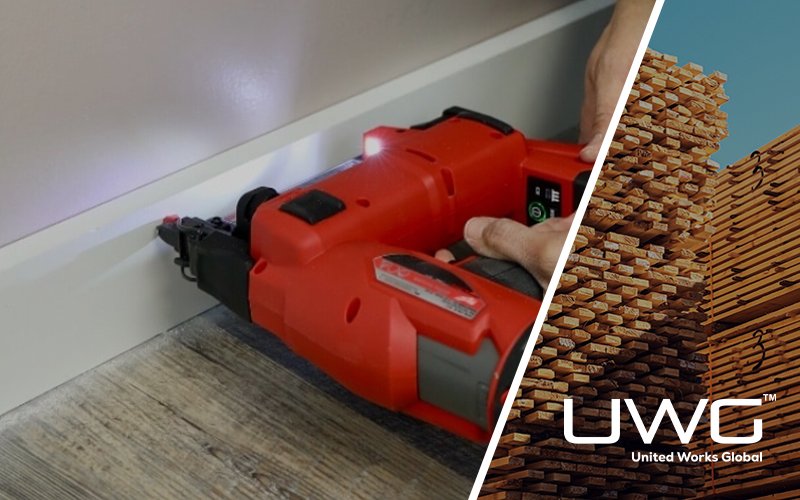
In trim and finish carpentry, one of the most common challenges is working with rough lumber. Uneven edges, inconsistent dimensions, and additional prep work can slow down installation and increase labor time—especially on larger projects. Because of this, many builders and contractors are turning to more consistent, ready-to-use materials.
S4S wood (Surfaced Four Sides) refers to lumber that has been planed and smoothed on all four sides—two faces and two edges—resulting in straight, uniform boards that are ready for installation. Builders prefer S4S wood for trim boards because it reduces on-site preparation, improves installation efficiency, and delivers cleaner, more consistent finishing results.
In practice, using S4S lumber helps streamline trim work, minimize material waste, and improve overall project quality. For builders and buyers alike, understanding how S4S wood performs can make a noticeable difference in both efficiency and final appearance.
What Is S4S Wood?
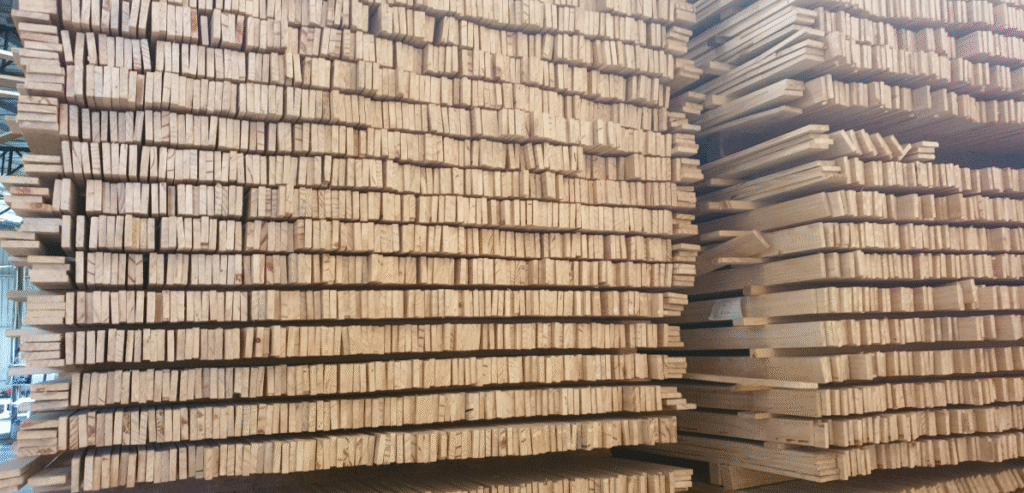
S4S wood stands for “Surfaced Four Sides”, which means the lumber has been planed smooth on all four sides—two faces and two edges. This process creates boards with consistent thickness, straight edges, and a clean, uniform surface that is ready for use.
Unlike rough lumber, which often requires additional planing and edge straightening on-site, S4S wood is fully processed at the mill. In practical terms, this eliminates the need for extra tools such as planers or jointers, helping save time and reduce labor during installation.
S4S wood is also different from partially processed lumber such as S2S (Surfaced Two Sides). While S2S lumber is only planed on the two faces and still has unfinished edges, S4S lumber is completely surfaced on all sides, making it ready for immediate use, especially in trim and finish applications where precision is important.
Typically kiln-dried before surfacing, S4S wood offers improved dimensional stability and reduced risk of warping. Because of its smooth finish and consistency, it is widely used in trim boards, mouldings, shelving, and finish carpentry, where both efficiency and appearance matter.
Why Builders Prefer S4S for Trim Boards
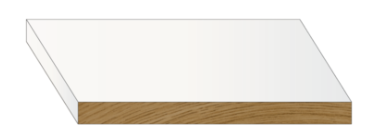
Builders prefer S4S wood for trim boards because it simplifies installation, improves consistency, and reduces overall project time.
One of the main advantages is reduced on-site preparation. Since S4S lumber is already planed and straight, builders can install it directly without additional cutting, jointing, or sanding. This is especially important in trim work, where precision and clean edges are critical.
S4S wood also provides consistent dimensions, which helps ensure tighter joints and better alignment during installation. In large projects, this consistency can significantly improve efficiency and reduce installation errors.
Another key benefit is better finishing results. The smooth surface of S4S wood allows for more even painting or staining, leading to a cleaner and more professional appearance in interior spaces.
In addition, using S4S wood helps reduce labor costs and material waste. Less time spent on preparation means faster installation, and fewer defects or inconsistencies result in less discarded material.
From our experience working with builders and trim applications, S4S wood has become a standard choice because it offers a reliable balance of efficiency, quality, and cost control—especially in projects where speed and consistency are essential.
Common Applications of S4S Wood
S4S wood is widely used in trim and finish carpentry due to its smooth surface and consistent dimensions.
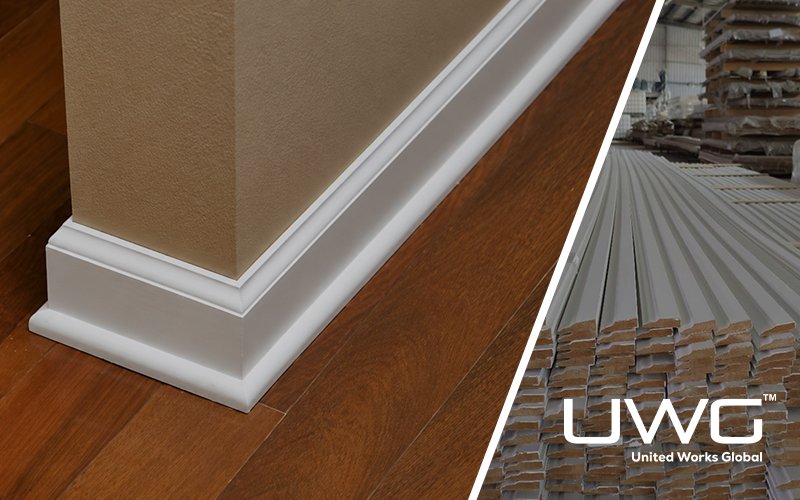
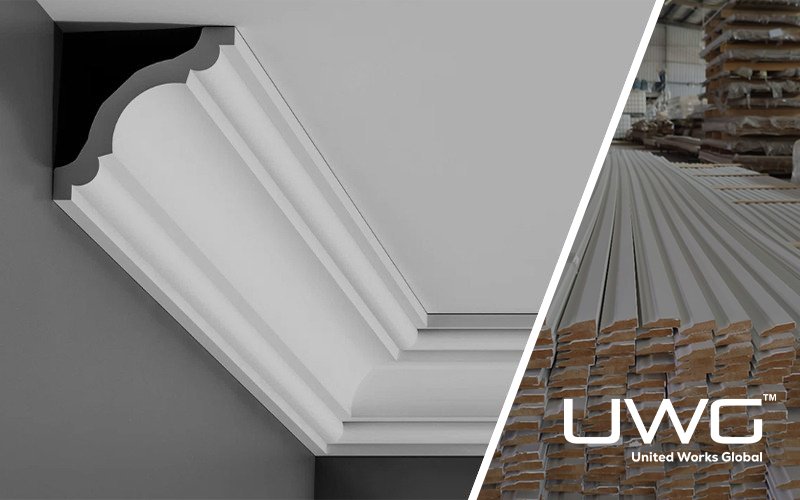
Common applications include baseboards, door and window casings, and simple mouldings, where clean edges and accurate sizing are important. It is also used for shelving and interior carpentry, where straight boards help ensure proper alignment.
Because it is ready to use and easy to finish, S4S wood is a practical choice for projects that require efficiency and a clean final appearance.
S4S vs Rough Lumber vs Moulded Trim
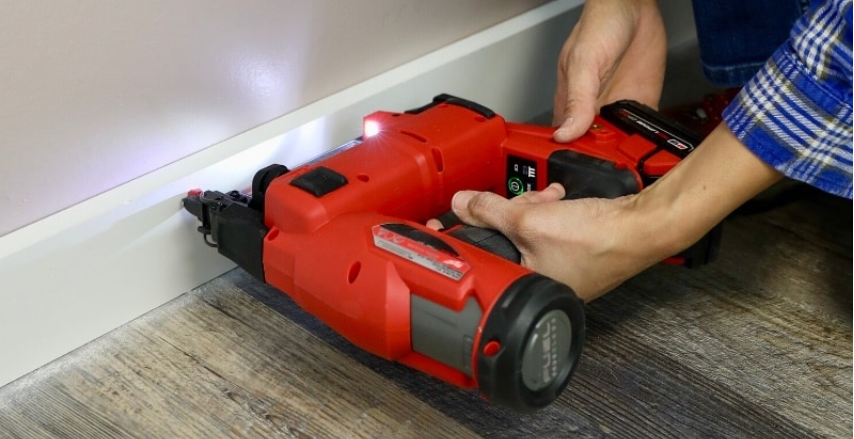
In our experience, choosing between these options comes down to balancing cost, labor, and flexibility. Here’s a clear side-by-side comparison:
| Feature | S4S Lumber | Rough Lumber | Moulded Trim |
|---|---|---|---|
| Surface Finish | Smooth on all four sides | Rough, unfinished | Pre-shaped and finished |
| Preparation Needed | Minimal (ready to use) | High (planing, jointing, sanding) | None |
| Flexibility | High (custom cuts and profiles) | Very high (full control) | Low (fixed profiles) |
| Labor Time | Low | High | Very low |
| Cost (Material) | Medium | Low | High |
| Best Use Case | Trim boards, general finish work | Custom milling projects | Decorative trim installation |
From what we’ve seen, S4S lumber hits the sweet spot. It gives you the flexibility of raw wood without the heavy prep work, which is why many contractors prefer it for trim applications.
Material Options for S4S Wood
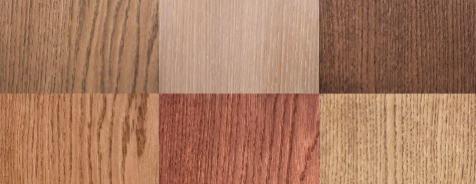
S4S lumber comes in a variety of wood species, each suited for different applications.
Some common options include:
- Pine – Affordable and easy to work with
- Oak – Strong and ideal for high-end finishes
- Maple – Smooth grain, great for painting or staining
- Poplar – A popular paint-grade choice for trim
In our production, pine is the primary material used for S4S trim boards. It offers a practical balance of stability, workability, and cost, making it a reliable choice for both residential and large-scale projects.
Cost Considerations
S4S lumber typically costs more than rough lumber upfront, but that doesn’t reflect the total project cost.
Because it is pre-finished and dimensionally consistent, builders can save significantly on labor time, equipment use, and material waste. There is no need for additional planing, jointing, or surface preparation on-site, which helps speed up installation and reduce overall project complexity.
In many cases, these efficiency gains mean that the total installed cost of S4S wood can be equal to—or even lower than—using rough lumber, especially in large trim or finish carpentry projects.
Whether sourcing from local suppliers or retail options such as S4S wood at Lowe’s or Home Depot, it’s important to evaluate not only the unit price, but also material quality, consistency, and overall value in installation.
Frequently Asked Questions About S4S Wood
Q: What exactly does S4S mean in lumber?
A: S4S stands for “Surfaced Four Sides.” It means that the lumber has been run through a planer at the mill to create a smooth, flat, and uniform finish on all four of its surfaces—both of its wide faces and both of its narrow edges. Because of this, S4S wood arrives perfectly straight, dimensionally consistent, and ready for immediate installation.
Q: What is the difference between S4S and S2S wood?
A: The difference lies in how many sides are milled smooth. S4S wood is surfaced and smoothed on all four sides. S2S (Surfaced Two Sides) lumber is only planed smooth on its two wide faces, leaving the two narrow edges rough. Builders using S2S wood must use a jointer or table saw on the job site to straighten and smooth the edges before the wood can be used for trim work.
Q: Is S4S wood more expensive than rough lumber?
A: Yes, the upfront material cost of S4S lumber is higher than rough or S2S lumber because it requires more mill processing. However, builders heavily prefer S4S for trim boards because it drastically reduces expensive on-site labor time, equipment use, and material waste. In the end, the total installed cost of an S4S trim project is often equal to or lower than using rough lumber.
Q: What are the most common uses for S4S wood in construction?
A: Because of its crisp, 90-degree squared edges and smooth, ready-to-paint surface, S4S wood is the industry standard for interior finish carpentry. It is most commonly used for baseboards, door and window casings, simple contemporary mouldings, built-in cabinetry, and shelving.
Summary
S4S wood is widely used in trim and finish carpentry because it is smooth, consistent, and ready to install, helping reduce on-site work and improve overall efficiency. Compared to rough lumber, it offers better installation results and more predictable quality, making it a practical choice for both small and large projects.
While the upfront cost may be slightly higher, S4S wood often delivers better overall value by saving labor time and minimizing waste.
As a trim and moulding manufacturer with experience supporting a range of projects, we understand the importance of material consistency and reliable supply. If you have questions about material selection or specific applications, we’re always available to help.
Articles that you may be interested in:
What Is S4S Board and Why Should Builders Care?
The Ultimate Guide to Interior Moulding: Types, Costs, and Installation Best Practices