
In today’s construction and renovation market, molded doors are widely used in residential and commercial projects due to their cost-effectiveness, consistent appearance, and scalability for large developments. However, buyers—especially developers, contractors, and procurement managers—often notice significant price differences between seemingly similar molded doors. Understanding the reasons behind these variations is essential for making informed purchasing decisions that balance cost, durability, and long-term performance. Some molded doors are cheaper than others due to differences in core materials, surface quality, manufacturing processes, design complexity, and hardware compatibility. Lower-cost options often use hollow cores, thinner skins, and less durable finishes, reducing production costs but also affecting performance and lifespan. Higher-priced molded doors typically feature solid or engineered cores, better moisture resistance, and stricter quality control, making them more suitable for demanding residential or commercial projects.
What Are Molded Doors?
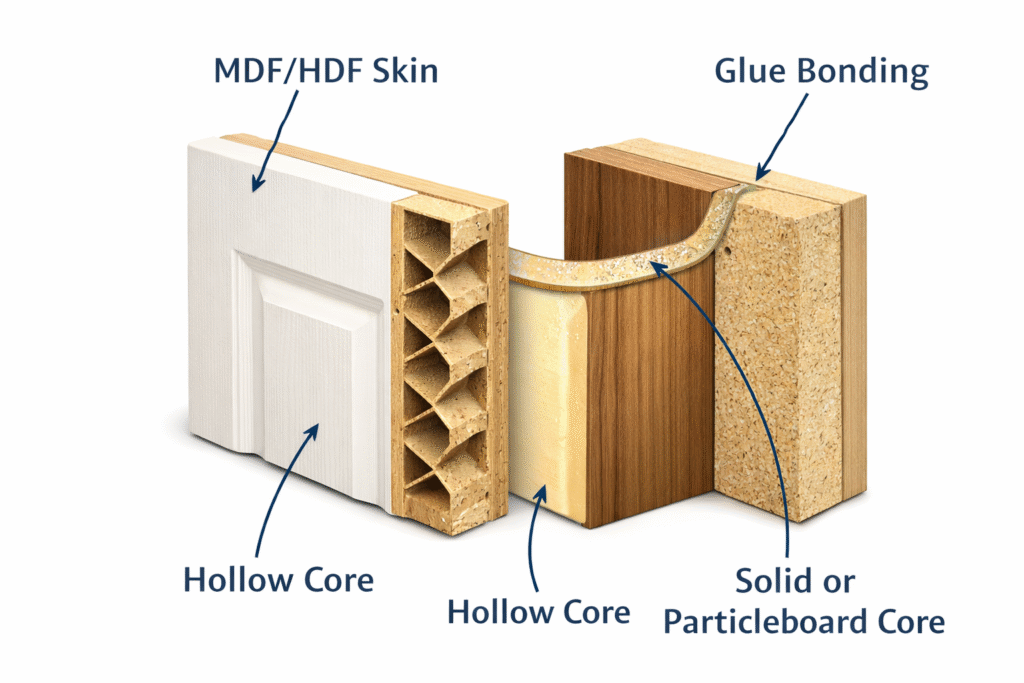
Molded doors are interior doors made by compressing fiberboard skins (usually MDF or HDF) into predefined panel designs, then bonding them to an internal core structure. This manufacturing method allows for uniform designs at scale, making molded doors a popular choice for multi-unit housing and large B2B projects.
Key Factors That Affect Molded Door Pricing
1. Core Material: Hollow vs Solid
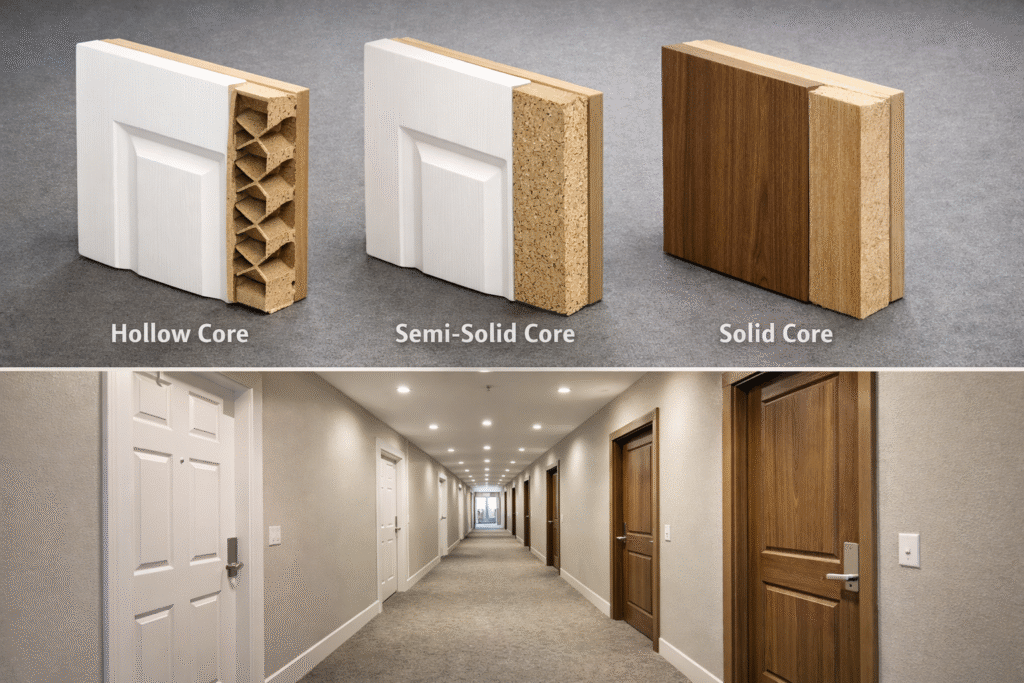
One of the biggest price drivers is the door core:
| Core Type | Cost Level | Performance | Typical Use Case |
|---|---|---|---|
| Hollow Core | Low | Lightweight, low sound insulation | Budget housing |
| Semi-Solid Core | Medium | Better strength, moderate insulation | Standard residential |
| Solid Core | High | Excellent durability, soundproofing | Hotels, apartments |
In several mid-rise apartment projects we supported, developers initially chose hollow core doors to reduce upfront costs. However, complaints about sound transmission led to costly replacements. Switching to semi-solid cores increased unit cost by ~15%, but reduced after-sales issues significantly.
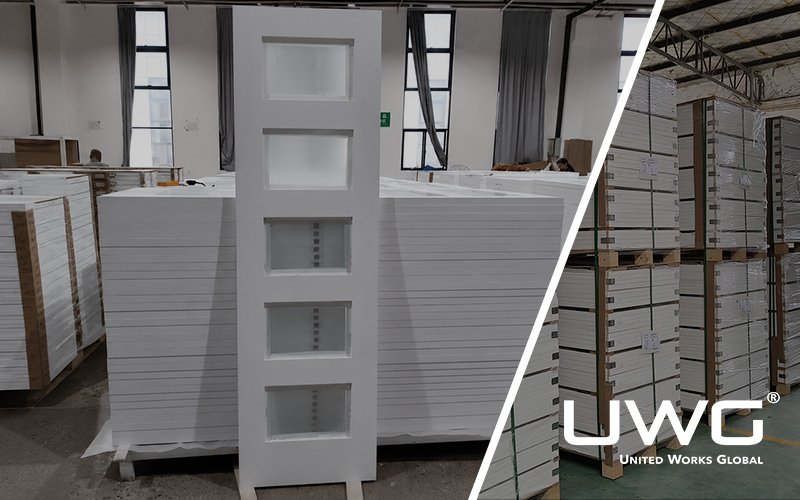
photo 3 hollow vs solid core door cost and performance comparison chart
2. Skin Thickness and Material Quality
Molded door skins are typically made from MDF or HDF:
- Thinner skins (2.5–3 mm) → cheaper but prone to damage
- Thicker skins (3.5–4 mm+) → more durable and impact-resistant
Higher-quality skins also have better density, which improves paint adhesion and surface smoothness.
3. Manufacturing Process and Quality Control
Not all factories use the same production standards:
- Low-cost manufacturers may reduce press time or adhesive quality
- High-end suppliers use precision molding, better bonding agents, and stricter QC
According to industry data referenced by NAHB (National Association of Home Builders), material consistency and process control significantly impact long-term performance and warranty claims.
4. Surface Finish and Coating
Surface treatment also affects pricing:
- Primer only → lowest cost
- Painted finish (multi-layer) → higher cost
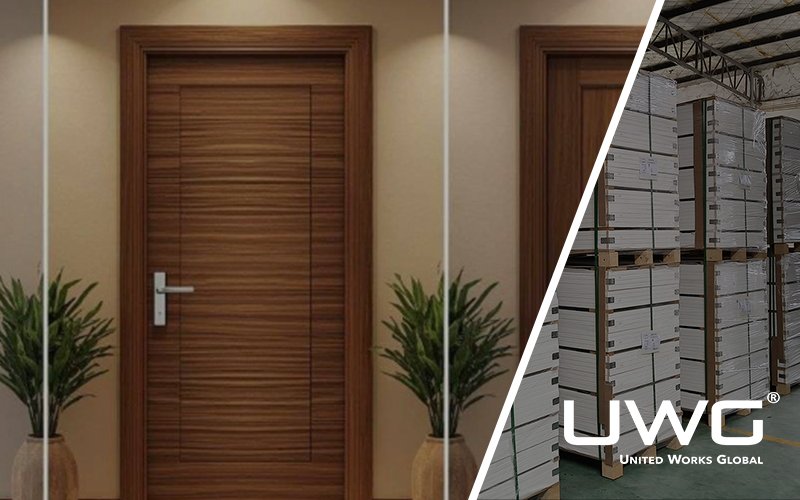
- Woodgrain or textured finish → premium pricing
Poor finishing can lead to peeling, especially in humid environments.
5. Design Complexity
Simple panel designs are cheaper to produce, while intricate designs require:
- More complex molds
- Higher press precision
- Additional finishing steps
6. Moisture Resistance and Environmental Standards
Higher-end molded doors often include:
- Moisture-resistant cores
- E0/E1 formaldehyde standards
- Better sealing edges
These features are crucial for kitchens, bathrooms, and humid climates.
Advantages vs Disadvantages
Advantages of Lower-Cost Molded Doors
- Lower upfront cost
- Suitable for large-scale budget projects
- Lightweight and easy to install
Disadvantages
- Lower durability
- Poor sound insulation
- Higher long-term maintenance cost
Advantages of Higher-Cost Molded Doors
- Better structural stability
- Improved acoustic performance
- Longer lifespan
Disadvantages
- Higher initial investment
Technical Considerations for Buyers
When evaluating molded doors, procurement teams should consider:
- Door thickness (typically 35–45 mm)
- Edge sealing quality
- Compatibility with hardware (hinges, locks)
- Fire rating requirements (if applicable)
Core Selection Logic (B2B Perspective)
From a procurement standpoint, the cheapest option is not always the most cost-effective. Based on project experience:
- Use hollow core doors only for low-traffic areas
- Choose semi-solid core for standard apartments
- Use solid core doors in high-end or noise-sensitive environments
For projects with strict timelines, consistency in manufacturing is often more valuable than marginal cost savings.
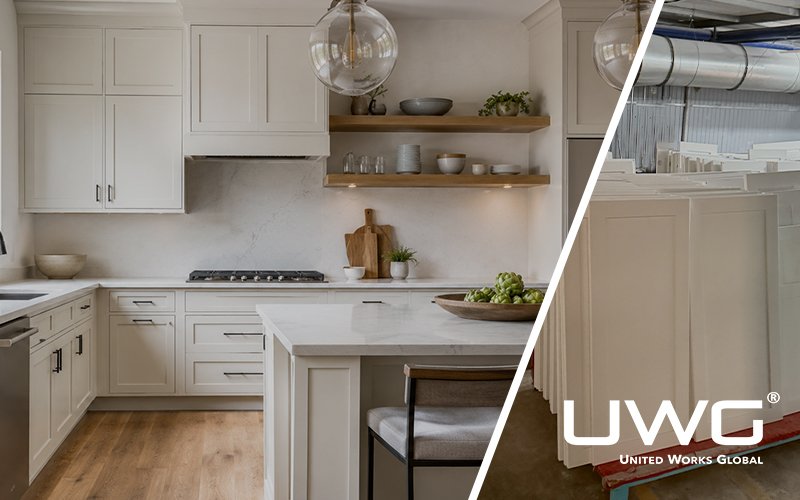
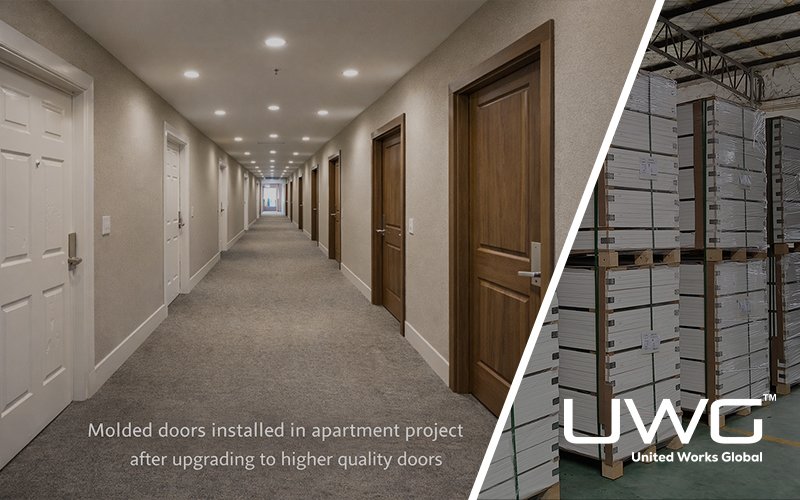
In a 300-unit residential project in Southeast Asia, a developer initially selected low-cost molded doors to stay within budget. After installation, issues such as surface dents and poor alignment emerged. The project team later switched to a mid-range supplier with better QC standards. Although the unit cost increased by 12%, defect rates dropped by over 40%, saving both time and rework costs.
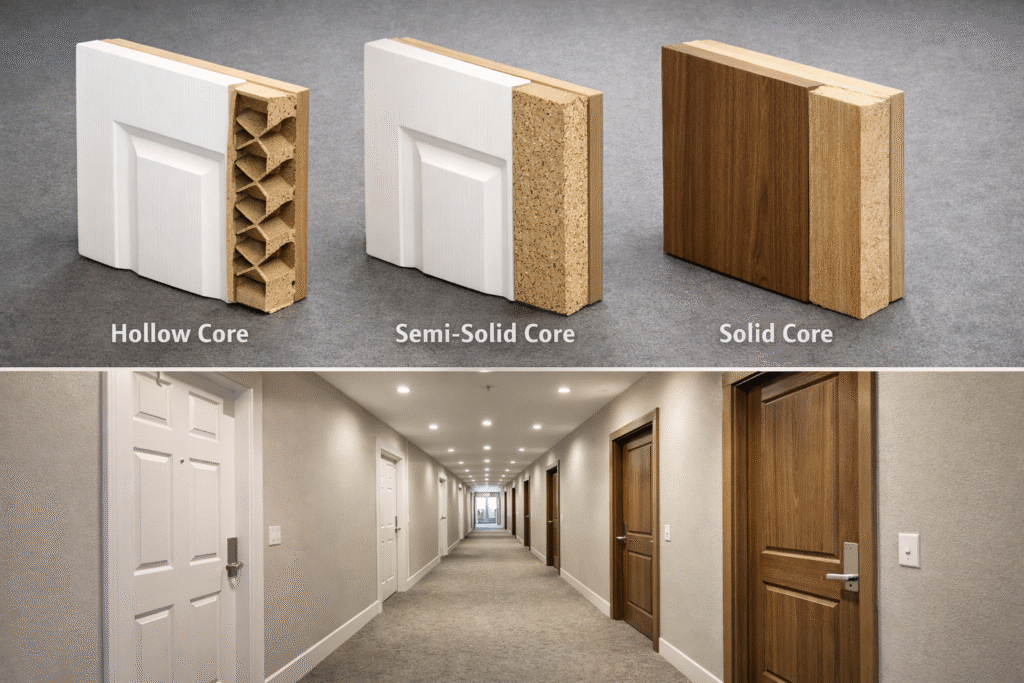
Photo 4 molded doors installed in apartment project interior corridor
Conclusion
The price differences in molded doors are not arbitrary—they reflect variations in materials, manufacturing quality, design complexity, and performance features. For B2B buyers, understanding these factors is essential to avoid hidden costs and ensure long-term project success. Rather than focusing solely on price, developers and contractors should evaluate molded doors based on lifecycle value, application needs, and supplier reliability.
Frequently Asked Questions About Molded Door Pricing
Q: Why are some molded interior doors so much cheaper than others?
A: The price difference in molded doors primarily comes down to what is inside them and how thick the exterior skin is. Cheaper molded doors typically use a lightweight, hollow honeycomb paper core and very thin MDF skins (2.5mm to 3mm). While these are highly cost-effective for budget projects, they offer little sound insulation and are more prone to dents and damage over time compared to more expensive, solid-core alternatives.
Q: Does the core material affect the price of a molded door?
A: Yes, significantly. The core material is the biggest driver of cost. Hollow-core molded doors are the most affordable. Upgrading to a semi-solid core or a tubular chipboard core increases the price but drastically improves soundproofing and durability. A full solid-core molded door is the most expensive option but provides the heavy, premium feel and longevity required for high-end residential and hotel projects.
Q: How does the surface finish affect the cost of molded doors?
A: Surface finishing plays a major role in the final price. The cheapest molded doors are sold merely “primed,” meaning the builder must spend time and labor painting them on-site. Doors that feature a multi-layer factory-painted finish, advanced moisture-resistant coatings, or realistic, textured woodgrain laminates will cost more upfront but offer better durability and save significant installation time.
Q: Is it worth paying more for a thicker molded door skin?
A: For most projects, yes. Cheaper doors use thin skins that can easily warp, dent, or cause the paint to peel in humid environments. Paying slightly more for a door with a thicker skin (3.5mm to 4mm or higher) provides much greater impact resistance, better paint adhesion, and a smoother, more premium appearance that reduces long-term maintenance claims.
Articles that you may be interested in:
What Is the Difference Between Shaker Doors and Imitation Shaker Molded Doors?
Molded vs Veneered Interior Doors (Also Known as Paint-Free Doors): Pros, Cons, and Applications