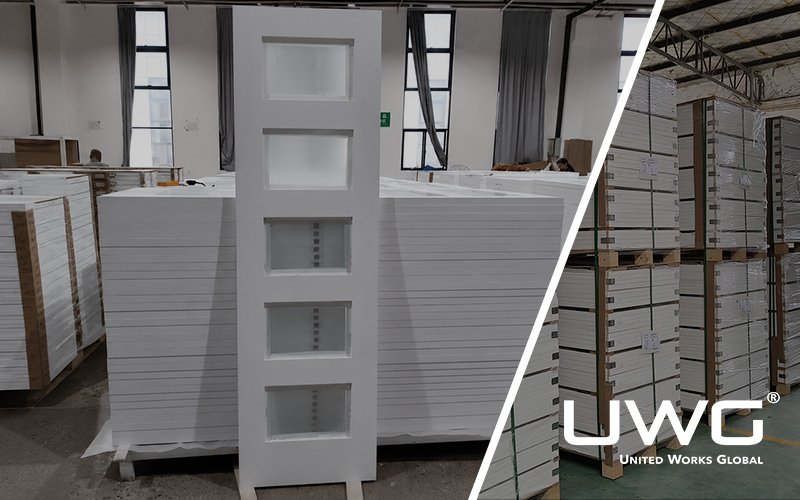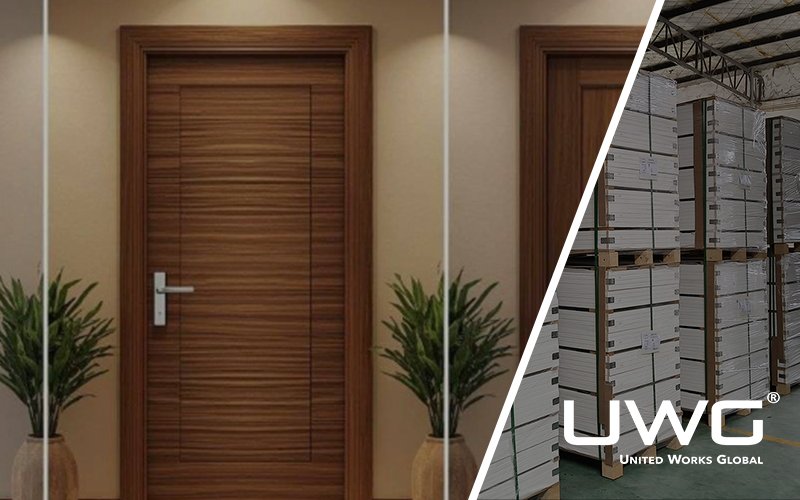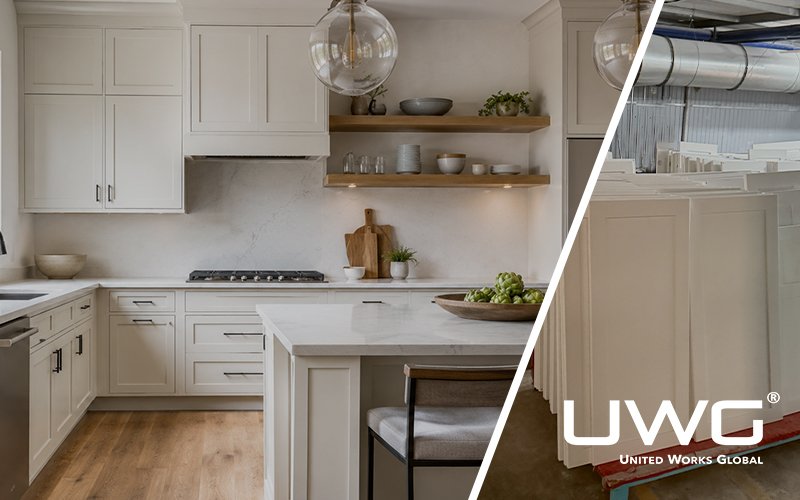


Shaker doors have become one of the most popular interior door styles in modern homes due to their clean lines, timeless appearance, and versatility. Whether used in contemporary apartments, farmhouse interiors, minimalist homes, or traditional residences, shaker-style doors offer a balanced combination of simplicity and elegance. However, many homeowners, builders, and designers struggle to choose between one-panel, two-panel, and three-panel shaker doors because each design creates a very different visual effect and functional experience.
The number of panels on a shaker door influences not only aesthetics but also the perceived height, width, openness, and style of a room. Some panel configurations are better suited for modern minimalist interiors, while others complement transitional or traditional architecture. Understanding these differences can help homeowners make better long-term design decisions that improve both functionality and property value.
Choosing between one-panel, two-panel, and three-panel shaker doors depends on your interior style, room size, architectural design, and functional needs. One-panel shaker doors create a clean, modern, and minimalist appearance ideal for contemporary homes and smaller spaces. Two-panel shaker doors provide a balanced transitional look that works well in both modern and traditional interiors. Three-panel shaker doors add depth, detail, and a more classic architectural feel, making them suitable for larger rooms and traditional or farmhouse-style homes. Factors such as ceiling height, lighting, room proportions, maintenance, and overall design consistency should all be considered when selecting the right shaker door style for residential projects.
What Is a Shaker Door?
A shaker door is characterized by its flat recessed center panel surrounded by simple square-edged frames. Originating from the Shaker furniture movement, the design emphasizes craftsmanship, functionality, and minimal ornamentation.
Today, shaker doors are available in multiple configurations, including:
- One-panel shaker doors
- Two-panel shaker doors
- Three-panel shaker doors
- Four-panel and multi-panel designs
Among them, one-panel, two-panel, and three-panel styles are the most commonly used in residential construction and remodeling projects.
One-Panel Shaker Doors
Design Characteristics
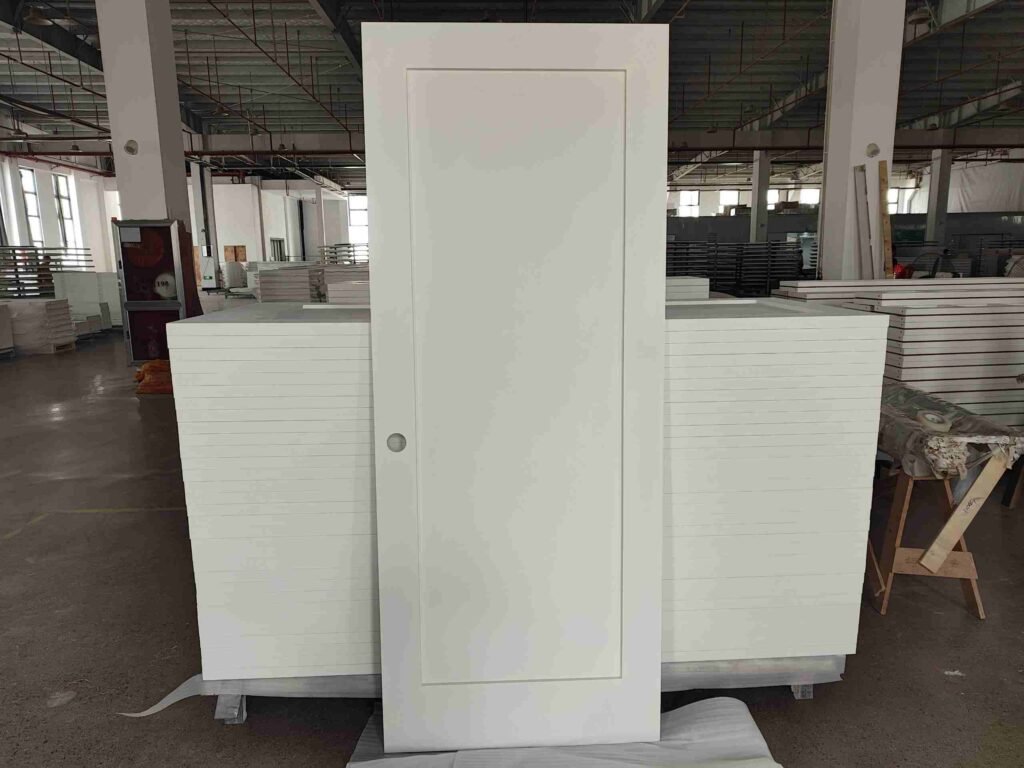
One-panel shaker doors feature a single large recessed center panel surrounded by a clean frame. The simplicity of the design creates a sleek and uninterrupted appearance.
Style Effect
One-panel doors are strongly associated with:
- Modern interiors
- Scandinavian design
- Minimalist homes
- Contemporary architecture
The large uninterrupted panel helps rooms feel cleaner and more spacious.
Space Impact
Because the design is visually simple, one-panel shaker doors can make small rooms appear larger and less crowded. They also work well with open-concept layouts where visual continuity is important.
Best Applications
- Modern apartments
- Luxury contemporary homes
- Offices
- Small bedrooms
- Minimalist interiors
Functional Advantages
- Easier to clean due to fewer grooves
- Minimal dust accumulation
- Modern appearance increases design flexibility
- Pairs well with concealed hinges and modern hardware
Potential Limitations
- May appear too plain for traditional interiors
- Large flat surfaces can show imperfections more easily
- Less decorative depth compared to multi-panel designs
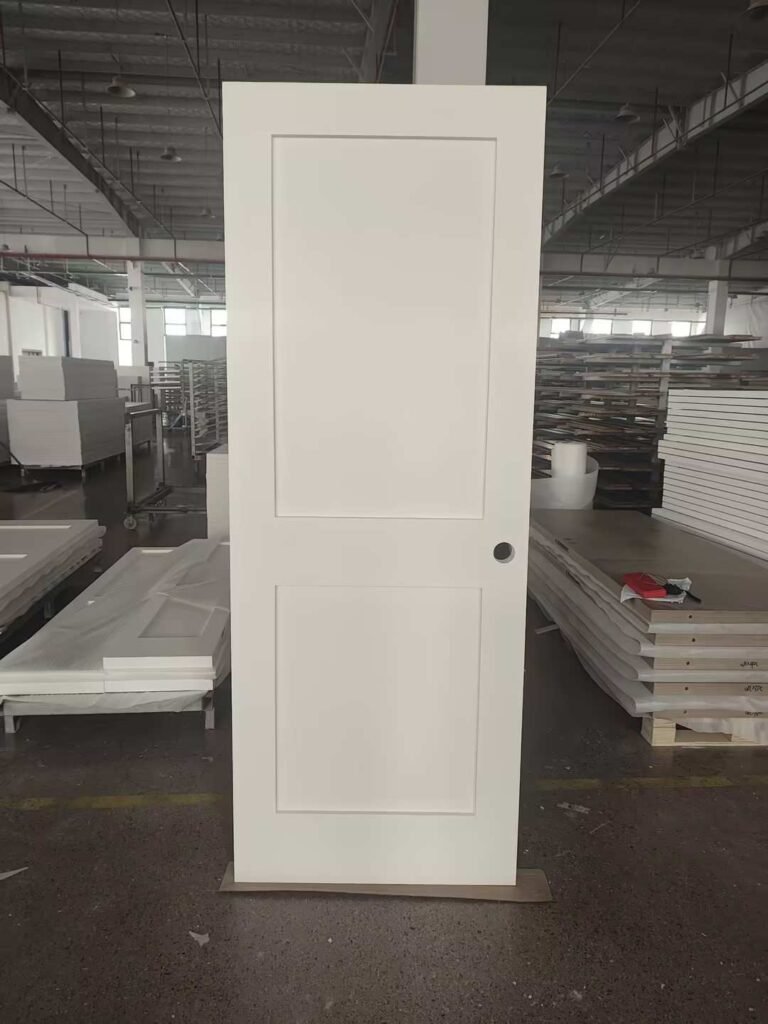
Two-Panel Shaker Doors
Design Characteristics
Two-panel shaker doors divide the door into two recessed sections, usually vertically aligned. This creates additional visual structure without becoming overly decorative.
Style Effect
Two-panel shaker doors are considered highly versatile because they bridge the gap between modern and traditional styles.
They work well in:
- Transitional homes
- Contemporary farmhouse interiors
- Suburban residential projects
- Mid-century inspired spaces
Space Impact
The vertical panel division can create the illusion of taller ceilings and more balanced room proportions.
Best Applications
- Master bedrooms
- Hallways
- Residential remodeling
- Townhouses
- Mixed-style interiors
Functional Advantages
- Balanced aesthetic appeal
- Suitable for a wide range of home styles
- More visual interest than one-panel doors
- Timeless appearance with long-term market appeal
Potential Limitations
- Slightly more detailed cleaning
- Less minimalist than one-panel designs
- May not provide enough decorative detail for highly traditional homes
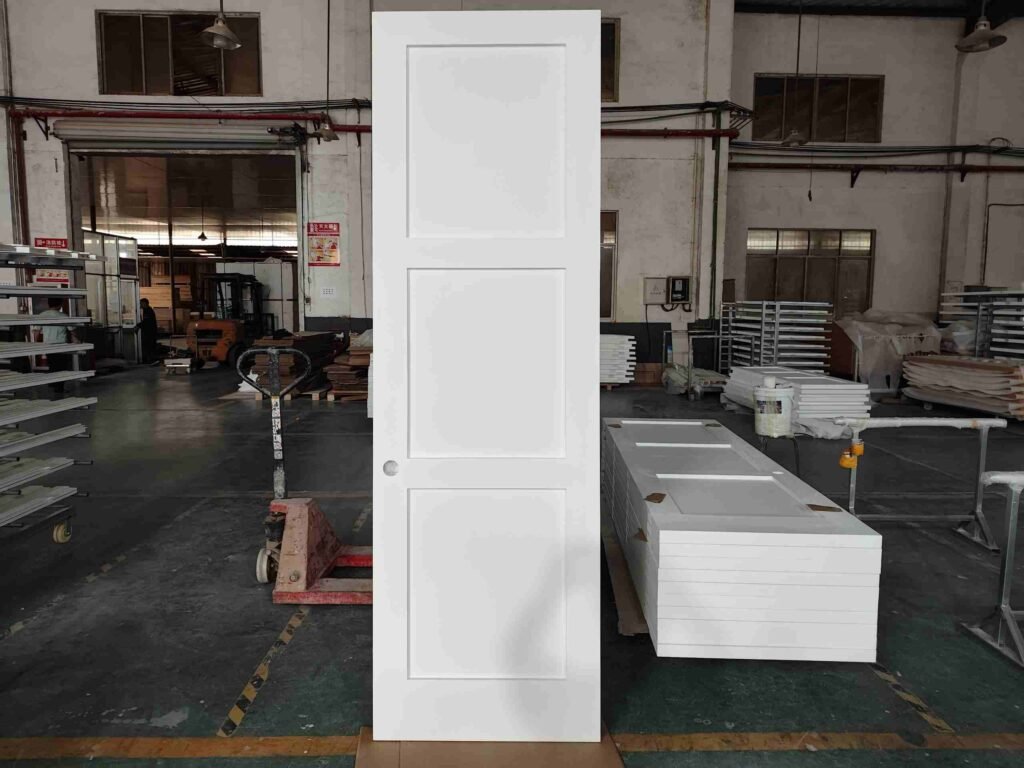
Three-Panel Shaker Doors
Design Characteristics
Three-panel shaker doors include three recessed sections that create a more structured and decorative appearance.
The additional paneling introduces greater architectural depth and texture.
Style Effect
Three-panel shaker doors are commonly associated with:
- Traditional homes
- Farmhouse interiors
- Craftsman-style architecture
- Colonial-inspired designs
They create a warmer and more detailed visual impression.
Space Impact
Three-panel designs add visual weight and can make large rooms feel more grounded and substantial.
Best Applications
- Large homes
- Luxury residences
- Farmhouse projects
- Traditional interiors
- Statement entry areas
Functional Advantages
- Strong architectural presence
- Rich visual detail
- Complements classic trim and molding
- Creates premium traditional aesthetics
Potential Limitations
- Can make small rooms feel visually busier
- More grooves require additional cleaning
- Less suitable for ultra-modern interiors
One-Panel vs Two-Panel vs Three-Panel Shaker Doors
| Feature | One-Panel Shaker Door | Two-Panel Shaker Door | Three-Panel Shaker Door |
|---|---|---|---|
| Design Style | Modern & Minimalist | Transitional | Traditional & Farmhouse |
| Visual Complexity | Low | Medium | High |
| Best For | Contemporary homes | Mixed-style homes | Traditional homes |
| Space Effect | Makes rooms feel larger | Balanced proportions | Adds architectural depth |
| Maintenance | Easiest | Moderate | Highest |
| Decorative Impact | Simple | Balanced | Strong |
| Ceiling Illusion | Neutral | Enhances height | Adds structure |
| Ideal Room Size | Small to medium | Medium | Medium to large |
| Hardware Compatibility | Modern hardware | Versatile | Traditional hardware |
| Market Appeal | Modern buyers | Broadest appeal | Traditional buyers |
How Door Panel Design Affects Interior Style
Modern Interiors
Modern homes usually benefit from one-panel shaker doors because the clean surfaces support minimalist design principles. Neutral colors such as white, black, gray, or natural oak further enhance the contemporary appearance.
Transitional Interiors
Two-panel shaker doors are ideal for transitional spaces because they balance simplicity and detail. They can easily coordinate with both modern furniture and traditional architectural elements.
Traditional and Farmhouse Interiors
Three-panel shaker doors create the layered visual depth often desired in farmhouse and traditional homes. When combined with crown molding, decorative trim, and textured finishes, they strengthen the classic aesthetic.
Functional Considerations Beyond Style
Room Size
Smaller rooms generally benefit from simpler door styles because fewer visual divisions create a more open feeling.
Larger rooms can support more decorative door designs without appearing crowded.
Lighting Conditions
Rooms with limited natural light often look better with one-panel or two-panel shaker doors because cleaner lines reflect light more evenly.
Maintenance Requirements
Homeowners seeking low-maintenance interiors may prefer one-panel shaker doors due to easier cleaning and fewer recessed sections.
Long-Term Design Flexibility
Two-panel shaker doors are often considered the safest long-term investment because they remain compatible with evolving interior trends.
Choosing the Right Shaker Door for Your Project
Choose One-Panel Shaker Doors If:
- You prefer minimalist interiors
- Your home has modern architecture
- You want a clean and spacious appearance
- You prefer low-maintenance surfaces
Choose Two-Panel Shaker Doors If:
- You want balanced visual appeal
- Your home mixes modern and traditional elements
- You want timeless resale value
- You need versatile design compatibility
Choose Three-Panel Shaker Doors If:
- Your home has traditional architecture
- You want stronger decorative character
- You have larger rooms with taller ceilings
- You prefer farmhouse or craftsman aesthetics
Frequently Asked Questions About Shaker Door Panel Configurations
Q: How does the number of panels on a Shaker door affect its structural resistance to warping?
A: Increasing the number of panels introduces more horizontal rails and vertical stiles to the door’s construction, which creates additional structural flex points to distribute grain stress and resist warping.
Q: What is the primary visual difference between 1-panel, 2-panel, and 3-panel Shaker door designs?
A: A 1-panel door features a single, large recessed surface for a minimalist aesthetic; a 2-panel door utilizes a central rail to create a balanced, symmetrical look; and a 3-panel door incorporates multiple rails to achieve a traditional or Craftsman-style appearance.
Q: Which Shaker panel configuration is most suitable for different interior design styles?
A: 1-panel doors are ideal for modern or minimalist interiors due to their clean, uninterrupted surface, while 2-panel doors provide a balanced, transitional look suitable for many architectural styles, and 3-panel doors are best for traditional or Craftsman-inspired designs.
Q: Why might a builder prefer one panel configuration over another regarding maintenance?
A: Panel configuration affects cleaning requirements because doors with more panels have a higher number of horizontal ledges that can accumulate dust over time compared to the simple, flat surface of a 1-panel door.
Conclusion
One-panel, two-panel, and three-panel shaker doors each serve different architectural and functional purposes. While one-panel designs emphasize simplicity and modern minimalism, two-panel doors offer versatile transitional appeal, and three-panel doors provide richer architectural detail for traditional interiors.
The best choice ultimately depends on your home’s overall design language, room proportions, maintenance expectations, and long-term style goals. By carefully considering both aesthetics and functionality, homeowners and builders can select shaker doors that enhance the visual harmony, usability, and long-term value of their spaces.
Articles that you may be interested in:
Wholesale Primed White Shaker Doors: Pricing & Buying Guide
Bulk Primed White Shaker Doors: How Contractors Save Time and Money