Managing flooring for multi-family projects is challenging. High tenant turnover, moisture issues, and maintenance costs can quickly add up. Choosing the wrong material leads to frequent replacements. SPC flooring is often promoted as a solution—but is it really the best choice?
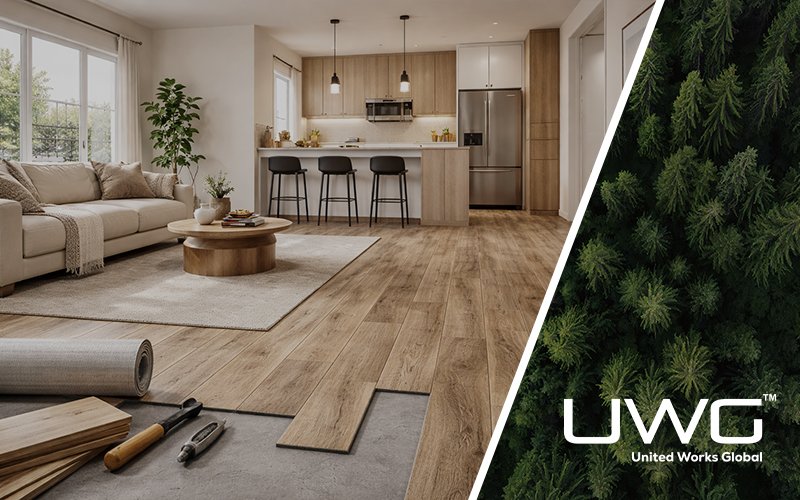
SPC flooring is a strong choice for multi-family projects because it is 100% waterproof, highly durable, and resistant to dents and heavy traffic. Its rigid core structure makes it more stable than traditional LVT, reducing maintenance and replacement costs over time. For builders and wholesalers, SPC offers a cost-effective flooring solution with long-term performance, especially in apartments, kitchens, and high-use areas.
To understand whether SPC truly fits your project, let’s break down its performance, costs, and how it compares to other flooring options.
What Makes SPC Flooring Ideal for Multi-Family Projects?
From my experience working with large-scale housing developments, the biggest concerns are durability, maintenance cycles, and installation efficiency. SPC flooring addresses all three.
First, SPC flooring is built with a stone-plastic composite core, making it extremely rigid and resistant to dents. This is critical in multi-family environments where furniture movement and tenant turnover are frequent.
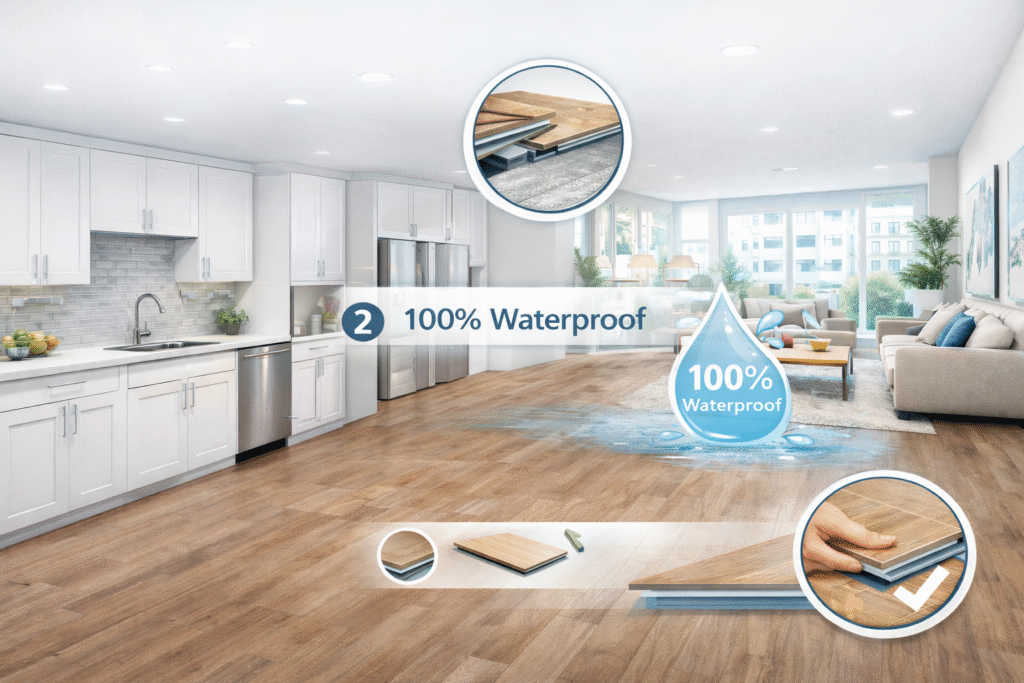
Second, it is 100% waterproof, which makes it ideal for kitchens, bathrooms, and even ground-floor units prone to moisture. According to industry data, water resistance significantly reduces long-term repair costs.
Finally, SPC flooring offers click-lock installation systems, allowing faster project completion—an important factor for builders managing tight timelines.
SPC Flooring Pros and Cons for Builders and Wholesalers
Like any material, SPC flooring has strengths and limitations. Understanding both is essential for making informed decisions.
Advantages:
- Exceptional durability (dent and impact resistant)
- Waterproof performance for wet areas
- Low maintenance requirements
- Easy and fast installation
- Cost-effective over lifecycle
Limitations:
- Harder underfoot compared to LVT
- Less sound absorption without underlayment
- Limited warmth compared to wood flooring
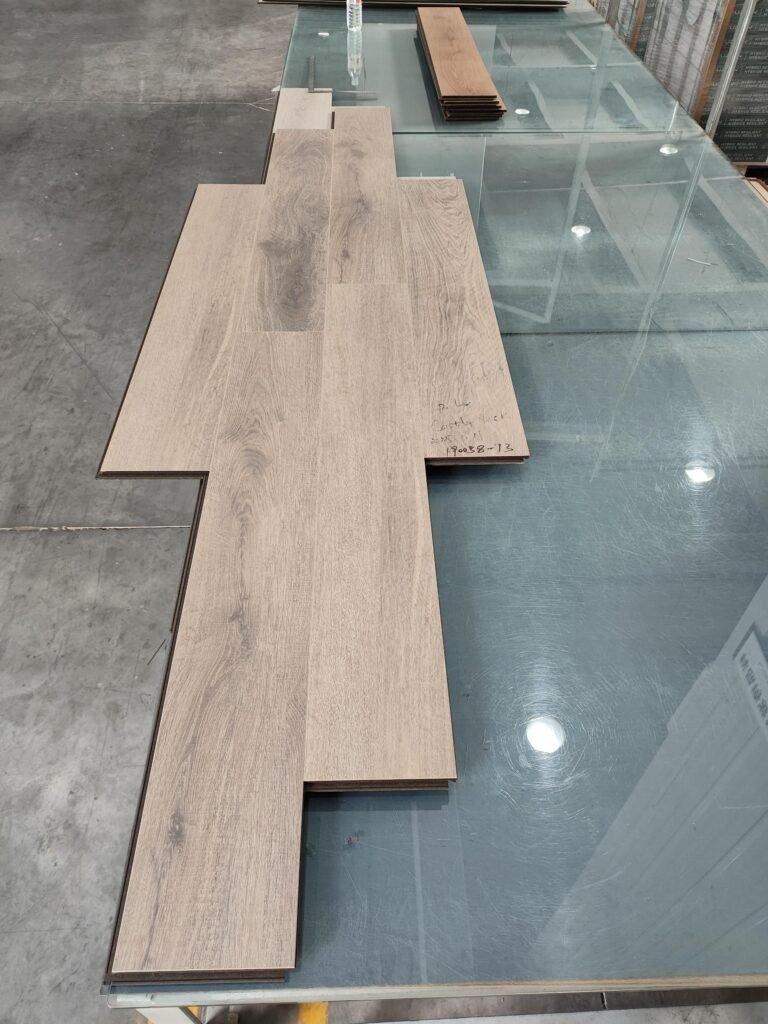
For wholesalers, these pros often outweigh the cons, especially when targeting rental housing and commercial projects.
Which Is Better, SPC or LVT Flooring for Apartments?
This is one of the most common questions in the market: SPC vs LVP flooring—what’s better?
- SPC flooring is better for high-traffic, high-impact environments due to its rigid core and dent resistance.
- LVT flooring offers a softer, quieter feel, making it more suitable for bedrooms or low-traffic areas.
In multi-family projects, I’ve seen developers increasingly choose SPC for common areas, kitchens, and living spaces, while occasionally combining it with LVT in bedrooms for comfort.
SPC vs LVP vs WPC: What’s the Difference?
Understanding the differences between these materials is critical for making the right investment decision.
| Feature | SPC Flooring | LVP/LVT Flooring | WPC Flooring |
| Core Structure | Stone-plastic composite | Flexible vinyl | Wood-plastic composite |
| Durability | ⭐⭐⭐⭐⭐ (Very high) | ⭐⭐⭐ (Moderate) | ⭐⭐⭐⭐ (High) |
| Waterproof | 100% waterproof | 100% waterproof | 100% waterproof |
| Comfort | Hard | Soft | Softer |
| Stability | Excellent | Moderate | Good |
| Best Use Case | Commercial, apartments | Residential comfort areas | Mid-range residential |
From a professional standpoint, SPC stands out as the most durable and stable option, particularly for large-scale developments.
How Does SPC Flooring Perform in High-Traffic Rental Units?
In real-world applications, flooring performance is tested by tenants—not specifications.
SPC flooring performs exceptionally well in:
- Hallways and shared spaces
- Living rooms with heavy furniture
- Units with frequent tenant turnover
Property managers often report lower replacement frequency compared to traditional vinyl or laminate. This directly impacts ROI, making SPC a preferred option for long-term asset management.
SPC Flooring vs Tiles: Which Is More Cost-Effective?
Tiles have traditionally been used in multi-family projects, but SPC is rapidly gaining ground.
Key Differences:
- Installation: SPC is faster and cheaper to install
- Maintenance: Tiles require grout maintenance; SPC does not
- Replacement: SPC planks are easier to replace individually
While tiles may offer higher perceived luxury, SPC flooring delivers better cost efficiency over time, especially in large-scale developments.
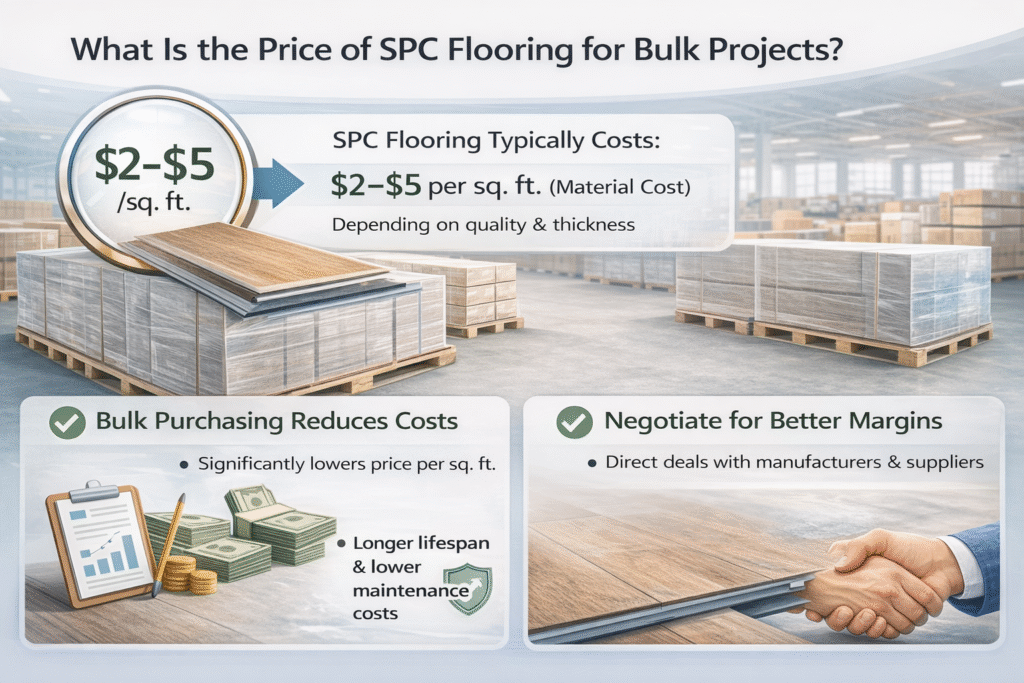
What Is the Price of SPC Flooring for Bulk Projects?
SPC flooring typically ranges from:
- $2–$5 per square foot (material cost) depending on quality and thickness
Bulk purchasing significantly reduces cost. Compared to SPC vs LVP price, SPC may have a slightly higher upfront cost, but its longer lifespan and lower maintenance costs often result in better overall value.
For large projects, negotiating directly with manufacturers or suppliers can further improve margins.
Where to Buy SPC Flooring for Large-Scale Projects?
When sourcing SPC flooring, consider:
- Certifications (ISO, FloorScore, CE)
- Warranty terms
- Production capacity
- Logistics and delivery timelines
Reliable suppliers ensure consistent quality, which is critical for maintaining project standards across multiple units.
Frequently Asked Questions About SPC Flooring
Q: What is SPC flooring and why is it good for apartments?
A: SPC stands for Stone-Plastic Composite. It is a rigid-core luxury vinyl flooring that combines limestone powder and stabilizers to create an incredibly durable core. It is highly recommended for multi-family apartments and rental units because it is 100% waterproof, highly resistant to heavy impact and furniture dents, and easy to clean, which drastically reduces replacement costs during tenant turnovers.
Q: What is the main difference between SPC and LVP flooring?
A: The main difference lies in the core structure. LVP (Luxury Vinyl Plank) or LVT has a flexible, softer core, which makes it feel slightly warmer and softer underfoot but more susceptible to denting. SPC has a rigid stone-plastic core, making it much harder, vastly more dent-resistant, and more stable under extreme temperature changes. SPC is better for high-traffic commercial or rental spaces, while LVP is often preferred for quiet residential bedrooms.
Q: Is SPC flooring completely waterproof?
A: Yes, SPC flooring is 100% waterproof. Its rigid stone-plastic core will not absorb water, swell, or warp when exposed to moisture. This makes it an ideal, cost-effective alternative to tile for wet areas in apartments, such as kitchens, bathrooms, laundry rooms, and basement-level units.
Q: Is SPC flooring more expensive than traditional tiles?
A: In terms of total installed cost, SPC is much more cost-effective than traditional ceramic or porcelain tiles. While the raw material price might be comparable, SPC features a click-lock installation system that allows for rapid, floating-floor installation without the need for expensive thinset, grout, or specialized tile-setting labor. It is also much easier and cheaper to replace a single damaged SPC plank than a cracked tile.
Summary
SPC flooring offers durability, water resistance, and cost efficiency, making it a strong option for multi-family projects. For builders and wholesalers, it balances performance and price, especially in high-traffic environments.
Articles that you may be interested in:
Noise-Reducing Flooring Solutions for Multifamily Projects (2026 Guide)