
Builders and procurement teams often focus on door finishes, lead times, and pricing during purchasing. However, overlooking door hardware compatibility can create expensive problems later. A small mismatch in lock dimensions, hinge positions, or hardware specifications may lead to installation delays, rework, or even project compliance issues.
Door hardware compatibility should always be verified before finalizing the purchase order because hardware dimensions, machining requirements, and installation standards directly affect door production accuracy and on-site installation efficiency. Early coordination helps builders avoid costly rework, project delays, hardware replacement, and construction change orders while ensuring the doors function properly and meet safety requirements.
Even experienced construction teams sometimes underestimate how closely doors and hardware must work together. In commercial projects especially, a minor specification mistake can affect hundreds of openings across a building.
What Builders Often Overlook Before Approving a Door Hardware PO
In many projects, doors and hardware are sourced from different suppliers. This creates coordination risks if specifications are not confirmed early.
Builders commonly focus on:
- Door material
- Finish color
- Quantity
- Delivery schedule
But important technical details are sometimes missed, including:
- Lock body dimensions
- Backset size
- Door thickness compatibility
- Hinge positioning
- Fire-rated hardware requirements
- Mortise preparation dimensions
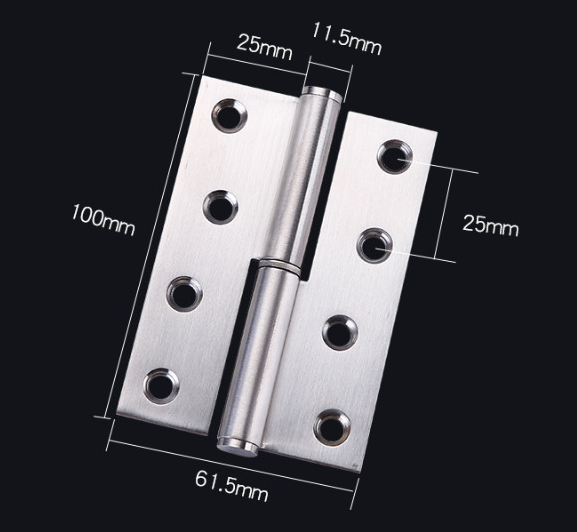
These details directly affect door machining requirements during production.
For example, if the lock body size changes after manufacturing begins, the existing door cutout may no longer fit the hardware correctly. This can result in factory rework or site modifications that increase labor costs and delay installation schedules.
How Hardware Dimensions Affect Door Machining Accuracy
Commercial door hardware compatibility is not only about appearance. It is mainly about machining precision.
Most commercial doors are pre-machined in the factory according to approved hardware schedules. The machining process includes:
- Lock cutouts
- Hinge routing
- Cylinder hole drilling
- Handle preparation
- Strike plate positioning
Even small dimensional differences can create installation issues later.
For example:
| Hardware Component | Common Compatibility Risk |
|---|---|
| Mortise Lock | Incorrect lock body depth |
| Hinges | Wrong hinge spacing |
| Pull Handles | Misaligned drilling dimensions |
| Panic Devices | Incompatible door width |
| Closers | Reinforcement position mismatch |
If specifications are unclear before production, suppliers may manufacture doors based on assumptions. Once doors arrive on-site, installers may discover that the hardware does not fit correctly.
This often leads to:
- Additional drilling
- Surface damage
- Alignment problems
- Door performance issues
- Delayed inspections
For commercial builders, these issues can affect the entire installation sequence.
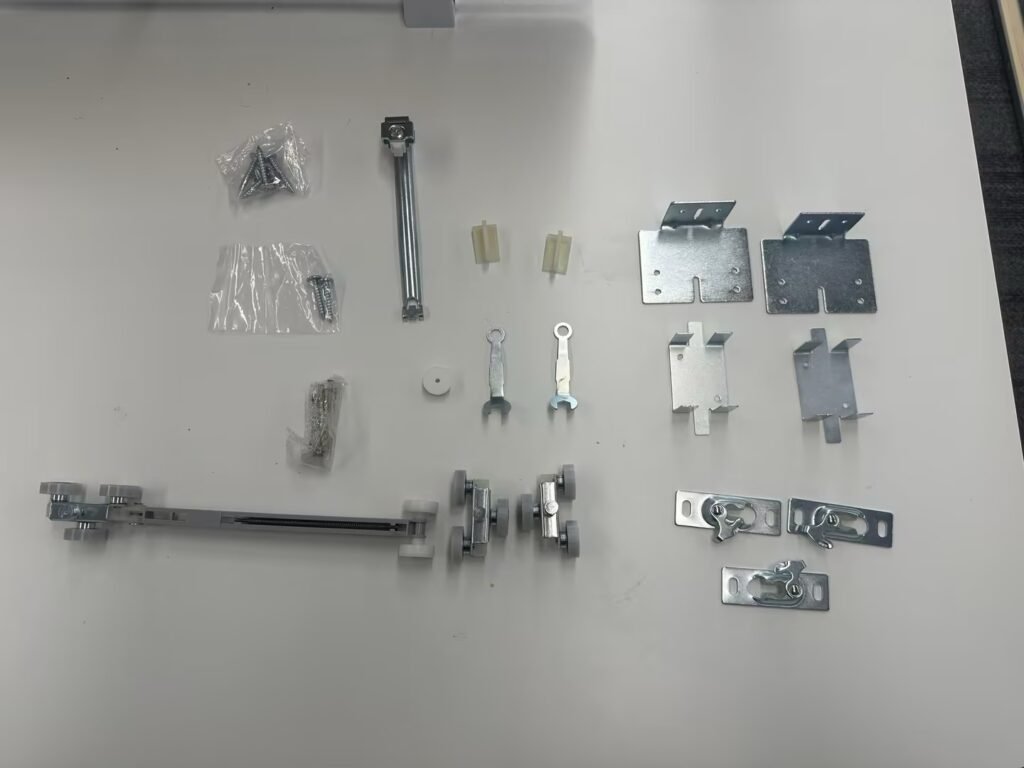
Common Compatibility Problems Between Doors and Hardware
Several door hardware installation issues appear repeatedly in construction projects.
Mismatched Lock Specifications
One of the most common problems is incorrect lockset compatibility. Different lock brands often require different preparation sizes.
A lock body that is only a few millimeters larger can require completely different machining.
Incorrect Door Thickness
Some hardware models are designed only for specific door thicknesses. If the hardware and door specifications are not coordinated, installation may become impossible without modification.
Fire-Rated Compliance Issues
Fire-rated door hardware must meet strict certification requirements. Substituting hardware later may invalidate compliance approvals.
Builders should always confirm:
- Fire labels
- Hardware certifications
- Approved hardware combinations
before production begins.
Regional Standard Differences
European and North American hardware standards may use different dimensions and drilling patterns.
This becomes especially important in international procurement projects.
Why Late Hardware Changes Create Expensive Construction Delays
Late-stage hardware revisions are one of the biggest causes of construction change orders related to doors.
Once manufacturing starts, changes become expensive because:
- CNC machining programs must be revised
- Reinforcement locations may change
- Production schedules may be interrupted
- Replacement hardware may require new templates
In large commercial projects, even one incompatible hardware specification can affect multiple floors or units.
According to industry project management reports, rework and coordination errors can significantly increase labor costs and extend installation timelines. Early hardware coordination helps reduce these avoidable risks.
Many experienced builders now require complete door hardware specifications before approving production drawings.
Standard vs Customized Hardware Requirements
Builders should also understand the difference between standard and customized hardware coordination.
| Item | Standard Hardware | Customized Hardware |
|---|---|---|
| Lead Time | Shorter | Longer |
| Compatibility Risk | Lower | Higher |
| Machining Complexity | Standardized | Project-specific |
| Replacement Availability | Easier | Limited |
| Approval Process | Faster | More coordination required |
Customized hardware solutions often provide better aesthetics or project branding, but they usually require more detailed technical confirmation before production.
Key Specifications Builders Should Confirm Before Production Starts
Before finalizing the PO, procurement teams should verify the following information with suppliers:
- Door thickness
- Lock body dimensions
- Backset size
- Hinge quantity and spacing
- Fire-rating requirements
- Door handing
- Handle drilling dimensions
- Closer reinforcement locations
- Panic hardware compatibility
- Regional hardware standards
Many professional suppliers provide hardware schedules or shop drawings for approval before production. Builders should carefully review these documents instead of approving them only based on appearance.
A complete coordination review can prevent major installation problems later.
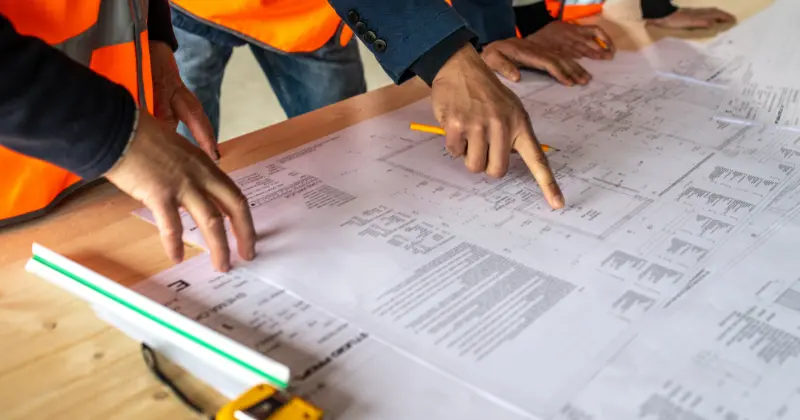
How Early Coordination Improves Installation Efficiency
When door hardware specifications are confirmed early, the entire project becomes more efficient.
Benefits include:
- Faster manufacturing
- More accurate door machining
- Fewer installation adjustments
- Reduced site labor
- Lower rework costs
- Better inspection outcomes
Early coordination also improves communication between:
- Builders
- Architects
- Hardware suppliers
- Door manufacturers
- Installation teams
This is especially important for commercial building door hardware projects where installation schedules are tightly connected to other trades.
Frequently Asked Questions About Door Hardware Compatibility
Q: What technical hardware specifications are most commonly overlooked before signing a door PO?
A: Procurement teams often finalize orders focusing solely on door quantities and finishes while overlooking critical machining dimensions. The most frequently missed details include the precise mortise preparation dimensions (lock body depth and height), the backset size, exact door thickness compatibility, hinge spacing, and reinforcement locations for door closers or panic hardware.
Q: How do minor hardware dimensional errors affect factory pre-machining accuracy?
A: Modern commercial doors are pre-machined in the factory using automated CNC programs based on the approved hardware schedule. Even a error of two millimeters in a mortise lock body or strike plate cutout will render the factory-prepared door completely incompatible with the on-site hardware. This results in slow, messy on-site modifications that destroy the factory finish and drastically inflate field labor costs.
Q: What are the compliance risks of altering door hardware specifications later in a project?
A: In commercial construction, fire-rated door systems require compatible, certified combinations of door slabs, frames, hinges, and latching mechanisms. If you substitute a lockset or hinge system after the door PO is finalized without validating fire-label compliance, you risk invalidating the entire assembly’s fire rating, leading to failed building inspections and severe change-order penalties.
Q: How does M4B assist builders in eliminating door and hardware compatibility risks?
A: M4B utilizes an integrated engineering review process before any production drawings are approved. By requiring a full hardware catalog and cross-checking templates directly with our factory’s CNC technical team, M4B ensures that all lock preps, hinge routings, and cylinder holes are drilled to exact sub-millimeter tolerances, providing a seamless, drop-in installation on-site.
Summary
Door hardware coordination should never be treated as a minor purchasing detail. For builders, verifying compatibility before finalizing the PO helps prevent machining errors, installation delays, costly change orders, and compliance risks. Early specification confirmation leads to smoother production, faster installation, and better overall project performance.
Articles that you may be interested in:
Complete Door Hardware Guide: Handles, Locks, Hinges, and Accessories
How to Choose Door Hardware for High-Traffic Units in North America