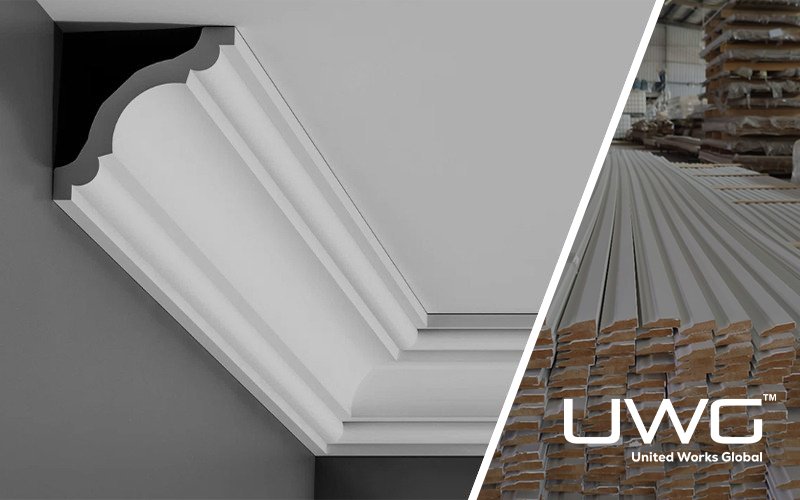
Crown moulding is more than just a decorative detail—it can completely transform the look and feel of a room. Choosing the right moulding size is essential to achieve a balanced and harmonious interior. Pick the wrong size, and your room may feel cramped, disproportionate, or unfinished. Choose correctly, and your ceilings, walls, and overall space will look polished and elegant.
But how do you determine the right size for your ceiling height? Let’s explore the factors that can help you make the best choice.
Finding the right moulding isn’t just about aesthetics. It influences how spacious or cramped a room feels.
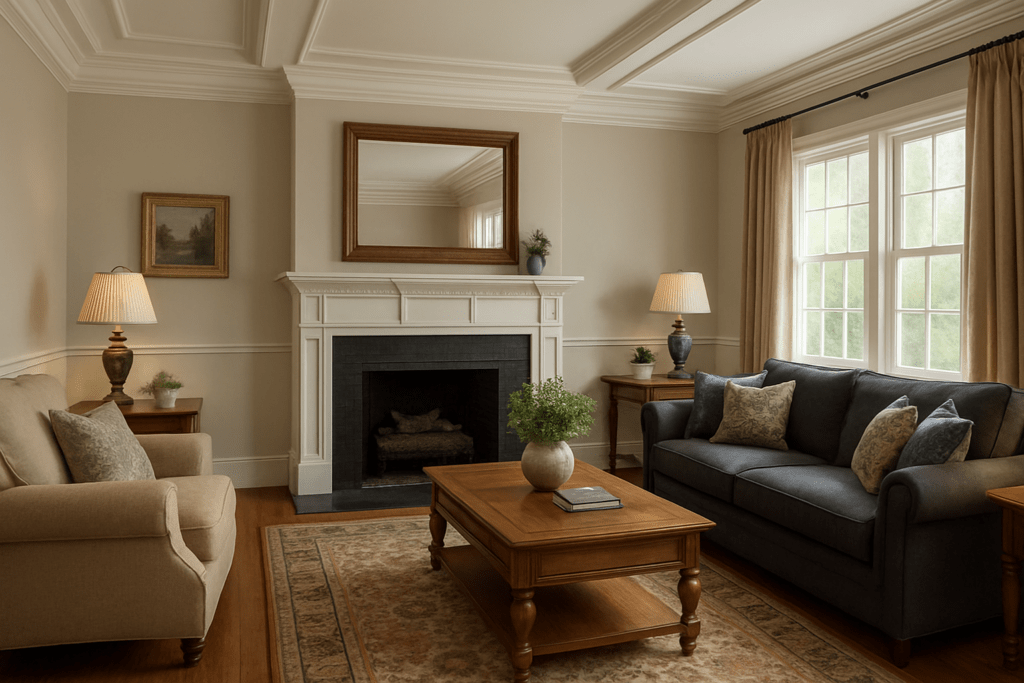
Understanding Ceiling Heights
Ceiling height is the foundation of your trim choices. Standard ceilings in most homes range from 8 to 10 feet, but custom homes and luxury builds may have heights beyond that.
- 7 to 8 feet(Low Ceilings): These require a careful approach. Use moulding that doesn’t crowd the wall—think narrow trim or pieces that project outward onto the ceiling.
- 8 to 9 feet(Standard/Medium Ceilings): A versatile height. You can introduce moderate crown profiles without overwhelming the room.
- 10+ feet(High Ceilings): You have creative freedom here. Larger, layered mouldings, even coffered ceiling designs, look great in tall spaces.
Pro Tip: Always measure the actual height of the ceiling—not just what’s in the blueprint—before selecting your moulding.
General Guidelines for Crown Moulding Size
To make your trim feel proportionate, follow general size recommendations based on ceiling height:
| Ceiling Height | Recommended Moulding Size |
|---|---|
| Under 8 feet | 2½″ to 4″ crown moulding |
| 8 feet | 3″ to 5¾″ crown moulding |
| 9-10 feet | 4¼″ to 7″ crown moulding |
| 10+ feet | 7″ and above (or stacked) |
Popular choices include:
- 3 1/4″ crown molding dimensions for standard homes
- 4 5/8″ crown molding dimensions for formal dining or entryways
- 5 1/4″ crown molding dimensions for dramatic living spaces
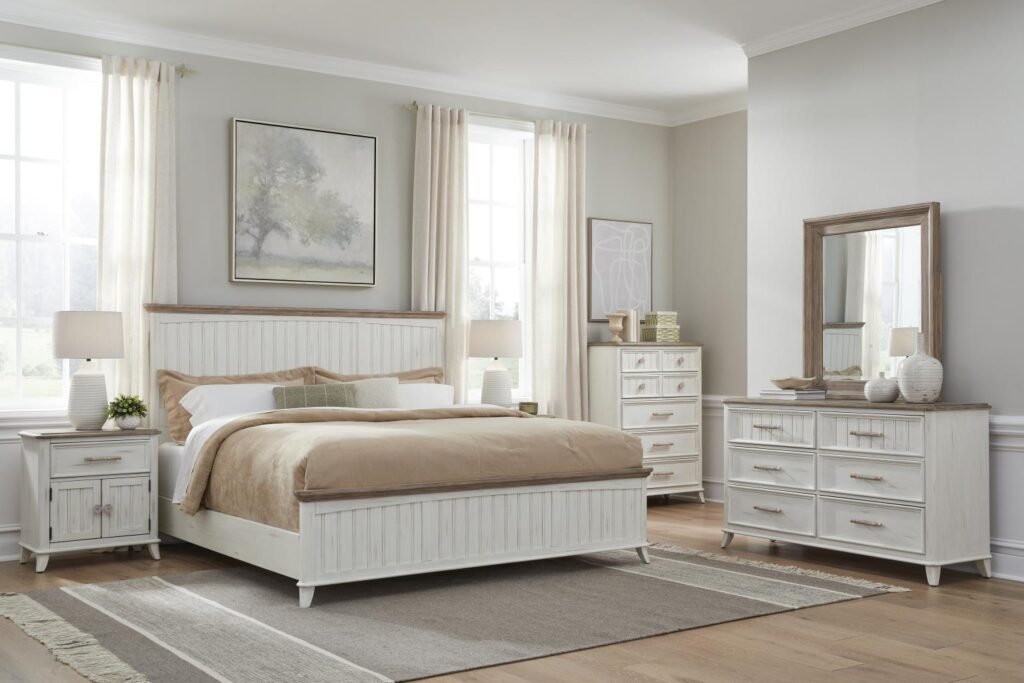
Consider the Style of the Room
Trim is as much about design as it is about dimensions. Your room’s style can guide moulding selection even more than ceiling height.
- Traditional Spaces: Go bold. More intricate, wider mouldings add elegance and detail.
- Modern Interiors: Simple, narrow lines keep the design sleek and unobtrusive.
- Luxury / High-End Spaces: Large, decorative mouldings complement high ceilings and create a grand impression.
- Transitional Designs: A balanced approach with medium-width moulding often works best.
Color and finish matter too. White moulding on light ceilings creates openness, while dark moulding adds drama but can lower the perceived ceiling height.
Also think about continuity. Even though moulding size for 8-foot ceiling might differ from that for 9-foot ceiling, you’ll want the transitions between rooms to feel intentional and smooth.
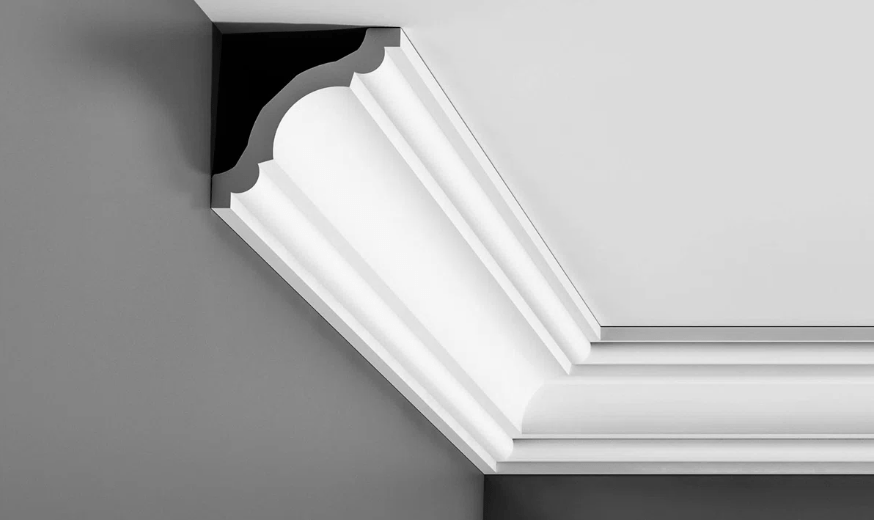
Custom vs Standard Crown Moulding
Should you stick to what’s on the shelf or go custom? Here’s how to decide:
Standard Crown Moulding
- Budget-friendly and readily available
- Comes in common sizes like 3 1/4″ or 5 1/4″ crown
- Easier to install and replace
Custom Crown Moulding
- Ideal for high-end or historic homes
- Tailored to exact ceiling height, profile, and detail level
- Higher cost, but stronger visual impact
For developers or builders working in volume, standard sizes keep costs predictable. But in upscale projects with high ceilings, custom moulding helps make a statement.
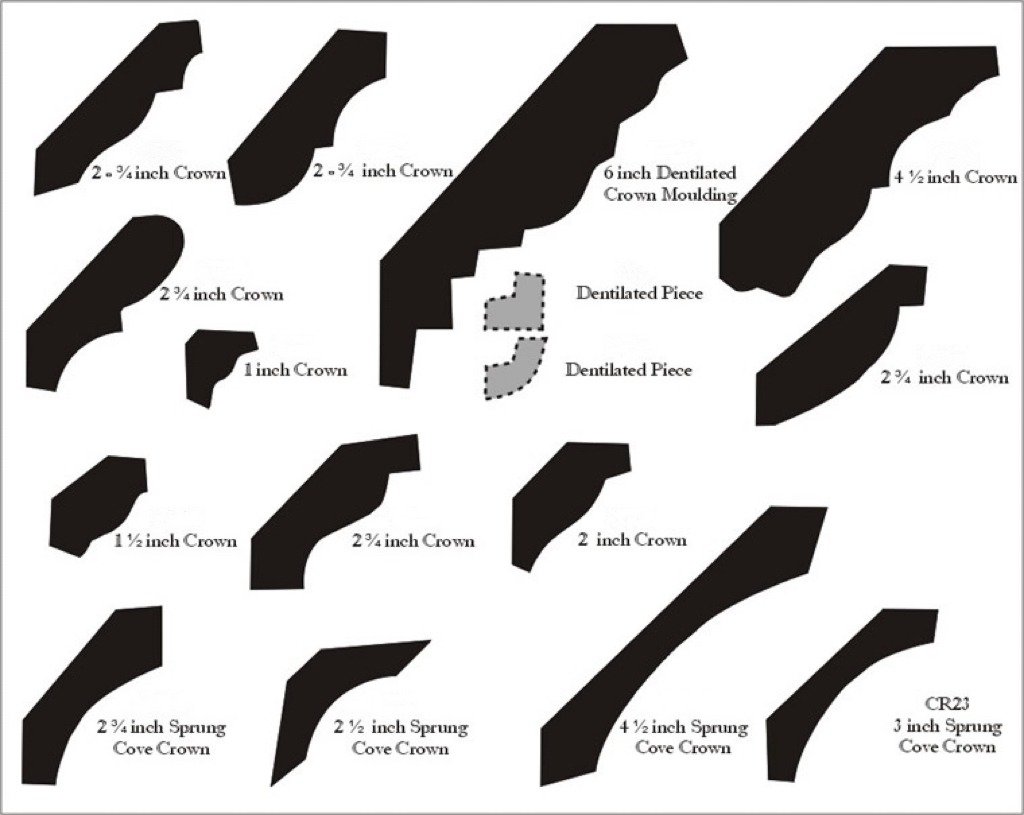
Tips for Visual Balance
Use Visual References: Photos, drawings, or 3D software can help you visualize how different moulding sizes look in your space.
Follow a Simple Rule: Higher ceilings → wider moulding, lower ceilings → narrower moulding.
Frequently Asked Questions About Crown Moulding Sizes
Q: What is the crown moulding size for 8 foot ceiling?
A: For standard 8-foot ceilings, crown mouldings measuring between 3 and 5¾ inches are highly recommended. This is the most common size range for typical homes, ensuring balanced proportions without making the room feel top-heavy.
Q: What is the crown moulding size for 10 foot ceiling?
A: For tall ceilings of 10 feet or more, you should use large mouldings of 7 inches and above. Layered or stacked moulding designs are also ideal in these spaces to add visual depth, anchor the room, and create a grand, proportional appearance.
Q: Can I use large crown moulding on a low ceiling?
A: It is generally not recommended. For ceilings under 8 feet, you should use narrow mouldings ranging from 2½ to 4 inches. Using large, heavy mouldings on a low ceiling will draw the eye down and make the room feel cramped and disproportionate.
Q: How does room style affect the choice of crown moulding?
A: Room style is just as important as ceiling height. Traditional and luxury interiors work perfectly with wider, more intricate mouldings that add elegance. In contrast, modern or transitional designs favor clean, simple lines and narrower profiles to keep the aesthetic sleek and unobtrusive.
Summary
Choosing the right moulding size is key to enhancing both the aesthetic and functionality of your space. Ceiling height, room style, wall height, and decor all play a role in making the perfect selection. Matching moulding to ceiling height is more than guesswork—it’s design science. Keep proportion, style, and ceiling measurements in mind. Whether you’re choosing a 3 1/4″ trim for a cozy room or a 7″ crown for a luxury space, size makes a statement.
At our own moulding factory, we don’t just provide common American-style trims—we also accept custom designs tailored to your project. From standard profiles to unique creations, we can help you achieve the perfect look for any ceiling height.
If you’re interested in exploring options or need guidance for your space, feel free to contact us directly or leave a comment below—we’d be happy to help you design the ideal trim solution.