
Prehung doors promise faster installs and fewer variables—but are they really worth the added cost? For builders managing schedules and wholesalers assessing inventory strategy, understanding when prehung systems outperform slab alternatives is essential. So, what’s the true value behind a prehung door system?
Prehung doors are ideal when speed, alignment, and labor efficiency matter. Delivered as complete assemblies—frame, hinges, door, and stops—they simplify installation and reduce on-site errors. Though pricier upfront than slabs, they cut labor costs and ensure code-compliant alignment, especially in multi-unit or spec builds. Their value increases when timeline, precision, or standardization is critical.
Let’s compare prehung and slab systems across performance, cost, and suitability—so you can decide what fits your next build or supply line strategy best.
What Exactly Is a Prehung Door—and What’s Included?
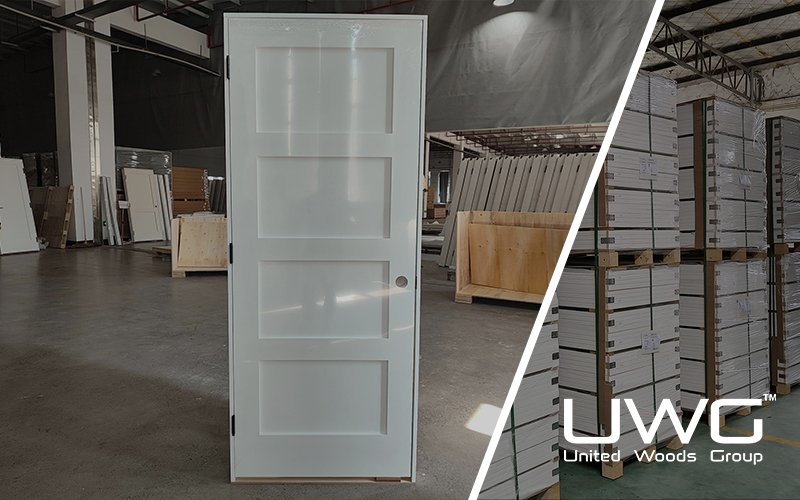
A prehung door is a factory-assembled unit comprising a door slab, frame, hinges, stops, and often a pre-cut strike plate location—delivered ready for immediate installation. This configuration eliminates multiple on-site alignment steps, reducing labor variability across job sites.
For commercial-scale builders and wholesale distributors, prehung systems provide:
- Factory-controlled squareness and reveals — ensuring consistent margins and code-compliant clearances
- Simplified labor deployment — installers do not require advanced carpentry skills for hinge mortising or frame setting
- Reduced SKU complexity — fewer loose components to manage, improving packaging, transport, and inventory logistics
- Standardized rough opening interface — enables predictable fit for repetitive framing modules across multi-unit or tract housing
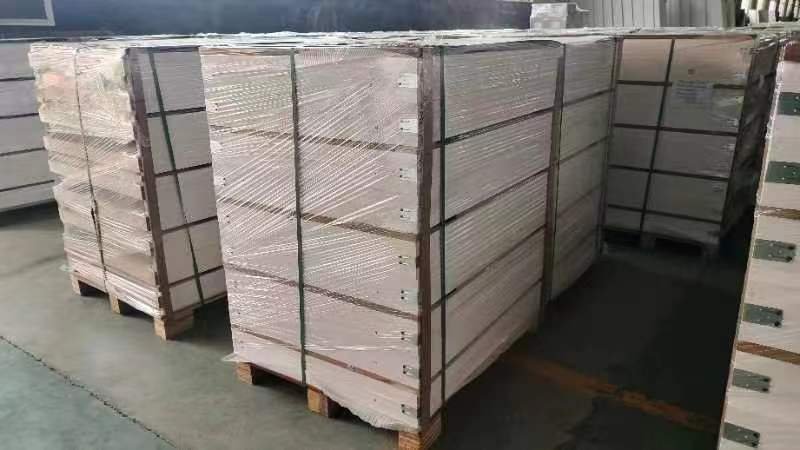
Prehung doors are typically shipped palletized, with frame shims and anchoring points integrated, allowing for quick installation with minimal adjustment.
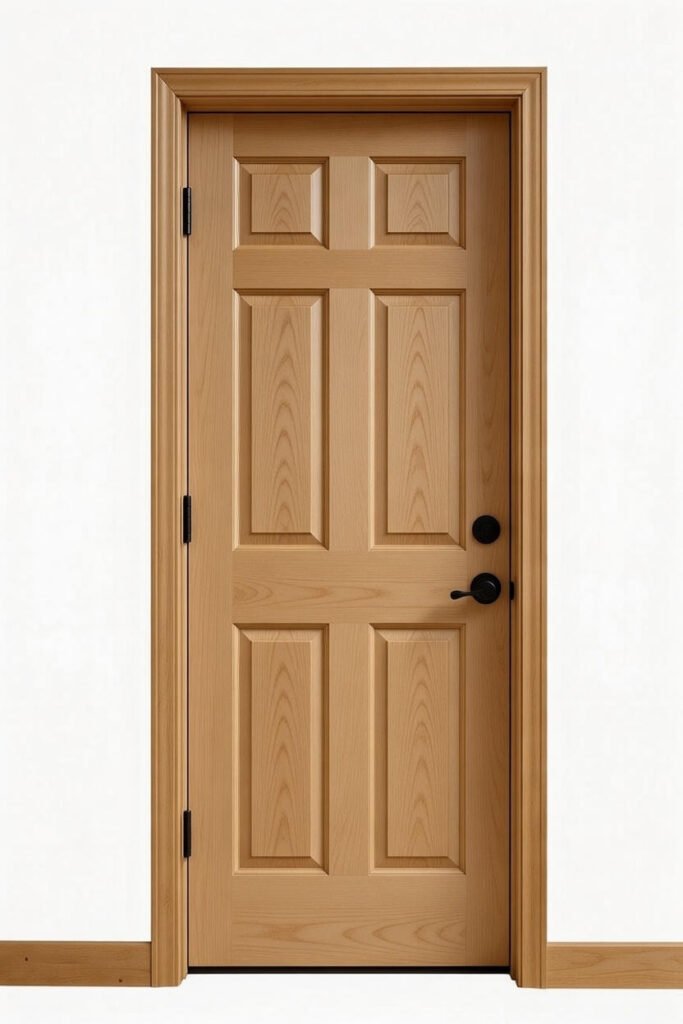
Is a Prehung Door Worth It?
For project managers, site supervisors, and distributors supplying large-scale builds, prehung doors offer measurable installation efficiency, unit-to-unit consistency, and reduced install skill dependency—all of which translate into lower total project cost.
✅ Strategic Benefits:
- 30–40% reduction in install labor hours — as verified across multi-unit and tract housing benchmarks
- Consistent swing alignment and plumb margins — minimizing punch-out adjustments and warranty callbacks
- Accelerated project sequencing — allows doors to be set late-stage with minimal on-site finishing
- Lower field error rate — factory pre-alignment reduces hinge misrouting and uneven reveals
- Easier subtrade delegation — allows general installers to complete door sets without skilled carpentry labor
📊 According to a 2024 NAHB construction report, over 72% of U.S. tract homebuilders select prehung doors for interior applications due to faster install cycles and fewer service claims.
⚠️ Operational Considerations:
- Limited flexibility for legacy retrofit applications where frame dimensions or casing styles vary
- Upfront unit cost is 15–25% higher than slabs—but may be offset by reduced labor scope
- Transport and storage require care to prevent warping or frame racking, especially with MDF-based units
In fast-track construction environments, prehung systems deliver strategic value—not merely convenience.
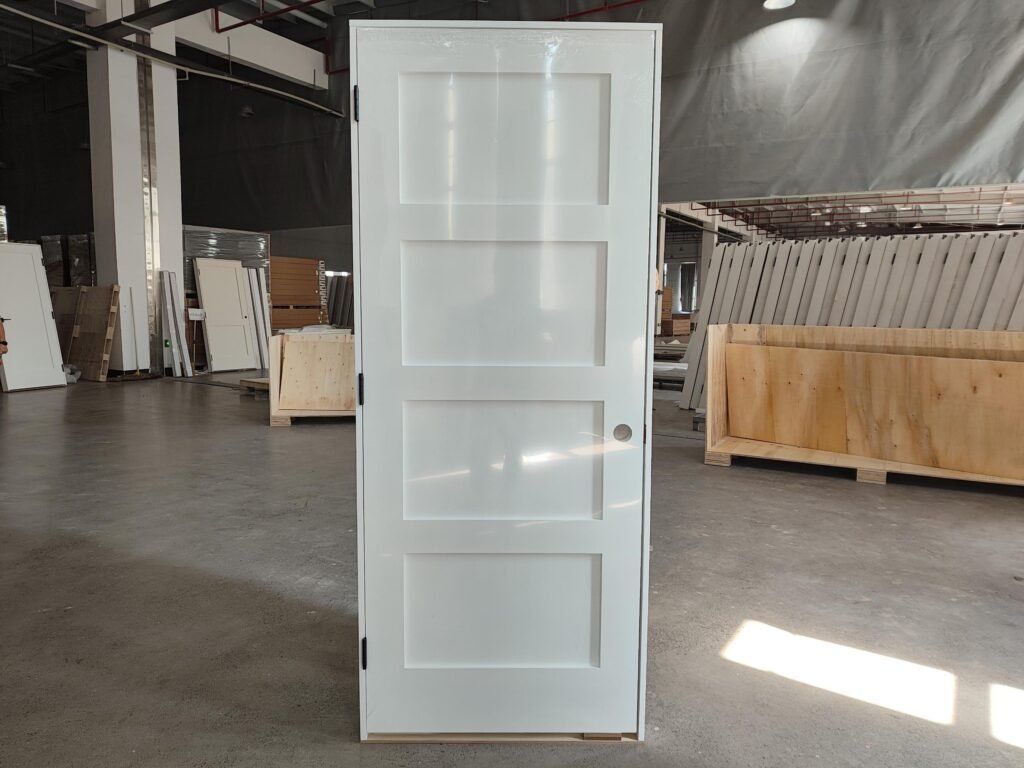
Do Builders Actually Use Prehung Doors in New Construction?
Absolutely. Prehung doors have become a standard specification in high-volume new construction and value-engineered remodeling, where speed, scheduling certainty, and installation repeatability are critical.
Prehung doors are frequently used in:
- Single-family tract housing
- Townhome and attached product developments
- Multi-unit residential (apartments, duplexes, low-rise condos)
- Spec homes and fast-turnover investment builds
Framing crews typically coordinate rough openings with standard prehung sizes (e.g., 2/6 x 6/8 swing), allowing framers to complete header work without awaiting door selection—streamlining trades coordination and eliminating late-stage variability.
Why it works:
- Reduces reliance on high-skill finish carpentry — allows deployment of general installers or subcontractors
- Ensures ADA and fire-code clearance compliance across units without manual adjustments
- Streamlines punch-out and inspection due to consistent margins and swing performance
- Supports tight production timelines by enabling just-in-time delivery and minimal field labor interruption
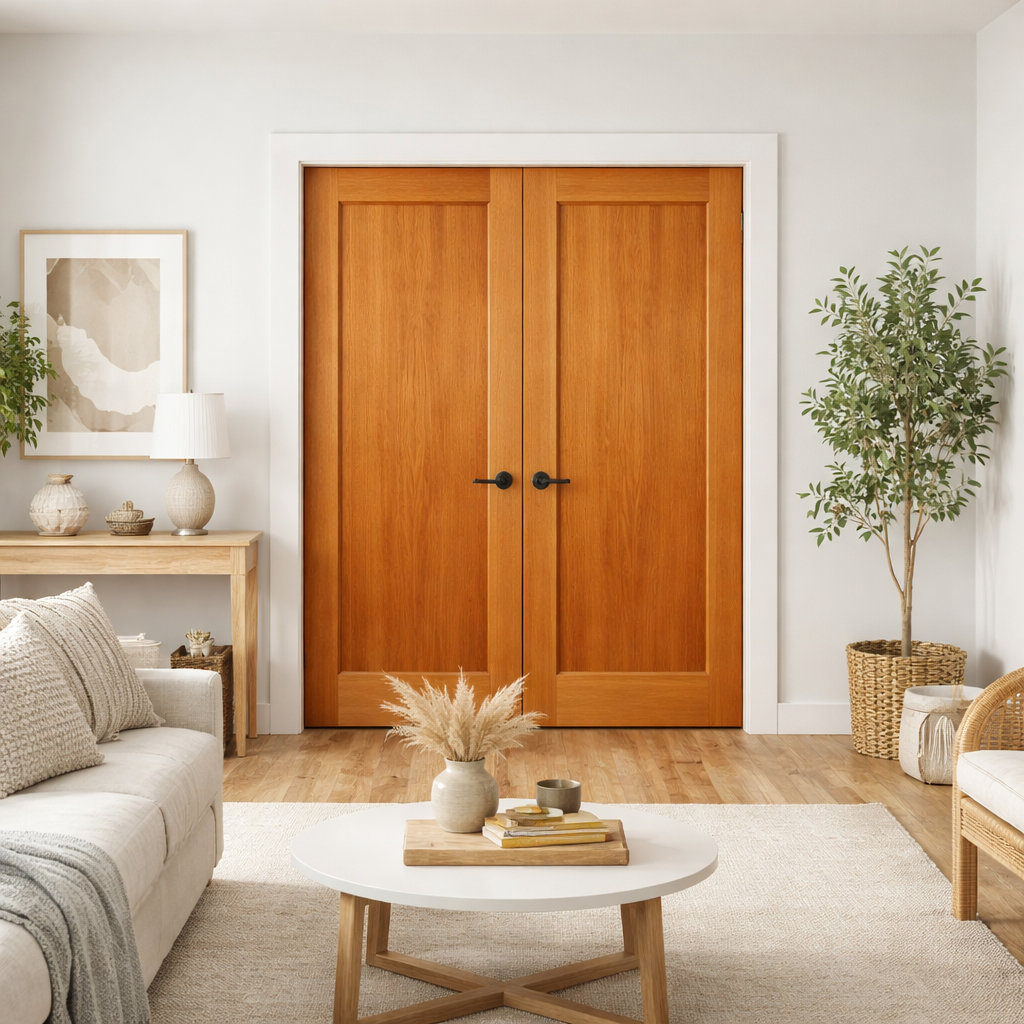
Prehung vs Slab: What’s the Real Cost Difference?
While slab doors appear more economical upfront, prehung systems typically offer superior value over the full project lifecycle, especially in schedule-driven or SKU-optimized projects.
| Category | Prehung | Slab |
|---|---|---|
| Material Cost | 15–25% higher unit cost | Lower per-panel cost |
| Labor Efficiency | Lower install time per door | Higher due to on-site routing and shimming |
| Tools Needed | Nail gun, level only | Router, mortise jig, chisel, shims |
| Rework Risk | Low — factory-set, consistent margins | High — misaligned hinges, warped reveals common |
| Customization | Limited (standardized SKUs) | High flexibility for unique casing or historic trims |
| Total Installed Cost | Often lower in volume builds | Higher due to skilled labor requirements |
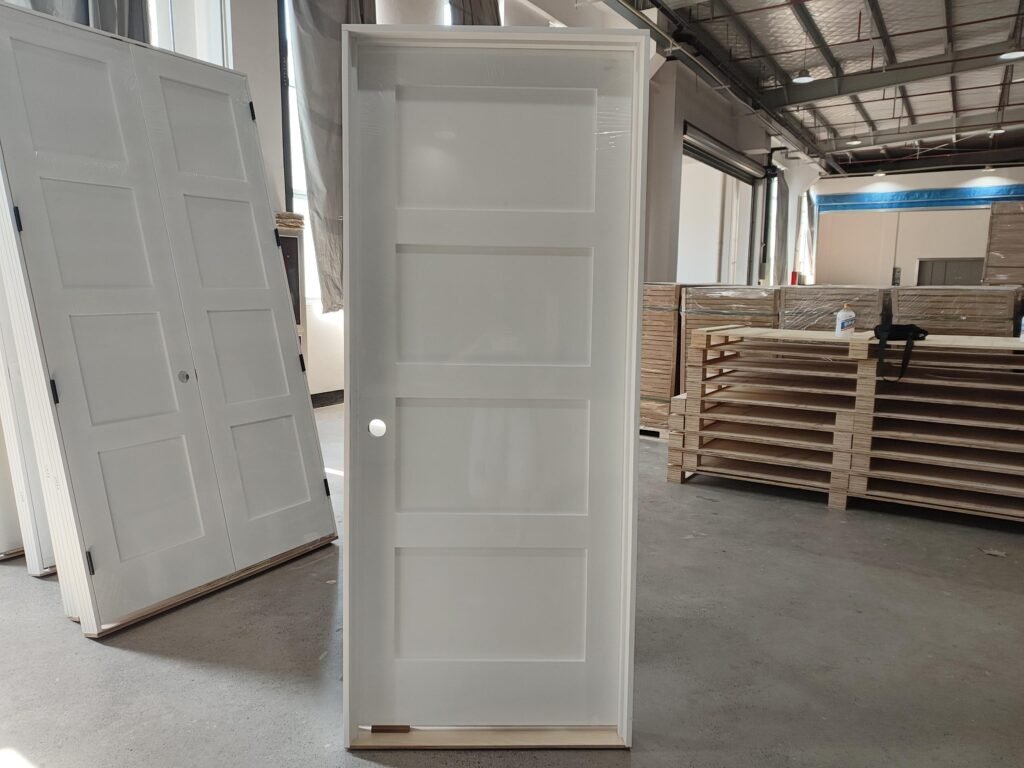
When Should You Still Choose a Slab Door Instead?
Despite their efficiency, prehung doors aren’t suitable for all scenarios. Slab doors remain the preferred solution in custom and design-specific applications, where architectural precision or legacy conditions require maximum flexibility.
Slab systems are ideal for:
- Historic renovations and infill remodels requiring preservation of original frames
- Custom trim or high-profile casing packages incompatible with factory-set frames
- Irregular rough openings or non-standard jamb depths
- Architectural doors with veneer-matched panels or proprietary hardware (e.g., mortise locks, flush pulls)
Slab doors allow precise field fitting and support complex hardware templates without factory constraints—making them essential for high-end residential, boutique commercial, or heritage rehabilitation projects.
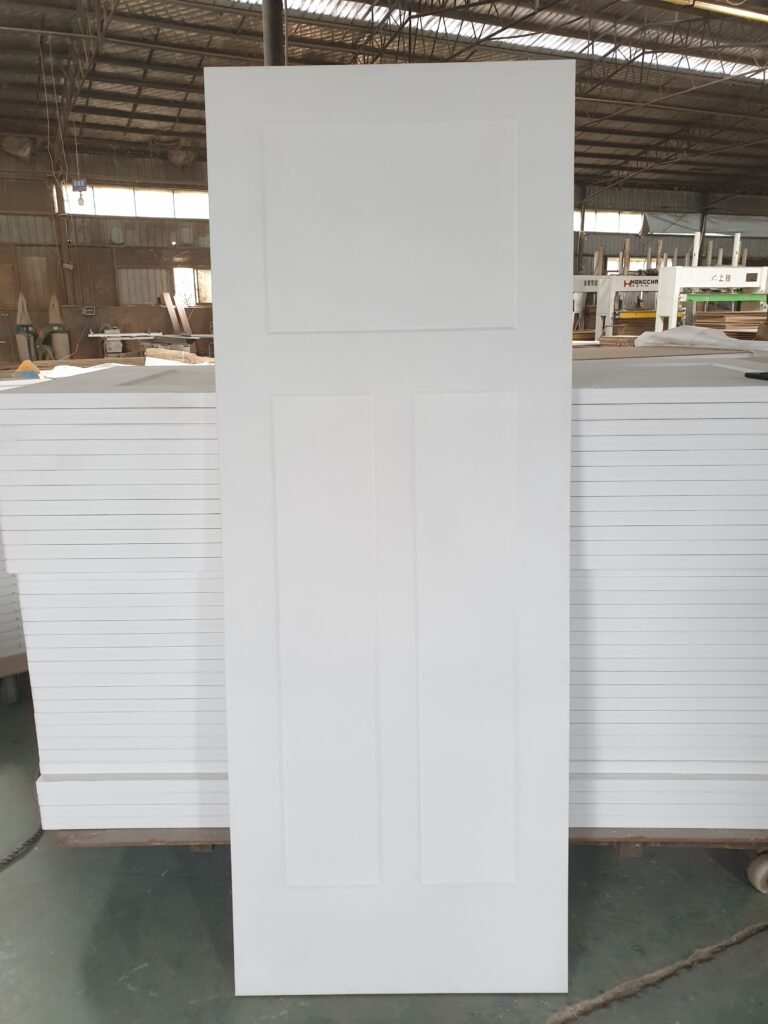
Do Prehung Doors Come with Sill Pans and Cutouts?
Prehung doors provide many installation advantages, but not all units are plug-and-play—especially when it comes to cutouts and sill components.
Know what to expect:
- Exterior prehung units: typically include factory-installed sills, thresholds, and weatherstripping
- Interior prehung units: usually exclude sill pans and may omit boreholes for locksets or strike plates
- Hinge spacing is not fully standardized across brands — verify measurements when ordering hardware separately
📌 Builders and wholesalers should always confirm product specifications—handing, swing, fire rating, jamb depth—prior to jobsite delivery to avoid costly change orders.
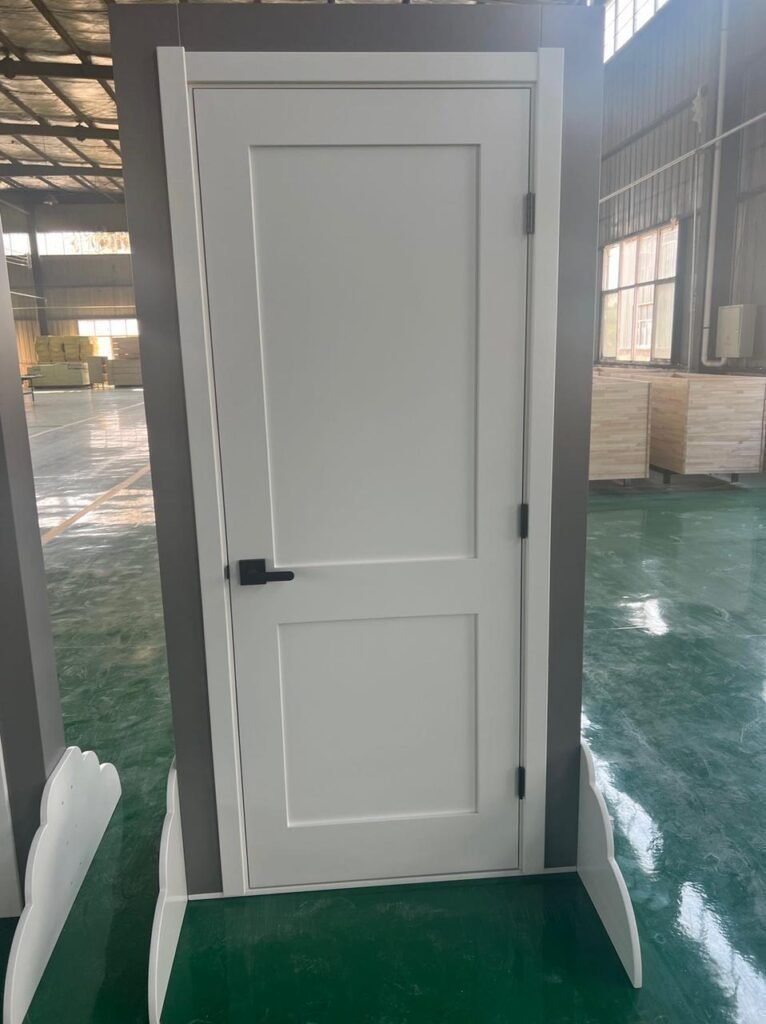
Should I Buy Prehung or Slab for Multi-Unit or Commercial Projects?
In time-sensitive or multi-phase commercial projects, prehung doors consistently outperform slabs in terms of install speed, quality control, and field labor efficiency.
Why Prehung is Preferred in Volume Projects:
- Predictable install times across units — critical for framing-to-turnover scheduling
- Minimized on-site skill dependency — reduces labor variance and rework
- Code-ready configurations — including fire-rated assemblies and ADA swing clearances
- Factory tolerances prevent inspection failures due to misaligned slabs or margin violations
Best-fit commercial applications:
- Modular dormitory systems
- Mid-rise apartment complexes
- Budget-focused hospitality suites
- Senior housing and accessible units
- Public housing and federal residential programs
📊 According to IBISWorld data (2024), over 80% of door-related installation callbacks in multifamily housing were due to slab door misalignments—validating the use of prehung assemblies in production-scale construction.
Summary
Prehung door systems aren’t just a product—they’re a process optimization tool. In environments where install precision, trade coordination, and warranty reduction matter, prehung assemblies consistently deliver higher total value.
Builders gain labor savings, tighter scheduling control, and fewer punch-list surprises. Wholesalers benefit from streamlined inventory and reduced unit handling.
Choosing between slab and prehung isn’t just about budget—it’s about build strategy. Which system aligns with your next project’s timeline, team, and tolerance for field variation?