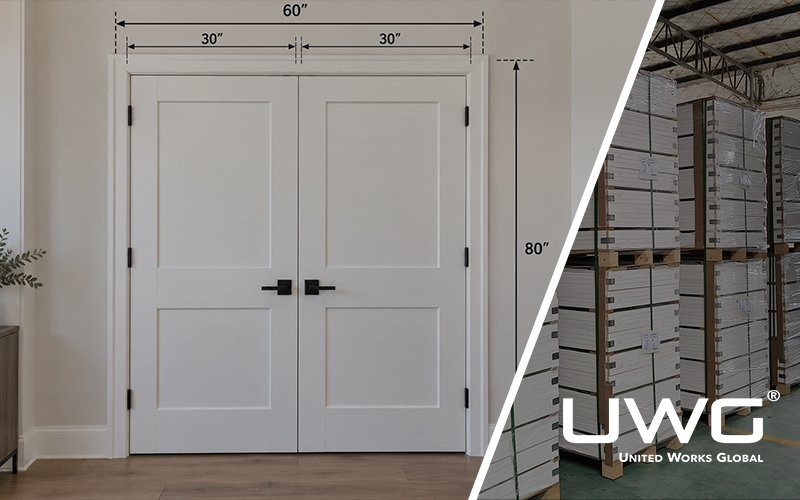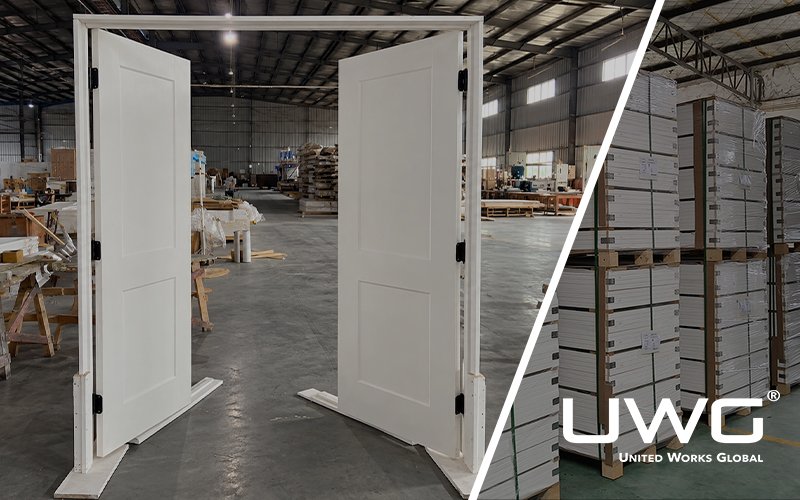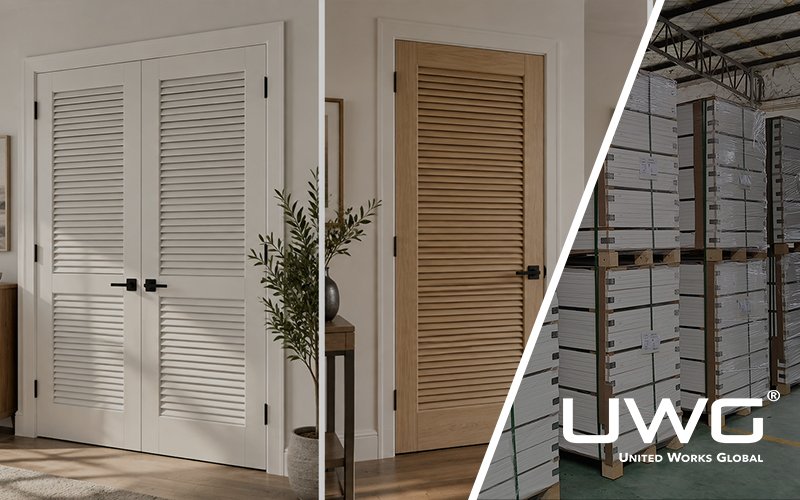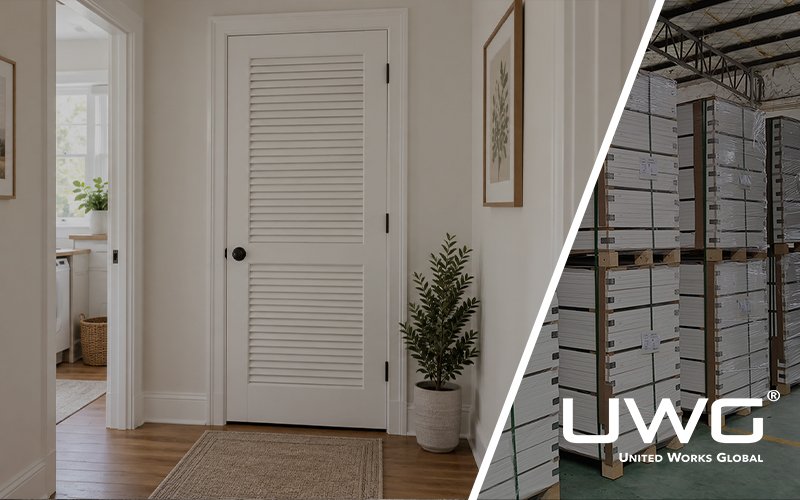
Barn doors have evolved from traditional rustic elements into widely used interior solutions in both residential and commercial projects. For developers, builders, and procurement professionals, interior barn doors offer clear advantages in space efficiency, design flexibility, and cost control. Compared with swing doors, they eliminate the need for clearance space, making them especially suitable for multifamily housing, hospitality projects, and renovations.
From a B2B perspective, selecting the right barn door system requires careful consideration beyond appearance. Material durability, track system quality, installation accuracy, and long term maintenance all play a critical role in overall project performance and customer satisfaction. This article provides a detailed overview of interior barn door materials, track systems, and installation practices to support informed decision making.
Interior barn doors are a practical and space saving solution for modern developments, offering both functional and design advantages. Common materials include solid wood for durability and premium appeal, MDF for cost efficiency, and glass or metal for contemporary applications. Track systems such as single track, bypass, and soft close options should be selected based on usage and load requirements. Proper installation, including wall reinforcement and alignment, is essential for long term performance. For B2B buyers, balancing cost, durability, and maintenance ensures reliable project outcomes.

What Are Interior Barn Doors
Interior barn doors are sliding door systems mounted on a track above the door opening. Instead of swinging open, they move horizontally along a rail, making them ideal for space constrained environments or open plan layouts.
Their applications now include
- Multifamily residential units
- Office partitions
- Hospitality environments
- Retail and commercial interiors
According to the National Association of Home Builders, space saving features are increasingly prioritized in modern housing developments, contributing to the growing use of sliding door systems.
Common Materials for Interior Barn Doors
Choosing the right material is essential for balancing cost, durability, and design intent.
Solid Wood
Pros
- High durability and long service life
- Premium appearance
- Strong structural integrity
Cons
- Higher cost
- Sensitive to humidity changes
In past residential projects, solid wood doors were often selected for higher end units to enhance perceived value. Proper sealing and finishing were required to prevent deformation in varying climates.
MDF Medium Density Fiberboard
Pros
- Cost effective
- Smooth surface suitable for painting
- Stable under controlled indoor conditions
Cons
- Lower impact resistance
- Not suitable for high moisture areas
MDF is commonly used in large scale developments where budget control is a priority.
Glass
Pros
- Modern appearance
- Allows natural light transmission
- Suitable for offices and hotels
Cons
- Limited privacy
- Requires tempered or laminated safety glass
Metal Steel or Aluminum
Pros
- High durability
- Industrial aesthetic
- Low maintenance
Cons
- Higher initial cost
- Heavier weight requiring stronger hardware
Material Comparison Table
| Material | Cost Level | Durability | Maintenance | Best Application |
|---|---|---|---|---|
| Solid Wood | High | High | Medium | High end residential |
| MDF | Low | Medium | Low | Budget housing projects |
| Glass | Medium | Medium | Medium | Offices and hospitality |
| Metal | High | Very High | Low | Commercial and industrial |

Barn Door Track Systems
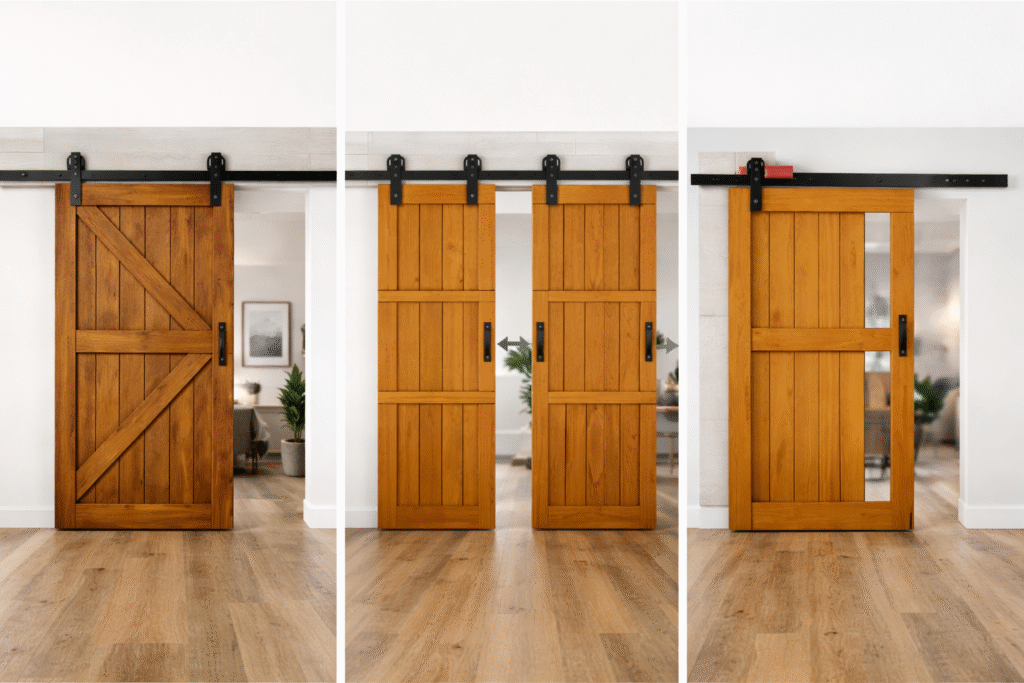
The track system is the most critical functional component of a barn door. Low quality hardware is a common cause of performance issues.
Single Track System
- Standard solution for single doors
- Requires proper wall support
Bypass Track System
- Allows multiple doors to slide past each other
- Suitable for closets and large openings
Soft Close Track System
- Integrated damping mechanism
- Reduces noise and wear
In high traffic environments, soft close systems improve usability and reduce maintenance frequency over time.
Photo 3 :barn door track systems single bypass and soft close hardware for interior doors
Installation Considerations
Proper installation is essential for both performance and safety.
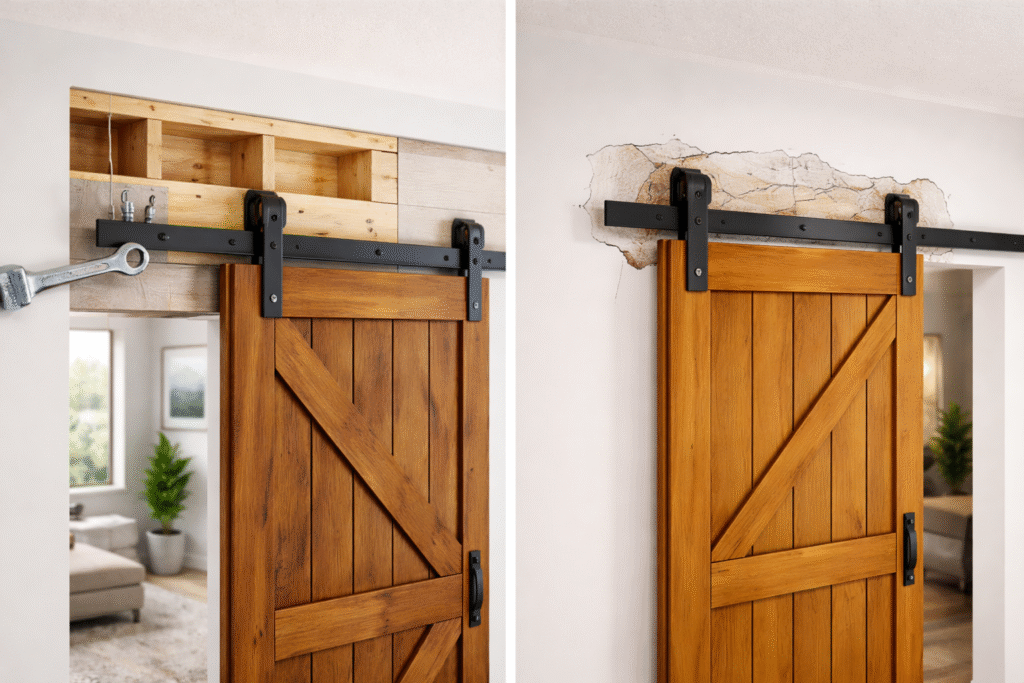
Structural Support
Barn doors are mounted on walls rather than floors
Ensure
- Reinforced backing such as plywood or steel
- Load capacity matches door weight
Photo 4: barn door installation with wall reinforcement and proper track mounting detail
Clearance Requirements
- Wall width should be at least equal to door width
- Adequate space above the opening for track installation
Alignment and Leveling
Improper alignment can cause
- Poor sliding performance
- Uneven gaps
- Increased hardware wear
Common Installation Issues
Common problems observed in projects include
- Installation without proper wall reinforcement
- Undersized or incompatible track systems
- Ignoring door weight requirements
- Misalignment leading to noise and friction
Advantages and Limitations
Advantages
- Space saving design
- Flexible aesthetics
- Suitable for renovation projects
Limitations
- Limited sound insulation
- Reduced privacy due to gaps
- Higher installation precision required
Recommendations for B2B Buyers
Standardize specifications
- Using consistent door sizes and hardware can reduce procurement costs
Focus on hardware quality
- Investing in reliable track systems reduces long term maintenance
Match materials to project positioning
- High end projects may benefit from solid wood or metal
- Cost sensitive projects may prioritize MDF
Plan installation early
- Coordinate with structural and interior teams to avoid rework
Frequently Asked Questions About Interior Barn Doors
Q: What is the best material for an interior sliding barn door?
A: For most modern residential and commercial projects, MDF (Medium-Density Fiberboard) or engineered wood is the best material choice. It is cost-effective, highly resistant to warping under humidity changes, and provides a flawlessly smooth surface for paint. For custom, high-end, or traditional rustic projects, solid wood is preferred, though builders must account for its significantly heavier weight and higher cost.
Q: Do I need special wall reinforcement to install a barn door?
A: Yes, absolutely. Because a barn door hangs entirely from a top-mounted surface track, the wall must be able to support the combined heavy weight of the door slab and the metal hardware. Builders must install solid wood blocking behind the drywall or securely mount an external structural header board to the wall studs before attaching the track.
Q: How do you stop a sliding barn door from swinging outward?
A: To prevent the door from swinging away from the wall and potentially damaging the track or adjacent surfaces, builders must install a floor guide. The floor guide is a crucial piece of hardware mounted to the floor or baseboard that runs through a groove cut into the bottom edge of the door, keeping it perfectly plumb and aligned during operation.
Q: Are soft-close tracks worth the upgrade for interior barn doors?
A: Yes, adding a soft-close mechanism is highly recommended for any barn door installation. The mechanism catches the door as it opens or closes, gliding it gently to a complete stop. This prevents the heavy door from slamming violently, reduces ambient noise, and significantly extends the lifespan of both the track hardware and the door panel by minimizing impact stress.
Conclusion
Interior barn doors have become a practical solution in modern construction and renovation projects. Their ability to save space while offering design flexibility makes them attractive across multiple sectors.
For developers and procurement professionals, success depends on selecting appropriate materials, choosing reliable track systems, and ensuring proper installation. By balancing cost, durability, and long term performance, barn door systems can deliver consistent value across a wide range of interior applications.
Articles that you may be interested in: