
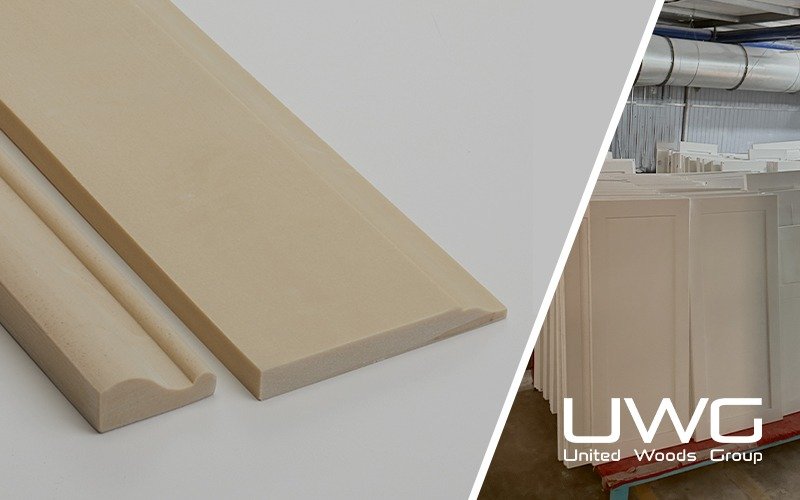
Baseboards and base caps are two commonly used trim elements in construction and interior design, but they often get confused. Understanding the difference between these two is crucial for builders, contractors, and homeowners who want to create polished, professional interiors. This article breaks down what baseboards and base caps are, their functions, and when to use each.
What is a Baseboard?
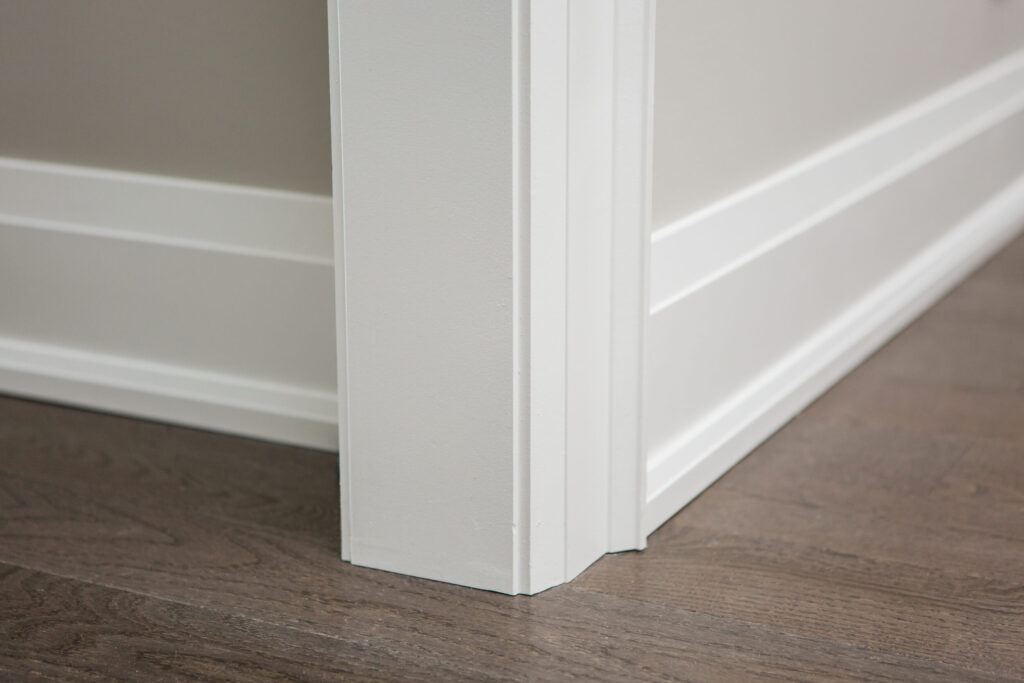
A baseboard is a long, narrow board that runs along the bottom of an interior wall, protecting the wall from damage and providing a finished look to the room.
- Purpose: Baseboards primarily serve to protect the wall from scuffs and damage while providing a clean finish.
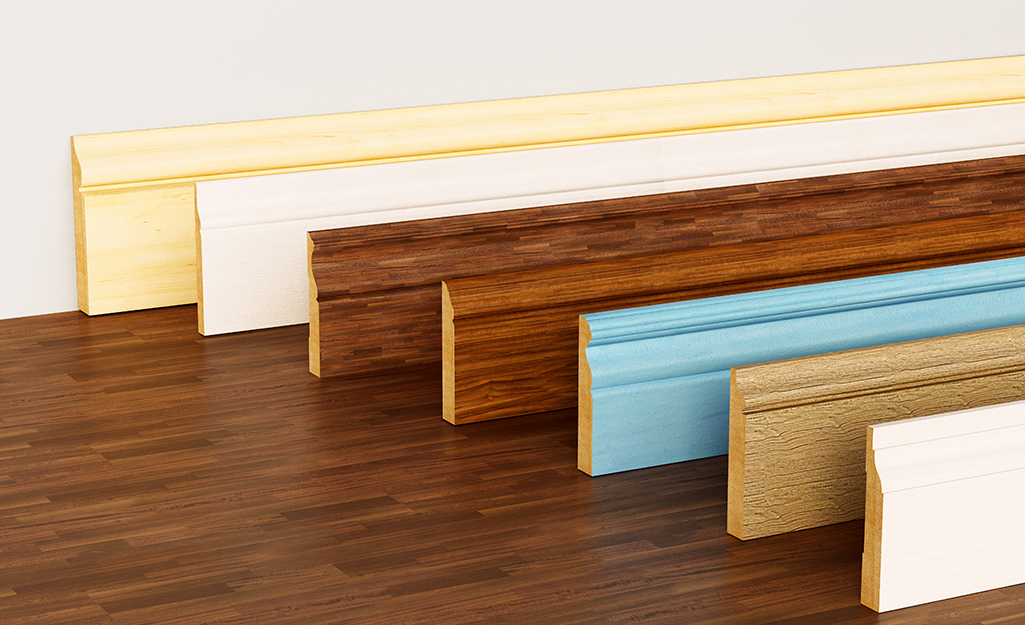
- Materials: Baseboards are commonly made from wood, MDF, or PVC.
- Design Variations: Baseboards come in different styles, including traditional, modern, and contemporary options.
- Applications: Baseboards are used in most interior spaces, such as living rooms, bedrooms, and hallways.
What is a Base Cap?
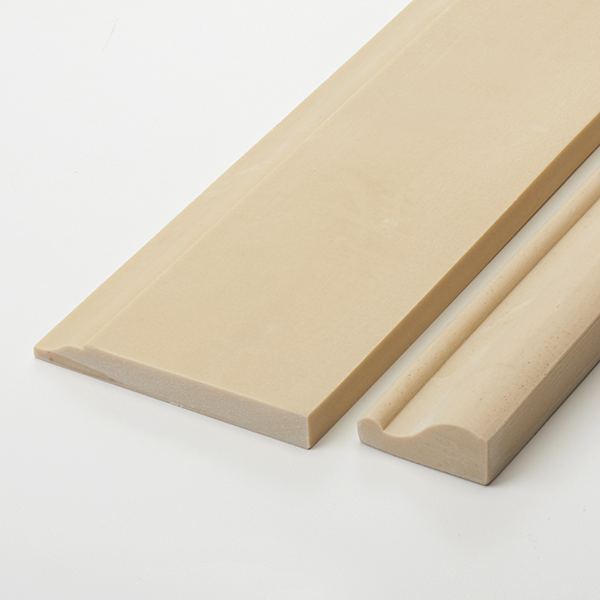
A basecap is a type of interior trim or molding that is commonly installed on top of a standard baseboard to add extra depth, style, and detail to a wall’s finishing. While a regular baseboard alone provides a clean transition between the wall and the floor, adding a basecap profile creates a more decorative, layered look. This makes basecaps especially popular in higher-end residential and commercial projects where design details matter.
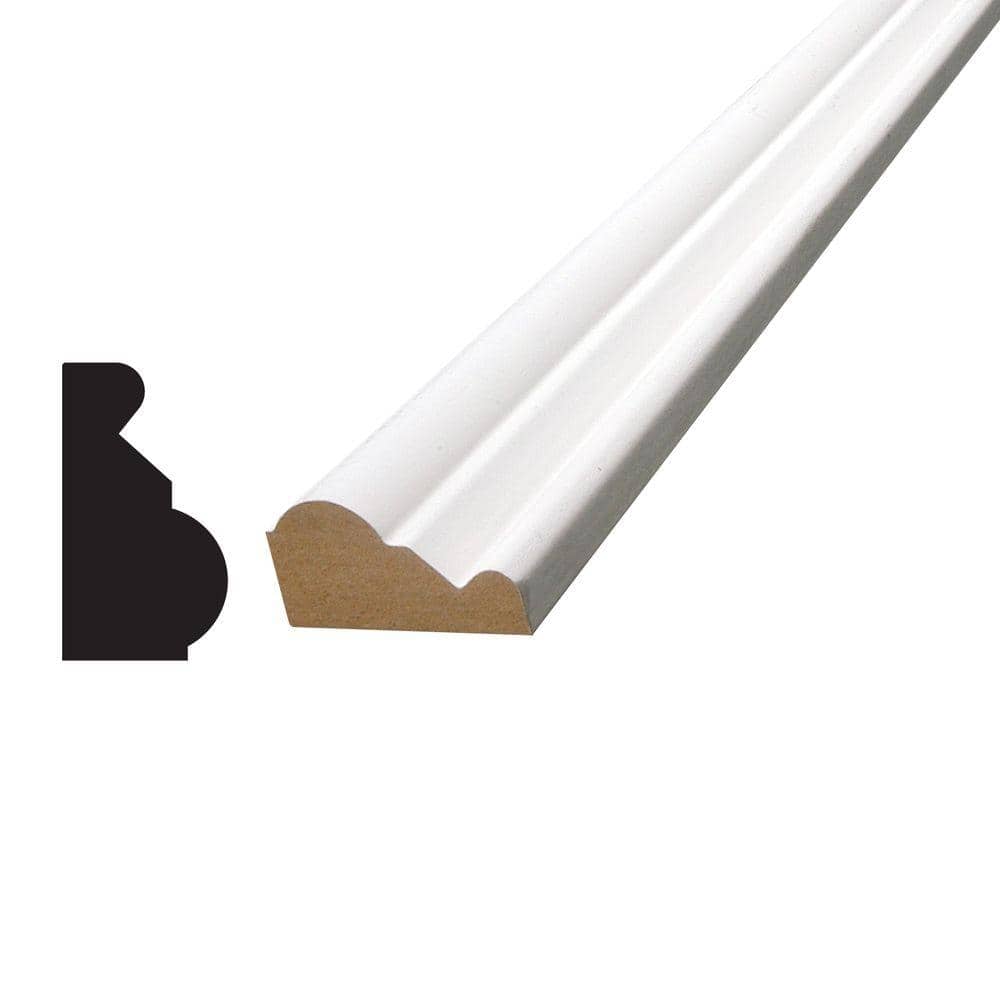
Basecap moldings are usually crafted from materials such as MDF, wood, or PVC. They feature a rounded or shaped edge that sits directly above the baseboard, creating a custom two-piece design. Installers often use a flat baseboard paired with a basecap to achieve the appearance of a tall, elegant molding without the cost of one solid, oversized piece.From an interior design perspective, basecaps are versatile. They can match traditional, craftsman, or modern homes depending on the profile selected. For builders, they offer flexibility and cost savings, since combining baseboard and basecap allows for customized heights and styles.When choosing basecap trim, consider factors like durability, material, and ease of painting. Properly installed, a basecap enhances both the beauty and value of any space.
Key Differences Between Baseboards and Base Caps
Function
- Baseboards: Protect walls from damage while enhancing the room’s look.
- Base Caps: Provide a decorative finish where the baseboard meets the floor.
Positioning
- Baseboards: Installed along the bottom of walls.
- Base Caps: Are installed above the baseboard, not at the floor level, and are used to enhance the visual depth and detail of wall trim.
Size and Shape
- Baseboards: Larger, thicker, and cover the bottom of the wall.
- Base Caps: Smaller, more intricate, and only cover the joint between baseboard and floor.
Material Choices
Both baseboards and base caps can be made from similar materials, but base caps are often lighter and more detailed in design.
Aesthetic Value
- Baseboards: Serve a functional role and have a more subtle appearance.
- Base Caps: Offer additional elegance and are often used in spaces where a more refined look is desired.

Why Builders Should Know the Difference
Knowing the difference between baseboards and base caps is important for builders for several reasons:
- Practical Application: Understanding their distinct functions can help builders choose the right option for the job.
- Improved Aesthetics: Knowing when to use baseboards or base caps can result in a cleaner, more polished finish for clients.
- Cost and Time Efficiency: Choosing the appropriate trim based on the project’s budget and time frame can make a significant difference.
Choosing the Right Option for Your Project
When to Use Baseboards
Baseboards are the most common trim for standard construction projects, especially in residential homes. They are affordable, functional, and easy to install.
- Ideal for everyday spaces like living rooms, bedrooms, and kitchens.
- Cost-effective for builders working within a budget.
- Versatile in design, available in various styles for different interior themes.

When to Use Base Caps
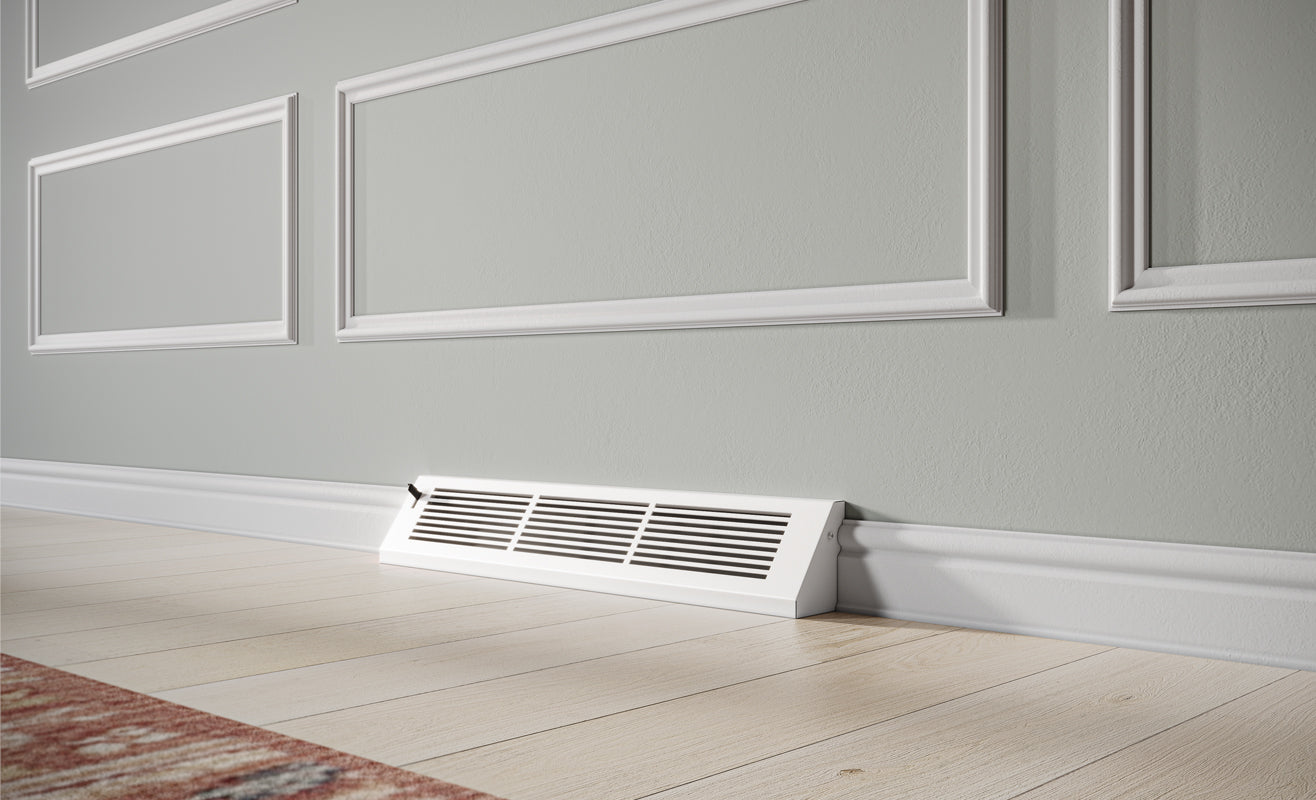
Base caps are best for higher-end or decorative projects. They provide a refined, finished look at the bottom of walls, making them suitable for luxury interiors.
- Great for formal or custom designs in spaces like living rooms, dining rooms, or upscale offices.
- Adds elegance and a polished touch where detail matters.
- Works well with intricate or custom interior designs.
Materials to Consider
- Wood: A classic, durable choice, perfect for traditional or custom designs. It’s easily stained or painted.
- MDF: An affordable option, smooth for painting, and works well for modern interiors.
- PVC: Ideal for moisture-prone areas like bathrooms and kitchens due to its water resistance.
Choose materials based on the look you’re going for, the project’s budget, and the expected wear and tear.
Frequently Asked Questions About Baseboards and Base Caps
Q: What is the main difference between a baseboard and a base cap?
A: A baseboard is the primary, larger trim board installed at the bottom of an interior wall to protect it from damage and seamlessly cover the joint where the wall meets the floor. A base cap is a smaller, decorative molding installed directly on top of a flat baseboard to add architectural detail, depth, and a layered appearance.
Q: Can I use baseboards without a base cap for a modern design?
A: Yes, absolutely. For modern American interiors that emphasize clean lines and minimalism, installing a tall, flat baseboard—typically ranging from 4 to 7 inches in height—without an ornate base cap is highly recommended. Painting these streamlined baseboards in warm whites creates a seamless, elegant, and contemporary look.
Q: When should a builder use a base cap?
A: Base caps are ideal for traditional, formal, or high-end custom homes where intricate architectural details are desired. They allow builders to create the illusion of custom, oversized molding by combining an affordable flat baseboard with a decorative cap, saving both material costs and installation time while delivering a luxurious finish.
Q: What materials are best for baseboards and base caps?
A: Both trims are commonly available in solid wood (like pine for durability), MDF, and PVC. MDF is extremely popular for dry interior spaces because it provides a flawlessly smooth surface for paint. However, in moisture-prone areas like bathrooms, kitchens, or coastal homes, PVC or properly sealed wood is the better choice to prevent swelling and water damage.
Conclusion
In conclusion, while baseboards and base caps may seem similar, they serve different functions in interior design. Builders and contractors should understand these differences to enhance the look and feel of a space. Whether using baseboards for a traditional look or base caps for a more decorative finish, both elements play important roles in creating beautiful, functional interiors.