
Large construction and commercial developments often face a common challenge: creating visually modern spaces while maintaining long-term practicality. Some projects focus heavily on appearance but later encounter issues such as difficult maintenance, material wear, or inefficient space usage. Others prioritize functionality so heavily that the final environment feels outdated or lacks market appeal. For builders and wholesalers, balancing design trends with real operational demands has become increasingly important.
Matching style trends with functional needs in large-scale projects means combining modern aesthetics with durability, usability, maintenance practicality, and scalable planning. Successful developments integrate current design preferences with long-term operational requirements to improve user experience, control costs, and maintain consistent performance over time.
Today, design decisions influence far more than visual presentation. They directly affect procurement stability, construction efficiency, replacement frequency, and the overall lifecycle value of a development.
Current Style Trends Influencing Functional Planning in Commercial Developments
Modern commercial and infrastructure projects increasingly favor design approaches that combine simplicity, flexibility, and sustainability. Instead of focusing purely on decoration, developers now evaluate how visual choices perform under real operational conditions.
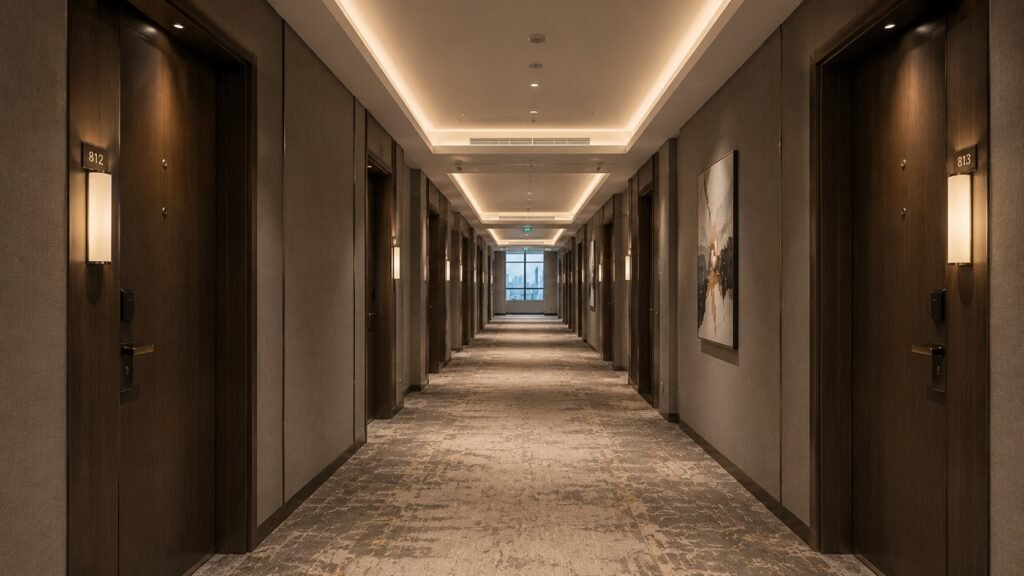
Minimalist aesthetics continue to dominate many sectors because clean layouts and simplified finishes create organized, modern environments. Neutral palettes, matte surfaces, and natural textures are widely used in offices, hospitality spaces, and mixed-use developments because they remain visually adaptable over time.
Sustainable materials have also become a major priority. Many developers now look for recyclable surfaces, low-emission materials, and environmentally responsible sourcing solutions. Industry initiatives such as A New Textiles Economy: Redesigning Fashion’s Future have accelerated the demand for products that support both sustainability goals and long-term durability.
Flexible layouts are another growing trend. Modular systems allow spaces to adapt more easily to future tenant changes, operational upgrades, or evolving user needs without requiring major reconstruction. This approach is especially valuable in retail centers, hotels, and public facilities where functionality often changes over time.
Smart integration is also reshaping design standards. Automated lighting, energy management systems, and intelligent access controls are increasingly viewed as essential features rather than optional upgrades.
However, visual trends alone should never determine final material or layout decisions. In several commercial renovation projects, highly reflective decorative finishes initially created a premium appearance but later increased cleaning frequency and replacement costs due to visible wear. These situations demonstrate why aesthetic decisions should always be evaluated alongside long-term practicality.
Why Functional Requirements Should Be Defined Early
Clearly defining functional priorities before making style decisions helps reduce operational risks later in the project.
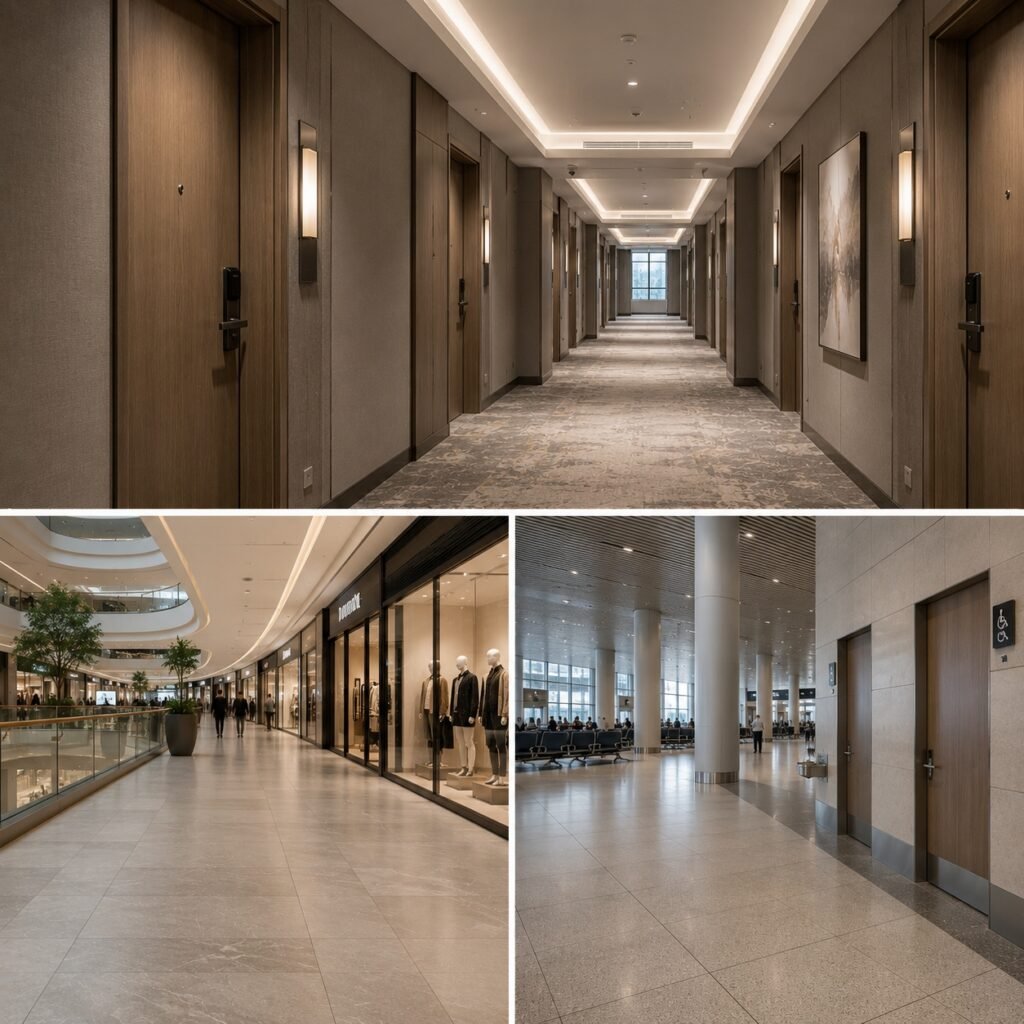
Traffic flow planning is one of the most important considerations in commercial environments. Hotels, transportation hubs, retail centers, and public buildings must support high user volumes while maintaining smooth circulation and accessibility.
Durability is equally critical. Materials that perform well in low-traffic environments may deteriorate quickly in busy commercial settings. Flooring systems, wall finishes, hardware components, and surface materials should always be selected according to expected usage intensity rather than appearance alone.
Long-term upkeep is another major consideration. Some decorative materials maintain their appearance during the early stages of operation but become expensive to repair or replace after years of continuous use. Because of this, many developers now evaluate material longevity and replacement practicality during the planning stage.
Safety compliance must also be integrated early. Fire resistance standards, accessibility requirements, slip resistance ratings, and environmental certifications all influence product selection and construction methods.
For wholesalers and procurement teams, supply consistency is another key issue. Materials with unstable lead times or inconsistent production quality can create delays and visual inconsistencies across different project phases.
Industry sustainability reports show that a growing percentage of commercial developers now prioritize low-maintenance and recyclable materials during early planning discussions. This reflects a broader shift toward operational reliability rather than purely decorative value.
Effective Strategies for Matching Style Trends With Functional Needs
Achieving a balance between aesthetics and usability depends heavily on early coordination between design teams, contractors, suppliers, and purchasing departments.
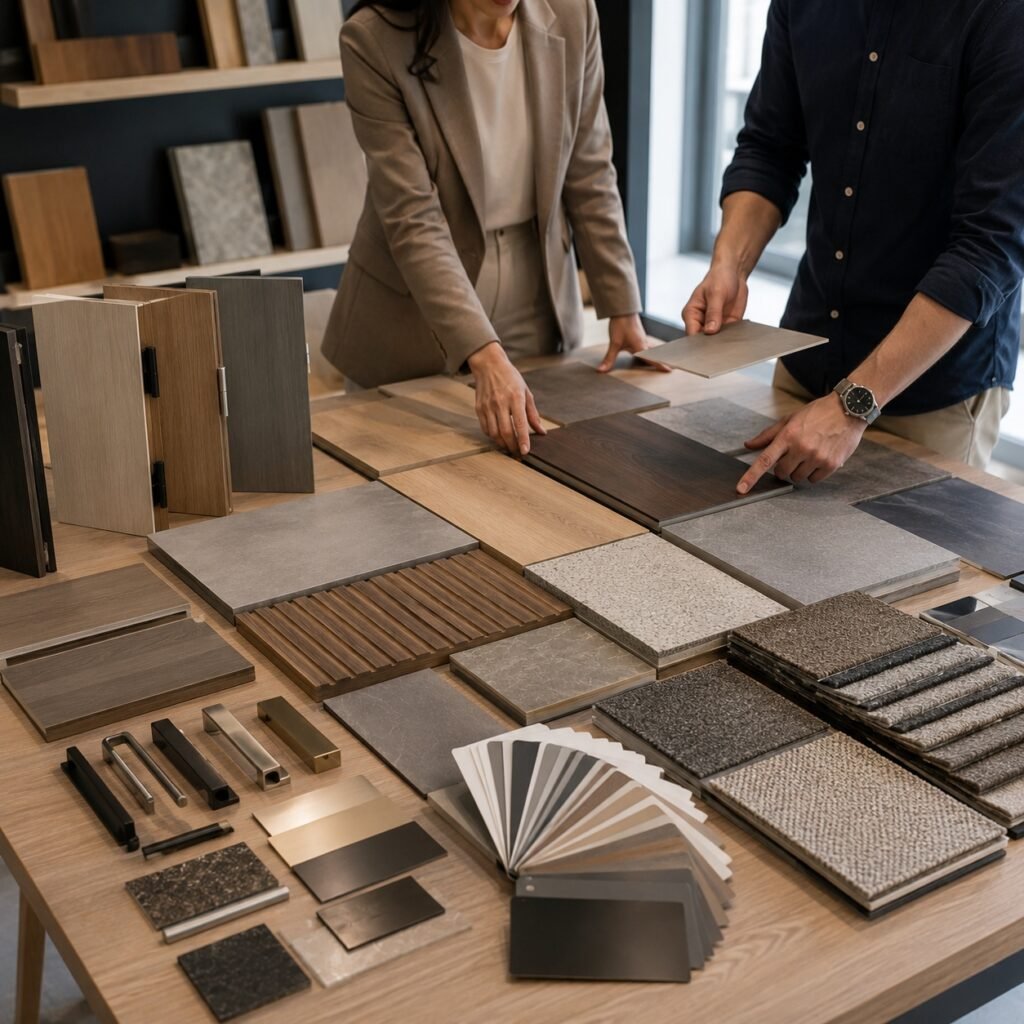
One practical approach is selecting materials that offer both visual consistency and strong performance under commercial conditions. Engineered surfaces, for example, can replicate natural textures while providing better resistance to moisture, scratches, and heavy foot traffic.
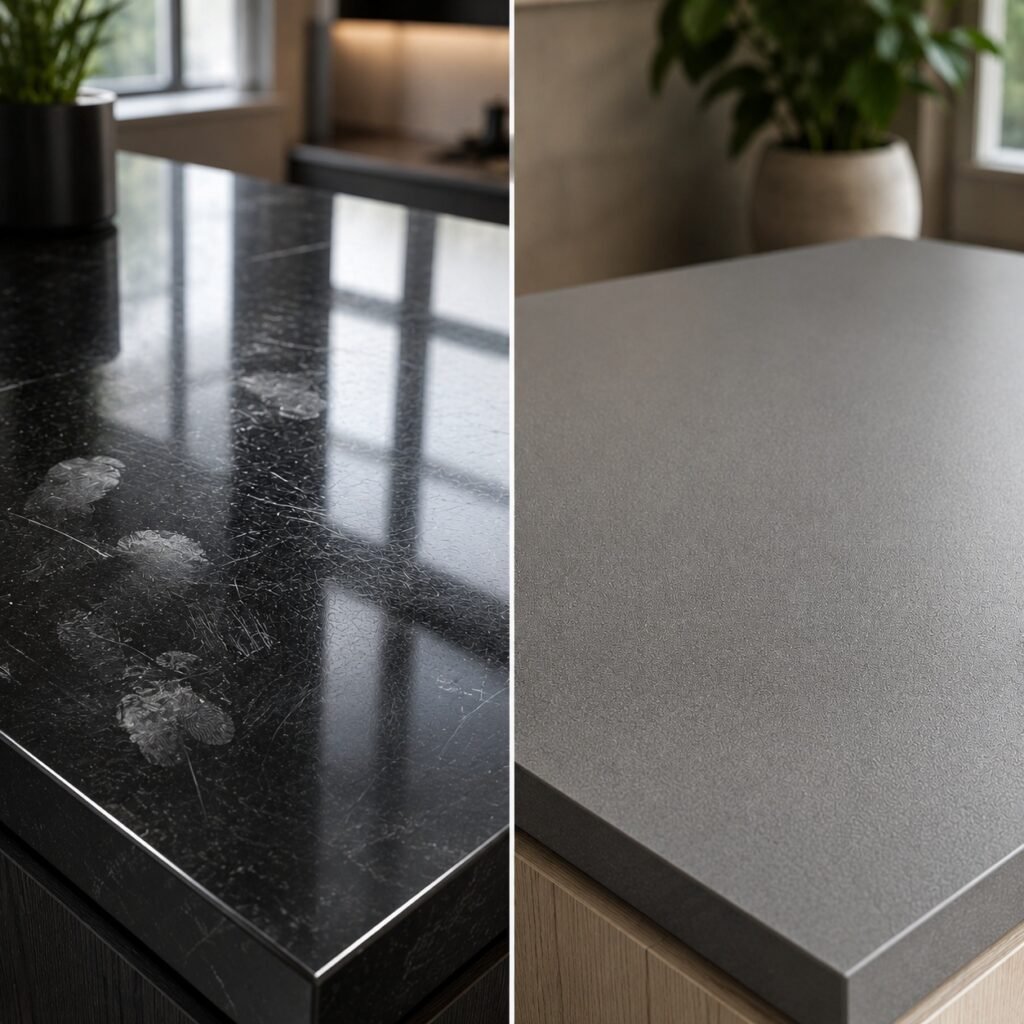
Surface finishes also affect long-term usability. High-gloss materials may create a premium appearance, but they often reveal fingerprints, dust, and scratches more easily in busy environments. Many commercial developments now prefer textured or matte finishes because they maintain a cleaner appearance over extended periods.
Budget planning should also focus on long-term value rather than installation cost alone. Lower-cost products sometimes require more frequent replacement, leading to higher overall expenses during operation. In several hospitality and retail projects, investing in higher-performance materials during construction significantly reduced future repair frequency and service interruptions.
Early supplier coordination is another important strategy. Delays often occur when selected finishes become unavailable midway through construction. Establishing procurement standards early helps maintain consistency across multiple project stages while reducing redesign risks.
At the same time, excessive customization should be approached carefully. Custom materials and unique decorative elements may strengthen branding, but they can also increase sourcing complexity and make future replacements more difficult. In many long-term developments, balanced standardization improves both efficiency and operational flexibility.
Comparing Design Trends and Their Functional Impact
Different design trends offer different operational advantages and challenges depending on project conditions and user behavior.
| Design Trend | Functional Advantage | Potential Challenge |
|---|---|---|
| Minimalist finishes | Easier cleaning and visual consistency | Can feel overly cold without texture balance |
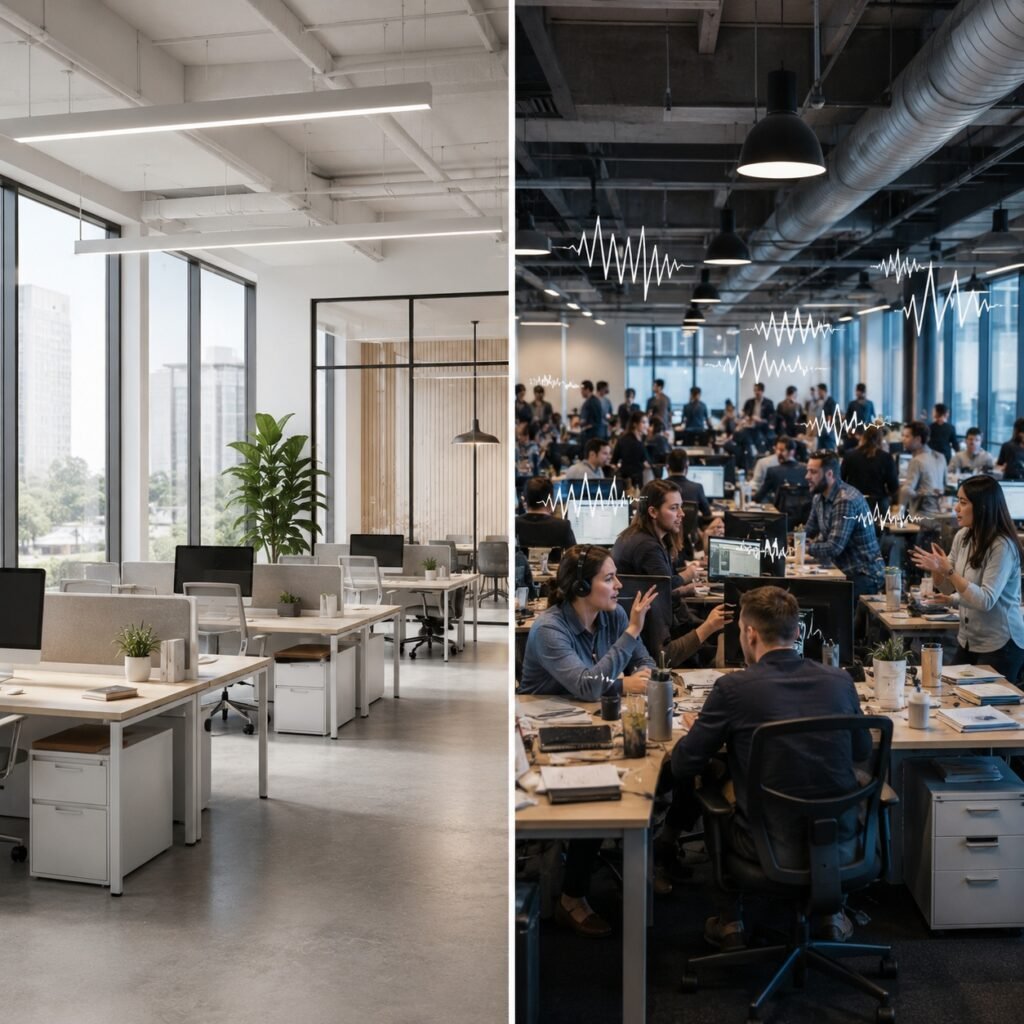
| Open layouts | Flexible space usage and improved visibility | Acoustic control becomes more difficult |
| Sustainable materials | Supports environmental compliance goals | Supply availability may fluctuate |
| Smart technology systems | Improves energy efficiency and automation | Higher initial investment costs |
| Modular construction systems | Faster installation and future adaptability | Design flexibility may be limited |
| Dark glossy surfaces | Creates premium visual impact | Visible scratches and higher cleaning demands |
This comparison highlights why successful projects evaluate visual appeal and operational performance together rather than separately.
Common Challenges When Balancing Style and Functionality
One common mistake is prioritizing short-term visual impact without fully considering long-term usability. Some highly decorative materials perform poorly under continuous commercial use, especially in environments with heavy daily traffic.
Another issue is excessive dependence on temporary design trends. Commercial buildings often remain operational for decades, while visual trends may change within only a few years. Designs that rely too heavily on short-term aesthetics can become outdated quickly and require expensive renovations earlier than expected.
Supplier inconsistency is another major challenge. Differences in finish quality, manufacturing tolerances, or product availability can affect both project timelines and final presentation quality.
Communication gaps between procurement teams and designers also create avoidable problems. Some visually ambitious concepts appear effective during planning stages but become impractical once sourcing limitations and maintenance realities are fully evaluated.
Projects with the strongest long-term performance are often those that reduce unnecessary design complexity while improving usability, durability, and maintenance practicality.
How Commercial Developments Apply Style and Functional Matching Strategies
Different industries apply these strategies differently depending on operational priorities and user expectations.
In hospitality projects, guest experience strongly influences design decisions. However, materials must also withstand continuous cleaning, luggage movement, and heavy foot traffic without losing visual quality.
Retail environments often prioritize flexibility because tenant requirements change frequently. Adaptable layouts and modular systems allow spaces to evolve without major reconstruction costs.
Public infrastructure projects typically focus more heavily on durability, safety standards, and operational reliability. Even so, many modern public developments now integrate contemporary architectural elements to improve user comfort and overall experience.
In multi-phase residential developments, maintaining procurement consistency is especially important. Builders and wholesalers must secure long-term material availability while ensuring visual continuity across different construction phases.
High-performing developments usually treat design trends as tools that support operational goals rather than standalone decorative features. When aesthetics and functionality work together, projects achieve stronger long-term value, improved efficiency, and a better overall user experience.
Frequently Asked Questions About Balancing Style and Function
Q: Why is early coordination between architectural design and procurement essential for large-scale projects?
A: Large-scale projects involve repetitive design elements across hundreds of units. Early coordination ensures that the desired aesthetic trends do not conflict with critical functional requirements like fire ratings, structural integrity, or budget constraints, thereby preventing widespread field errors and costly change orders.
Q: How can builders integrate high-end aesthetic trends without compromising project budgets?
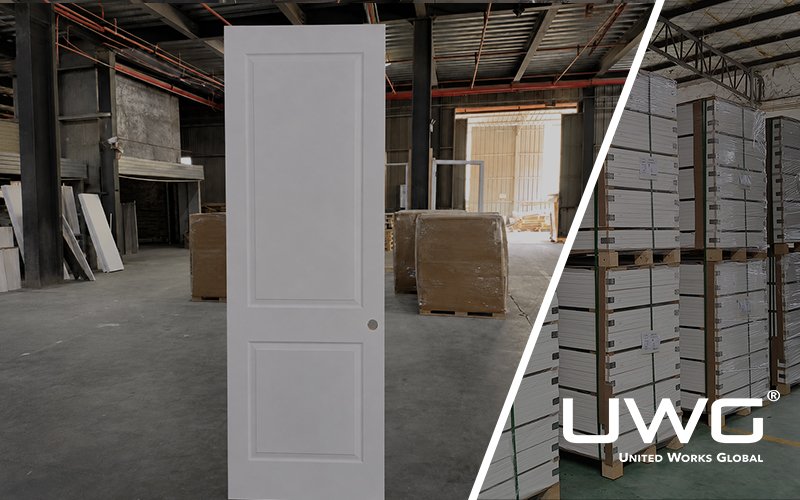
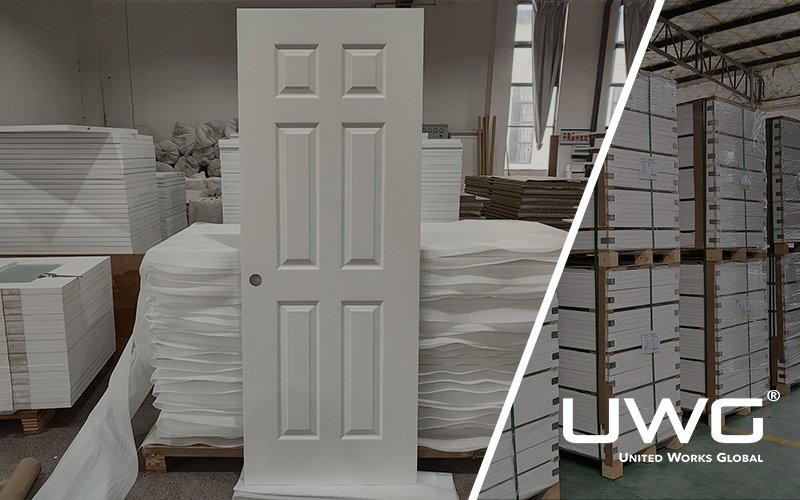
A: Builders can achieve luxury-style results by utilizing strategic material alternatives, such as using Shaker-style molded doors instead of authentic solid-wood five-piece doors. These alternatives mimic high-end visual profiles while significantly reducing material costs, freight weight, and installation time in bulk multi-family developments.
Q: What functional considerations must remain non-negotiable despite changing design trends?
A: Core functional requirements such as fire resistance, ADA accessibility compliance, and structural durability must remain non-negotiable. While style trends like panel configurations or color schemes can be adapted, building safety codes and material performance specs—such as the moisture resistance of flooring or the durability of door hardware—must always meet established safety and building standards.
Q: How does standardization help in maintaining a consistent design language across a large project?
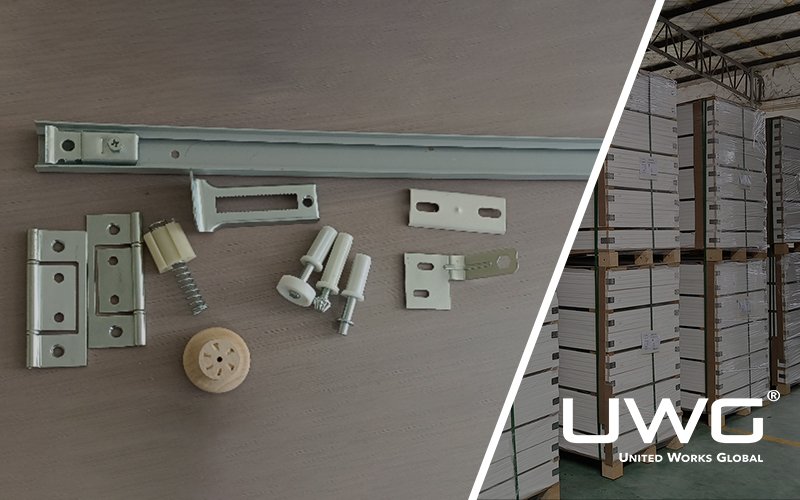
A: Standardization allows builders to establish a unified library of specifications, such as consistent door hardware sets, molding profiles, and flooring types, across all units. This ensures a cohesive visual language while streamlining the supply chain process, allowing for bulk procurement that minimizes lead times and reduces the risk of part mismatches during installation.
Conclusion
Successfully matching style trends with functional needs requires balancing visual appeal with durability, usability, and long-term operational performance. Projects that integrate both aesthetics and practicality from the beginning are more likely to achieve sustainable value, stronger user satisfaction, and consistent performance throughout their lifecycle.
Articles that you may be interested in: