
When sourcing construction materials internationally, many builders face the same challenge: unclear delivery terms that lead to delays, hidden costs, and coordination issues. In our experience as a manufacturing partner serving overseas projects, these issues don’t come from the materials themselves—but from logistics misunderstandings.Choosing between DDP and standard delivery terms like EXW, FOB, or CIF is not just a pricing decision. It directly affects your project timeline, cost predictability, and on-site efficiency. A wrong choice can result in port delays, unexpected duties, or even construction downtime.
For most international construction projects, DDP (Delivered Duty Paid) is the better choice because it allows builders to avoid complex logistics, unexpected import costs, and coordination risks. While standard delivery terms like EXW, FOB, and CIF may offer more control, they often require significant experience and resources. DDP provides a more predictable, efficient, and stress-free solution—especially when working with overseas suppliers. That’s why more international builders today are re-evaluating their delivery strategies—and increasingly choosing DDP for better control over outcomes.
To understand why this shift is happening, let’s look deeper into how each delivery method performs in real construction scenarios.
What Is DDP?
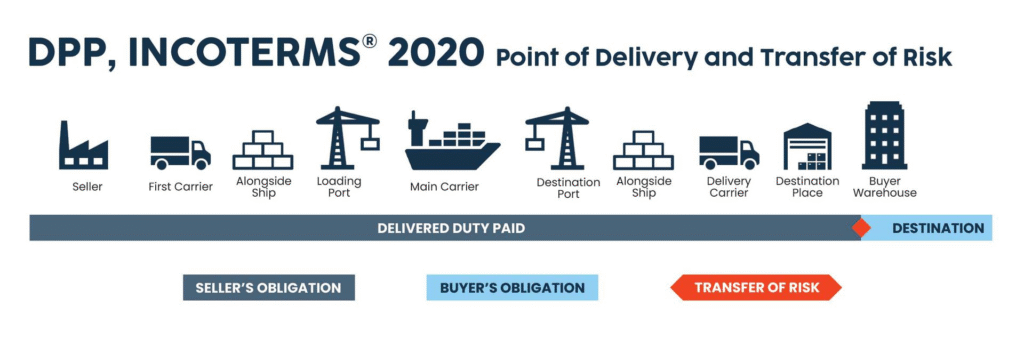
DDP (Delivered Duty Paid) is an Incoterm defined under Incoterms® rules, where the supplier takes full responsibility for delivering goods to the buyer’s specified location—typically the construction site.
This includes:
- Export clearance
- International shipping
- Import customs clearance
- Duties and taxes
- Final delivery
Why DDP Is Increasingly Preferred
From our experience working with contractors across multiple regions, DDP solves some of the most common pain points in construction supply chain management:
- Eliminates customs uncertainty
- Provides full landed cost upfront
- Reduces coordination between multiple parties
- Ensures materials arrive ready for installation
Real Project Experience
In a housing construction projects project in US, a contractor initially chose FOB to reduce upfront cost. However, due to unfamiliarity with local import regulations, the shipment was delayed at port for over a week.
After switching to DDP in the next phase:
- Customs clearance was handled entirely by us
- Materials arrived directly on-site
- Installation resumed without disruption
This shift helped the client avoid further delays and stabilize their construction schedule.
Important Insight
According to logistics industry data ([source placeholder: global freight report]), customs delays and documentation errors are among the top causes of project disruption in international construction.
This is exactly where DDP creates value—not just in delivery, but in risk reduction.
What Are Standard Delivery Methods? (EXW, FOB, CIF Explained)
While DDP simplifies the process, standard delivery methods distribute responsibilities between buyer and seller. These are commonly used but require stronger logistics capabilities.
EXW (Ex Works)
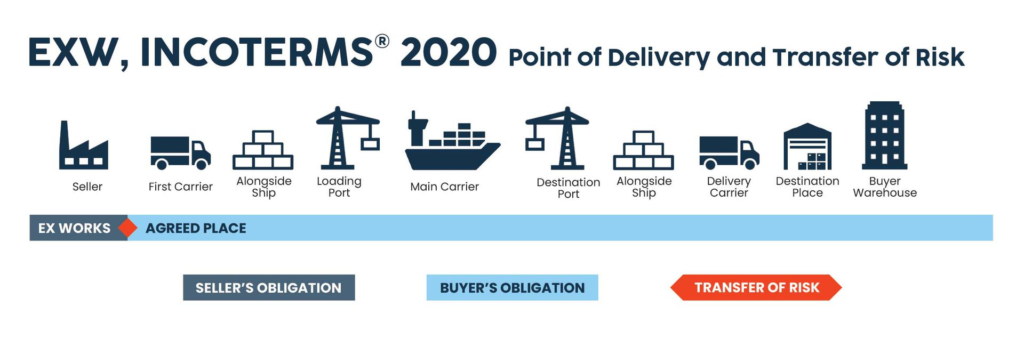
Under EXW, the supplier makes goods available at their factory, and the buyer takes full responsibility from that point onward.
Key Characteristics
- Buyer arranges pickup, shipping, and customs
- Lowest visible product price
- Maximum operational responsibility
Practical Challenges
In real projects, EXW often leads to:
- Misalignment in pickup schedules
- Export clearance complications
- Higher coordination costs
For builders without a dedicated logistics team, EXW can quickly become overwhelming.
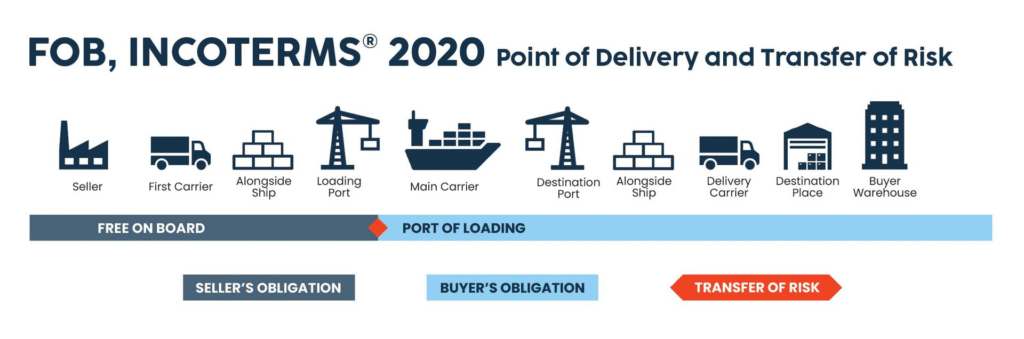
FOB (Free on Board)
FOB is widely used in international shipping for construction materials. The supplier delivers goods to the port and loads them onto the vessel.
Key Characteristics
- Shared responsibility
- Buyer controls international freight
- Risk transfers at port
Real-World Issues
We’ve seen multiple cases where:
- Builders underestimated port handling complexity
- Incomplete documents caused delays
- Unexpected port charges increased total cost
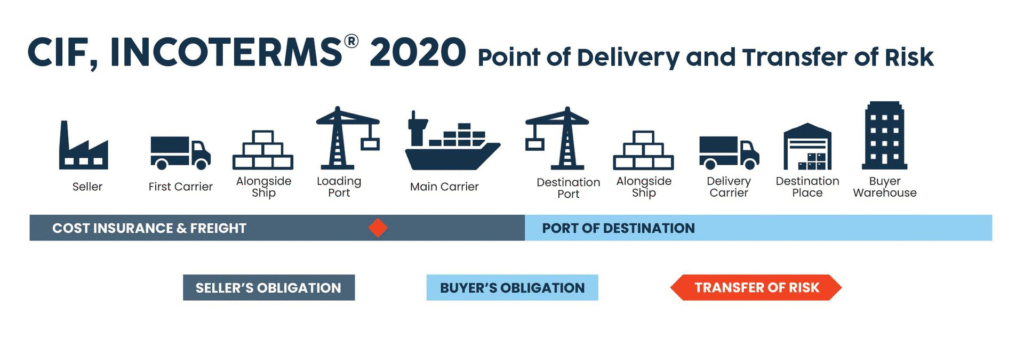
CIF (Cost, Insurance, Freight)
CIF includes shipping and insurance to the destination port, offering more support than FOB.
Key Characteristics
- Supplier manages shipping
- Buyer handles customs and inland delivery
- Partial risk coverage
Practical Limitation
The biggest issue with CIF is:
The critical stage—customs clearance—is still the buyer’s responsibility
And this is often where:
- Delays happen
- Costs become unpredictable
Comparison Table: DDP vs EXW vs FOB vs CIF
| Term | Who Handles Shipping | Who Pays Duties | Risk Transfer Point | Practical Impact for Builders |
| DDP | Supplier (Full Control) | Supplier | Final delivery site | Minimal risk, predictable outcome |
| EXW | Buyer | Buyer | At factory | High complexity, requires expertise |
| FOB | Shared | Buyer | At port | Moderate control, coordination needed |
| CIF | Supplier (partial) | Buyer | Destination port | Reduced effort, but customs risk remains |
What Does DDP Mean in Shipping?
DDP shipping means the supplier manages the entire logistics chain, ensuring materials arrive at the final destination without requiring buyer intervention.
This includes:
- Freight booking
- Documentation preparation
- Customs brokerage
- Duty and tax payment
- Final-mile delivery
According to the International Chamber of Commerce , DDP represents the maximum obligation for the seller.
For builders, this creates a simple and powerful advantage:
You don’t manage logistics—you receive ready-to-use materials.
Is DDP Good for Builders?
Based on our experience across multiple projects, DDP is particularly beneficial in the following scenarios:
Ideal Use Cases
- International sourcing
- Projects with strict timelines
- Builders without in-house logistics teams
- Regions with complex import regulations
Real Scenario
In a commercial building project, a contractor faced repeated delays using FOB due to port congestion and customs issues.
After switching to DDP:
- Delivery timelines became predictable
- On-site scheduling improved
- Labor downtime was reduced
This aligns with industry findings ([placeholder: NAHB report]) showing that material delays can increase total project costs by 10–20%.
What Are the Disadvantages of DDP?
To provide a balanced perspective, DDP does have perceived drawbacks.
Common Concerns
- Higher upfront quotation
- Less visibility into cost breakdown
- Dependence on supplier logistics capability
Our Practical Perspective
From actual project outcomes, these “disadvantages” often translate into:
- Higher upfront cost → Lower total project risk
- Less visibility → Fewer coordination errors
- Supplier control → Faster execution
In many cases, DDP reduces the true total cost when factoring in delays, penalties, and inefficiencies.
DDP vs. FOB/CIF: How Should Developers Choose?
After supporting a wide range of international construction projects, we’ve observed a consistent pattern: the most successful projects minimize logistics complexity.
Our Recommendations
- Choose DDP when your priority is:
- Timeline certainty
- Cost predictability
- Reduced management burden
- Consider FOB or CIF only if:
- You have an experienced logistics team
- You actively manage freight and customs
- Always evaluate:
- Total landed cost
- Risk exposure
- Impact on construction schedule
Industry Insight
According to global construction and logistics reports, supply chain disruptions remain a key risk factor in project delivery.
Builders who simplify logistics—especially through DDP—are better positioned to maintain schedule and budget control.
Summary
For most international construction projects, DDP offers the most reliable and efficient delivery solution. While standard delivery methods like EXW, FOB, and CIF provide more control, they also introduce complexity and risk.
From our perspective as a manufacturing partner, builders who choose DDP consistently benefit from smoother execution, fewer delays, and greater cost certainty—making it a smarter choice for today’s global construction environment.
Articles that you may be interested in:
Builder’s Guide to Door-to-Door Delivery: Saving Time and Reducing Project Delays
From Factory to Jobsite: Typical Delivery Times and How to Plan Projects