Choosing the right entry door is more complex than it seems. A poor decision can lead to long-term issues such as higher maintenance costs, energy inefficiency, and reduced curb appeal. Many builders and developers struggle when deciding between fiberglass and steel doors. From our experience working on both residential and multi-unit projects, this choice often comes down to balancing performance, cost, and design expectations. Each material has its strengths, but selecting the wrong one for the environment or project type can create unnecessary problems down the line.
Fiberglass doors generally offer better durability, energy efficiency, and design flexibility, while steel doors are more affordable upfront and provide superior security. Fiberglass resists warping, moisture, and corrosion, making it ideal for long-term performance in demanding climates. Steel doors, however, deliver excellent strength and cost efficiency, especially in large-scale or security-focused projects. For builders, fiberglass is best for premium, low-maintenance applications, whereas steel remains a practical solution for budget-conscious builds requiring reliable protection.
To make a confident decision, it’s important to understand how each material behaves in real-world construction scenarios, not just in theory.
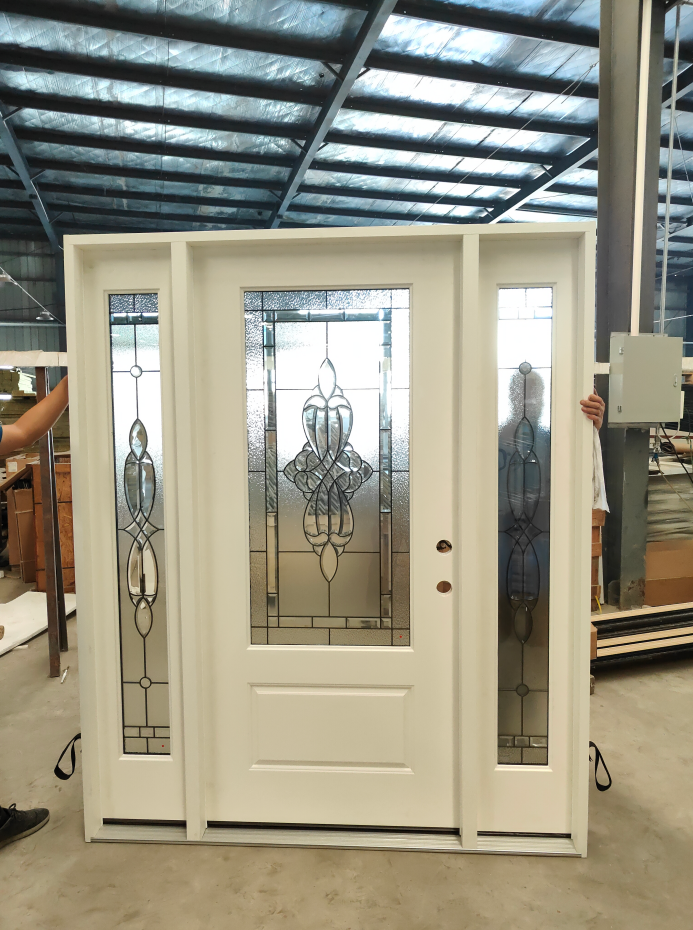
What Is a Fiberglass Door?
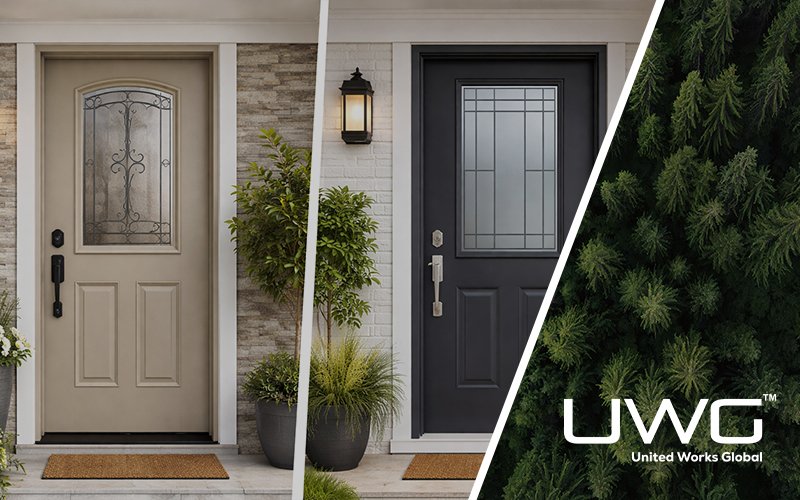
A fiberglass door is constructed using reinforced glass fibers bonded together to form a strong outer shell. The interior is typically filled with polyurethane foam, which enhances insulation and structural stability. Many modern fiberglass doors are engineered with advanced texturing techniques that replicate the look and feel of natural wood.
Key Features
- Highly resistant to moisture, warping, and cracking
- Excellent thermal insulation due to foam core
- Available in smooth or realistic wood-grain finishes
- Minimal maintenance compared to wood or steel
Technical Insight
Fiberglass is a non-conductive material, meaning it does not transfer heat easily. This makes it particularly effective in maintaining indoor temperature stability, which is a critical factor in energy-efficient construction.
Advantages (Based on Project Experience)
In several coastal housing projects we completed, fiberglass doors consistently outperformed other materials. Even after years of exposure to salt air and humidity, they showed no signs of corrosion or structural deformation.
- Excellent resistance to extreme weather conditions
- Long lifespan (often exceeding 30 years with proper installation)
- Superior insulation reduces energy consumption
- High-end appearance suitable for premium builds
Disadvantages
- Higher upfront cost compared to steel
- Surface may crack under very heavy impact
- Lower-quality products may fade over time
In our experience, choosing a high-quality manufacturer is critical to avoiding performance issues.
What Is a Steel Door?
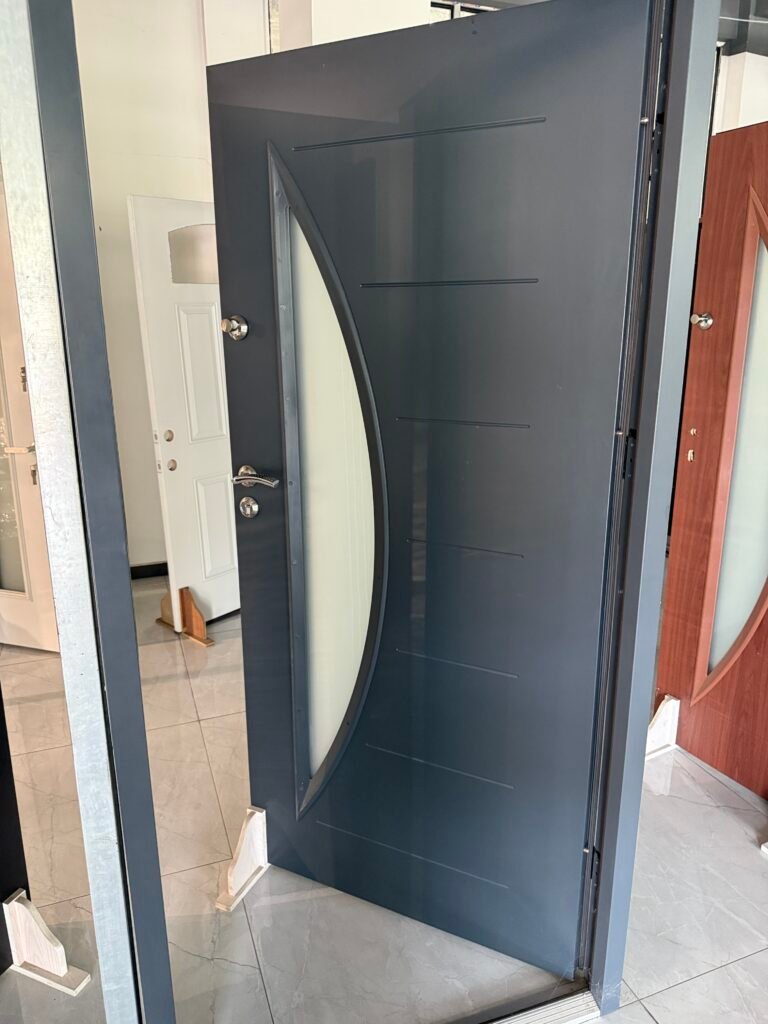
A steel door is typically made with a steel outer skin and a core filled with insulating material such as polyurethane or polystyrene. These doors are widely used in both residential and commercial construction due to their strength and affordability.
Key Features
- Strong outer shell provides high impact resistance
- Insulated core improves energy performance
- Often coated with protective finishes to prevent corrosion
Technical Insight
Steel is a conductive material, which means it transfers heat more easily than fiberglass. Without proper insulation and thermal breaks, this can impact energy efficiency.
Advantages (Real-World Use)
In large-scale apartment developments, steel doors are often the preferred option due to their cost-effectiveness and consistent performance.
- Lower initial investment
- Excellent security and structural strength
- Fire-resistant properties (important for code compliance)
- Easy to source and install
Disadvantages
- Prone to dents and surface damage
- Risk of rust if protective coating is compromised
- Limited design and customization options
We’ve seen cases where minor scratches led to corrosion within a few years in humid environments.
Fiberglass vs Steel Doors: Performance, Cost, and Aesthetic Comparison
Comparison Table
| Feature | Fiberglass Door | Steel Door |
|---|---|---|
| Cost | Higher upfront ($1,000–$2,500) | Lower upfront (under $1,000) |
| Durability | Excellent, no rust or rot | Strong but prone to dents/rust |
| Lifespan | 20–30+ years | 15–20 years |
| Energy Efficiency | Superior insulation | Moderate insulation |
| Security | Strong | Excellent |
| Aesthetics | Highly customizable | Limited styles |
| Maintenance | Low | Moderate |
Performance (Durability & Climate Resistance)
Fiberglass doors clearly outperform steel in challenging environments. They resist moisture, UV exposure, and temperature fluctuations without degrading. In one coastal project we managed, fiberglass doors required virtually no maintenance after installation, while steel doors needed repainting within five years.
Cost (Initial vs Lifecycle)
Steel doors are appealing due to their lower upfront cost. However, when factoring in maintenance, repairs, and replacement, fiberglass often proves more cost-effective over time. Fiberglass doors may cost more initially but reduce long-term expenses.
Aesthetics (Design Flexibility)
Fiberglass doors offer significantly more design options.
- Realistic wood textures
- More color and stain options
- Suitable for luxury and custom homes
Steel doors are typically chosen for function rather than appearance.
Energy Efficiency
Fiberglass doors provide better insulation due to their material properties.
According to: 👉 https://www.energy.gov
Energy-efficient doors can significantly reduce heating and cooling costs. Fiberglass is particularly effective because it minimizes thermal transfer.
Security
Steel doors remain the top choice for security-focused applications.
Their rigid structure makes them ideal for:
- Commercial buildings
- High-density housing
- Security-sensitive environments
Are fiberglass doors better than steel doors?
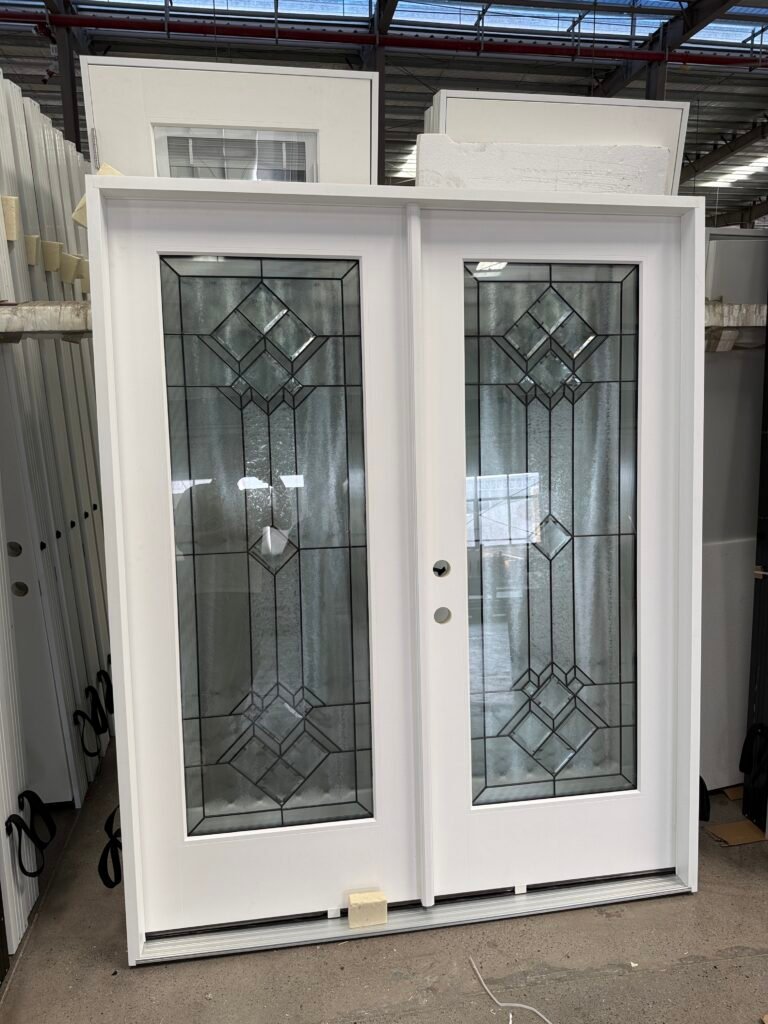
Fiberglass doors are generally considered the better option when the project prioritizes durability, energy efficiency, and appearance, while steel doors remain the stronger choice for security and lower upfront cost. In other words, fiberglass is often better for long-term value, but steel can still be the right solution in budget-sensitive or security-focused applications.
The main advantage of fiberglass is that it performs well across a wide range of climates. It does not rust, it resists moisture, and it is far less likely to warp or crack under normal environmental stress than many other materials. This makes it especially useful in coastal, humid, or temperature-variable regions where builders need to reduce maintenance risks over time. In addition, fiberglass doors are available in more finishes and can closely mimic real wood, which is why they are often used in custom homes and higher-end residential projects.
Steel doors, however, still have important advantages. They are usually more affordable to purchase, easier to source in standard sizes, and often preferred where security is a major concern. In multi-family projects or cost-controlled developments, steel doors are commonly specified because they offer solid protection at a lower price point. That makes them practical for projects where appearance is less critical than budget control and durability under everyday use.
So, are fiberglass doors better than steel doors? The more accurate answer is this: fiberglass is better for premium performance and long-term efficiency, while steel is better for affordability and security-driven applications. The best choice depends on the project type, climate, and client priorities.
Professional Advice
From a builder’s perspective, selecting between fiberglass and steel doors is not just a material choice—it’s a strategic decision that affects long-term performance, client satisfaction, and maintenance costs. Based on our experience across residential, multi-family, and light commercial projects, here are the key factors you should evaluate.
1. Start With Climate Analysis (Most Critical Factor)
Climate should always be your first consideration because it directly impacts door lifespan and maintenance frequency.
- Coastal / High-humidity regions Fiberglass is the clear winner. It resists salt air, moisture, and corrosion. In one coastal project we handled, fiberglass doors showed no structural issues after 8–10 years, while nearby steel doors required repainting and rust repair within 5 years.
- Cold climates Fiberglass performs better due to superior insulation and reduced thermal transfer.
- Dry / Mild climates Steel doors can perform adequately if properly coated and maintained.
Recommendation: If the project is exposed to moisture or extreme weather, avoid steel unless budget constraints leave no alternative.
2. Evaluate Lifecycle Cost, Not Just Purchase Price
One of the most common mistakes builders make is focusing only on upfront cost.
- Steel doors
- Lower initial investment
- Higher maintenance (repainting, rust prevention)
- Shorter lifespan in harsh environments
- Fiberglass doors
- Higher upfront cost
- Minimal maintenance
- Longer lifespan
According to industry trends from NAHB: https://www.nahb.org
Durability and energy efficiency are becoming key decision factors in material selection.
In our projects, fiberglass doors often reduce total lifecycle cost by 15–25% when maintenance and replacement are considered.
3. Align Material With Project Type and Positioning
Different projects require different priorities.
High-End Residential Projects
- Recommend: Fiberglass
- Reason:
- Better aesthetics (wood-grain finishes)
- Higher perceived value
- Matches premium expectations
We’ve seen buyers associate fiberglass doors with “luxury,” improving overall property appeal.
Multi-Family / Budget Developments
- Recommend: Steel
- Reason:
- Lower cost at scale
- Easier replacement
- Acceptable performance in controlled environments
Steel is often the practical choice when managing hundreds of units.
4. Balance Aesthetics With Function
In today’s market, appearance plays a major role in buyer decisions.
Fiberglass doors offer:
- Realistic wood appearance
- מגוון finishes and stains
- Better integration with architectural styles
Steel doors:
- More industrial appearance
- Limited customization
In several projects, upgrading from steel to fiberglass at the entrance increased perceived property value significantly, even when structural changes were minimal.
5. Consider Maintenance Expectations
Different clients have different expectations regarding upkeep.
- Low-maintenance preference (most homeowners) → Fiberglass
- Willing to maintain (budget projects) → Steel
Fiberglass doors are ideal for clients who want a “set it and forget it” solution.
6. Use a Hybrid Strategy for Large Projects
In large-scale developments, using a single material is not always optimal.
A strategy we often apply:
- Fiberglass doors → Main entrances / front-facing units
- Steel doors → Secondary entrances / utility areas
Benefits:
- Reduces overall cost
- Maintains visual appeal where it matters most
- Optimizes performance across different use cases
7. Follow Market and Material Trends
The industry is shifting toward energy-efficient and low-maintenance materials.
According to NAHB and energy guidelines:
- Demand for insulated, durable materials is increasing
- Homeowners prioritize energy savings and long-term value
This trend is one reason fiberglass doors are becoming more popular in modern construction.
Frequently Asked Questions About Fiberglass vs. Steel Doors
Q: Are fiberglass doors better than steel doors for exterior use?
A: “Better” depends on your project goals. Fiberglass doors are generally superior for residential exterior use because they resist extreme temperature changes, do not rust or corrode (making them ideal for coastal or humid climates), and offer much better energy efficiency. However, steel doors remain the top choice for commercial applications or budget-sensitive projects where maximum security and lower upfront costs are the priorities.
Q: Which door material is more energy-efficient: fiberglass or steel?
A: Fiberglass is significantly more energy-efficient. Because steel is a highly conductive metal, it transfers heat and cold easily between the outdoors and indoors unless manufactured with an expensive thermal break. Fiberglass is naturally non-conductive, and when paired with a dense polyurethane foam core, it provides superior thermal insulation, helping to lower household heating and cooling costs.
Q: Do steel doors dent or rust easily?
A: Yes, one of the main drawbacks of steel doors is their susceptibility to denting upon heavy impact. If the protective painted or galvanized coating on a steel door is scratched or compromised by a dent, the exposed metal can quickly begin to rust, especially in humid or rainy environments. Fiberglass doors, by contrast, are highly resistant to denting and completely impervious to rust.
Q: Can you paint or stain a fiberglass door to look like real wood?
A: Yes. High-quality fiberglass doors are specifically engineered with textured outer skins that mimic the natural grain patterns of mahogany, oak, or fir. They can be professionally stained to look almost indistinguishable from real wood, offering the luxurious aesthetic of a traditional timber door without the risks of warping, rotting, or requiring constant maintenance.
Summary
Fiberglass and steel doors each offer distinct advantages, but the right choice depends on project priorities. Fiberglass stands out for durability, energy efficiency, and high-end aesthetics, making it ideal for long-term, low-maintenance applications. Steel doors, on the other hand, provide affordability and superior security, making them suitable for budget-conscious projects. From a builder’s perspective, the best results come from matching the material to the environment, project type, and client expectations rather than relying on a one-size-fits-all solution.
Articles that you may be interested in:
Trending Door Materials: MDF, Veneered, Fiberglass, and Steel