Interior doors that warp or swell can create a long list of problems for builders and wholesalers. They lead to installation delays, customer complaints, and added replacement costs. In my experience, most of these issues can be reduced with the right storage, sealing, and routine maintenance.
The best way to prevent interior doors from warping and swelling is to control moisture exposure at every stage. I recommend storing doors in a dry indoor space, sealing all six sides, keeping humidity stable, cleaning with low-moisture methods, and inspecting doors regularly for early signs of expansion or finish damage. When builders and wholesalers follow these steps, interior door performance becomes more consistent, reliable, and easier to manage over time.
These maintenance practices are simple, but they have a direct impact on door stability, appearance, and service life.
What Causes Interior Doors to Warp and Swell?
Interior door warping and swelling usually start with moisture imbalance. When one side of a door absorbs more moisture than the other, the material expands unevenly. Over time, this can bend the slab, tighten the clearances, or make the door difficult to open and close.
In real projects, I often see four common causes. The first is high indoor humidity. The second is poor sealing, especially on the top and bottom edges. The third is bad storage before installation. The fourth is water exposure during construction, transport, or cleaning.
Wood is naturally sensitive to humidity and temperature changes. Even engineered doors and MDF-based products can be affected when finishing, storage, or site handling is poor. This is why interior door maintenance should begin before installation, not after problems appear.
Why Are Builders and Wholesalers More Concerned About Door Stability?
For builders, a warped door creates labor issues, fitting problems, and callback risk. For wholesalers, it can affect product reputation, customer trust, and repeat orders. A door that looks fine in storage may still fail later if moisture control is ignored.
From a business perspective, stable doors reduce claims and improve project efficiency. They also help maintain quality standards across large-volume deliveries. This is especially important in residential developments, hotel projects, apartment buildings, and distribution networks where consistency matters.
That is why moisture-resistant interior doors, correct storage, and preventive care are not small details. They are part of quality control.
How Should Interior Doors Be Stored Before Installation?
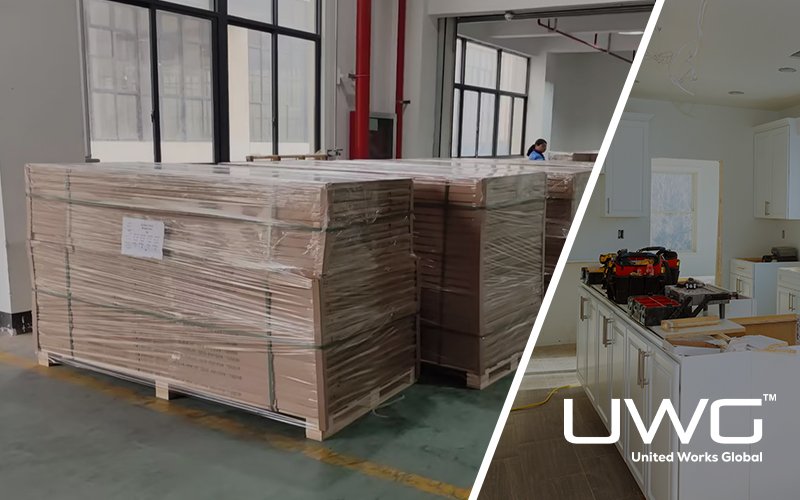
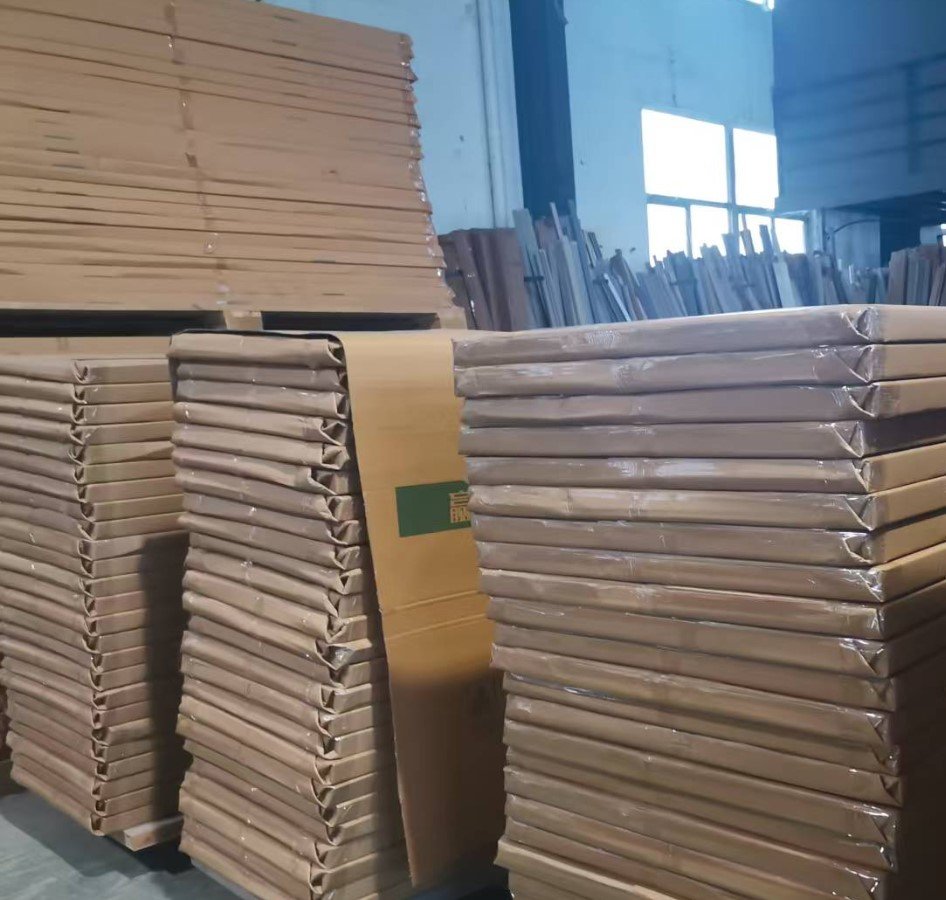
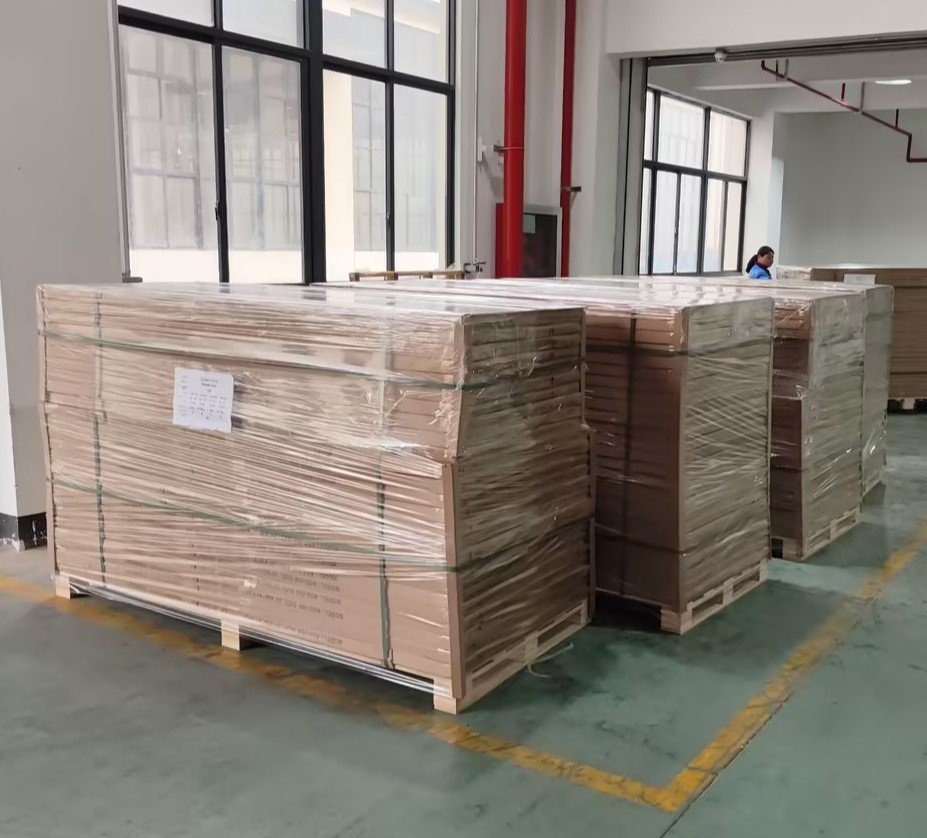
Proper storage is one of the most effective ways to prevent door warping. I recommend storing interior doors flat or in a manufacturer-approved vertical position in a clean, dry, enclosed area. The storage space should have stable airflow and should not be exposed to direct sunlight, rain, or wet concrete conditions.
Doors should never be leaned carelessly against a wall for long periods, especially in damp warehouses or unfinished buildings. They should also be kept off the floor with protective supports or pallets. Contact with wet surfaces can quickly lead to swelling along the bottom edge.
Before installation, doors should be allowed to acclimate to the actual indoor environment. This helps reduce sudden door expansion and contraction after fitting.
Why Is Sealing All Door Edges Important?
One of the most overlooked steps in wooden door maintenance is sealing all six sides of the door. Many people focus only on the front and back faces, but the top and bottom edges are just as important. If these exposed edges are left unfinished, they can absorb moisture faster than the sealed surfaces.
I always recommend checking that the paint, primer, veneer coating, laminate finish, or protective sealer fully covers every edge. This is especially important for doors installed near bathrooms, laundry rooms, kitchens, and entrance transition areas.
A complete finish does not make a door waterproof, but it does help slow moisture absorption and improve dimensional stability. For builders and wholesalers, this simple step supports better long-term performance and fewer post-installation issues.
How Can Humidity Be Controlled to Protect Interior Doors?
Humidity and interior doors are closely connected. When indoor humidity rises too high, doors may swell. When conditions shift too quickly, the material may move, twist, or crack at the finish line.
A stable indoor environment is one of the best forms of interior door care. I usually recommend maintaining consistent ventilation and using HVAC systems or dehumidifiers where needed. In humid climates, seasonal moisture control is especially important. In new construction, doors should not be installed until the wet trades are complete and the building is reasonably conditioned.
Builders should pay special attention to bathrooms, kitchens, coastal buildings, and projects with limited airflow. Wholesalers should also consider climate conditions during storage and transport planning.
How Often Should Interior Doors Be Inspected and Maintained?
Routine inspections help catch small issues before they become expensive ones. I suggest a visual maintenance check every few months and a more complete inspection at least once or twice a year.
During inspection, look for finish cracks, swollen edges, sticking movement, hinge stress, and uneven gaps around the frame. These signs often appear early when moisture is starting to affect the slab. If caught quickly, the solution may be as simple as improving ventilation, resealing an exposed edge, or correcting alignment.
For builders managing multiple units and wholesalers handling inventory, a basic inspection checklist can save time and reduce preventable losses.
What Are the Best Cleaning and Surface Care Methods for Interior Doors?
Good cleaning habits also help prevent door swelling. I recommend using a soft cloth with a lightly damp surface, followed by immediate drying. Too much water should never be used on wood-based doors, veneered doors, or MDF products.
Harsh cleaners can also damage the protective finish, making the door more vulnerable to moisture. Mild soap solutions or manufacturer-recommended cleaners are usually the safest option. If the finish is scratched, chipped, or peeling, repairs should be made quickly so the exposed area does not absorb moisture.
This is a simple but important part of how to seal interior doors indirectly: protecting the finish is part of protecting the substrate underneath.
Which Interior Door Materials Perform Better in Humid Conditions?
Material choice matters. Solid wood doors offer a premium appearance, but they can be more reactive to humidity if not properly manufactured, sealed, and maintained. Engineered wood doors often provide better dimensional stability because their internal structure is designed to reduce movement.
MDF-based and composite-core doors can also perform well in interior applications when coated correctly and used in suitable environments. For builders and wholesalers, the best interior door material for humid areas usually depends on the project budget, finish requirements, and local climate conditions.
I always recommend matching the door specification to the environment instead of choosing only by price or appearance. That approach improves durability and supports better customer satisfaction.
How Do You Fix Early Signs of Warping or Swelling?
If a door shows early swelling, the first step is to identify the moisture source. Without fixing that, the problem will return. Check humidity levels, leaks, cleaning habits, ventilation, and unfinished edges.
For minor swelling, light sanding on the affected edge may help restore clearance, but the exposed area should be refinished immediately. For early warping, improving environmental conditions may prevent further movement. In more serious cases, replacement may be the better option, especially when performance and appearance standards are important.
Knowing how to fix a swollen door is useful, but prevention is still the better strategy for long-term cost control.
Practical Maintenance Checklist for Builders & Wholesalers
Here’s a quick reference table you can apply across projects:
| Factor | Cause of Warping/Swelling | Prevention Method |
|---|---|---|
| Humidity | Moisture absorption | Use dehumidifiers & ventilation |
| Poor sealing | Water penetration | Apply paint/varnish on all sides |
| Material choice | Natural expansion | Use WPC or engineered cores |
| Installation | Misalignment | Ensure level fitting |
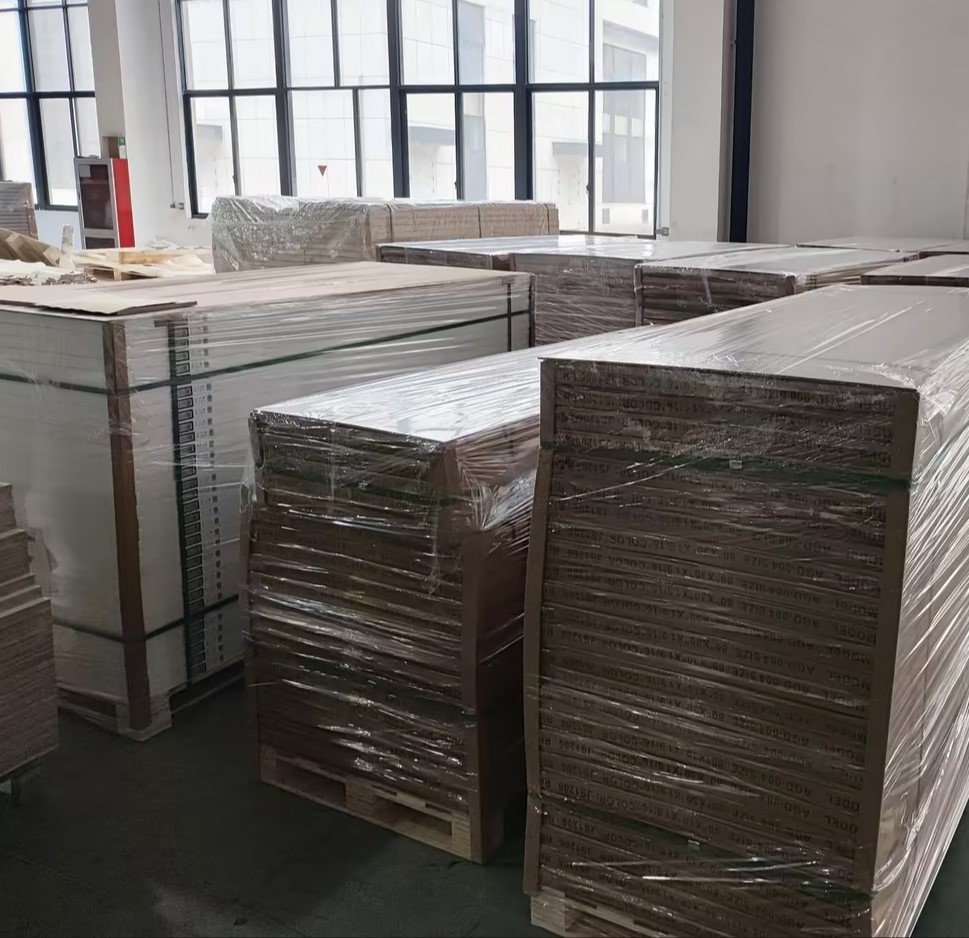
| Storage | Moisture exposure | Keep doors dry and elevated |
Frequently Asked Questions About Interior Door Maintenance
Q: What causes an interior wood door to warp or swell?
A: Warping and swelling are almost always caused by an imbalance of moisture. When one side of a door, or its unsealed edges, absorbs more moisture from the air than the other, the wood naturally expands unevenly. This is often the result of high indoor humidity, damp storage conditions before installation, or failing to properly seal all edges of the door.
Q: How should interior doors be stored on a job site to prevent warping?
A: To prevent warping before installation, doors should never be leaned at an angle against a wall for long periods. They must be stored completely flat on a level surface, supported by pallets to keep them off the floor, in a clean, dry, and enclosed space. It is also crucial to let the doors acclimate to the building’s indoor temperature and humidity for a few days before hanging them.
Q: Why is it necessary to seal the top and bottom edges of an interior door?
A: Failing to seal the top and bottom edges is the most common mistake leading to door failure. Even though these edges are out of sight, they are highly porous. If left unpainted or unsealed, they will rapidly absorb moisture from the air, wet floors, or bathroom humidity, leading directly to bottom-edge swelling and core warping. All six sides of a door must be fully sealed.
Q: Can a warped interior door be fixed?
A: If a door shows only minor swelling at the edges, light sanding to restore the clearance followed by immediate refinishing and sealing can sometimes save it. However, if the door has severely warped, bowed, or twisted out of shape due to prolonged moisture exposure, it usually cannot be permanently straightened and must be replaced.
Summary
In my view, the best interior door maintenance plan is simple: store doors correctly, seal every edge, control humidity, clean carefully, and inspect regularly. For builders and wholesalers, these steps help prevent door warping and swelling, protect product quality, and reduce avoidable service issues across the full project lifecycle.
Articles that you may be interested in: