
Projects
Resources
Explore our products, understand their features, and discover the services we offer to support your project.
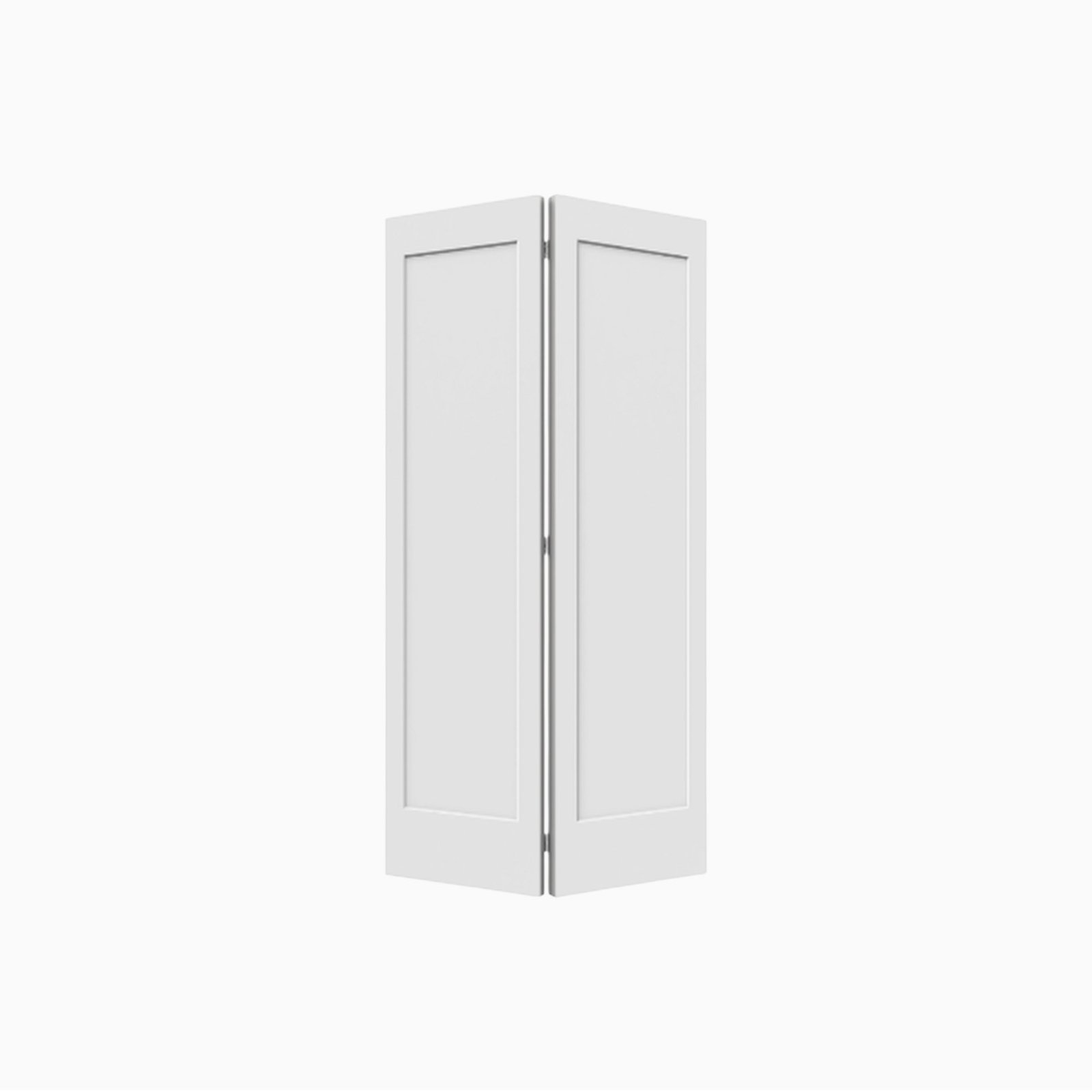
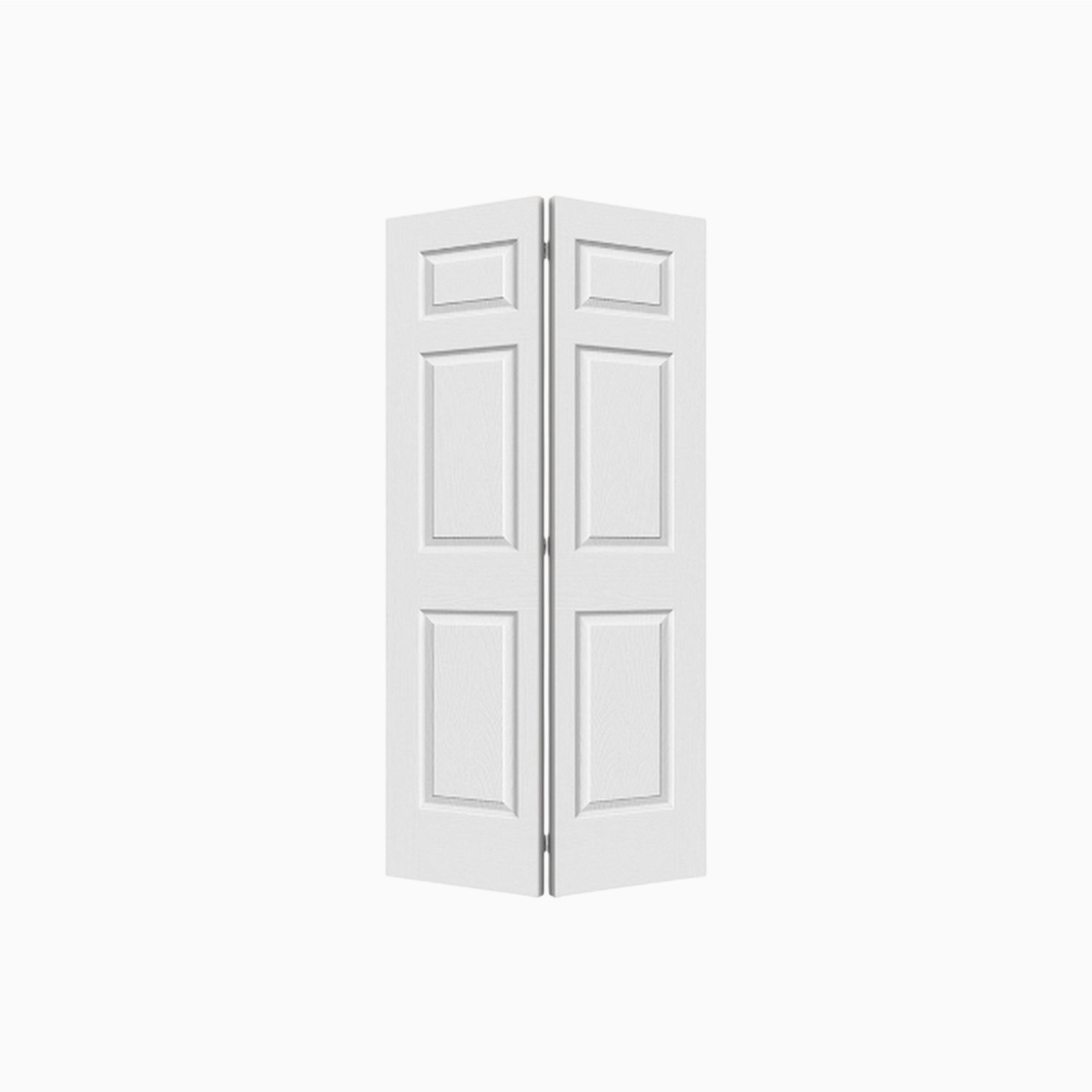
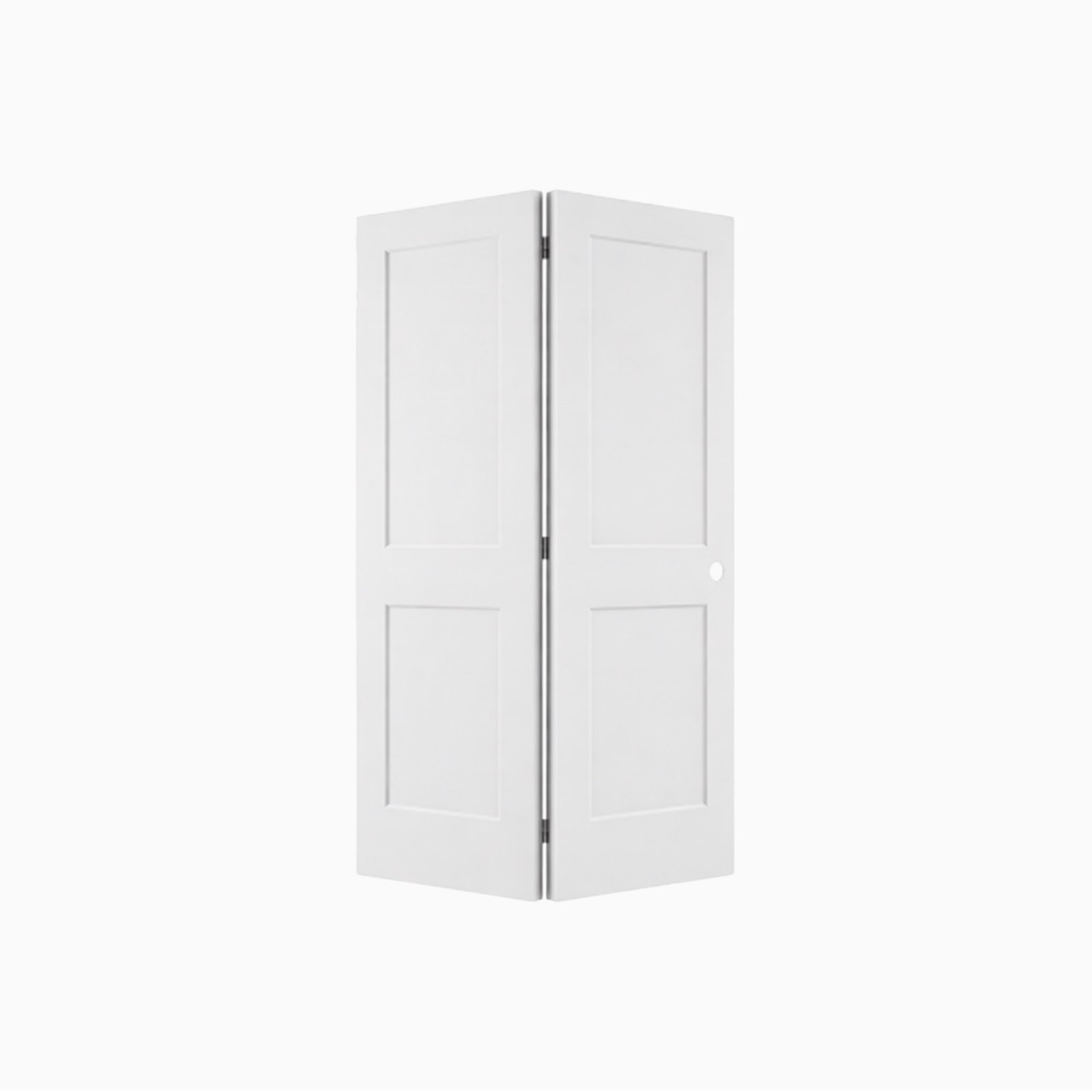
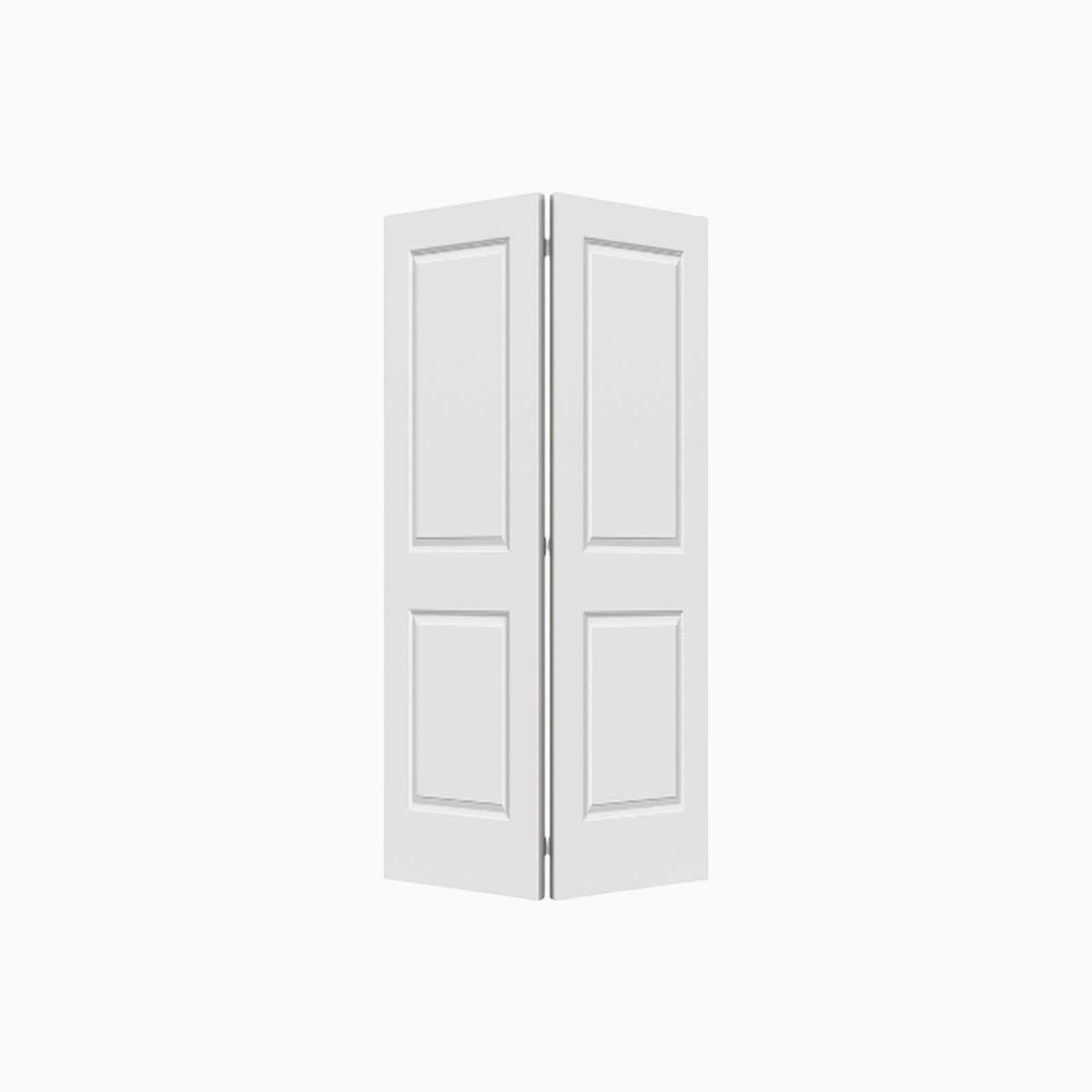
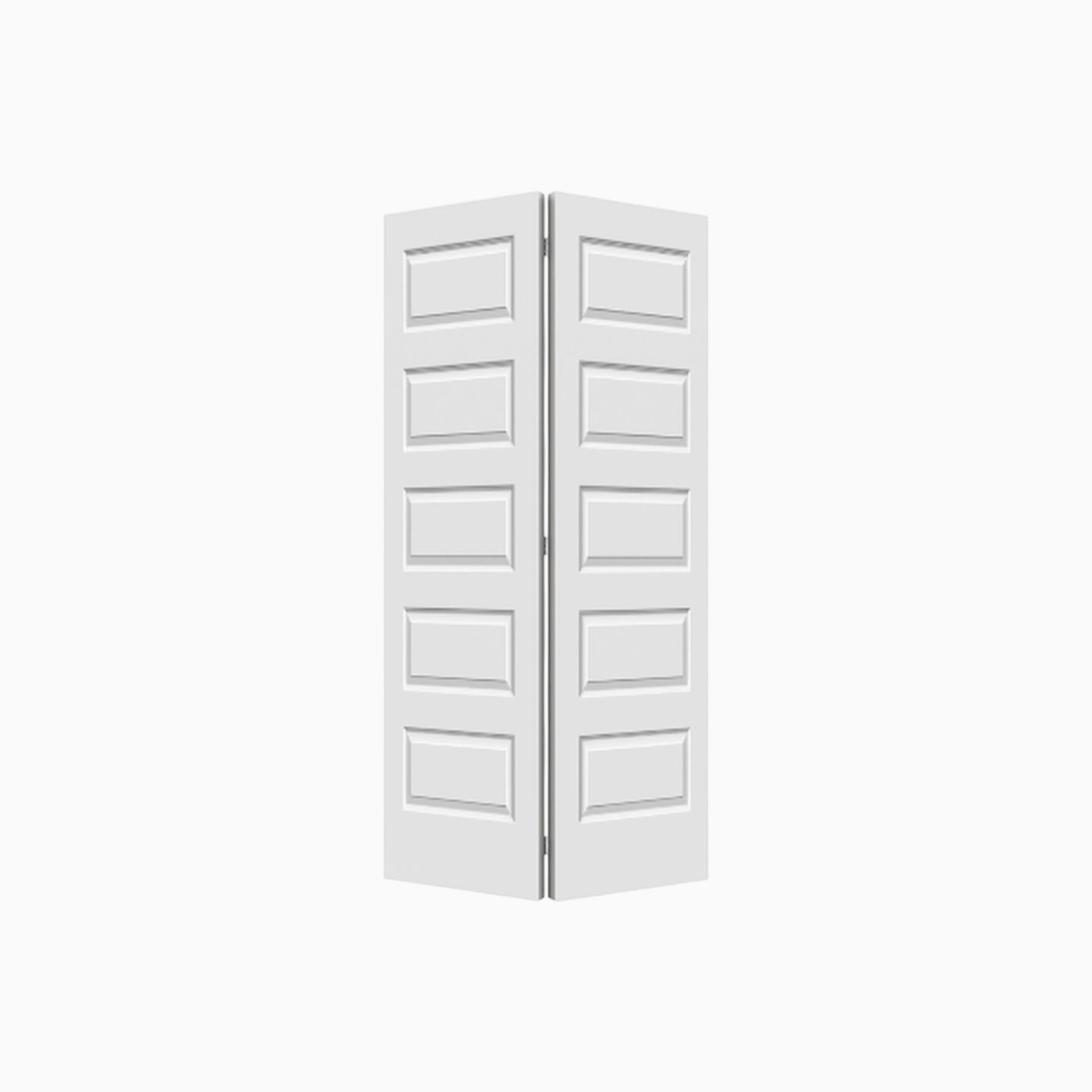
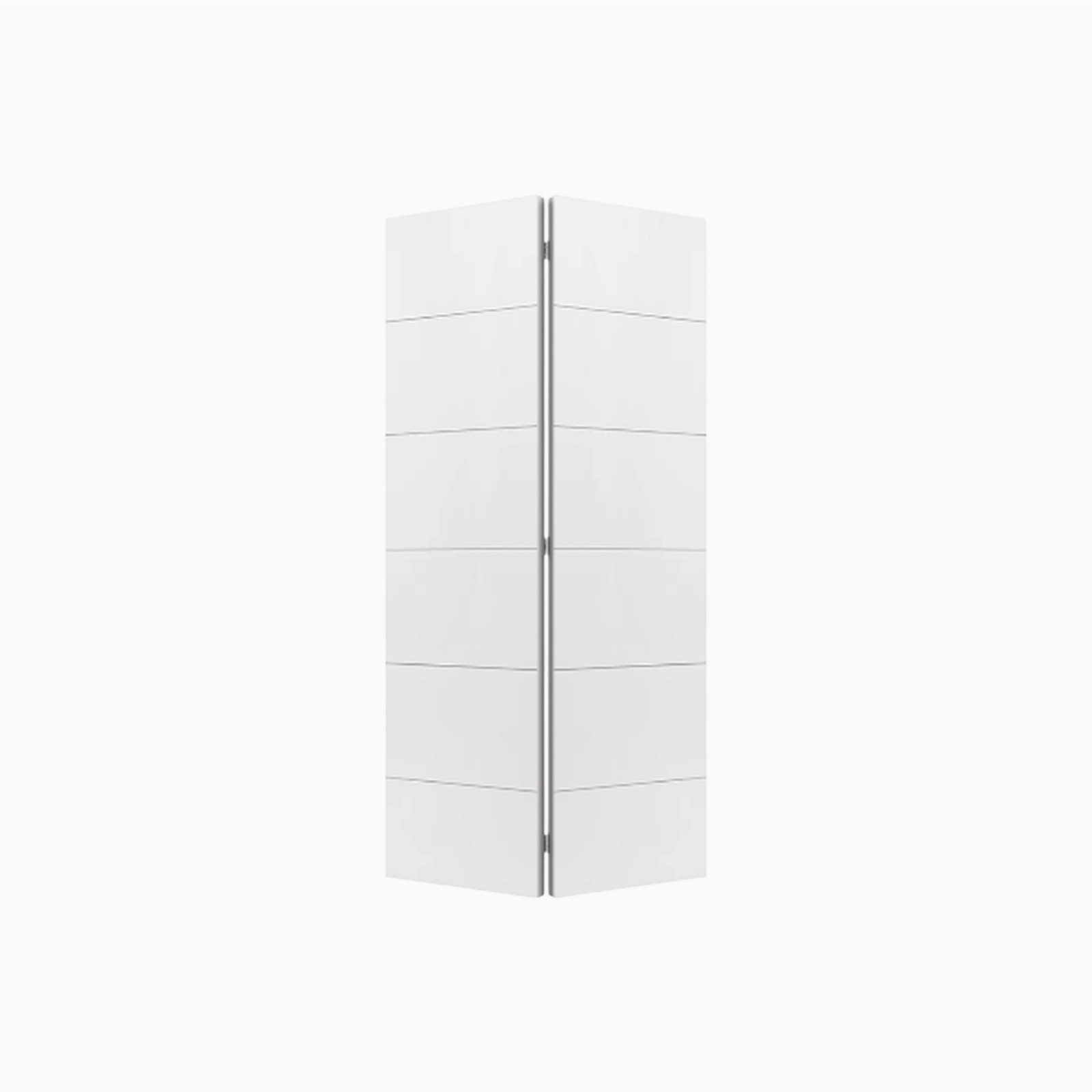
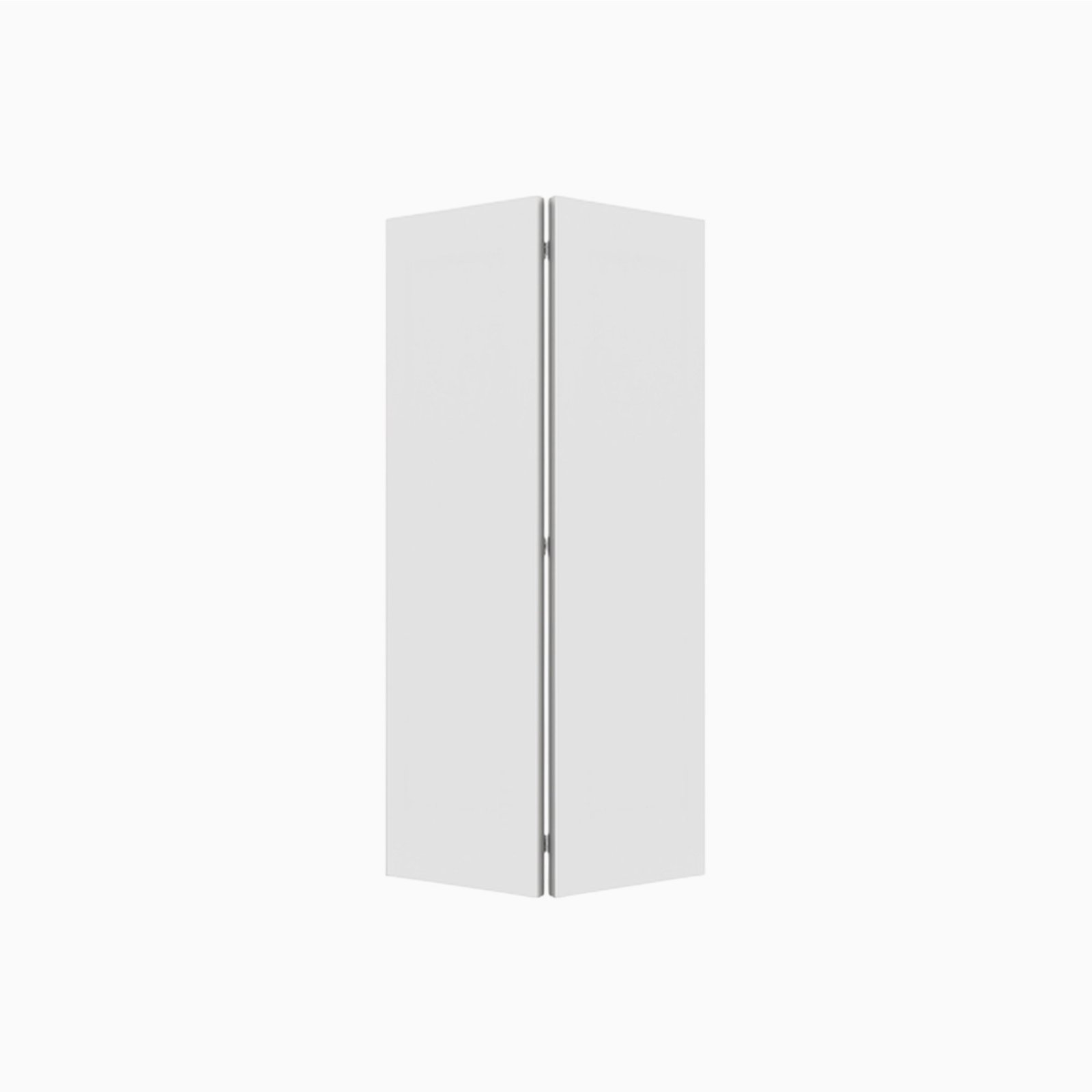
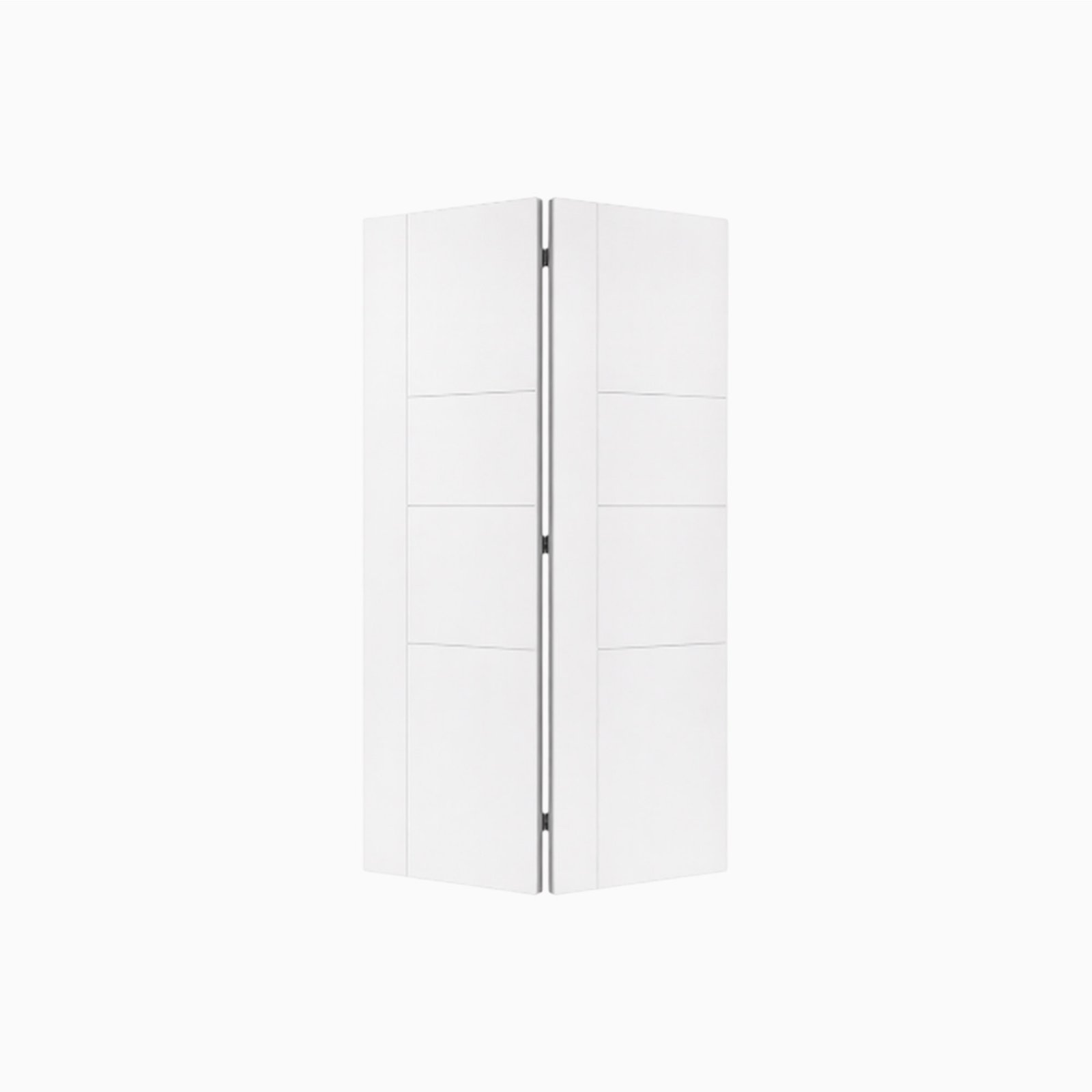
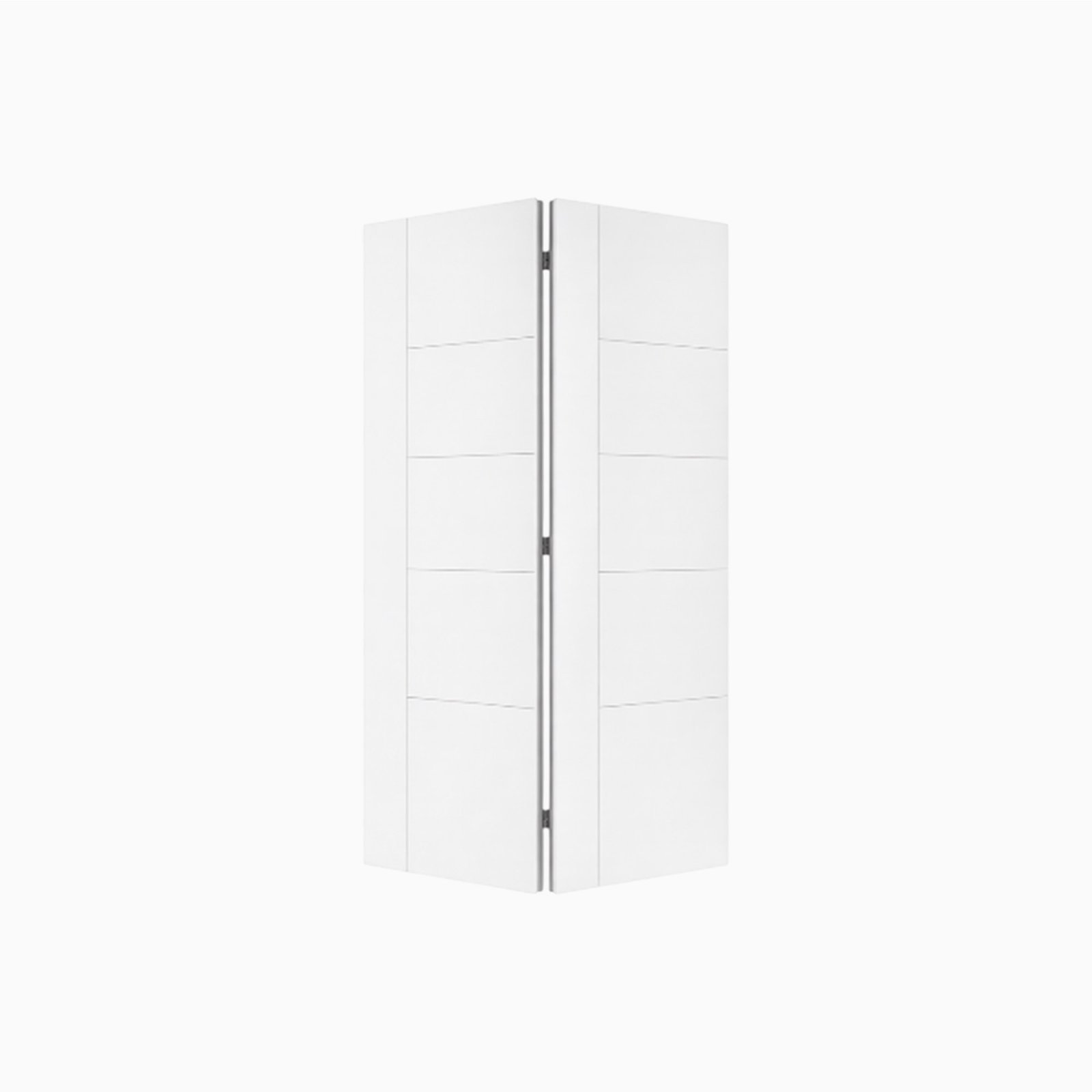
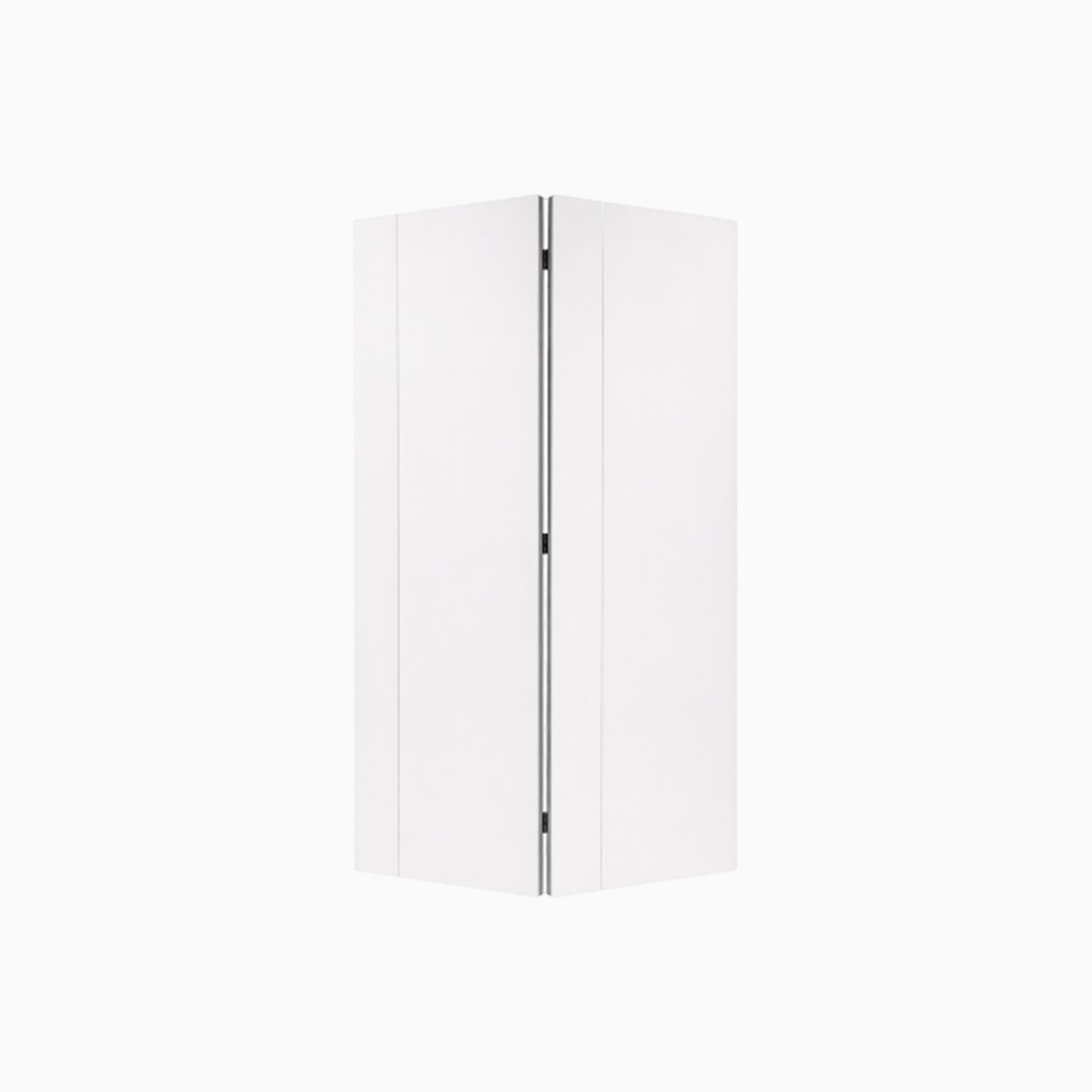
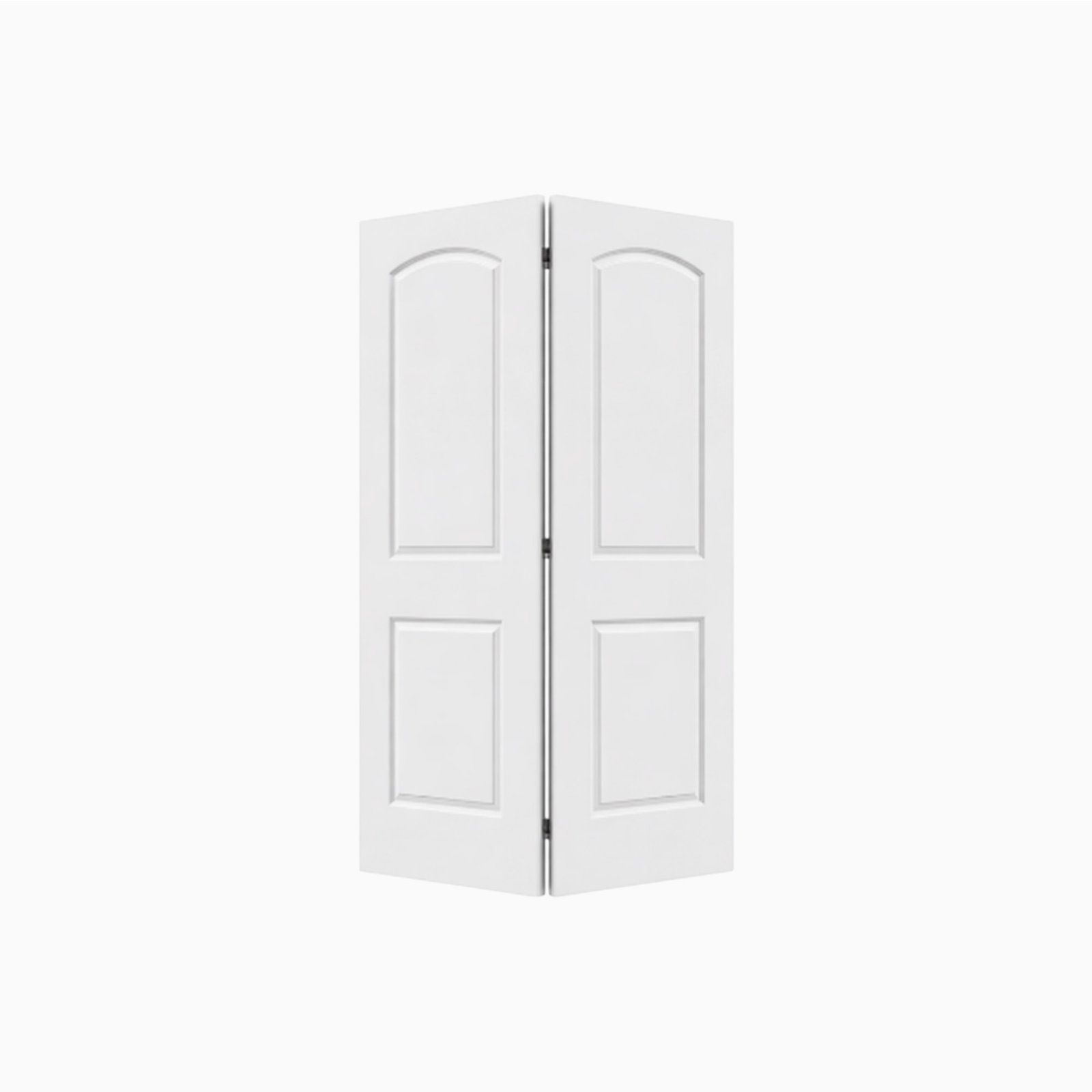
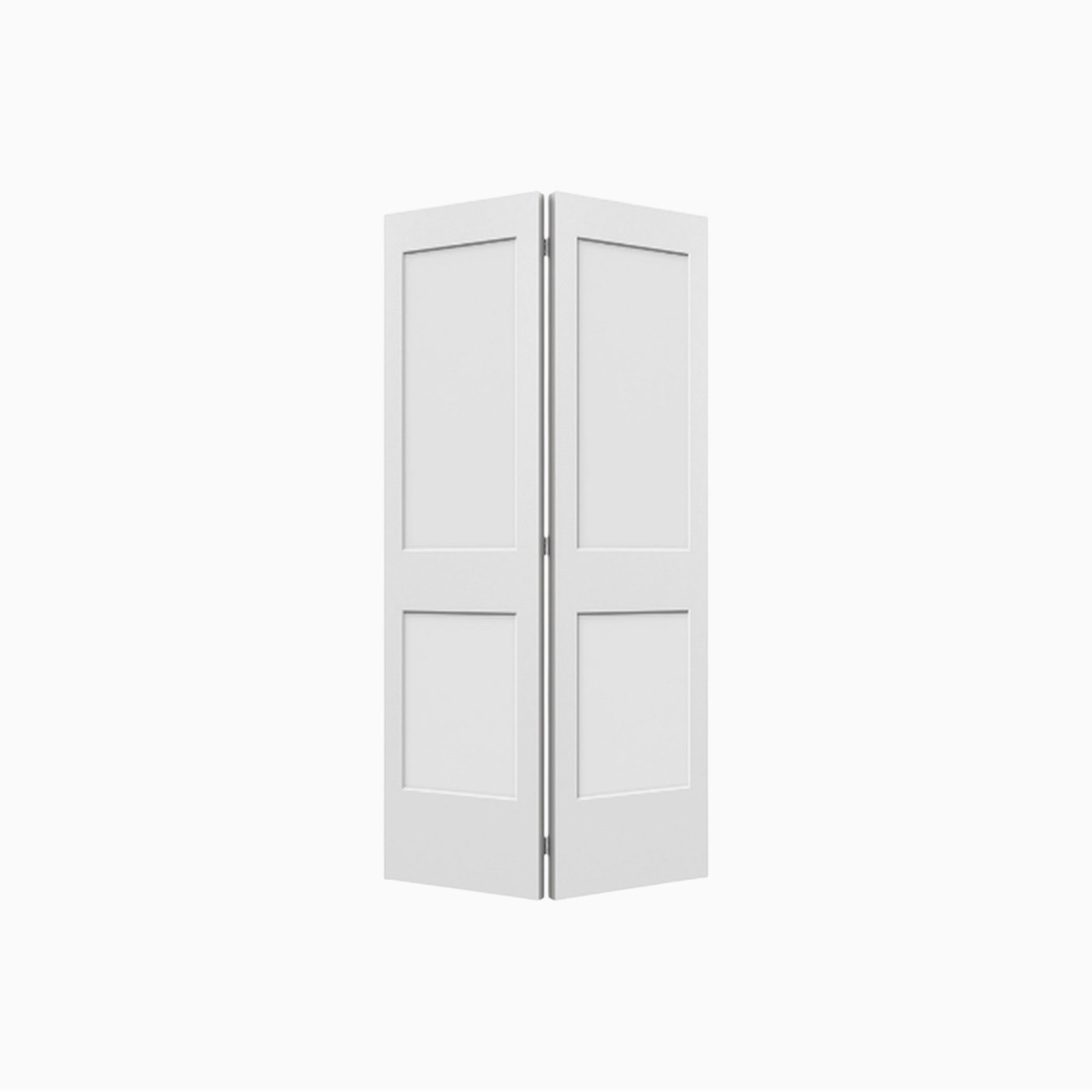
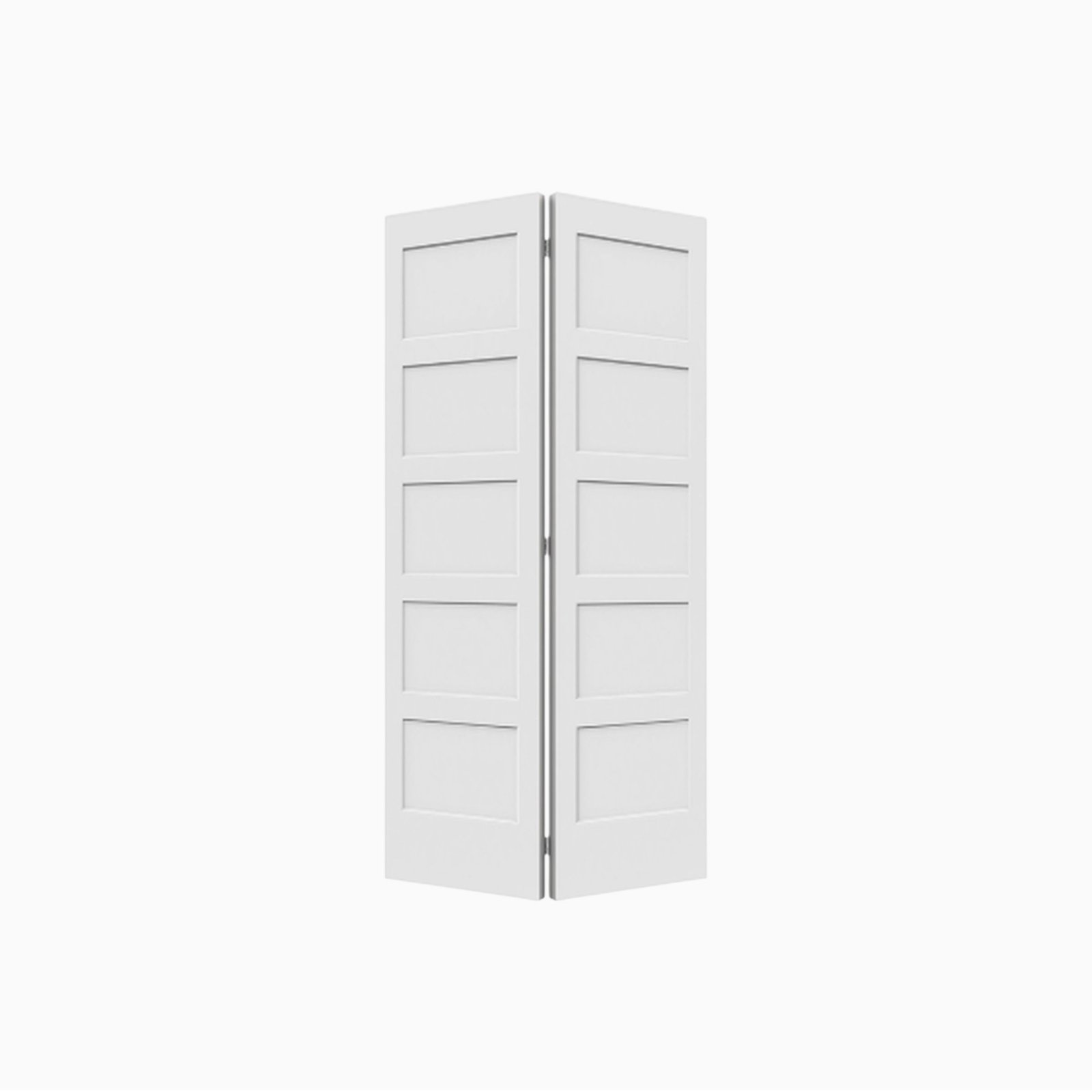
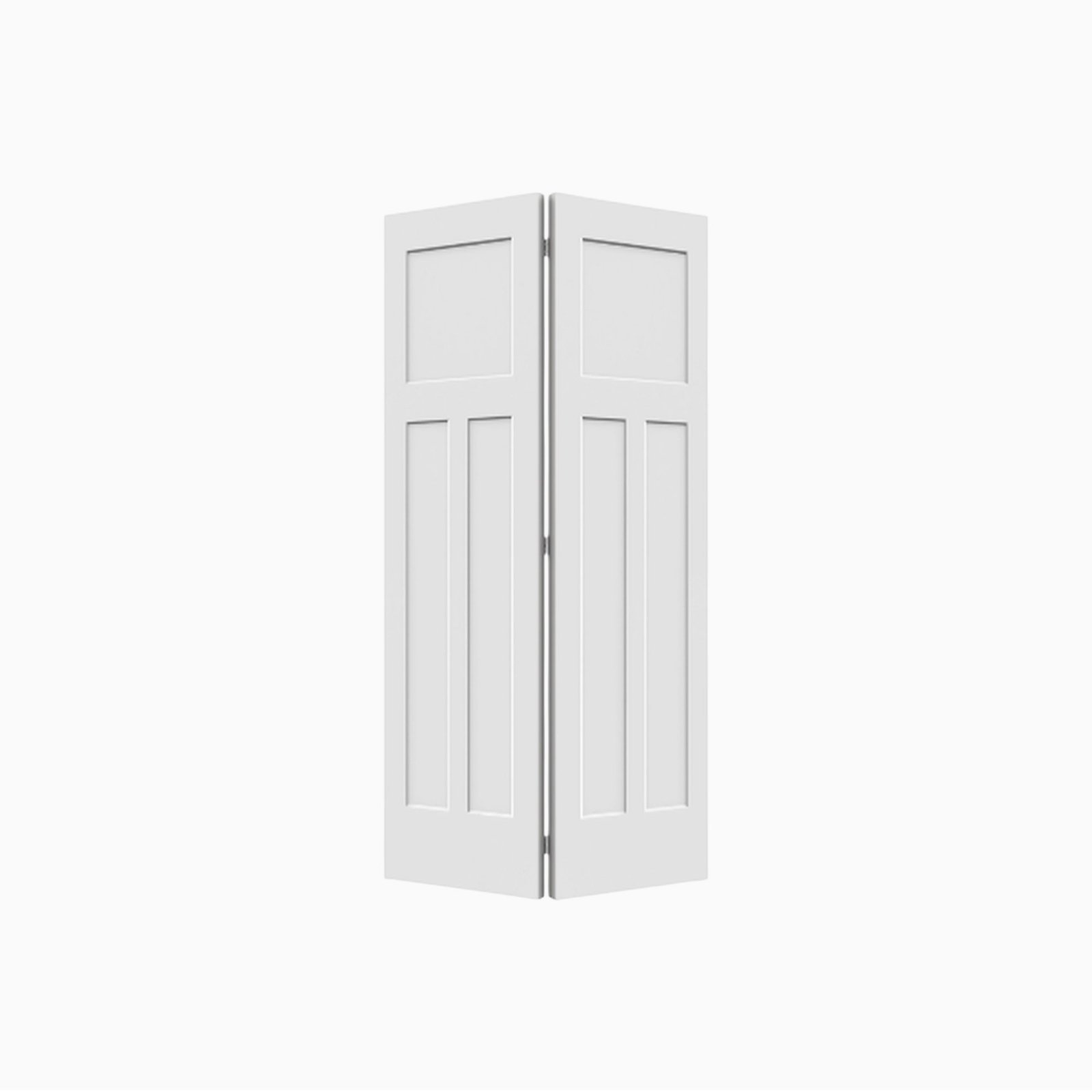
Bi-fold door systems designed to maximize usable openings while minimizing floor space. Popular as bifold closet doors, interior bifold doors and bifold pantry doors, Choose from molded, flush/flat, louvered, and glass panel styles — including louvered bifold doors and glass bifold doors, with configurations tailored to different opening sizes and project requirements. Available for bulk projects with local U.S. support. We also supply custom bifold doors and complete bifold door hardware kits for project orders.
Bi-fold doors are folding door systems made of two or more hinged panels that fold and stack neatly to one or both sides of the opening. This space-saving design creates a wider usable passage while requiring less floor space than traditional swing doors, without the wall cavity needed for pocket doors.
Configurations can be tailored to the overall opening size and project requirements, with different panel counts available for different applications. Panel styles include molded, flush/flat, louvered, and glass doors, making it easy to coordinate bifold doors with other interior bifold door styles across the project.
UWG bifold doors use a top-hung bifold door hardware system: an aluminum bifold door track is fastened to the head jamb (typically 3/4" / 19mm in from the front edge, centered on the opening), and the panel's top pivot/guide pin rides inside it, carrying the door's weight and keeping it aligned as it folds. A pivot bracket at the floor anchors the bottom of the lead panel for lateral stability only — there's no track running along the floor, so the threshold stays clean and flush.

Bi-fold doors are configured as a set of panels to fit the overall door opening, rather than as a single door slab. Based on the opening size, different panel counts can be specified to create the appropriate configuration for each project.
| Size | A Width | B Height | Single Panel Width |
|---|---|---|---|
| 24"X80" | 23 1/2" | 79" | 11 3/4" |
| 30"X80" | 29 1/2" | 79" | 14 3/4" |
| 36"X80" | 35 1/2" | 79" | 17 3/4" |
| 48"X80" | 47 1/2" | 79" | 23 3/4" |
| 60"X80" | 59 1/2" | 79" | 29 3/4" |
| 72"X80" | 71 1/2" | 79" | 35 3/4" |
For the standard 2-panel system shown in our product information, a nominal 24" × 80" bifold set is produced at approximately 23-1/2" × 79" overall — nominal width minus 1/2" and nominal height minus 1" — to leave room for the track, pivots, guide hardware and operating clearance. Final production dimensions should be confirmed against the hardware set and shop drawing.
For detailed bifold door sizes and opening requirements, read our guide: Bifold Door Sizes, Dimensions and Opening Size Guide.
Our team can recommend a core type based on your project's climate, building code, and budget.
Core options can follow the corresponding interior door platform: hollow core bifold doors for lightweight standard applications and solid core bifold doors where additional weight, durability or feel is required. Hardware must be selected to suit the finished panel weight, especially on solid-core, taller or wider sets.

Header clearance — the top track and pivot bracket mount to the header (or the top jamb of an existing frame), so the header needs to be square and solid enough to hold the track under the door's operating weight.
UWG manufactures bifold doors for builders, contractors, distributors and project suppliers as a matched door-and-hardware package. Standard and custom programs can be configured around the opening schedule and the panel style used elsewhere in the project.
A bifold door is a folding door made of two or more panels joined by hinges, mounted to a top track (and sometimes a bottom guide) so the panels fold and stack to the side of the opening instead of swinging into the room.
Bypass and pocket doors are both sliding doors — bypass panels run on two overlapping tracks and only open half the width at a time, while pocket doors slide sideways into a cavity built into the wall. A bifold door doesn't slide at all; its panels fold on hinges, which is what lets it clear the entire opening width and avoid needing any wall cavity.
Top-hung systems carry the door's full weight from the header and keep the floor clean, and are the standard choice for most closet doors. Bottom-supported systems add a floor track for extra support and suit heavier panels, taller doors, or wide double-configuration openings — at the cost of a shallow track groove at the threshold.
Standard single (2-panel) configurations run 24" to 36" wide; double (4-panel) configurations run 48" up to 96" wide, for openings a single set can't cover. Standard height is 80", with 84" and 96" available. Custom sizes can be built to match non-standard openings.
Yes — louvered panels are commonly specified for laundry and utility closets that need ventilation, and mirror-panel bifold doors are a common choice for wardrobe and dressing-area openings.
Not in the same way. Bifold hardware mounts directly to the existing jamb and header, so doors are sized to the finished opening (the inside dimension of the frame) rather than to a rough framing opening.
Molded and flush bifold panels ship primed and paint-ready. Because the face is typically MDF rather than natural wood grain, they're generally not suited to stain — paint or laminate wrap is recommended.

Lightweight bifold door hardware is ideal for residential closets and interior applications where smooth operation and easy installation matter most. Heavy-duty bifold hardware is better suited for larger or heavier door panels in commercial and high-traffic environments.

The two main bi-fold door styles are Shaker and molded. Shaker bi-fold doors feature clean, flat recessed panels with a modern and simple appearance, making them suitable for contemporary and upgraded residential interiors.

In most cases, bi-fold door failures are not caused by the door panels themselves, but by improper hardware selection, low-quality components, or incorrect installation practices.
This website uses technologies such as cookies to enable basic website functions, as well as for analytics, personalization, and targeted advertising. To learn more, please view the following link: Privacy Policy.