When lumber quotes rise, replacing solid wood with an engineered product may look like an easy saving. The decision becomes more useful when it starts with the component: a structural header, painted casing, cabinet front, and door jamb have different requirements.
This guide explains where alternative wood materials fit, how to compare their costs, and what to include in a supplier quotation so the saving survives fabrication and installation.
Which Wood Materials Can Help Control Project Costs?
Use the required function and finish to shortlist materials before comparing prices.
| Component | Materials worth comparing | What determines the saving? |
|---|---|---|
| Structural beams and headers | Specified sawn lumber and structural LVL | Required member size, grade, span, connections, handling, and installation |
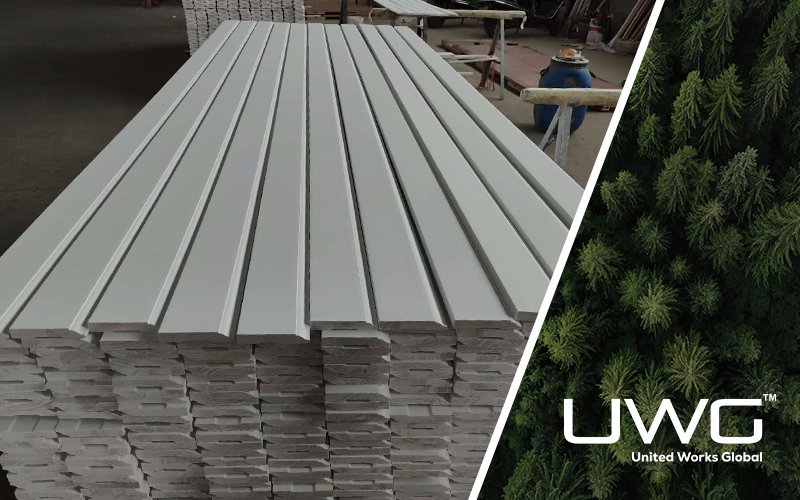
| Painted interior casing and baseboards | MDF, finger-jointed wood, and solid wood | Profile, stock length, cut yield, priming, and final paint preparation |
| Door jambs and frame components | Specified solid wood, finger-jointed wood, or engineered frame products | Hardware fastening, finished dimensions, machining, and adjustment labor |
| Painted cabinet fronts and decorative panels | MDF and suitable wood-based panel constructions | Surface preparation, edge finishing, machining, and finish specification |
| Cabinet boxes and shelving | Specified plywood or particleboard products | Thickness, shelf design, fastening, edging, and exposure conditions |
These are comparisons within an application. MDF decorative trim cannot replace a structural header, and an LVL door-frame substrate is not automatically a structural beam product.
MDF for Painted Interior Trim and Panels
MDF is made from wood fibers bonded with resin under heat and pressure. Its smooth, uniform surface makes it a practical candidate for painted casing, baseboards, cabinet fronts, and decorative panels.
Compare the finished component rather than the bare board. Include profiling, cut-edge preparation, primer, final coats, and handling. A lower sheet price can lose its advantage if the quote excludes machining or finishing that another supplier includes.
For bathrooms or locations with moisture exposure, specify the required MDF grade and finish system before requesting prices. Ordinary interior MDF and products made for enhanced moisture resistance are different purchasing options.
Once the material and finish are selected, compare the available profiles and dimensions in the moulding and trim collection against the project schedule. Keeping repeated profiles consistent makes quotes and replacement quantities easier to reconcile.
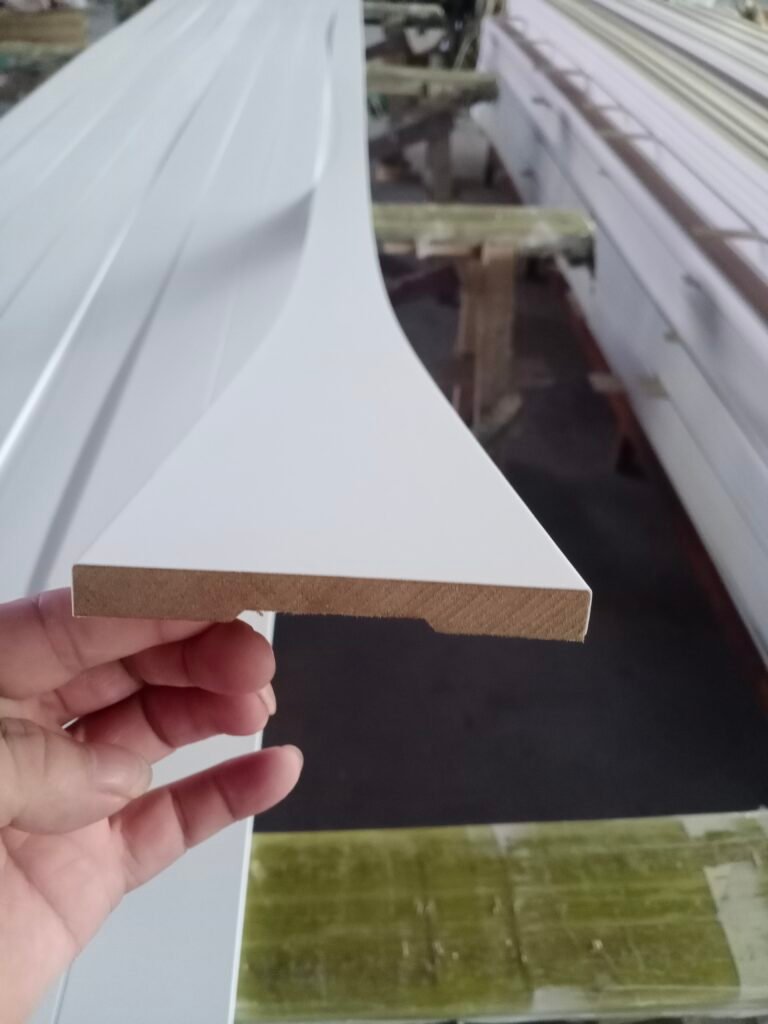
Finger-Jointed Wood for Paint-Grade Millwork
Finger-jointed wood joins shorter timber sections into longer components. It is worth comparing with clear solid wood when the project calls for painted casing, stops, or suitable jamb products.
Request the same finished dimensions, joint appearance requirements, primer, and machining from each supplier. For a jamb, include hinge and strike preparation; for casing, include the required profile and usable lengths.
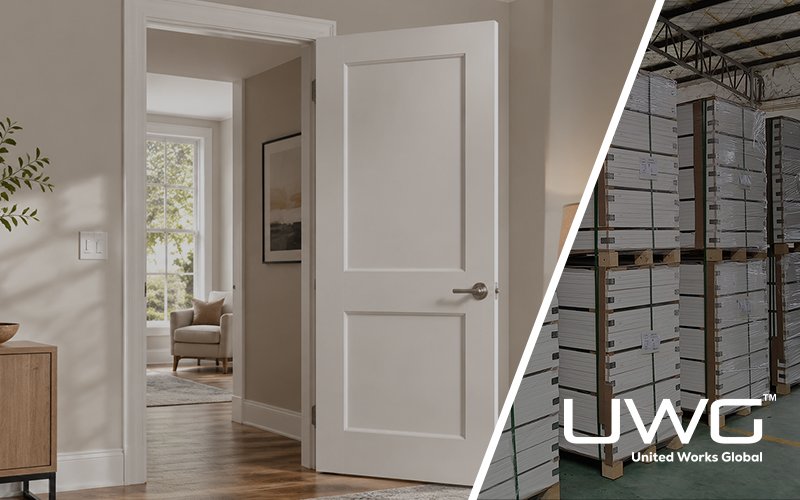
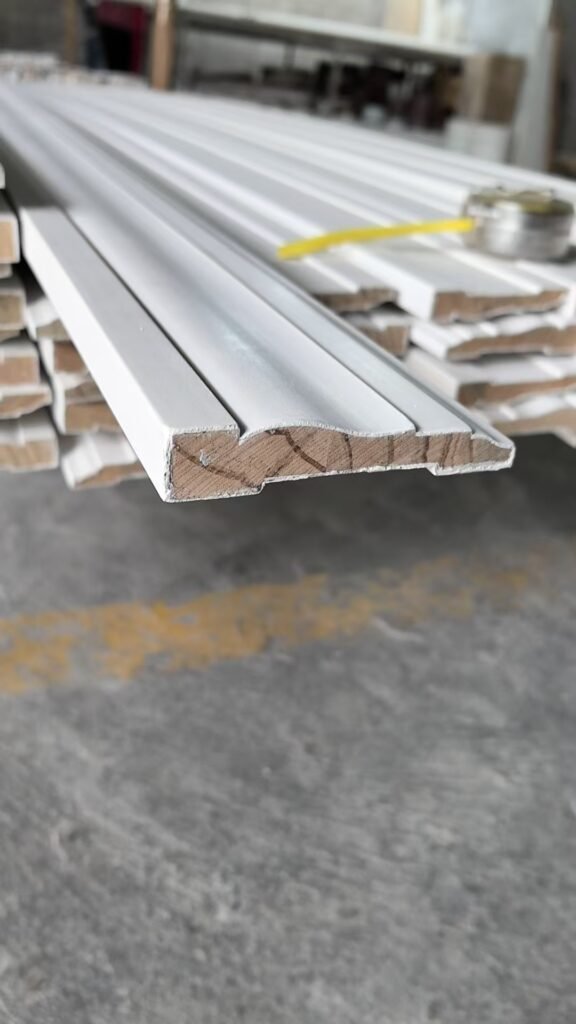
The distinction matters around an interior door: casing covers the perimeter joint, while the jamb receives hardware and supports the door. Use the interior door trim and casing guide to separate those components before building a material allowance for each opening.
LVL for Specified Structural Applications
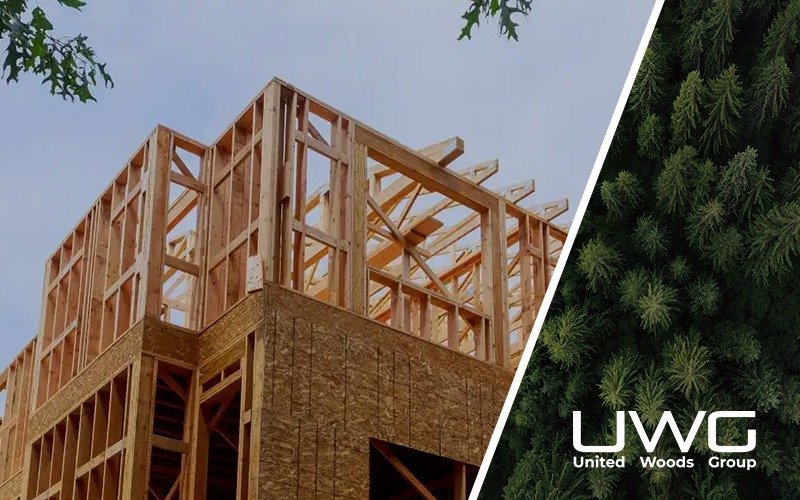
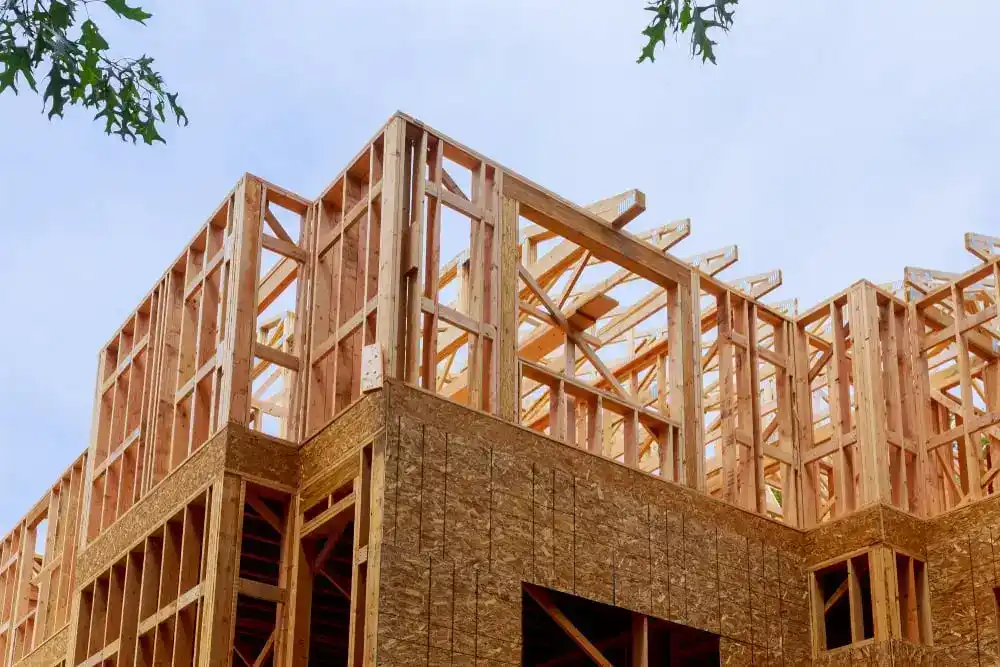
Laminated veneer lumber bonds wood veneers into engineered members. Structural LVL is used in applications such as beams and headers, but its value comes from meeting the required design efficiently rather than from being universally cheaper than sawn lumber.
Compare the complete specified assembly: member dimensions, number of plies, connections, bearing requirements, delivery, and installation. A change of material also needs a corresponding design selection; equal dimensions do not establish equal capacity.
Plywood and Particleboard for Cabinet Components
For cabinet boxes and shelving, compare the specified panel construction rather than treating every engineered board as equivalent. Thickness, panel grade, shelf dimensions, fasteners, surface finish, and edge treatment affect the finished component.
Price cabinet fronts separately from boxes. A project may use MDF for a painted front and another panel construction for the carcass. Asking for one material throughout the cabinet can conceal opportunities to allocate the budget more effectively.

Compare Cost per Usable Component
Board, sheet, or linear-foot prices are only comparable when dimensions, grade, finish, and delivery scope match. For purchasing decisions, calculate the cost of the usable output.
Material cost per usable unit = delivered material cost ÷ usable output after cutting and rejected pieces.
Then add machining, finishing, installation, and any separately charged disposal or storage costs. Count each item once: material lost during cutting is already reflected in usable output.
A Trim Cost Example
The figures below are illustrative calculations. Assume both options meet the same finished trim specification.
| Cost item | Option A | Option B |
|---|---|---|
| Delivered material cost | $1.20 per purchased linear foot | $1.30 per purchased linear foot |
| Usable yield | 85% | 95% |
| Material cost per usable linear foot | $1.41 | $1.37 |
| Machining and finishing per usable linear foot | $0.35 | $0.20 |
| Installation per usable linear foot | $0.80 | $0.80 |
| Total per usable installed linear foot | $2.56 | $2.37 |
Option B costs more per purchased foot but approximately $0.19 less per installed usable foot. Across 10,000 usable linear feet, the unrounded calculation produces a difference of about $1,900.
This is why stock lengths and finish scope belong in the quotation comparison. A lower purchase price can be outweighed by offcuts or additional preparation.
Check Stock Lengths Before Increasing Order Volume
Build the cutting schedule from the actual required pieces. For casing, identify vertical legs and heads separately, including whether one or both sides of each opening need trim. For panel products, compare sheet layouts using the required part sizes.
Include saw kerf, end trimming, defects, and the minimum reusable offcut length. Longer stock does not automatically improve yield; the result depends on how the required pieces fit.
Record actual offcuts and shortages from the first installation batch, then adjust later releases.
What Should a Comparable Supplier Quote Include?
Give suppliers the same component schedule and ask them to identify exclusions. Use this checklist to prevent a cheaper quote from covering less work.
| Quote item | Required detail |
|---|---|
| Component and quantity | Part name, drawing reference, quantity, and purchasing unit |
| Material | Species or panel/product type, grade, and application |
| Dimensions | Finished thickness, width, length, profile, and agreed tolerances |
| Machining | Cutting, routing, drilling, and hardware preparation included |
| Finish | Raw, primed, or finish-coated; treatment of cut edges and ends |
| Packaging | Protection, bundle identification, and quantities by release |
| Delivery | Delivery point, unloading responsibilities, freight, and separately charged import costs |
| Commercial terms | Currency, minimum order, payment schedule, quote expiry, and price-adjustment terms |
| Acceptance | Inspection criteria and responsibility for damaged, missing, or nonconforming pieces |
For repeat orders, agree which specifications stay fixed and how changes are priced. A supplier relationship alone does not fix the price; the quotation or agreement must state the applicable period and quantities.
Match Bulk Orders to the Installation Schedule
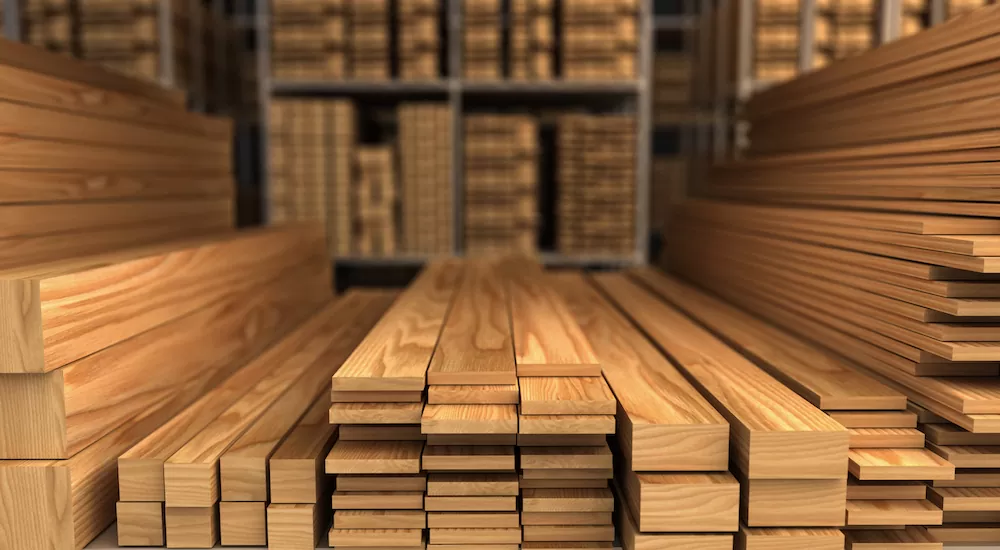
Compare one large delivery with scheduled releases. Put any unit-price discount beside storage, handling, financing, and expected damage costs. Buying more is useful only when the project can use and protect the material.
For repeated apartment layouts, group components by building or installation phase. Keep the material schedule, packaging labels, and receiving quantities aligned so crews can find the right parts without opening every bundle.
The multifamily building-material solutions page provides a relevant starting point for discussing a coordinated project package. Use the same component schedule when comparing a combined package with separate purchases.
A local stockist may offer a shorter replenishment route, while an overseas order may suit a planned production release. Compare the delivered quotation in each case. The seller’s location alone does not establish the product’s origin or import-cost treatment.
Conclusion
Cost-effective wood material selection starts with the component and ends with the installed cost. Compare MDF for suitable painted surfaces, finger-jointed wood for suitable paint-grade millwork, and structural LVL where the design calls for it. Keep cabinet fronts, boxes, door frames, and decorative trim as separate cost decisions.
Before awarding an order, align the specifications, test the cut yield, and include fabrication, finishing, freight, and installation. That comparison shows whether a material change reduces the project’s cost or merely lowers the price on the purchase order.
Frequently Asked Questions
What are cost-effective alternatives to solid wood for building projects?
MDF is a candidate for painted interior trim and panels, finger-jointed wood for suitable paint-grade millwork, and LVL for specified structural members. Plywood and particleboard can serve specified cabinet components. Choose by component function and compare the total delivered, fabricated, and installed cost.
Is LVL cheaper than dimensional lumber?
LVL is not universally cheaper. Compare assemblies that meet the same structural requirements, including member size, grade, connections, handling, and installation. Its cost advantage must come from the actual design and quotation.
Can MDF replace structural lumber?
No. Ordinary MDF used for cabinetry and decorative interior trim is not a replacement for structural beams, headers, or framing lumber. Select a structural product with the required design properties for those applications.
Does buying wood materials in bulk always save money?
No. Compare the volume discount with storage, financing, handling, damage, and unused inventory. Scheduled deliveries may reduce those expenses if the supplier’s release terms support the project schedule.
How do builders compare wood material quotes fairly?
Use matching component specifications and delivery scope. Divide delivered material cost by usable output, then add machining, finishing, installation, and separate storage or disposal charges. This reveals costs hidden by a low board, sheet, or linear-foot price.