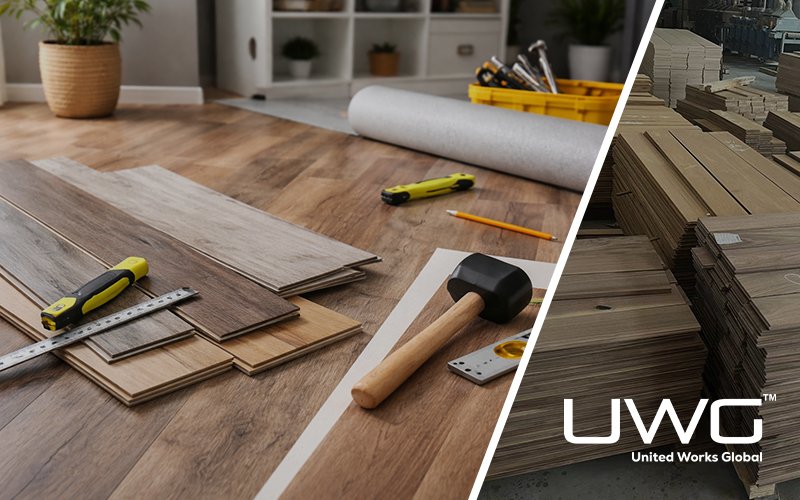
Vinyl flooring has rapidly become one of the most popular flooring choices in modern residential and commercial construction. Known for its durability, water resistance, and realistic wood or stone appearance, it is widely used in apartments, single-family homes, and renovation projects across North America and Europe. Among the various types, Luxury Vinyl Plank (LVP) and Luxury Vinyl Tile (LVT) stand out as the most specified options by builders, developers, and distributors.
As a supplier working closely with builders and flooring distributors, we’ve seen firsthand how vinyl flooring has replaced traditional materials like hardwood and laminate in many projects due to its performance, cost-efficiency, and ease of installation.
Vinyl flooring (LVP/LVT) is a multi-layer synthetic flooring product made primarily from PVC, designed to replicate the appearance of natural wood or stone while offering superior water resistance, durability, and ease of maintenance. LVP comes in plank form to mimic hardwood, while LVT is tile-shaped for stone or ceramic looks. It is widely used in residential and commercial spaces due to its affordability, simple installation methods (click-lock, glue-down, or loose lay), and strong performance in moisture-prone areas like kitchens and bathrooms.
What is Vinyl Flooring?
Vinyl flooring is a resilient flooring material composed of multiple layers, typically including:
- Wear layer (protective coating)
- Printed design layer (wood/stone visuals)
- Core layer (SPC, WPC, or PVC)
- Backing layer (stability and support)
Unlike natural materials, vinyl flooring is engineered to provide consistent quality, water resistance, and dimensional stability, making it suitable for high-traffic and moisture-prone environments.
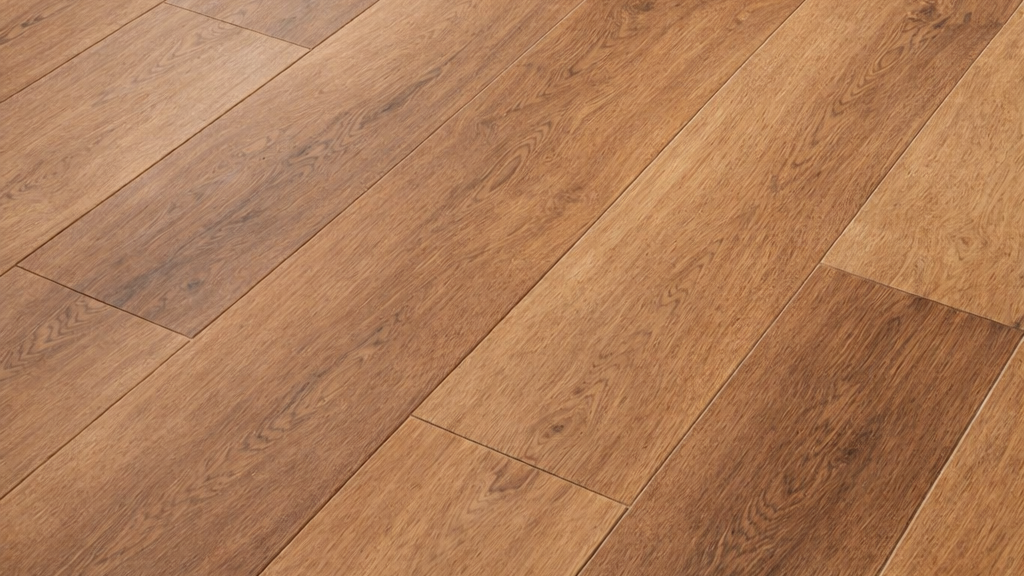
Types of Vinyl Flooring: LVP vs LVT
Vinyl flooring is mainly divided into two categories:
| Type | Full Name | Appearance | Common Use | Format |
| LVP | Luxury Vinyl Plank | Wood look | Living rooms, bedrooms | Plank |
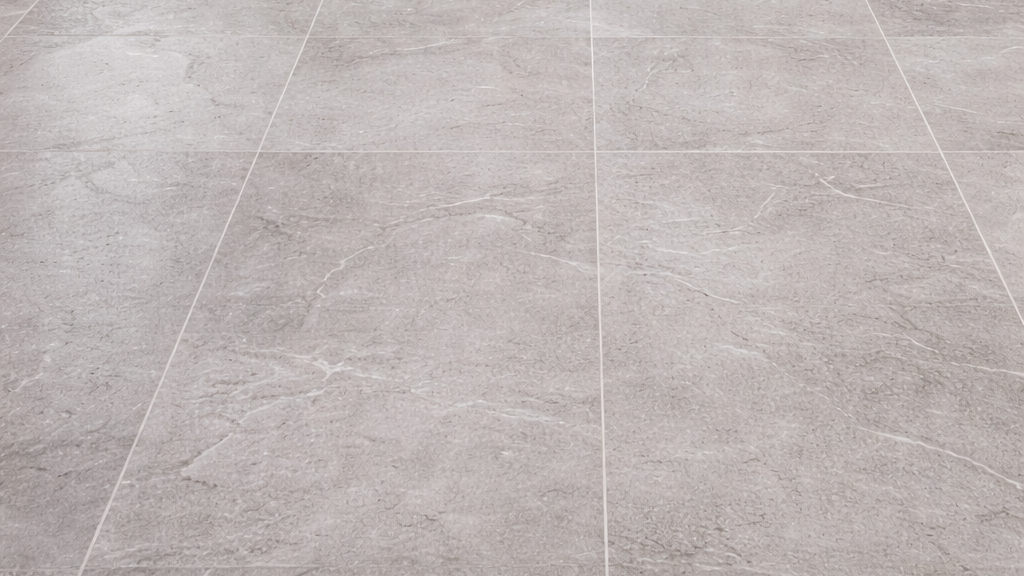
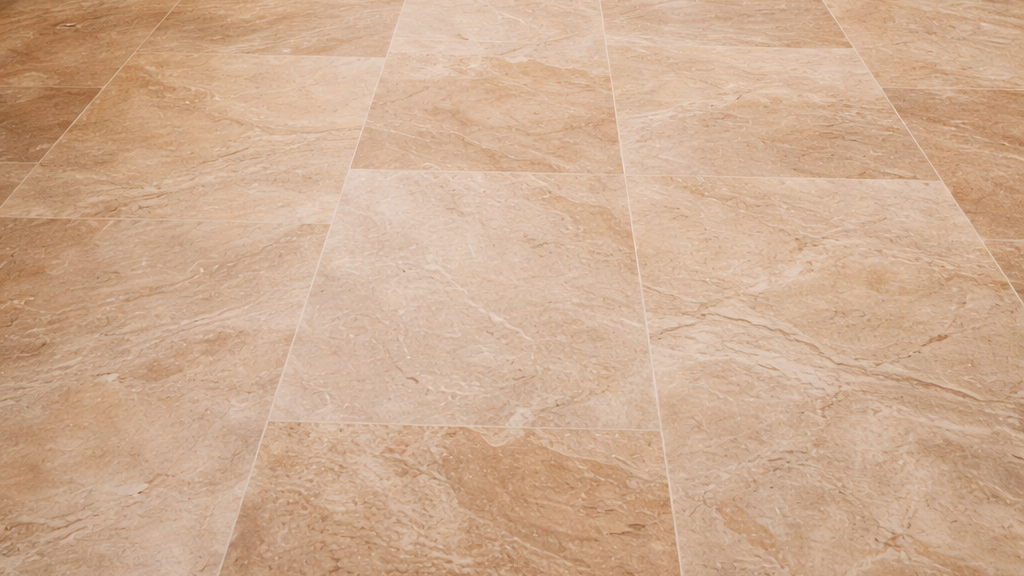
| LVT | Luxury Vinyl Tile | Stone/ceramic look | Kitchens, bathrooms | Tile |
Key Differences
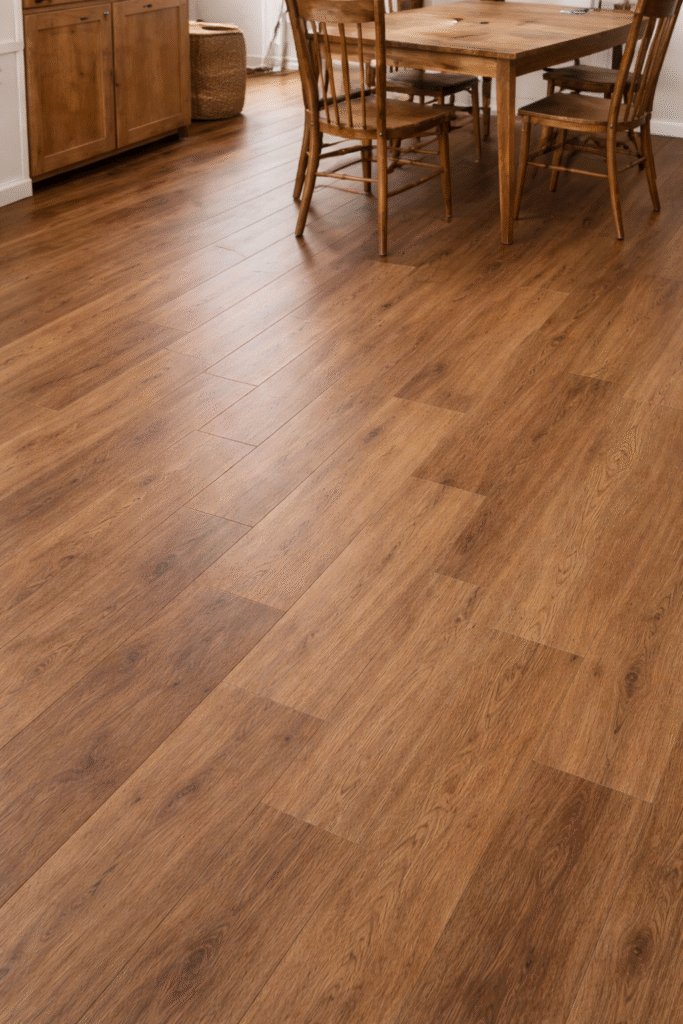
- LVP is designed to replicate hardwood flooring with long plank shapes.
- LVT mimics natural stone or ceramic tiles with square or rectangular formats.
From our project experience, LVP dominates residential projects, while LVT is more common in commercial or high-end design applications.
Core Structures: SPC vs WPC vs Dry Back
Understanding the core structure is essential when selecting vinyl flooring:
| Type | Core Material | Features | Best For |
| SPC | Stone Plastic Composite | Rigid, waterproof, stable | High-traffic, commercial |
| WPC | Wood Plastic Composite | Softer, quieter, thicker | Residential comfort |
| Dry Back | Flexible PVC | Glue-down installation | Large commercial areas |
Practical Insight
- SPC flooring is currently the most popular due to its stability and cost-performance balance.
- WPC flooring offers better foot comfort but comes at a higher cost.
- Dry back LVT is preferred in projects requiring strong adhesion and long-term durability.
Installation Methods
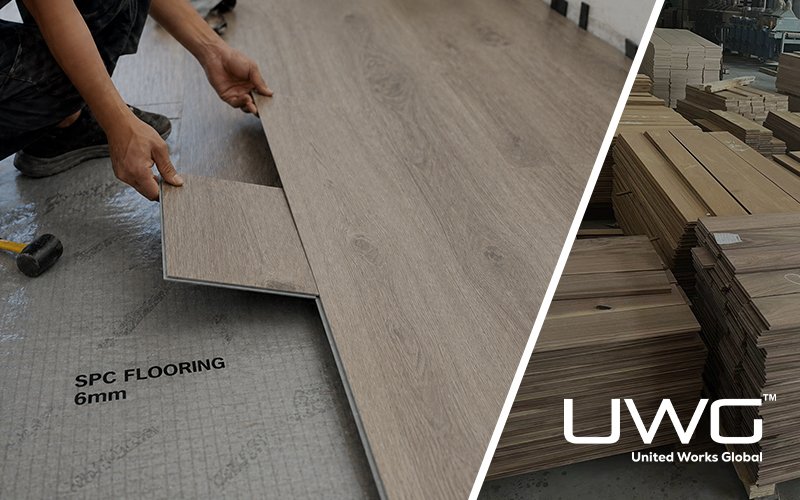
Vinyl flooring is known for its flexible installation options:
1. Click-Lock (Floating Floor)
- No glue required
- Fast installation
- Ideal for DIY or quick projects
2. Glue-Down
- Strong and permanent
- Suitable for large commercial spaces
- Requires professional installation
3. Loose Lay
- Minimal adhesive
- Easy replacement
- Common in temporary or modular designs
👉 In most residential projects, click-lock systems like Unilin or 5G locking are the preferred choice due to speed and convenience.
Benefits of Vinyl Flooring
1. Waterproof Performance
Vinyl flooring is 100% waterproof, making it ideal for:
- Kitchens
- Bathrooms
- Basements
2. High Durability
With a strong wear layer, it resists:
- Scratches
- Stains
- Daily wear and tear
3. Cost-Effective
Compared to hardwood or stone:
- Lower material cost
- Lower installation cost
4. Easy Maintenance
- No polishing required
- Simple cleaning with water or mild detergent
5. Design Versatility
Modern printing technology allows:
- Realistic wood grain
- Stone textures
- Wide color options
Vinyl Flooring vs Other Flooring Options
| Feature | Vinyl (LVP/LVT) | Hardwood | Laminate |
| Water Resistance | ✅ Excellent | ❌ Poor | ⚠️ Limited |
| Cost | ✅ Affordable | ❌ Expensive | ✅ Moderate |
| Installation | ✅ Easy | ❌ Complex | ✅ Easy |
| Maintenance | ✅ Low | ❌ High | ⚠️ Medium |
| Durability | ✅ High | ⚠️ Medium | ⚠️ Medium |
👉 From a builder’s perspective, vinyl flooring offers the best balance between cost, performance, and aesthetics.
Common Applications
Vinyl flooring is widely used in:
Residential Projects
- Single-family homes
- Apartments
- Renovations
Commercial Projects
- Offices
- Retail stores
- Hotels
Developer Projects
- Multifamily housing
- Rental units
Based on our export experience, North American developers increasingly prefer SPC flooring for large-scale housing projects due to its consistency and fast installation.
How to Choose the Right Vinyl Flooring
When selecting vinyl flooring, consider:
1. Wear Layer Thickness
- 12 mil: Light residential
- 20 mil: Heavy residential / light commercial
- 22+ mil: Commercial use
2. Core Type
- SPC → durability
- WPC → comfort
3. Installation Method
- Click → fast & easy
- Glue-down → long-term stability
4. Project Type
- Rental projects → cost-effective SPC
- High-end homes → WPC or thick LVP
Conclusion
Vinyl flooring (LVP/LVT) has evolved into a high-performance, versatile flooring solution that meets the demands of modern construction and renovation projects. Its combination of water resistance, durability, affordability, and design flexibility makes it an ideal choice for both residential and commercial applications.
From our experience working with builders and distributors, vinyl flooring—especially SPC-based LVP—has become the go-to solution for large-scale projects, offering reliable performance and efficient installation.
If you are sourcing flooring for your next project, understanding the differences between LVP, LVT, and core structures will help you make a more informed and cost-effective decision.
Frequently Asked Questions About Vinyl Flooring (LVP & LVT)
Q: What is the difference between LVP and LVT flooring?
A: Both are types of luxury vinyl flooring, but they differ in format and appearance. LVP stands for Luxury Vinyl Plank, which is shaped into long, rectangular boards designed to mimic the exact look and grain of natural hardwood floors. LVT stands for Luxury Vinyl Tile, which comes in square or rectangular tiles specifically designed to replicate the appearance of natural stone, concrete, or ceramic tile.
Q: Is luxury vinyl flooring 100% waterproof?
A: Yes. Unlike natural hardwood or traditional laminate, luxury vinyl flooring (both LVP and LVT) is constructed from synthetic PVC and rigid core materials that are completely impervious to water. This makes vinyl flooring an excellent, worry-free choice for moisture-prone areas like kitchens, bathrooms, laundry rooms, and basements.
Q: Should I choose an SPC core or a WPC core for my vinyl flooring?
A: It depends on your priority. SPC (Stone Plastic Composite) has a highly rigid core that is incredibly durable and highly resistant to dents from heavy furniture or high foot traffic, making it perfect for commercial spaces and busy households. WPC (Wood Plastic Composite) has a slightly softer core mixed with wood byproducts, which makes it feel warmer and more comfortable underfoot, ideal for cozy residential bedrooms or living rooms.
Q: Is vinyl flooring hard to install?
A: Not at all. Most modern LVP and LVT products feature a “click-lock” edge system that allows the planks or tiles to snap together securely over the subfloor without the need for messy glues or nails. This “floating floor” method is incredibly fast and efficient for professional builders and highly accessible for DIY homeowners.
Articles that you may be interested in:
Best Flooring for Multi-Family Projects: Is SPC a Good Choice?
Noise-Reducing Flooring Solutions for Multifamily Projects (2026 Guide)