SPC flooring is growing in popularity due to its durability, waterproof properties, and stability. But did you know that choosing the right thickness can make a huge difference in performance and comfort? Let’s explore which SPC thickness works best for different applications.
For low-traffic residential areas like bedrooms or living rooms, 4–5.5 mm SPC flooring is ideal. High-traffic areas, including commercial spaces, benefit from 5.5–6.5 mm. Heavy-use commercial or hospitality areas should consider 7 mm or thicker. Using an underlayment can enhance comfort and noise reduction. Selecting the correct thickness ensures long-lasting durability, better stability, and a more comfortable walking experience.
What Is SPC Flooring?
SPC flooring, or Stone Plastic Composite flooring, is a type of rigid vinyl flooring known for its durability, waterproof properties, and dimensional stability. It combines a vinyl layer with a stone-plastic composite core, which makes it highly resistant to impact, moisture, and temperature changes compared to traditional vinyl or laminate flooring.
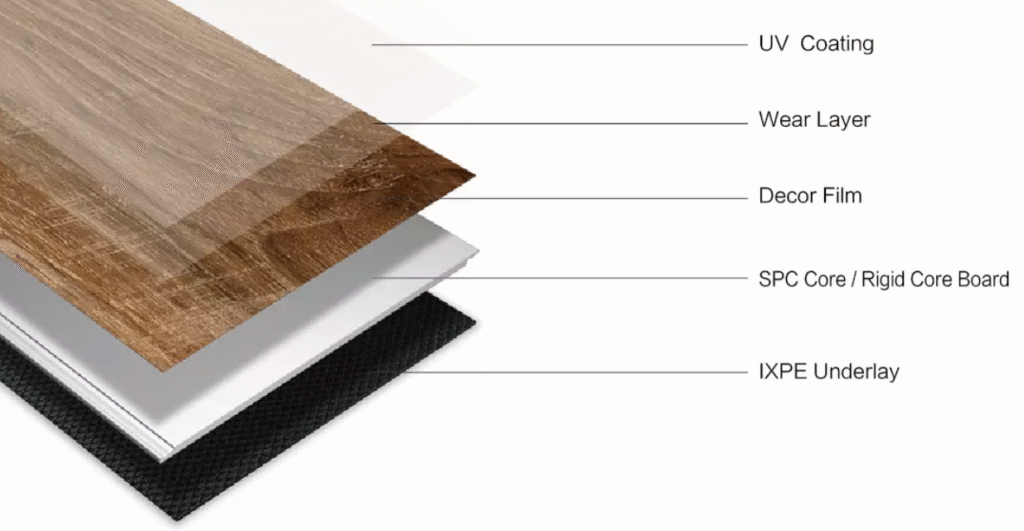
The typical SPC flooring structure includes:
- Wear Layer – A transparent, scratch-resistant layer that protects against daily wear and maintains the floor’s appearance.
- Decorative Layer – Printed designs that replicate wood, stone, or tile patterns.
- SPC Core – A dense, limestone-reinforced layer that provides rigidity, stability, and impact resistance.
- Backing / Balance Layer – Adds support and sometimes incorporates sound absorption or anti-slip properties.
SPC flooring is suitable for both residential and commercial applications, offering a durable, low-maintenance, and water-resistant solution. The thickness of SPC boards affects not only durability and stability but also comfort underfoot and noise absorption, making it an important factor when selecting the right product for your space.
SPC Flooring Thickness Options
SPC flooring is available in a range of thicknesses, typically from 4mm to 8mm or more, and each option is designed for different levels of use and performance requirements.
- 4–5mm SPC Flooring This is the most basic thickness, suitable for low-traffic residential areas such as bedrooms or closets. It is cost-effective and easy to install, but offers less comfort and sound insulation.
- 5.5–6.5mm SPC Flooring A common choice for standard residential use, this range provides a good balance between durability, comfort, and cost. It performs well in living rooms, kitchens, and general home environments.
- 6.5–7.5mm SPC Flooring Thicker boards offer improved stability, impact resistance, and sound absorption. This range is often used in higher-traffic residential areas or light commercial spaces.
- 8mm and Above Designed for commercial or heavy-use environments, thicker SPC flooring provides maximum durability, better foot feel, and enhanced noise reduction. It is ideal for offices, retail spaces, and high-traffic areas.
In general, thicker SPC flooring improves comfort, stability, and acoustic performance, but also increases material cost. The best choice depends on the specific application, traffic level, and project budget.
Factors to Consider When Choosing Thickness
Choosing the right SPC flooring thickness depends on several key factors related to the project environment and performance requirements.
Traffic Level Areas with higher foot traffic, such as living rooms, hallways, or commercial spaces, typically require thicker SPC flooring for better durability and long-term performance. Low-traffic areas can use thinner options.
Subfloor Condition The condition of the subfloor plays an important role. Thicker SPC flooring can better absorb minor imperfections and provide a more stable installation, while thinner boards require a flatter subfloor.
Comfort and Acoustics Thicker flooring generally offers improved foot feel and sound insulation, which is especially important in residential settings or multi-level buildings.
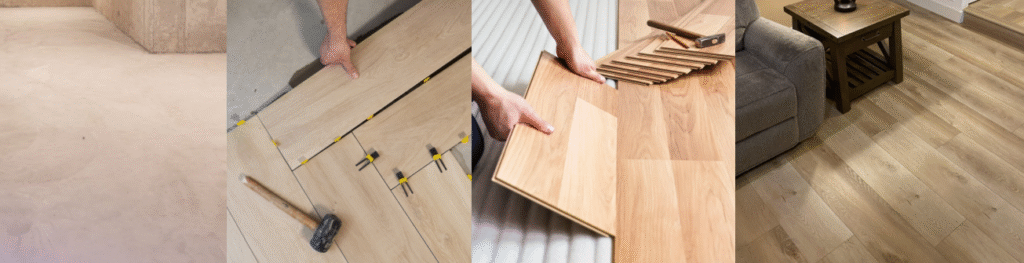
Installation Type Most SPC flooring uses click-lock systems, and slightly thicker boards often provide better locking strength and stability during installation.
Budget and Project Scope While thicker SPC flooring offers enhanced performance, it also comes at a higher cost. The ideal choice is to balance performance needs with budget constraints, especially in large-scale projects.
In practice, selecting the right thickness is about matching the flooring to the specific usage conditions and long-term expectations of the space.
Pros and Cons of Different Thicknesses
Different SPC flooring thicknesses offer varying levels of performance, comfort, and cost. Choosing the right option depends on how the space will be used.
| Thickness | Pros | Cons |
|---|---|---|
| 4–5mm | Cost-effective; easy to install; suitable for low-traffic areas | Less stable; lower comfort; limited sound insulation |
| 5.5–6.5mm | Balanced performance; good durability; widely used for residential projects | Moderate comfort; not ideal for heavy traffic |
| 6.5–7.5mm | Better stability; improved sound absorption; more comfortable underfoot | Higher cost than standard options |
| 8mm+ | Maximum durability; best comfort and noise reduction; suitable for commercial use | Highest cost; may be unnecessary for low-traffic areas |
In general, thicker SPC flooring provides better stability, comfort, and durability, while thinner options are more budget-friendly and suitable for lighter use.
SPC Thickness Recommendations for Residential and Commercial Use
In practice, SPC flooring thickness is often selected based on project type and usage requirements, and clear patterns have emerged across the industry.
For standard residential projects, most builders and developers prefer 5.5–6.5mm SPC flooring. This range offers a reliable balance between cost, durability, and installation performance, making it the most commonly used option in the market.
For higher-traffic residential areas or projects with higher quality expectations, 6.5–7.5mm is often recommended. It provides better stability, improved foot feel, and enhanced sound absorption.
In multifamily housing and commercial projects, especially where durability and noise reduction are important, 7mm to 8mm+ SPC flooring is more commonly specified. Thicker boards help handle heavy use and provide more consistent long-term performance.
From our experience supplying different projects, most large-scale developments tend to standardize around 5mm–6mm for cost efficiency, while upgrading to thicker options in key areas where performance matters more.
Overall, there is no single “best” thickness—industry practice shows that the right choice depends on balancing traffic level, comfort, and budget.
Summary
Choosing the right SPC flooring thickness is not about selecting the thickest option, but about matching the product to the specific needs of the project. Different environments, traffic levels, and budget expectations all influence the ideal choice, whether for residential, multifamily, or commercial use.
In practice, projects often require a balance between performance, cost, and installation efficiency, and different thickness options are selected accordingly.
From our experience working with builders and developers, flooring is often just one part of a broader material plan. We regularly support projects by coordinating multiple product needs—including flooring and related building materials—to help simplify sourcing and ensure consistency across the project.
If you have questions about selecting the right SPC flooring or coordinating materials for your project, we’re always available to assist.
Frequently Asked Questions About SPC Flooring Thickness
Q: What is the best thickness for SPC flooring in a residential home?
A: For standard residential homes, the ideal thickness for SPC flooring is between 5.5mm and 6.5mm. This range provides an excellent balance of durability, acoustic insulation, and comfort underfoot, making it perfect for high-traffic areas like living rooms and kitchens. For low-traffic spaces like closets or guest bedrooms, a more budget-friendly 4mm to 5mm thickness is usually sufficient.
Q: Do I need thicker SPC flooring for commercial spaces?
A: Yes. For commercial projects, high-traffic offices, or hospitality environments, it is highly recommended to use SPC flooring that is 7mm to 8mm thick (or higher). Thicker boards provide maximum dent resistance against heavy furniture and heavy foot traffic, while also offering superior sound absorption and long-term stability.
Q: Does the thickness of SPC flooring affect how it feels to walk on?
A: Absolutely. SPC flooring has a very rigid, dense stone-plastic core. Thinner boards (like 4mm) can feel quite hard and cold underfoot. Thicker boards (6.5mm and above) generally have more room for a thicker attached underlayment pad, which significantly improves the cushioning, making the floor feel warmer and much more comfortable to walk on.
Q: How does the subfloor condition affect the SPC thickness I should buy?
A: The condition of your subfloor plays a major role in your choice. If your subfloor has minor imperfections, bumps, or slight unevenness, you should choose a thicker SPC plank (6.5mm or higher). The thicker, rigid core will bridge these small gaps without telegraphing the bumps through the surface. Thinner SPC planks require a nearly perfectly flat and level subfloor to install correctly.
Articles that you may be interested in:
SPC vs LVP Flooring: Which Is Faster and Easier to Install for Contractors?
What is Vinyl Flooring (LVP/LVT)? Expert Guide on Types, Installation, and Benefits