The US residential construction market continues to evolve rapidly, driven by changing homeowner lifestyles, rising material costs, and a growing emphasis on functionality and long-term value. In 2026, interior design trends are no longer just about aesthetics—they are closely tied to durability, efficiency, and adaptability.
For builders, developers, and material suppliers, understanding these trends is critical to making the right product decisions and meeting market expectations. From door systems to flooring and layout planning, design choices now directly impact project value, maintenance costs, and buyer satisfaction.
1. Open-Concept Living Remains Dominant
Why it matters:
- Maximizes natural light
- Improves space efficiency
- Creates a modern, connected living environment
Impact on materials:
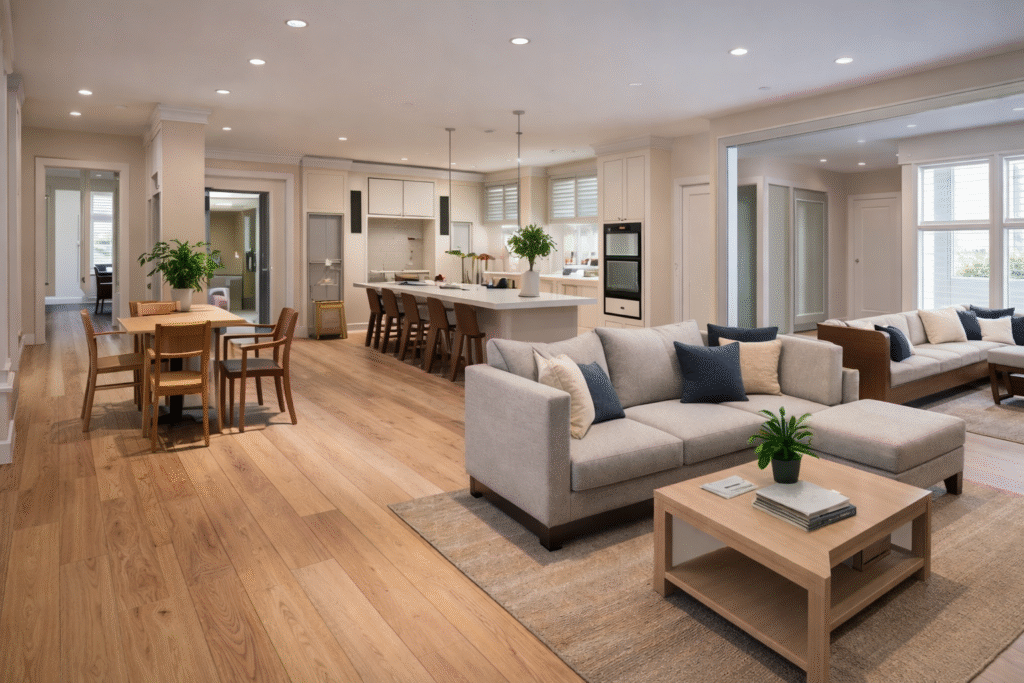
- Increased demand for wide-span flooring
- Fewer traditional swing doors
- More use of sliding and pocket doors
👉 From project experience, many builders now prefer layouts that reduce visual barriers and improve flow between kitchen, living, and dining areas.
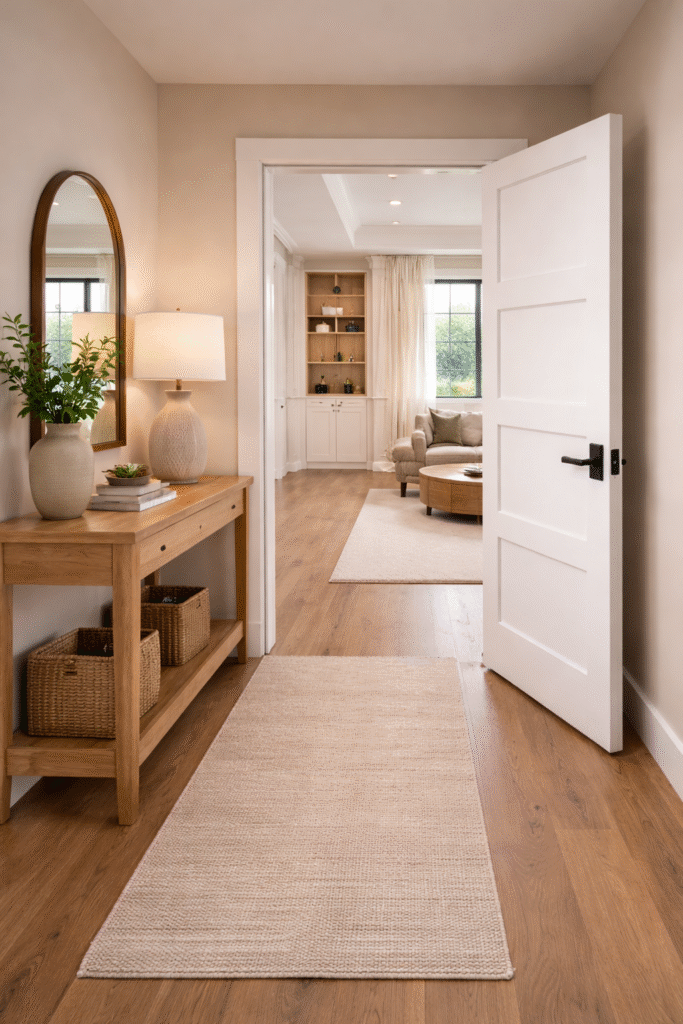
2. Space-Saving Door Systems Are Growing
Popular options:
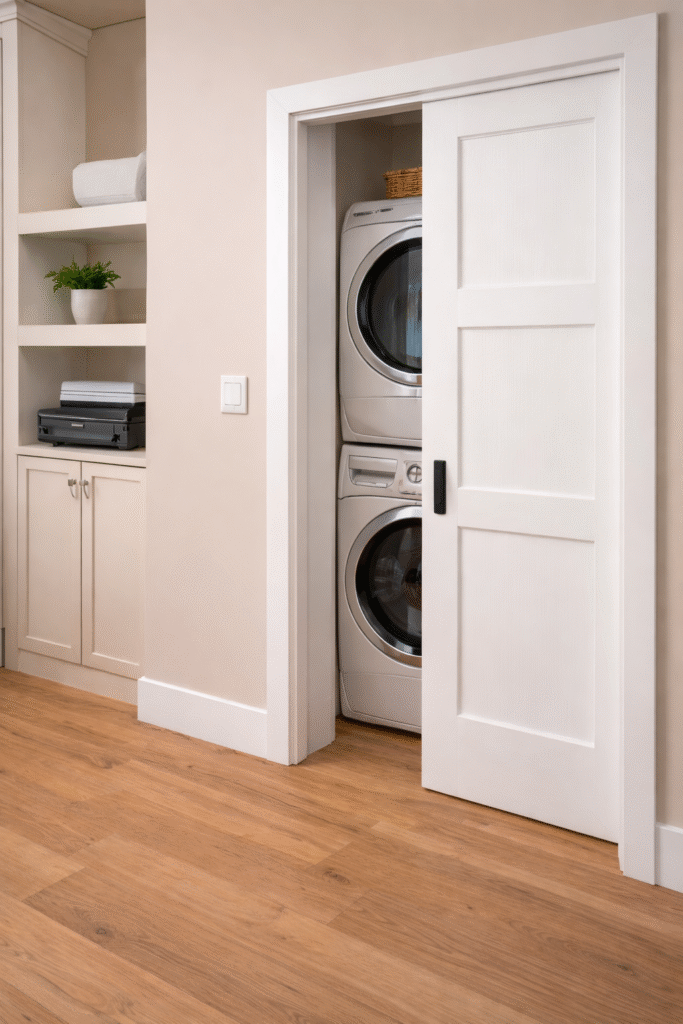
- Pocket doors
- Sliding barn doors
- Bi-fold systems
Advantages:
- Save usable floor space
- Improve layout flexibility
- Enhance modern aesthetics
👉 In multi-family projects, pocket doors are increasingly used in:
- Bathrooms
- Laundry areas
- Closets
3. Durable, Low-Maintenance Materials Take Priority
Trending materials:
- SPC flooring (Stone Plastic Composite)
- Fiberglass exterior doors
- Engineered wood
Why this trend is growing:
- Lower long-term costs
- Better resistance to moisture and wear
- Suitable for rental and high-traffic environments
🔍 Material Comparison Table
| Material Type | Durability | Maintenance | Cost Efficiency | Best Use Case |
| Solid Wood | Medium | High | Medium | High-end residential |
| MDF | Medium | Medium | High | Interior doors |
| SPC Flooring | High | Low | High | Multi-family / rentals |
| Fiberglass Doors | High | Low | High | Exterior / entry doors |
| Engineered Wood | High | Medium | Medium | Modern residential interiors |
4. Neutral and Natural Color Palettes
Popular tones:
- White oak
- Warm beige
- Soft gray
- Earth tones
Why builders prefer this:
- Appeals to a wider market
- Easier to match with different styles
- Reduces renovation costs for future buyers
👉 Compared to bold colors, neutral palettes offer better long-term value.
5. Multi-Functional Spaces Are Increasing
Common applications:
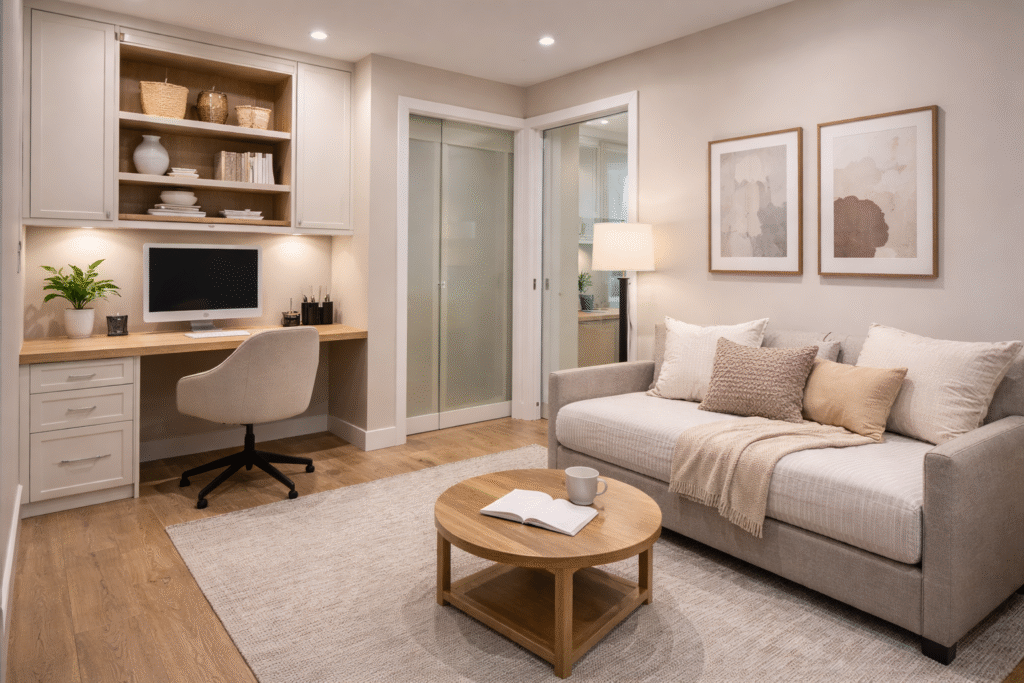
- Home office + guest room
- Living room + workspace
- Kitchen islands with multiple functions
Design impact:
- Requires adaptable layouts
- Increased use of sliding doors
- More emphasis on acoustic performance
6. Accessibility and Aging-in-Place Design
Key features:
- Wider door openings
- Low or no thresholds
- Easy-to-operate door systems
- Slip-resistant flooring
Why it matters:
- Aging population in the US
- Increased demand for long-term living solutions
👉 This trend is especially relevant in renovation projects and custom homes.
7. Design Focus: Performance vs Aesthetics
A major shift in 2026 is the balance between visual design and performance.
🔍 Trend Comparison
| Design Focus | Traditional Approach | 2026 Trend |
| Priority | Aesthetics | Performance + Functionality |
| Material Choice | Appearance-based | Durability-based |
| Door Systems | Swing doors | Sliding / pocket systems |
| Flooring | Hardwood focus | SPC / engineered materials |
| Maintenance | Often overlooked | Critical decision factor |
Advantages of These Trends
1. Lower Long-Term Costs
Durable materials reduce maintenance and replacement expenses.
2. Higher Property Value
Modern layouts and flexible spaces attract buyers and tenants.
3. Better User Experience
Functional design improves daily living convenience.
4. Stronger Market Appeal
Neutral designs and adaptable layouts suit a broader audience.
From working with residential construction projects, one consistent observation is that design decisions are increasingly driven by long-term performance rather than short-term appearance.
Builders are no longer asking:
“What looks good?”
They are asking:
“What lasts longer and reduces future problems?”
This shift is shaping product selection across doors, flooring, and overall interior design.
Conclusion
Interior design trends in US residential construction in 2026 reflect a clear shift toward practicality, durability, and adaptability. Open layouts, space-saving door systems, and low-maintenance materials are becoming standard choices across both single-family and multi-family projects.
At the same time, accessibility and flexible living spaces are redefining how homes are designed for long-term use. Builders and developers who align with these trends can improve project value, reduce costs, and meet evolving market demands.
Understanding these trends is not just about design—it is about making smarter, more sustainable decisions in modern residential construction.
Frequently Asked Questions About Residential Interior Design Trends
Q: What are the leading interior design trends in residential construction?
A: Modern residential construction is shifting away from purely decorative elements and focusing heavily on long-term performance, durability, and functionality. Key trends include open-concept layouts, multi-functional living spaces, and the strategic use of low-maintenance, high-durability building materials like SPC flooring and fiberglass exterior doors.
Q: Why are space-saving door systems becoming more popular in new builds?
A: As developers aim to maximize usable square footage—especially in multi-family units and build-to-rent (BTR) projects—space-saving solutions like pocket doors, bi-fold systems, and sliding barn doors are increasingly specified. These systems eliminate the need for a traditional door swing radius, freeing up valuable floor space for furniture and improving overall room flow.
Q: What flooring materials are builders currently prioritizing?
A: Builders are moving rapidly toward ultra-durable, waterproof options like SPC (Stone Plastic Composite) flooring instead of traditional hardwood or laminate. SPC flooring dramatically reduces post-installation maintenance and replacement costs, making it the absolute top choice for high-traffic areas, rental properties, and modern households seeking pet-friendly, long-lasting solutions.
Q: How is “aging-in-place” influencing modern interior design and layout?
A: With an aging demographic, builders are incorporating universal design and accessibility features directly into standard residential floor plans. This includes framing for wider door openings to accommodate mobility devices, creating low or zero-threshold transitions between rooms, installing slip-resistant flooring, and using easy-to-operate door hardware like lever handles.
Articles that you may be interested in:
Builder Guide: When to Use Prehung Doors in Renovation or New Construction
Why Do Doors Rub or Stick After Installation in New Construction Projects?