Choosing the right window style affects ventilation, energy performance, installation costs, and long-term maintenance. For builders working on modern residential projects, casement windows remain one of the most practical and energy-efficient options available today.
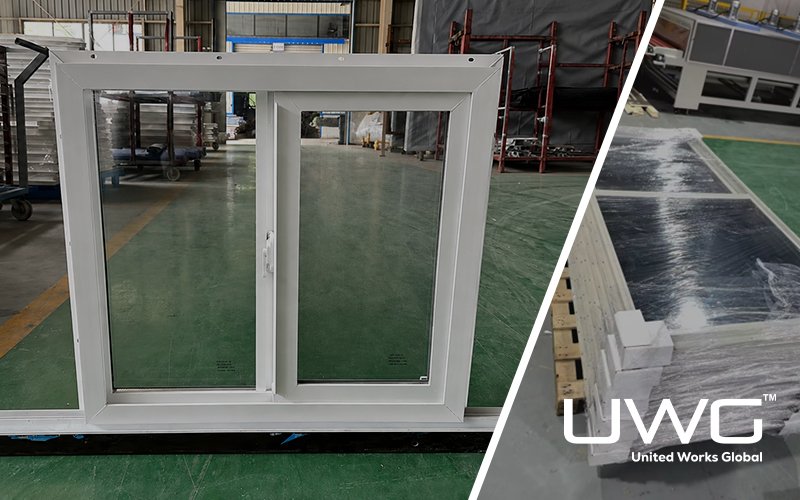
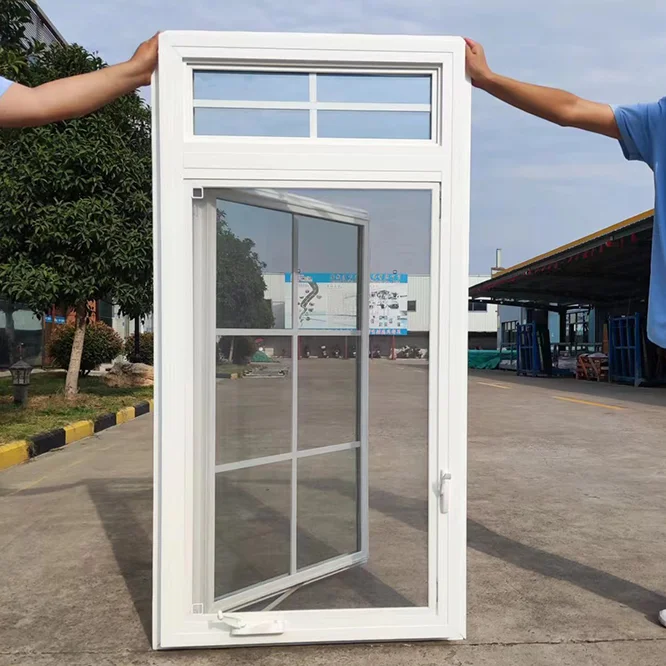
Casement windows are side-hinged windows that open outward using a crank or handle mechanism. Because the sash closes tightly against the frame, casement windows typically provide better ventilation, stronger air sealing, and improved energy efficiency compared to many traditional window types such as double hung windows or sliding windows. Their clean appearance and modern performance make them a popular choice in contemporary residential construction.
Builders often specify casement windows in kitchens, bathrooms, and modern living spaces where airflow and unobstructed views matter most. However, understanding both the strengths and limitations of this window type is important before selecting them for a project.
How Casement Windows Work
Unlike a double hung window that slides vertically, a casement window swings outward from hinges mounted on the side frame. Most systems use a crank-operated mechanism that allows smooth opening and secure locking.
This design creates several technical advantages:
- The entire window opening can be used for airflow
- Compression seals improve thermal performance
- Multi-point locking systems enhance weather resistance
- Narrow frame profiles allow larger glass areas
Because the sash presses firmly against the weatherstripping when closed, casement windows generally outperform many other types of window in air infiltration testing.
Builders working on energy-efficient homes often prefer casement systems for this reason alone.
Why Builders Frequently Use Casement Windows
Modern residential projects increasingly prioritize ventilation, daylighting, and energy savings. Casement windows support all three goals.
Better Ventilation Performance
One of the biggest advantages of casement windows is airflow control. Since the sash opens fully outward, the window can capture passing breezes more effectively than sliding or sash window systems.
This makes them especially useful in:
- Bathrooms
- Kitchens
- Stairwells
- Narrow side elevations
- Passive ventilation designs
In climates with mild seasonal airflow, builders often use casement windows to reduce dependence on mechanical cooling.
Energy Efficiency Benefits
Energy codes continue to become stricter across residential construction markets. Window performance now plays a larger role in overall envelope efficiency.
Casement windows generally perform well because:
- Compression seals reduce air leakage
- Fewer moving panels minimize drafts
- Modern glazing systems improve insulation
- Tight locking hardware enhances sealing pressure
Casement vs Double Hung Window
Builders often compare casement windows with double hung window systems during specification.
| Feature | Casement Window | Double Hung Window |
|---|---|---|
| Ventilation | Excellent | Moderate |
| Energy Efficiency | High | Moderate |
| Air Sealing | Strong compression seal | Sliding seal |
| Maintenance | Hardware maintenance required | Easier mechanism |
| Modern Appearance | Strong | Traditional |
| Emergency Egress | Good | Good |
| Cost | Slightly higher | Usually lower |
Casement windows are typically preferred for modern architectural styles, while double hung windows remain common in traditional residential construction.
Common Disadvantages of Casement Windows
Although casement systems offer many benefits, builders should also understand the potential drawbacks.
Hardware Maintenance
Because casement windows rely on crank systems and hinges, moving parts may require maintenance over time.
Common issues include:
- Worn crank mechanisms
- Corroded hardware
- Misaligned hinges
- Difficulty opening after long exposure to moisture
Coastal environments may accelerate hardware deterioration if low-grade materials are used.
Exterior Clearance Requirements
Since the sash swings outward, exterior space must remain unobstructed.
This can create challenges near:
- Walkways
- Decks
- Patios
- Landscaping
- Tight side-yard setbacks
Builders should account for sash clearance during early design stages.
Larger Units May Need Reinforcement
Oversized casement windows can place additional stress on hinges and frames. Large openings often require:
- Reinforced hardware
- Stronger framing systems
- Thicker sash profiles
For wide openings, some builders prefer tilt and turn windows or fixed glazing combinations instead.
Best Applications for Casement Windows
Casement windows work especially well in projects focused on:
- Contemporary architecture
- Energy-efficient construction
- Passive ventilation strategies
- Narrow wall sections
- Scenic outdoor views
They are commonly paired with:
- Fixed picture windows
- Awning window systems
- Floor-to-ceiling glazing layouts
Many builders also use them in custom homes where homeowners want clean sightlines and improved airflow.
Installation Considerations Builders Should Know
Proper installation significantly affects long-term performance.
Key considerations include:
- Accurate frame squaring
- Proper flashing integration
- Water management detailing
- Hardware alignment
- Wind-load compliance
Poor installation can lead to drafts, operational problems, and premature seal failure.
Builders should also verify local code requirements for:
- Egress sizing
- Tempered glass locations
- Energy performance ratings
- Structural anchoring requirements
Are Casement Windows Worth It?
For many residential projects, the answer is yes.
Casement windows offer a strong combination of:
- Energy efficiency
- Ventilation
- Modern aesthetics
- Tight weather sealing
- Functional performance
While they may cost slightly more than traditional sash window options, many builders consider the long-term performance benefits worthwhile, especially in modern homes focused on efficiency and comfort.
For projects prioritizing airflow, thermal performance, and contemporary design, casement windows remain one of the most effective window solutions available today.
Frequently Asked Questions About Casement Windows
Q: What is the defining characteristic of a casement window?
A: A casement window is attached to its frame by one or more side hinges and operates by swinging outward like a door, typically using a hand-crank mechanism. This design allows the entire window area to be opened, providing superior ventilation compared to sliding styles.
Q: What are the primary benefits of choosing casement windows for a building project?
A: Casement windows provide excellent natural ventilation, as the open sash acts as a “scoop” to catch passing breezes and direct them into the building. They also offer clear, unobstructed views since there is no center rail or meeting stile, and when closed, they form an exceptionally tight air-seal against the frame, providing high energy efficiency.
Q: What are some potential drawbacks or considerations with casement windows?
A: Because they swing outward, casement windows require exterior clearance and must be kept clear of landscaping or walkways. They are also more susceptible to high-wind damage if left open and can require more frequent maintenance of the crank and hinge mechanisms compared to simpler sliding window types.
Q: In what types of building projects are casement windows most effective?
A: They are ideal for projects that prioritize natural airflow, such as residential homes or multi-family units in temperate climates. They are also highly effective in hard-to-reach places—like above a kitchen sink—where the crank mechanism makes it much easier to operate the window than pushing or lifting a heavy sash.
Summary
Casement windows continue to be a popular choice in modern residential construction because they combine strong ventilation performance, energy efficiency, and clean architectural styling. For builders, they offer practical advantages in high-performance home design, especially when airflow and thermal sealing are priorities. While hardware maintenance and clearance requirements should be considered during planning, properly installed casement windows can deliver long-term durability, improved comfort, and strong value for both builders and homeowners.
Articles that you may be interested in:
What Is a Nail Fin on a Vinyl Window?
Single-Hung vs Double-Hung Vinyl Windows: What’s the Difference?