
Builders across the U.S., Canada, and Australia are rethinking trim and moulding choices as minimalist design dominates. In 2026, bigger baseboards and sleek casings are more than aesthetic—they’re essential for modern builds.
These oversized baseboards not only protect walls and floors but also provide architectural weight that complements open-concept layouts and high ceilings.
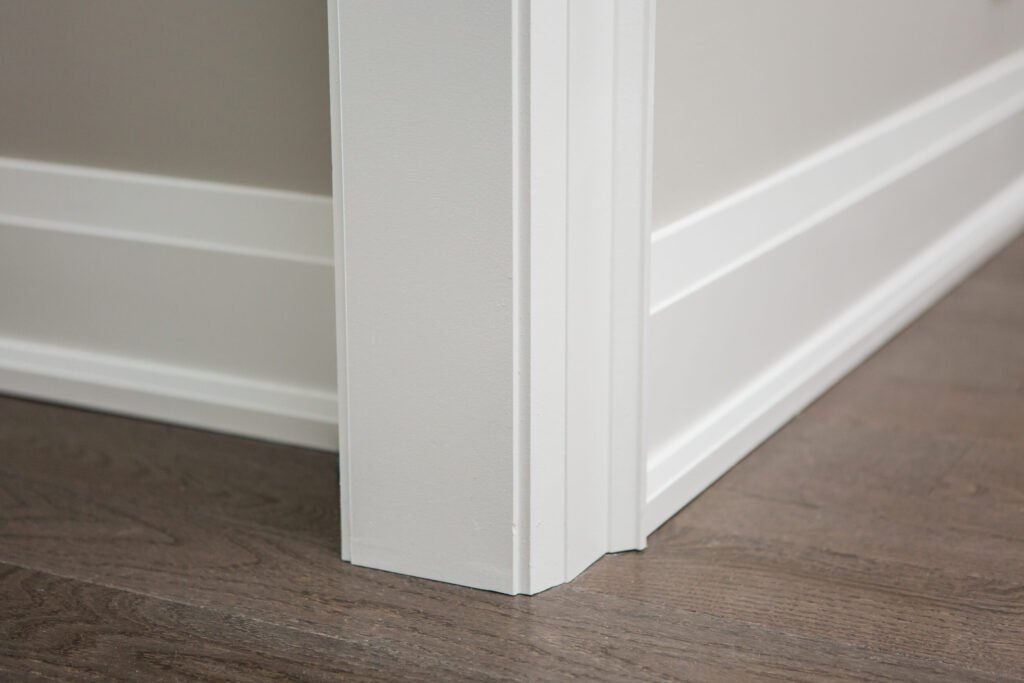
But are these trends purely style-driven, or are they influencing construction standards and buyer expectations? Let’s explore what’s driving the 2026 baseboard trends, how builders are adapting, and which baseboard and casing styles are dominating projects across North America and Australia.
Interior Trim Trends for 2026
In 2026, trim and moulding are stepping into the spotlight—not just as finishing touches, but as defining features of interior spaces in modern residential construction.
Builders are opting for wider trim profiles that are clean, square-edged, and minimalist. Think 3.5 to 5.5 inches for casings and even broader baseboards for a grounded, architectural look.
This movement aligns with modern baseboard styles like Scandinavian, Japandi, and transitional interiors, all of which are trending in new builds and renovations alike.
Painted in matte whites or soft neutrals, trims are now designed to frame the space, not compete with it. Builders are being asked to install trim that enhances natural light and works with airy, open layouts—a significant shift from the dark, decorative finishes of the past.
Is Contrast Interior Trim Still Popular in 2026?
Yes—and it’s a growing design feature.
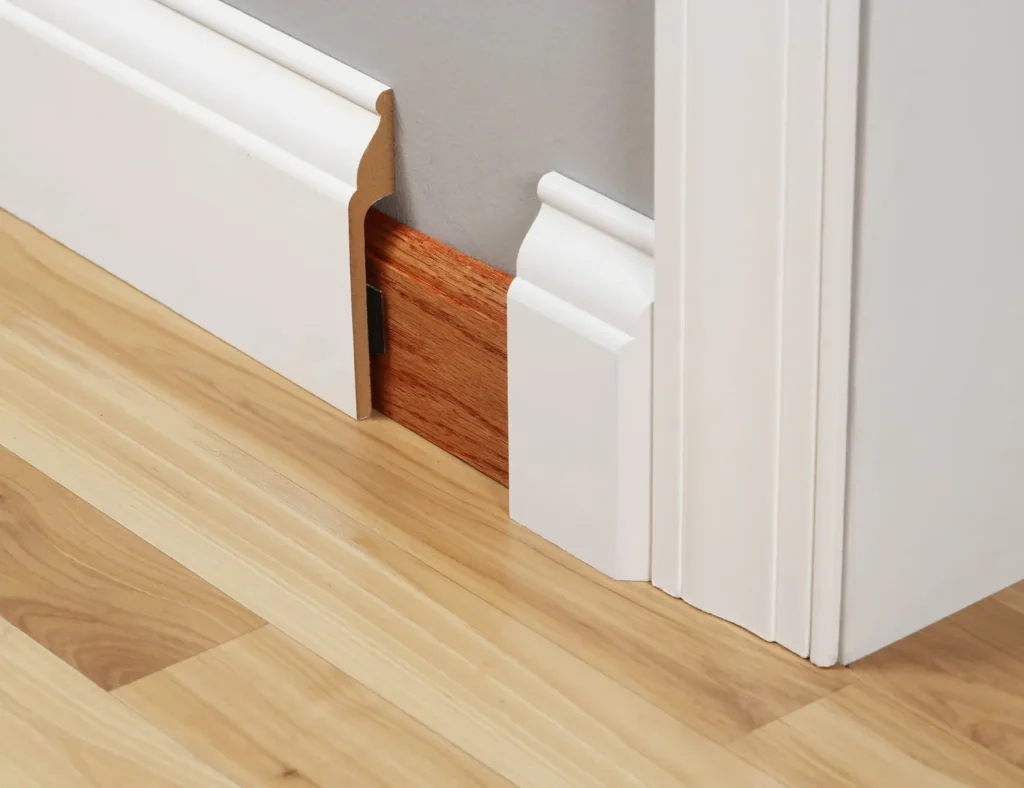
Contrast trim involves painting or staining baseboards and casings in a tone that stands out from the walls. This might mean charcoal trims on ivory walls or navy mouldings on soft greys.
This approach is increasingly used in residential projects as a low-cost method to introduce visual hierarchy without changing construction complexity.
For builders, contrast trim provides an easy way to offer design variation without modifying installation methods or material systems.
These high-impact visuals work best with modern baseboard trim options such as square edge or eased edge profiles.
Expect to see this trend in custom home builds, multifamily developments, and remodel projects where modern but warm interiors are preferred.
Are Ornate Mouldings Out of Style in 2026?
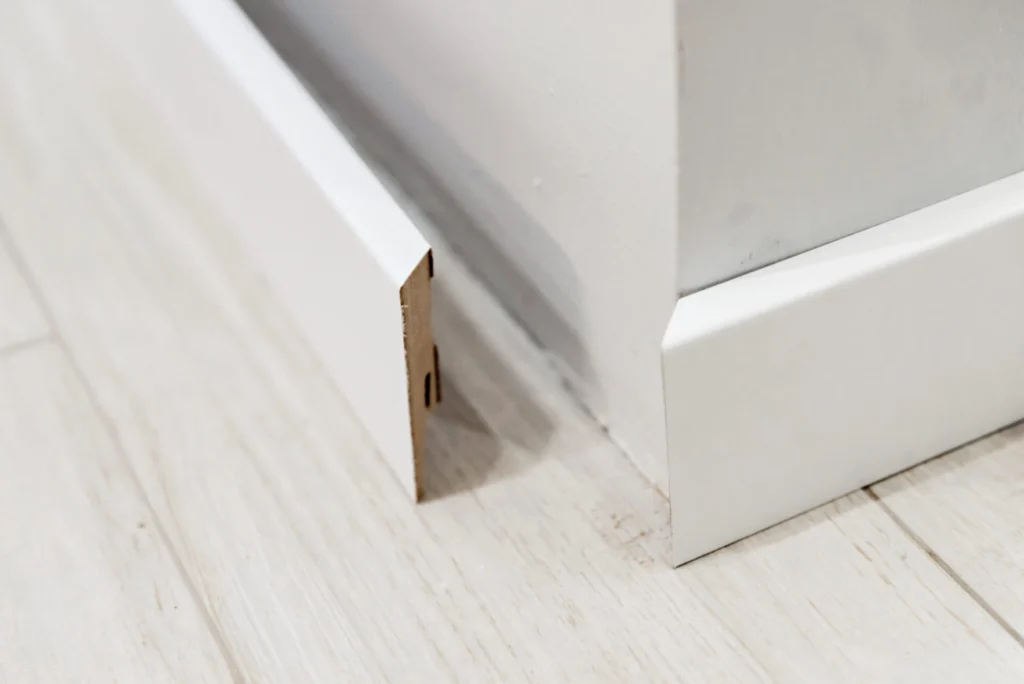
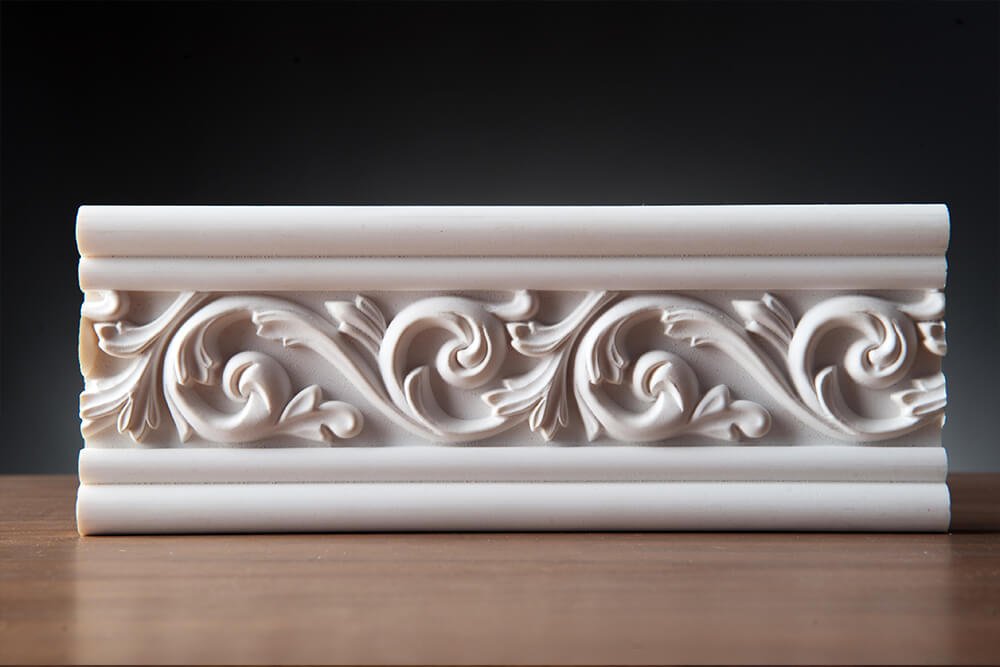
Absolutely. Builders are ditching decorative beveling and intricate scrollwork in favor of flat stock and streamlined trims. Traditional crown and colonial profiles are being replaced by:
- Square and eased-edge profiles
- Craftsman-style casings
- Flush baseboard-to-wall transitions
This not only saves time and materials during installation but also reflects the shift toward cleaner architecture and sustainable design.
Still, some clients are asking for subtle elegance. That’s where picture frame molding is making a comeback—used selectively on walls for accenting, not in the entire trim package.
Standard Baseboard Sizes in Modern Residential Construction (2026)
Homeowners and designers are going big. The average modern baseboard in 2025 ranges from 5 to 7 inches tall, often paired with high ceilings and open-concept floor plans.
Here’s why bigger baseboards are trending:
- They make rooms feel more grounded and substantial.
- They enhance modern interiors with architectural weight.
- They work well with minimalist trims and square openings.
For builders, installing larger trim doesn’t require more skill—it just requires different sourcing and a little planning. It’s also an excellent upsell opportunity for added value in renovations.
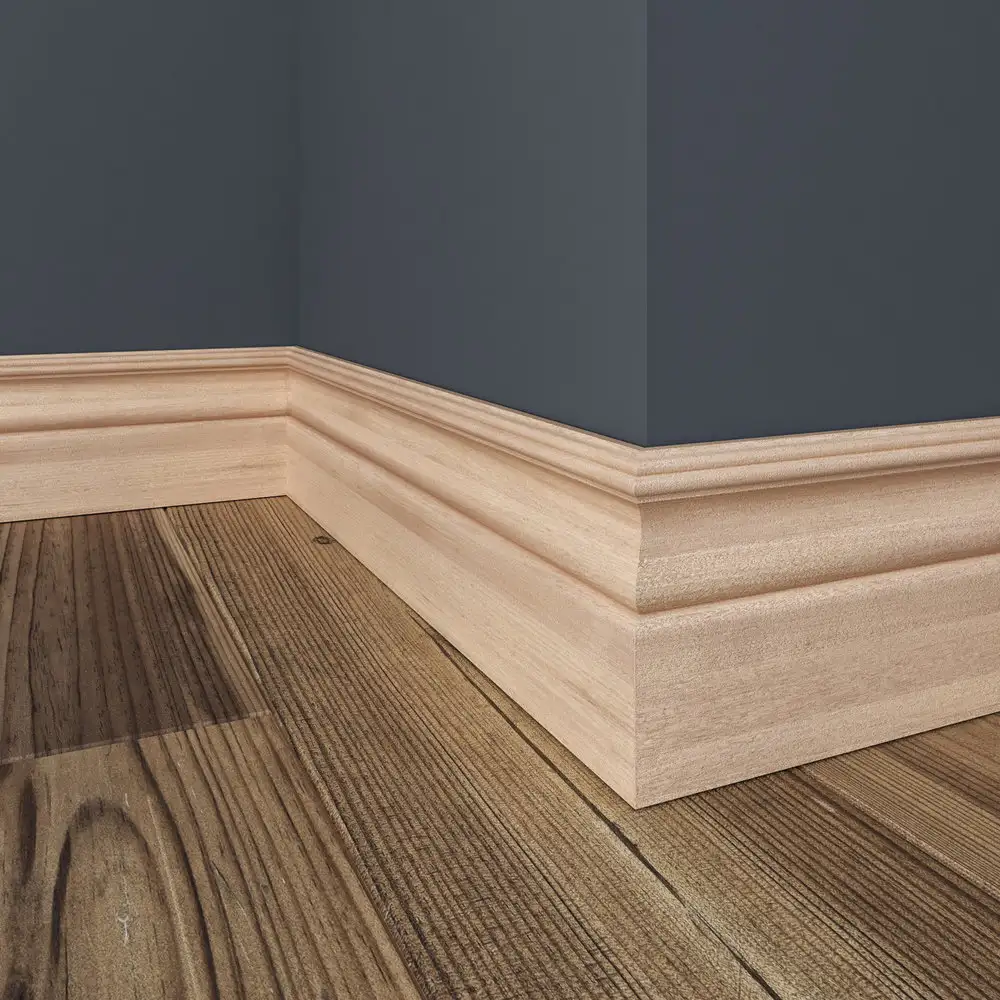
Baseboard Size and Proportion Guide
Choosing the right baseboard height is crucial to maintain balance and proportion in any room. A general rule of thumb is approximately 1/2″ to 3/4″ of baseboard per foot of ceiling height. This ensures your trim complements the space without looking too small or overpowering.
Here’s a quick reference table to help you choose the perfect baseboard height for your room:
| Ceiling Height | Recommended Baseboard Height | Thickness | Notes |
|---|---|---|---|
| 8 ft | 3¼″ – 5¼″ | 5/8″ – 3/4″ | Standard rooms, balanced look |
| 9 ft | 4¼″ – 5½″ | 3/4″ | Slightly taller for proportion |
| 10+ ft | 5½″ – 7¼″ | 3/4″ – 1″ | Works well with open-concept, dramatic effect |
| Custom/Tall | 7″ – 12″ | 3/4″ – 1″ | Statement baseboards, high ceilings |
Common Baseboard Profiles Used in Residential Construction
Here are the top modern baseboard styles builders should have in their catalog:
- Square Edge: Flat and bold, this is the go-to in ultra-modern homes.
- Eased Edge Baseboard: With its slightly rounded top edge, this style is everywhere—from single-family homes to condos.
- Step Baseboard: A soft nod to traditional moulding but much cleaner and more contemporary.
- Flush Baseboards: High-end and minimal, these sit seamlessly against drywall for a shadowless effect.
Pairing these with modern flooring—like wide plank oak or polished concrete—helps achieve the complete look clients want in 2026.
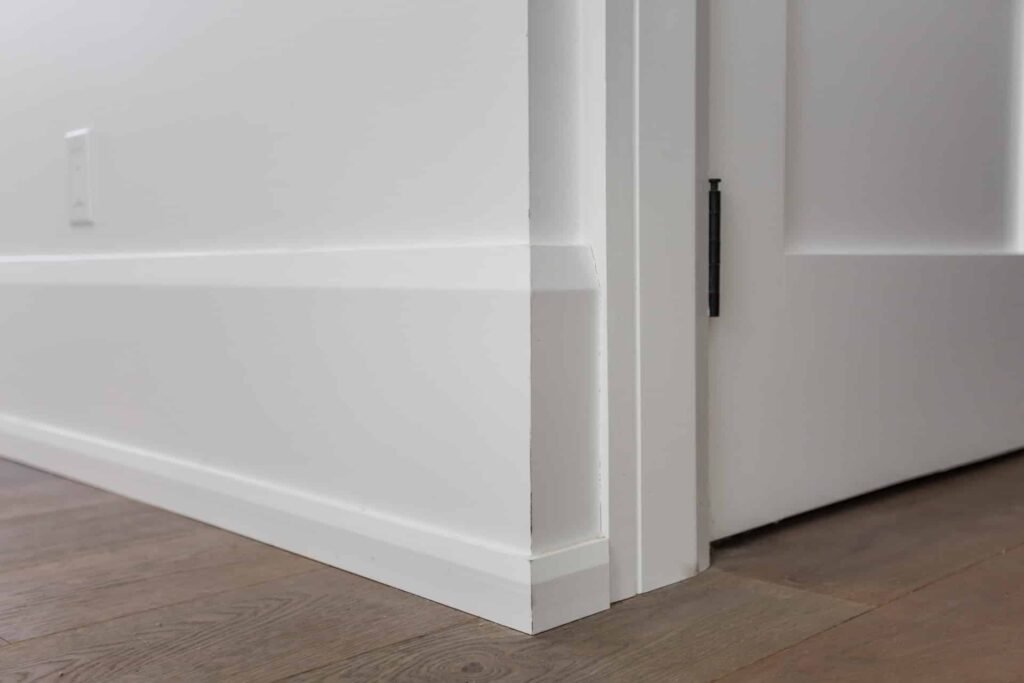
Eased Edge vs Traditional Baseboard Profiles
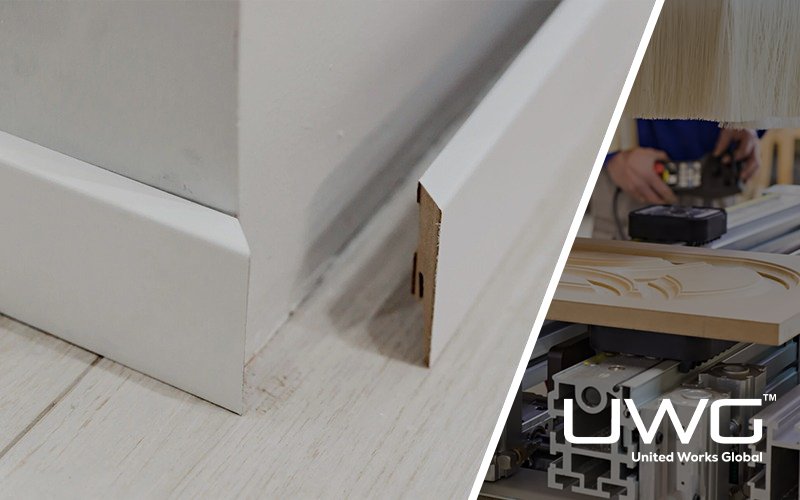
Eased edge baseboard is becoming a default in 2026 for a good reason. It delivers the same height and visual impact as colonial trim but with less visual noise.
For builders, the benefits are clear:
- It’s easy to cut, install, and paint.
- Works with modern or transitional doors and windows.
- Offers a cleaner, more hygienic finish with fewer dust-catching ridges.
It also fits well with modern color palettes, especially in white, gray, or greige tones—making it a safe and stylish choice for most builds.
Picture Frame Molding Trends in 2026 Interiors
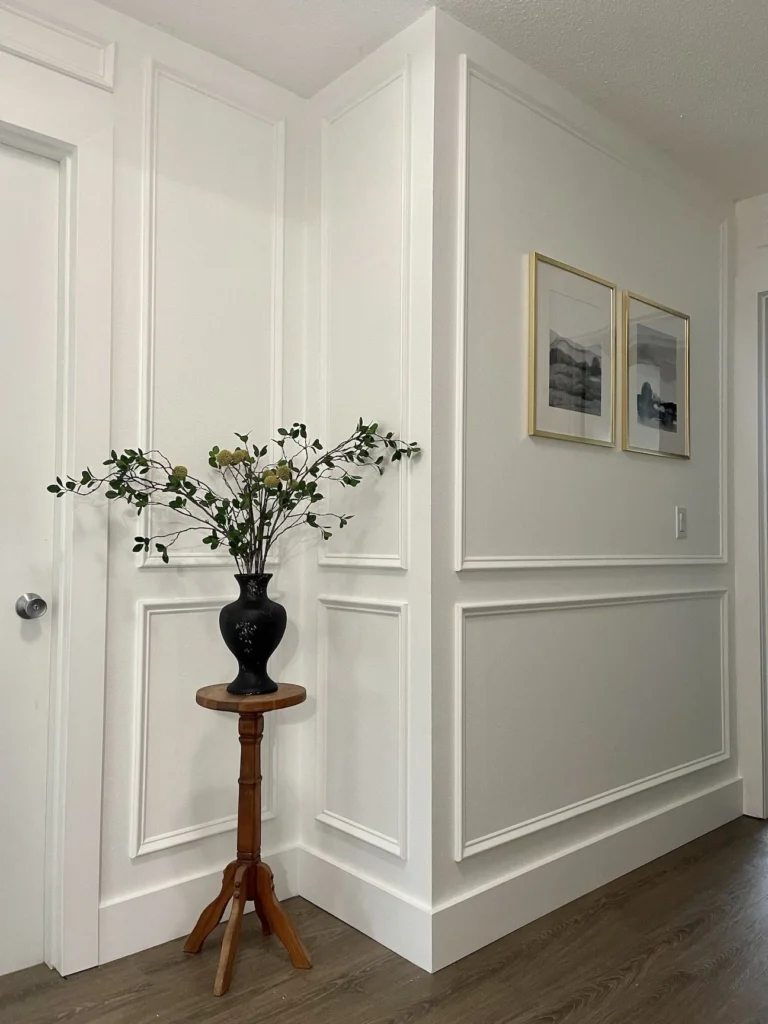
Once seen as old-school, picture frame molding is gaining fresh relevance in 2026. It’s now used as an accent feature, not a full trim package.
Builders are using it in:
- Dining rooms, to add dimension without clutter.
- Hallways, for visual interest.
- Home offices, as an elegant backdrop for bookshelves or desks.
Most designers are painting the picture frame molding the same color as the wall, creating a tone-on-tone texture that feels both modern and intentional.
This is a low-cost, high-impact detail that builders can offer in renovations or staging projects.
Different Baseboard Profiles
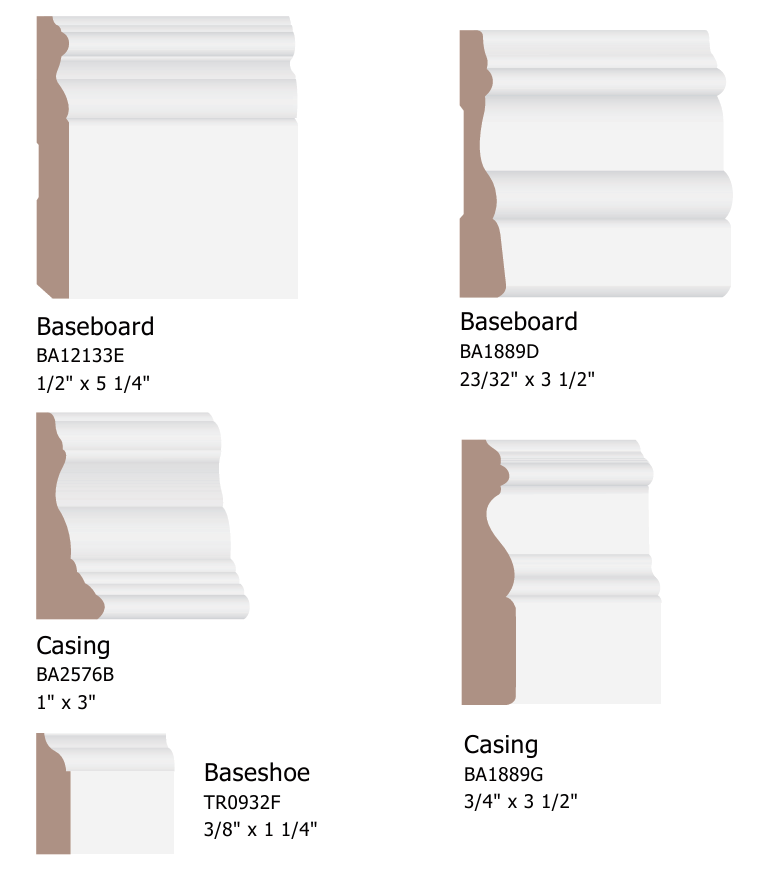
Colonial
Notes: Adds timeless elegance without overpowering the space
Height: 3¼″ – 5¼″
Shape: Curved top edge, sometimes with subtle ridges or decorative lines
Best For: Classic, traditional, and Victorian-inspired interiors
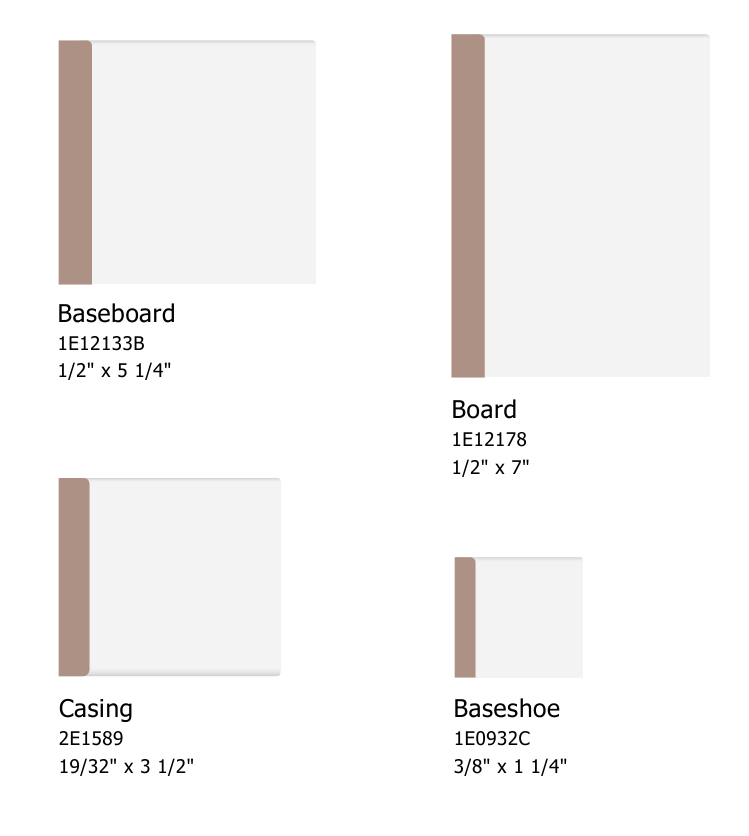
Flat
Height: 3″ – 8″
Shape: Rectangular, flat surfaces, no ornamentation
Best For: Contemporary, minimalist, or mid-century modern interiors
Notes: Clean and understated; allows other design elements to shine
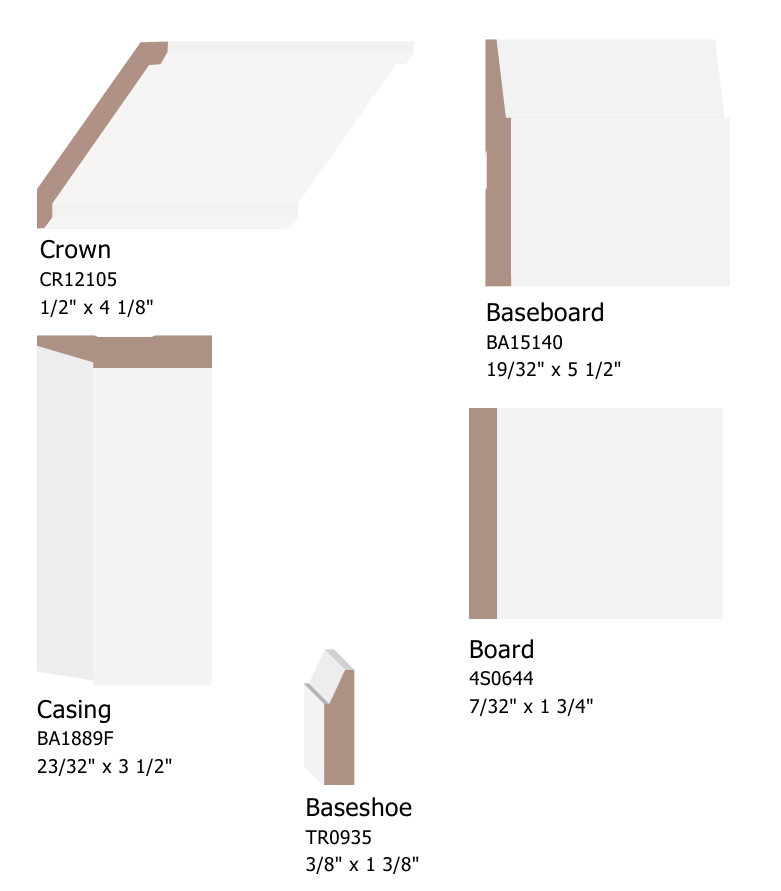
Modern
Height: 4″ – 7″
Shape: Sleek, slightly eased edges, minimal detailing
Best For: Modern builds and open-concept spaces
Notes: Subtle elegance with a fresh, streamlined look
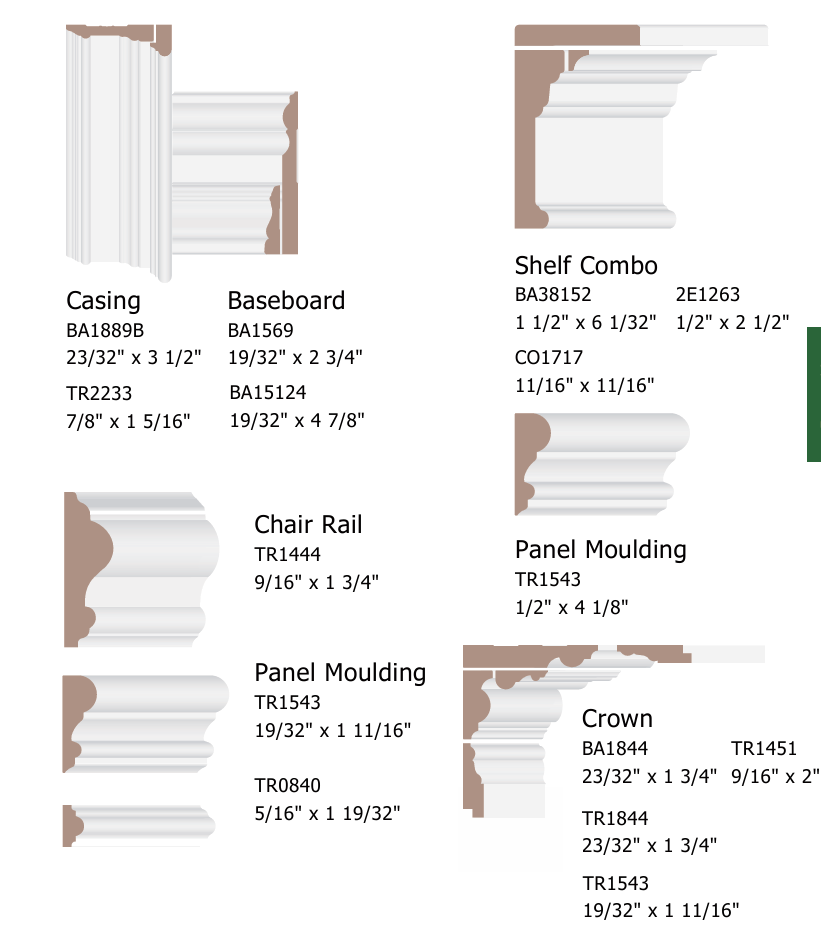
Classic
Height: 3¼″ – 5¼″
Shape: Curved top edge with subtle decorative lines
Best For: Traditional or timeless interiors
Notes: Adds sophistication without overwhelming the room
Transitional
Height: 4″ – 6″
Shape: Balanced profile combining clean lines with gentle curves
Best For: Homes bridging modern and traditional styles
Notes: Offers versatility, fitting a wide range of interiors
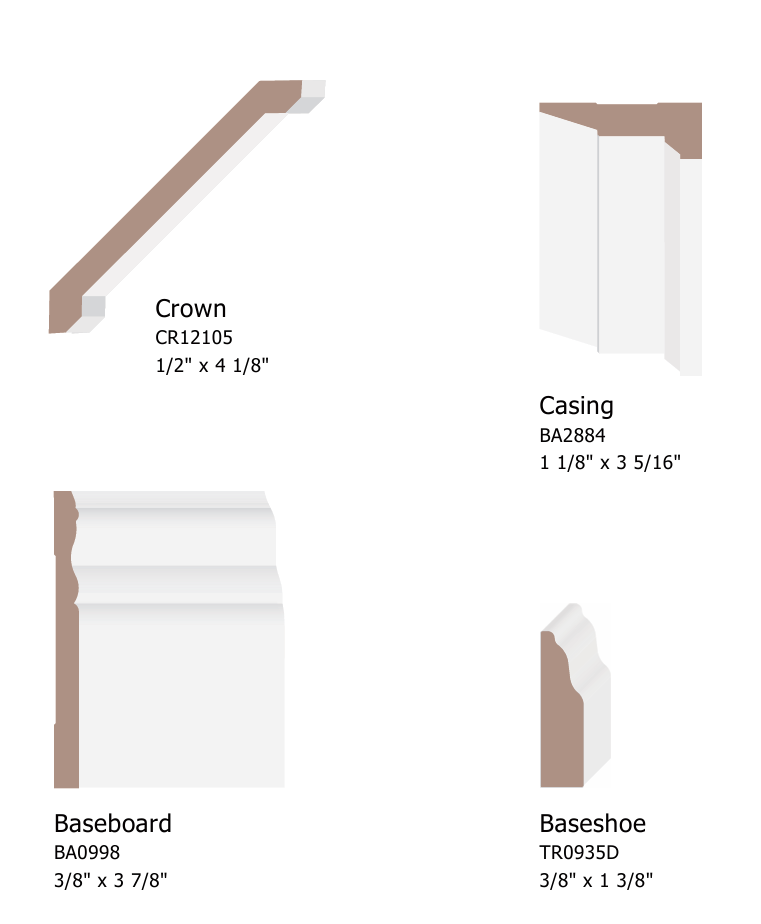
Top 2026 Baseboard Trends for Builders and Homeowners:
Here’s a summary of the leading trends shaping 2026 baseboard styles for modern build:
- Oversized Baseboards (5–7 inches or taller)
- Taller baseboards provide architectural weight, complement high ceilings, and create a grounded, modern look.
- Clean, Square or Eased-Edge Casings
- Sleek, minimalist casings are replacing ornate, decorative profiles for a contemporary, seamless finish.
- Matte White or Soft Neutral Finishes
- Soft, neutral tones frame spaces without overpowering them, enhancing light and openness in modern interiors.
- Contrasting Trim for Visual Interest
- Bold or darker trim colors against lighter walls add personality and a subtle focal point.
- Picture Frame Moulding as an Accent
- Selective use of picture frame moulding adds dimension and elegance in dining rooms, hallways, or home offices.
- Minimalist, Flat Profiles Replacing Ornate Trim
- Flat, simple baseboards emphasize clean lines and reduce visual clutter while maintaining functionality.
Frequently Asked Questions About Modern Moulding Trends
Q: What are the top trim and moulding trends for 2026?
A: In 2026, builders are favoring larger baseboards (5 to 7 inches tall) with clean, square or eased edges, and smooth casings. Minimalist trims that complement open-concept layouts are completely replacing ornate, decorative profiles.
Q: What size baseboard should I use for a 9-foot ceiling?
A: For a 9-foot ceiling, the recommended baseboard height is typically 4¼″ to 5½″. A general rule of thumb is approximately 1/2″ to 3/4″ of baseboard per foot of ceiling height to maintain proper balance and architectural proportion.
Q: Are ornate mouldings going out of style?
A: Yes, traditional crown and colonial profiles with intricate scrollwork are largely being replaced by flat stock and streamlined trims like square and eased-edge profiles, which align better with cleaner architecture and modern interior design.
Q: What is contrast trim?
A: Contrast trim is a growing design feature that involves painting or staining baseboards and casings in a tone that stands out from the walls—such as charcoal trims on ivory walls. It provides an easy way for builders to add personality and visual interest to a room without complicating construction.
Summary
Builders: 2026 is your year to go big and bold with baseboards—but keep it clean. Trim is now a key design feature, not an afterthought. Want more on materials, sizes, and install tips? Drop your thoughts below or share your go-to moulding styles! If you have any questions, feel free to contact us!