
Choosing the right interior door thickness can affect durability, sound control, installation efficiency, and overall project cost. For builders, contractors, and wholesalers, the choice often comes down to two common options: 1-3/8″ interior doors and 1-3/4″ interior doors.
For most residential interior projects, 1-3/8″ doors are sufficient for standard rooms because they are lightweight, cost-effective, and easy to install. 1-3/4″ doors are better suited for applications that require enhanced durability, improved sound insulation, or a more premium feel, such as master suites, offices, high-traffic areas, and upgraded residential projects.
Understanding the practical differences between these two thicknesses helps builders make better decisions while balancing performance, cost, and installation requirements.
Are All Interior Doors the Same Thickness?
Most interior doors in North America are commonly available in 1-3/8″ and 1-3/4″ thicknesses.
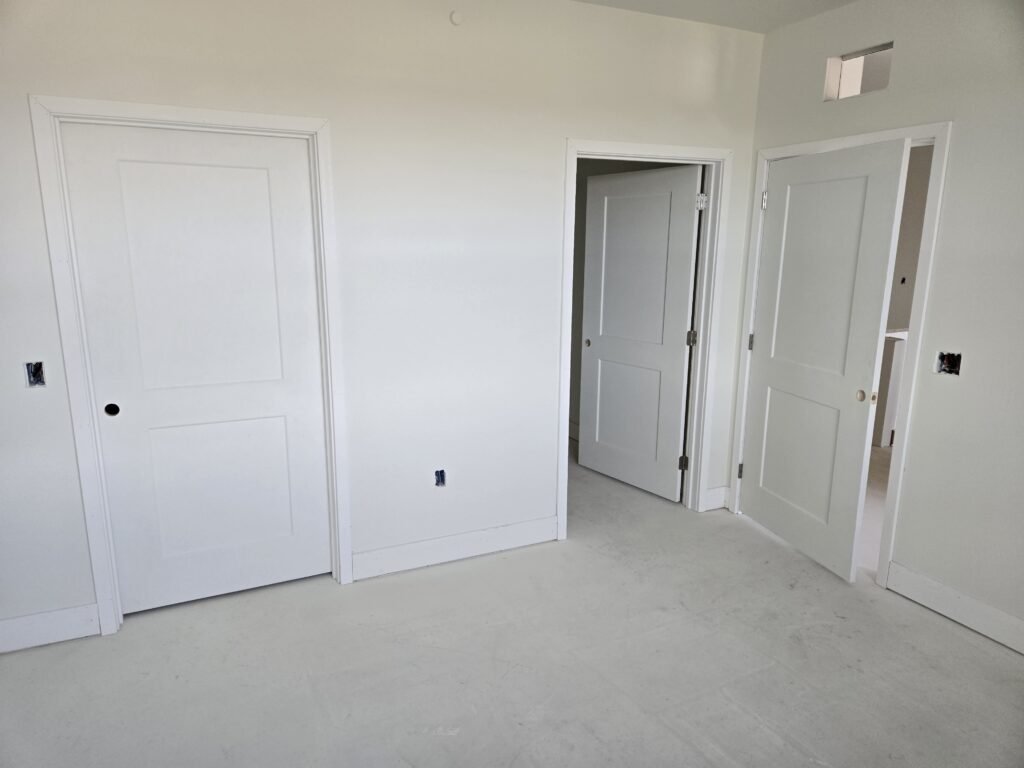
The 1-3/8″ door is the standard choice for many residential projects, especially bedrooms, closets, bathrooms, hallways, and utility spaces. It is lightweight, easy to handle, and compatible with most standard interior door frames and hardware.
The 1-3/4″ door is thicker and heavier. While this thickness is often associated with exterior, commercial, fire-rated, or higher-performance doors, it is also used in residential interiors when projects require better strength, sound control, or a more substantial appearance.
Comparing Hollow Core and Solid Core Options
Door thickness is closely related to core type, but they are not exactly the same. Many standard 1-3/8″ residential interior doors are hollow core, although solid core options are also available. 1-3/4″ doors are more commonly used when projects require stronger construction, improved acoustic performance, or a more premium feel.
| Feature | 1-3/8″ Door | 1-3/4″ Door |
|---|---|---|
| Common Core Type | Hollow core or solid core | Solid core or semi-solid core |
| Weight | Light | Heavier |
| Sound Insulation | Standard to moderate | Better |
| Installation Ease | Easier | Requires more attention |
| Price | Lower | Higher |
| Best Use | Standard residential rooms | Offices, master suites, upgraded spaces |
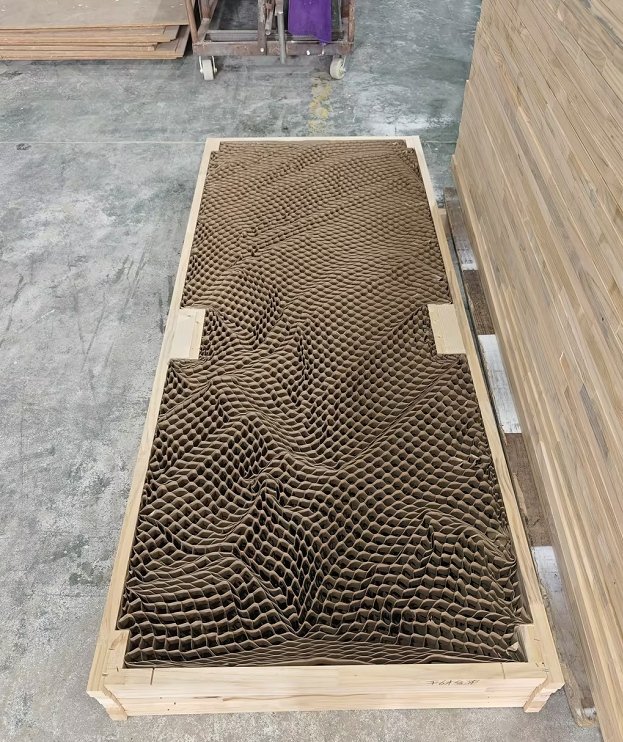
Hollow core doors are lightweight and cost-effective, making them suitable for large residential projects where budget and installation speed matter. Solid core or thicker 1-3/4″ doors provide better durability, sound control, and a more premium feel.
Impact on Hardware and Door Frames
Door thickness affects the type of hinges, locks, and frames that can be used.
A 1-3/8″ door usually works with standard residential interior hardware. A 1-3/4″ door may require closer attention to hinge strength, lockset compatibility, and jamb depth because of its added thickness and weight.
Before selecting a thicker door, builders should check:
- Hinge size and weight rating
- Lockset and latch compatibility
- Door jamb depth
- Frame strength
- Fire-rated or acoustic requirements, if applicable
This helps avoid long-term issues such as sagging, hardware misalignment, or poor door operation.
Cost vs. Performance Considerations
From a builder’s perspective, 1-3/8″ doors help reduce material, shipping, and installation costs. They are especially practical for multi-unit residential projects, production housing, and budget-conscious developments.
However, 1-3/4″ doors offer stronger long-term performance. Their added thickness and weight can improve durability, sound insulation, and perceived quality. In custom homes, high-end renovations, offices, and master suites, the added cost may be justified by better comfort and client satisfaction.
For many projects, the best approach is not choosing one thickness for every room. Builders can use 1-3/8″ doors for standard spaces and 1-3/4″ doors for rooms where durability, privacy, or premium appearance matters more.
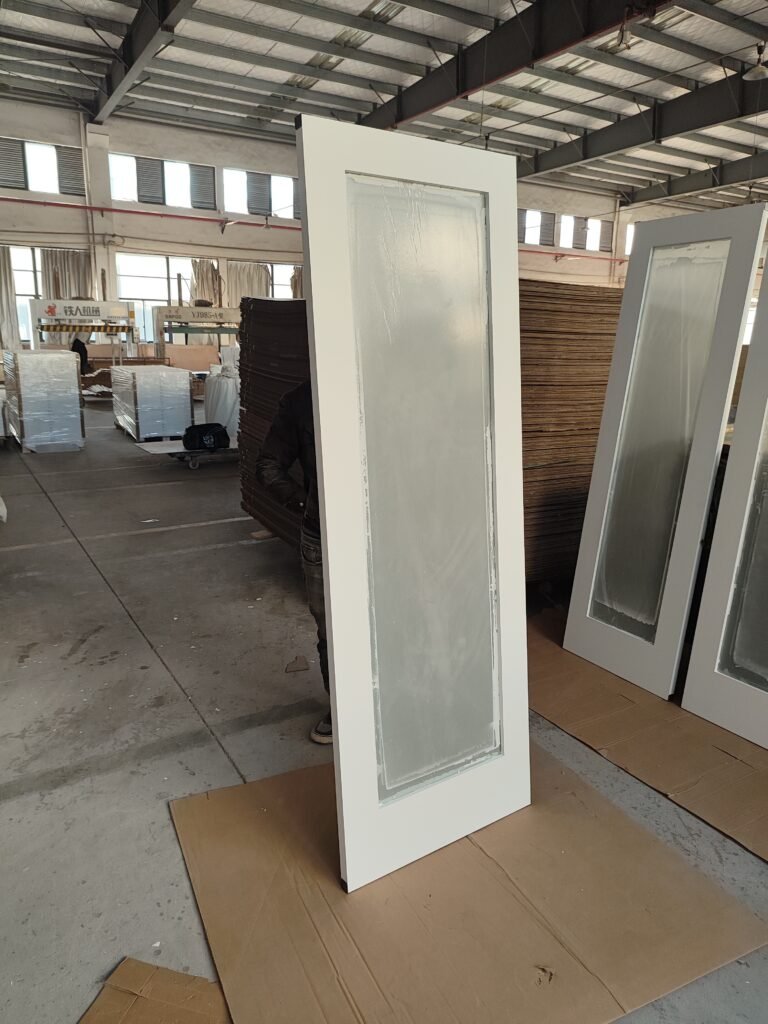
Choosing the Right Door Thickness for Different Applications
- Standard rooms: Use 1-3/8″ doors for bedrooms, closets, bathrooms, hallways, and utility spaces.
- High-use areas: Choose 1-3/4″ doors for offices, master suites, media rooms, or rooms requiring better sound control.
- Budget-sensitive projects: Standardize around 1-3/8″ doors to reduce cost and simplify installation.
- Premium projects: Use 1-3/4″ doors where clients expect better durability and a more solid feel.
- Hardware check: Always verify hinge size, lockset compatibility, and frame depth before selecting thicker doors.
Frequently Asked Questions About Interior Door Thickness
Q: What is the primary difference between 1-3/8″ and 1-3/4″ interior doors?
A: The main difference is the thickness of the door slab. A 1-3/8″ door is the standard thickness for most residential interior applications, while a 1-3/4″ door is thicker, heavier, and provides increased structural rigidity, improved sound dampening, and better durability for high-traffic or commercial-grade projects.
Q: In what scenarios should a builder choose a 1-3/4″ interior door?
A: A 1-3/4″ door is recommended for high-traffic areas, multifamily unit entries, or projects where superior sound privacy is required. Additionally, in many commercial or multi-family construction projects, building codes require 1-3/4″ doors to meet specific fire-rating classifications.
Q: Can I use 1-3/8″ doors in all residential interior projects?
A: Yes, 1-3/8″ doors are the industry standard for typical residential interior spaces, such as closets, bedrooms, and bathrooms. They are lightweight, cost-effective, and fully compatible with standard residential door hardware and jamb kits, making them an excellent choice for balancing budget and performance in standard residential layouts.
Q: How does door thickness impact hardware compatibility?
A: Hardware selection must be matched to the door thickness. Hinges, latches, and locksets are often manufactured with specific tolerances; using hardware designed for a 1-3/8″ door on a 1-3/4″ door—or vice versa—can lead to alignment issues, improper latch engagement, and structural damage to the door slab or frame.
Conclusion
Choosing between 1-3/8″ and 1-3/4″ interior doors depends on the performance needs of each project.
For standard residential rooms, 1-3/8″ doors remain the practical choice because they are lightweight, affordable, and easy to install. For offices, master suites, high-traffic areas, and upgraded residential projects, 1-3/4″ doors can provide better durability, improved sound control, and a more premium feel.
For builders and wholesalers, the most effective approach is often to use each thickness where it delivers the best balance of cost, performance, and project value.
Articles that you may be interested in:
Cost vs Durability: Choosing the Right Wall Panels for Your Project
How Many Doors and Trims Are Needed for a Typical Apartment Project? A Project Breakdown