
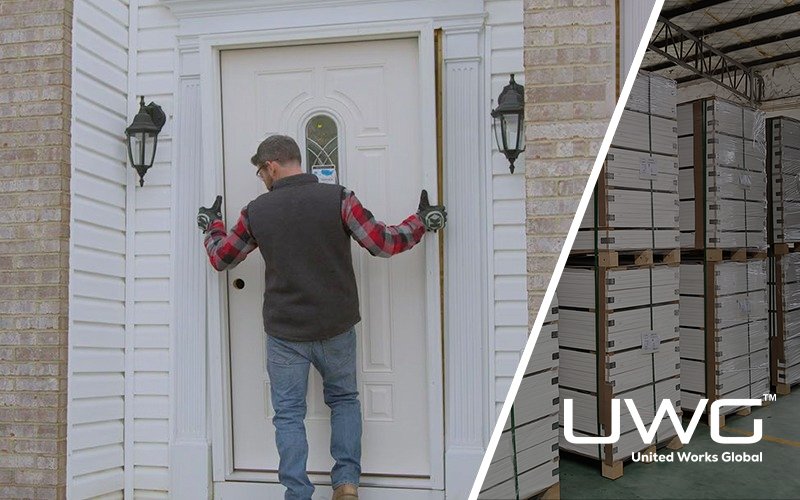
In the competitive US residential and commercial market, door installation is no longer just a finish-out task; it’s a critical component of project logistics. Builders often face a pivotal choice: Knock Down (KD) doors vs. Prehung doors.
While they might look similar once installed, the impact on your labor costs, shipping efficiency, and long-term performance varies greatly. Based on my recent 21-day tour across 10 US cities—from the high-rises of New York to the residential expansions in Houston—I’ve seen how choosing the wrong type can derail a project’s timeline. This guide provides a factory-direct perspective on making the right choice.
Quick Comparison: KD vs. Prehung
| Comparison Factor | Knock Down (KD) Doors | Prehung Doors |
| Structure | Separate slab, jambs, and casing | Fully assembled unit with hinges |
| US Standards | Strictly adheres to 30″ x 80″ | Fits standard openings; bulky size |
| Shipping Efficiency | Extreme: Flat-packed for 3x space savings | Low: High transit damage risk |
| Logistics Model | Optimized for Factory-Direct to Jobsite | Best for local retail or short-haul |
| Installation Speed | Moderate (Requires on-site assembly) | Fast: Ready to nail (20-30 mins) |
| Hardware Fit | High flexibility; Best with UWG Black Square Handles | Pre-cut; lower customization |
| Best Use Case | Multi-family and high-volume projects | Custom homes and rapid renovations |
What Does “KD” Really Mean in 2026?
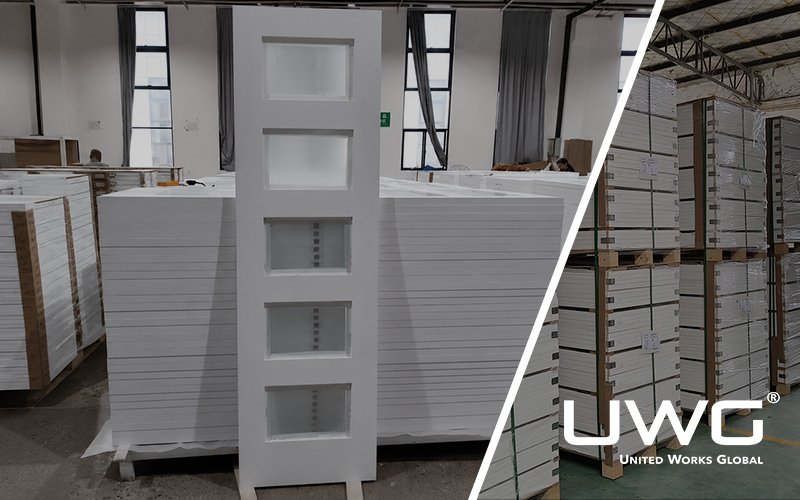
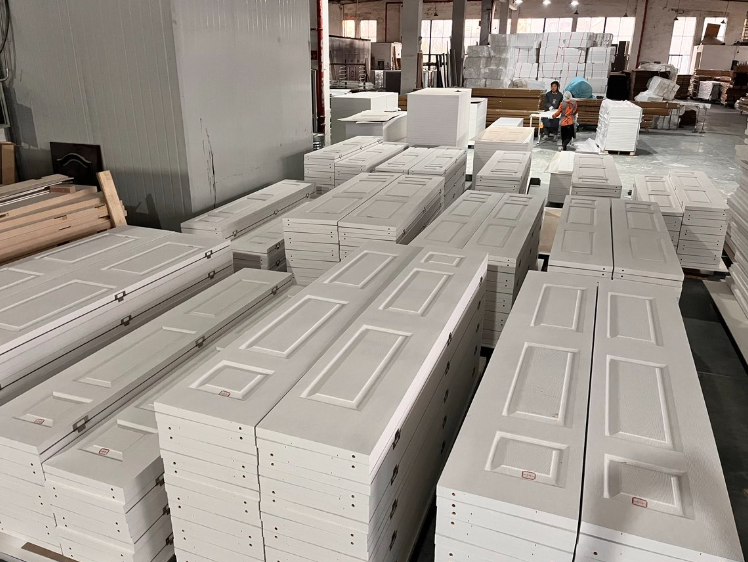
A Knock Down (KD) door is a modular solution where the door slab and frame are shipped in separate components. Unlike a fully assembled unit, the jambs (two sides and one head) and the slab are packed flat.
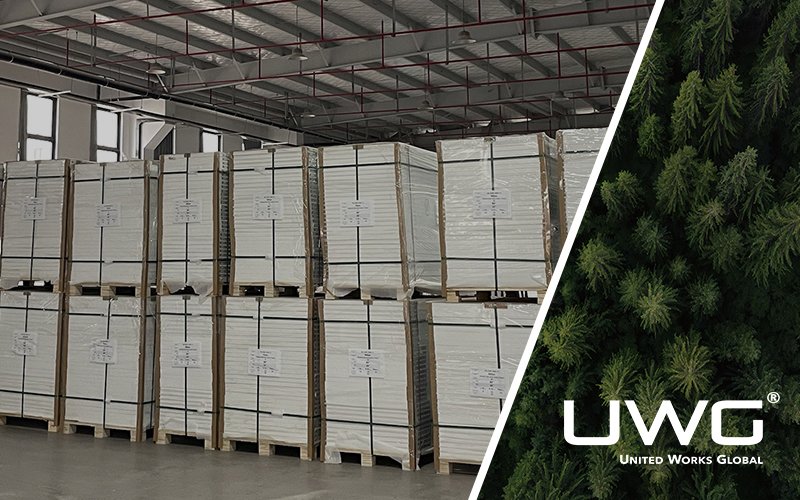
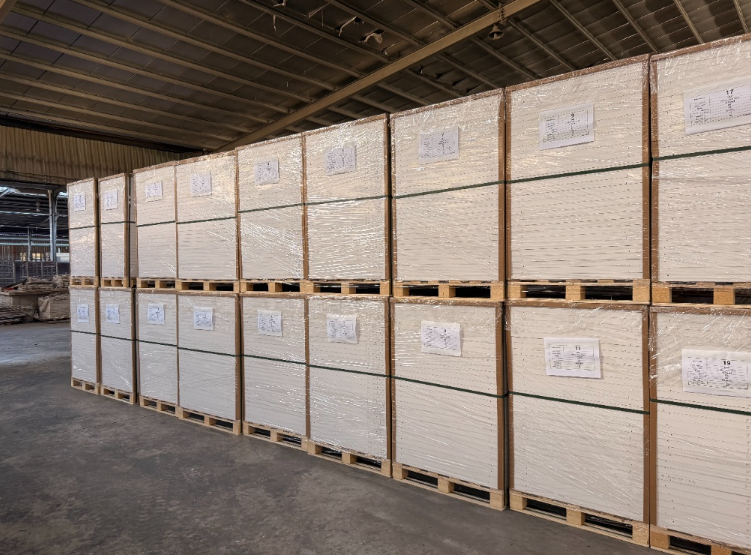
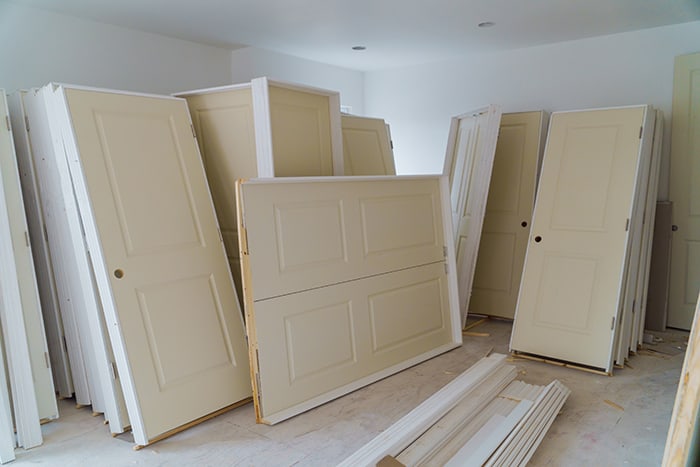
Why the “Flat-Pack” Model is Winning: For large-scale developments in cities like Orlando or Atlanta, job site storage is at a premium.
- Space Efficiency: You can store up to 3-4 times more KD units in the same square footage as prehung units.
- Flexibility: KD doors are common in commercial builds because your framing team can set the jambs during the rough-in phase, while the slabs are safely stored away from construction dust, only to be hung during the final trim stage.
- The UWG Standard: We ensure all KD components follow strict US standards, such as the popular 30″ x 80″ dimensions, with precision CNC routing for a perfect on-site fit.
The Knock Down Frame: A Technical Deep Dive
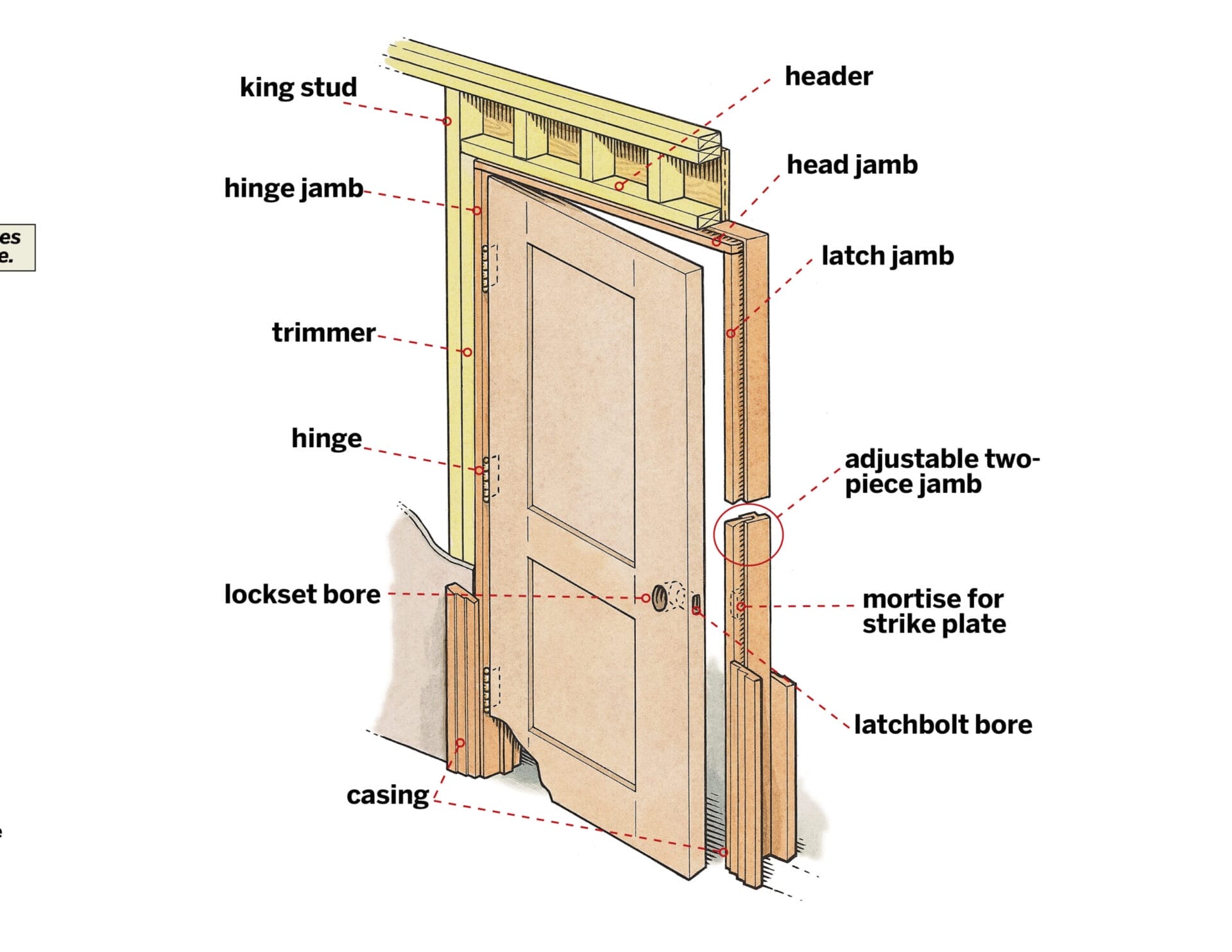
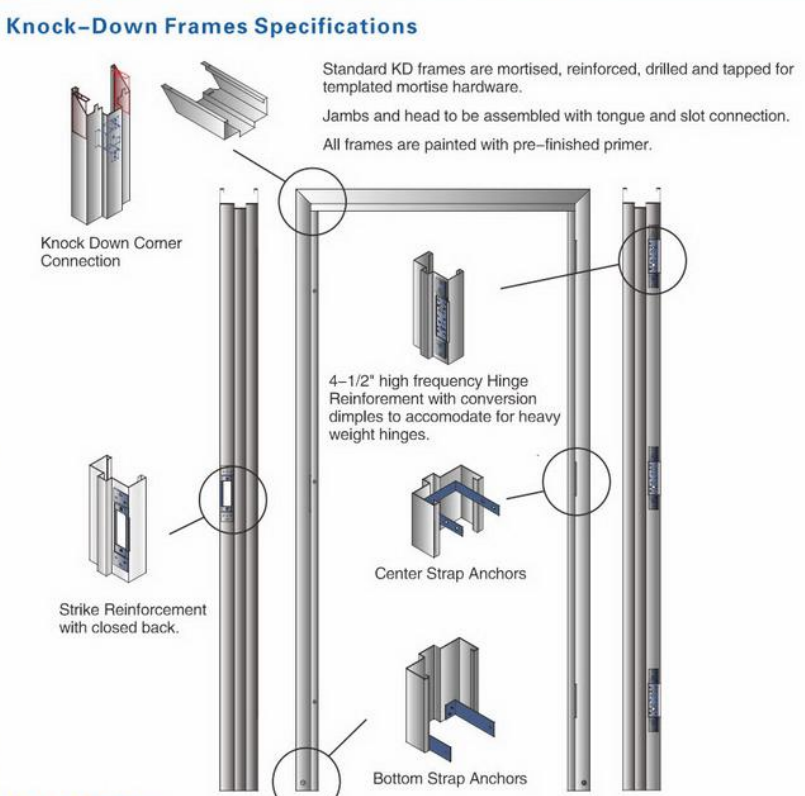
A KD frame is typically composed of three pieces that lock together using compression clips, screws, or snap-together systems.
KD vs. Welded Door Frames:
- KD Frames: Best for renovations and interior fit-outs. One person can easily carry a single frame piece, reducing the risk of back injuries and allowing for installation in tight spaces where a rigid, welded frame simply won’t fit through the hallways.
- Welded Frames: While stronger, they are a nightmare for logistics. Having visited warehouses in Houston, I’ve seen how welded frames often arrive bent or scratched. KD frames, being flat-packed, are much better protected during the journey from our Vietnam or Sanming factories.

Prehung Doors: The Speed Demon of New Construction
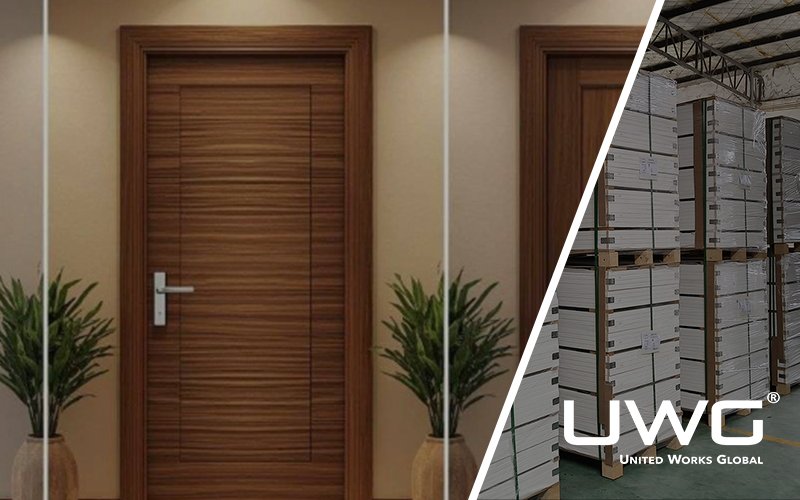
A Prehung door is an all-in-one package: the slab is already attached to the frame with hinges, and the holes for the latch and knob are pre-bored.
When to Choose Prehung:
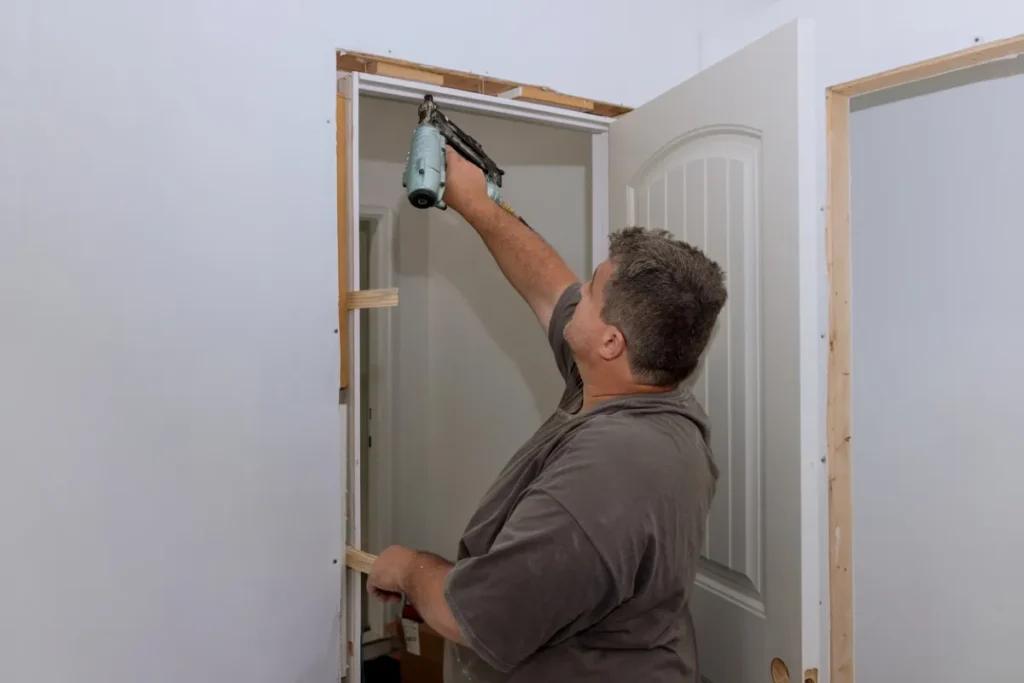
- New Construction: When you are closing 50 units in a month, speed is everything. A prehung door can be installed in as little as 20-30 minutes by a skilled crew.
- Out-of-Square Openings: If you are replacing a door where the old frame is damaged, a prehung unit allows you to start fresh with a factory-square foundation.
UWG Hardware Insight: We’ve observed a strong trend toward minimalist black square handles. For interior projects, we provide pre-boring for these specific handles, often in non-locking versions to maintain a clean, modern aesthetic without the mechanical complexity of traditional locks.
Shipping and Logistics: The “Direct-to-Builder” Advantage
As the CEO of a global manufacturer, I cannot overstress the importance of logistics-first design.
- Ocean Freight Optimization: Shipping from Asia to the US is costly. KD doors allow for significantly higher container density, which translates directly to a lower COGS (Cost of Goods Sold) for the builder.
- Reduced Damage: Prehung doors are heavy. The weight of the slab hanging on the hinges during transit often leads to “hinge bind” or frame warping. KD doors eliminate this risk entirely.
- LTL Shipping: For smaller projects in places like Des Moines or Oklahoma City, KD doors are easier to ship via LTL (Less Than Truckload) without the extreme “oversized” fees associated with prehung units.
Installation: Step-by-Step for KD Frames
To ensure long-term performance, your crew should follow this UWG-recommended protocol for KD installation:
- Alignment: Position the jambs and head in the rough opening.
- Mechanical Locking: Snap the pieces together. Our frames use a high-precision interlocking system.
- Anchoring: Secure the frame to the studs using masonry or wood anchors.
- Shimming: This is the most critical step. Use shims to ensure the frame is perfectly plumb and square.
- Hanging the Slab: Only after the frame is set do you bring in the White Primed Shaker slab to hang.
Summary Comparison: Advantages & Disadvantages
Prehung Doors
- Pros: Fast installation; includes hinges and frame; factory-aligned.
- Cons: Bulkier; higher shipping costs; prone to transit damage.
Knock Down Doors
- Pros: Builder-First logistics; massive shipping savings; easier storage; ideal for multi-family projects.
- Cons: Higher on-site labor requirement; requires a skilled installer to ensure squareness.
Frequently Asked Questions About Knock Down vs. Prehung Doors
Q: What is a Knock Down (KD) door?
A: A Knock Down (KD) door is a modular door solution where the door slab and the frame components (two side jambs and one head) are shipped flat-packed and unassembled. They are designed to be assembled and installed on-site, offering extreme shipping and storage efficiency.
Q: What is a Prehung door?
A: A Prehung door is an all-in-one, fully assembled unit. The door slab comes already attached to its frame with hinges, and the holes for the door knob and latch are pre-bored. It is ready to be nailed directly into a rough opening, making installation incredibly fast.
Q: Which is better for large-scale multi-family developments: KD or Prehung?
A: Knock Down (KD) doors are generally much better for large-scale multi-family and commercial developments. Because they are flat-packed, you can store 3 to 4 times more KD units in the same square footage compared to bulky prehung doors, drastically reducing shipping costs, job site storage constraints, and transit damage.
Q: When should a builder choose a Prehung door over a KD door?
A: Builders should choose Prehung doors for high-end custom homes, rapid renovations, or when replacing a door with an out-of-square existing frame. Because the frame is factory-aligned and the door is already hinged, a skilled crew can install a prehung unit in as little as 20 to 30 minutes, saving significant on-site labor time.
Final Decision: Which Wins for Your Project?
The answer depends on your project’s scale and location.
- Choose Knock Down if you are managing a large-scale development where container-load pricing and job site storage are your primary concerns.
- Choose Prehung if you have a limited crew and need to finish a high-end custom home quickly.
At United Works Global (UWG), we don’t just sell doors; we solve supply chain pain points. Whether you need a container of 30″ x 80″ KD frames for an apartment complex or high-end prehung units for a retail program, our team—from our Fuzhou headquarters to our Houston warehouse—is ready to support you.
Need a technical submittal or a factory-direct quote? Contact the UWG Technical Team or reach out to me directly. Let’s make your next build more efficient.