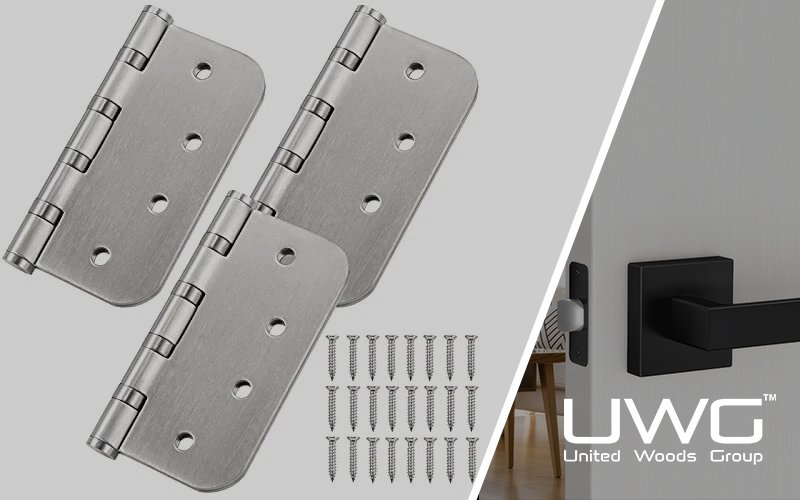
In a commercial or multi-family project, a door that sags, binds, or develops noise after only months of use is rarely a door problem—it is usually a hardware selection issue. High-traffic doors, solid core panels, and fire-rated assemblies place constant stress on hinges, and even small compromises in hinge performance can lead to premature wear, misalignment, and costly callbacks.
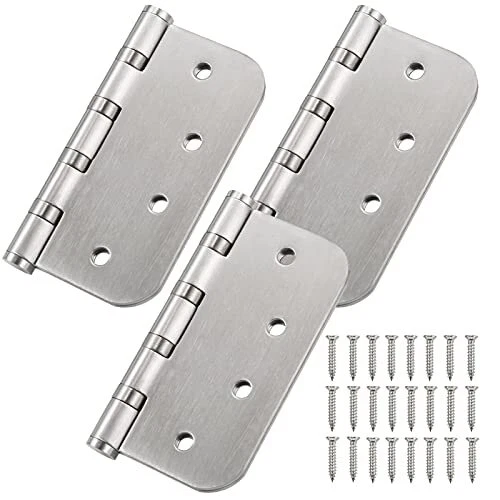
Ball bearing hinges are butt hinges with rolling bearings in the knuckle, reducing friction and evenly distributing door weight. They are available in several types, including standard and heavy-duty models, full or half mortise designs, removable or non-removable pins, and fire-rated options. Commonly used on solid core, oversized, and high-frequency doors, they provide smoother operation and longer service life. Proper installation—accurate mortising, correct hinge placement, and suitable fasteners—is essential to ensure load capacity, alignment, and durability.
What Is a Ball Bearing Hinge?
A ball bearing hinge is a butt hinge that incorporates ball bearings within the knuckle to support the hinge pin. Instead of relying on metal-to-metal contact, the door rotates on rolling bearings, which significantly reduces friction during operation.
This bearing mechanism distributes door weight more evenly along the hinge pin, reducing stress concentration and wear. As a result, ball bearing hinges maintain smoother operation over time and are far less likely to develop sagging, binding, or noise under repeated use. This makes them particularly suitable for solid core doors, fire-rated assemblies, oversized panels, and doors equipped with closers.
Ball bearing hinges are commonly manufactured from steel or stainless steel. Stainless steel is preferred in environments requiring corrosion resistance, such as coastal regions or humid interiors. Key specification factors include hinge size, leaf thickness, pin diameter, and the number of bearings, all of which directly affect load capacity and long-term performance.
Types of Ball Bearing Hinges
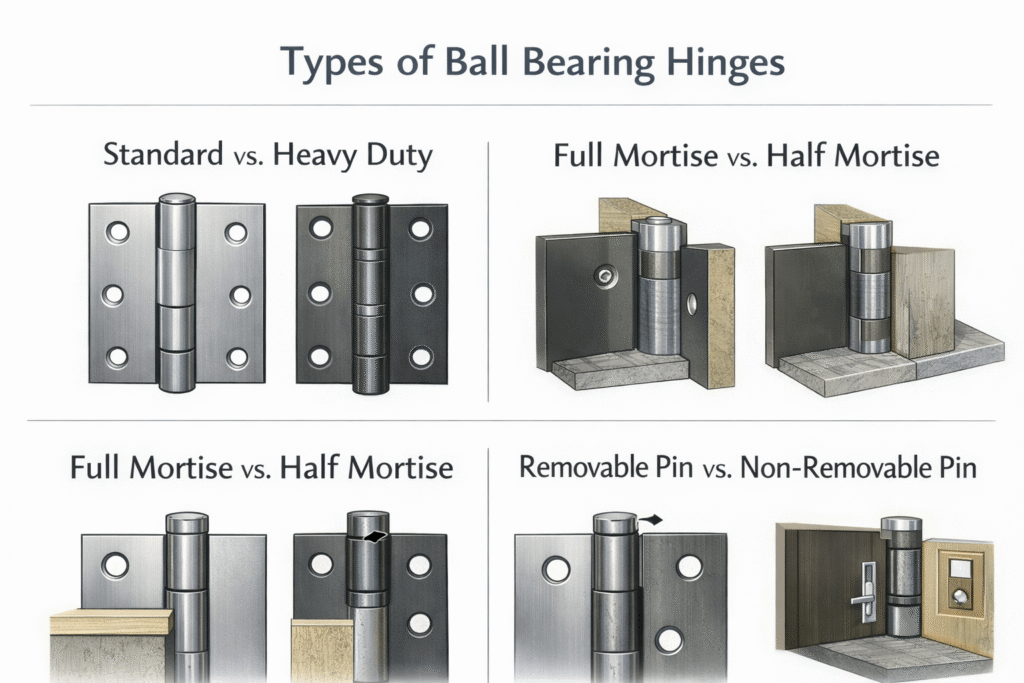
Ball bearing hinges are available in several configurations to accommodate different door conditions and project requirements. Standard ball bearing hinges are typically used for medium-weight doors in residential or light commercial settings, providing improved durability compared to plain bearing hinges.
Heavy-duty ball bearing hinges are designed for higher door weights and usage frequency. These models feature thicker leaves, larger pins, and additional bearings to handle increased loads. They are commonly specified for commercial entrances, oversized doors, and doors fitted with automatic closers.
In terms of preparation, ball bearing hinges may be full mortise or half mortise. Full mortise hinges are recessed into both the door and frame, offering a flush appearance and balanced load transfer. Half mortise hinges are recessed on one side only and are often used where construction limits full mortising.
Pin design also varies. Removable pin hinges allow for easier door removal during maintenance, while non-removable pin hinges enhance security by preventing door removal from the exterior. For fire-rated doors, ball bearing hinges must meet applicable fire door standards, as bearings help maintain alignment and operability during and after exposure to heat.
Common Applications and Use Cases
Ball bearing hinges are most commonly specified in environments where doors experience frequent operation or increased weight. Commercial buildings such as offices, hotels, hospitals, and schools rely on these hinges to maintain smooth door function despite continuous traffic.
In multi-family residential buildings, they are often used on unit entry doors, corridor doors, and shared spaces where durability and noise reduction are important. Ball bearing hinges are also well suited for solid core doors, fire-rated doors, and doors with closers, all of which impose additional stress on hinge components.
For low-traffic, lightweight interior doors, ball bearing hinges may not be strictly necessary. However, they are frequently selected as a preventative solution in projects where long-term performance, reduced maintenance, and consistent door alignment are priorities.
Installation Tips and Best Practices
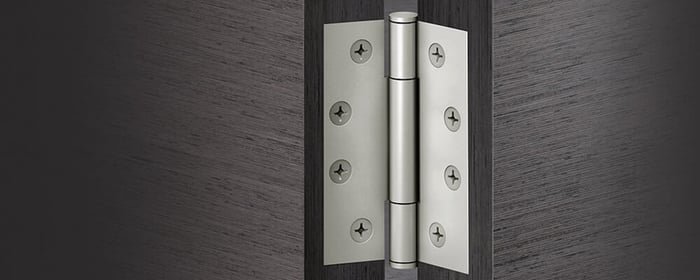
Proper installation is essential to ensure the performance of ball bearing hinges. Accurate mortising allows hinge leaves to sit flush with the door and frame, preventing uneven loading and operational issues. Incorrect mortise depth can result in binding, misalignment, or premature wear.
Hinge quantity and placement should be determined based on door height, weight, and usage. Heavier or taller doors often require additional hinges to distribute load evenly and prevent sagging. Fasteners must be suitable for the door and frame material, with sufficient length and holding strength to support the assembly.
Maintaining a straight hinge axis during installation is critical. Misaligned hinges increase resistance and accelerate bearing wear. Common installation issues include stripped screw holes, incorrect handing, and inadequate frame reinforcement, all of which can compromise hinge performance regardless of hinge quality.
Maintenance and Service Life
Ball bearing hinges generally require minimal maintenance due to their rolling bearing design. In most applications, routine lubrication is unnecessary, and excessive lubrication may attract debris. Periodic inspection is recommended in high-traffic or demanding environments.
Signs that a hinge may require attention include persistent noise, door sagging, uneven gaps, or visible pin movement. Environmental factors such as moisture, corrosion, or exposure to harsh cleaning chemicals can reduce service life if inappropriate materials or finishes are used.
In renovation projects, upgrading to properly specified ball bearing hinges can significantly improve door performance without modifying the door or frame, provided that existing mortises and fastener locations are compatible.
Conclusion
Ball bearing hinges provide a durable and reliable solution for doors exposed to higher loads and frequent use, delivering smoother operation and longer service life than plain bearing hinges. By understanding their structure, types, applications, and installation requirements, builders and wholesalers can specify hinges that support consistent door performance, reduce maintenance issues, and meet the demands of both commercial and residential projects.
Articles that you may be interested in:
How Spring Hinges Work and Why They Are Used
Flush Hinges Explained: Types, Uses, and Installation Tips
Soft-Close Hinges and Pull-Out Systems: Enhancing Cabinet Functionality