
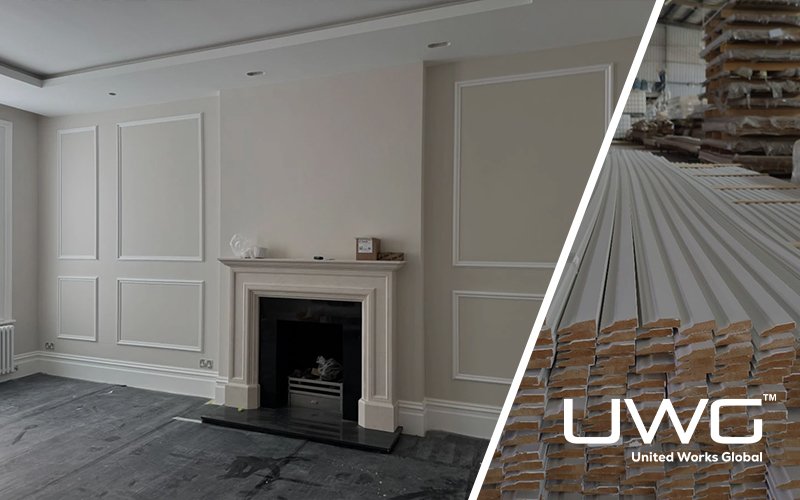
Plain walls can make even well-furnished spaces feel dull and unfinished. Many homeowners struggle to add character without major renovations. Wood panel moulding offers a simple, cost-effective way to transform flat walls into elegant design features with depth and personality.
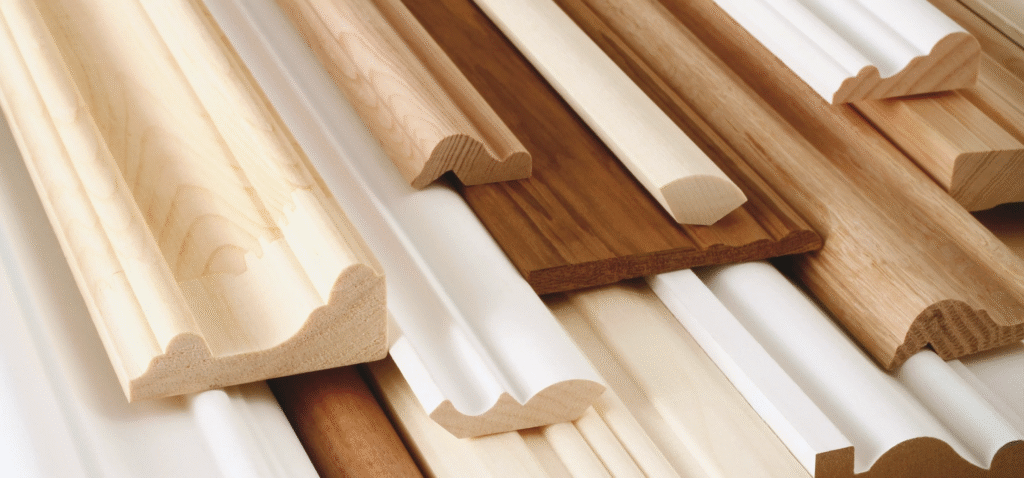
Wood panel moulding for walls is a decorative design technique that uses wooden trims or panels to create structured patterns on flat surfaces. It enhances interior spaces by adding depth, texture, and architectural detail. Popular styles like wainscoting, board and batten, and raised panels make it a versatile option for both modern and traditional homes.
To understand how to use it effectively, let’s break down the most common types and their practical applications.
What Is Wood Panel Moulding?
Wood panel moulding refers to applying decorative trim or panels directly onto walls to create visual structure. Instead of leaving walls flat, this technique introduces geometric patterns, frames, or layered textures.
I’ve seen it used in everything from modern apartments to classic homes. It works because it adds depth without requiring structural changes.
What Are the Different Types of Wall Moulding?
There are several popular styles, each with a different visual effect and installation method.
| Type | Description | Best For | Style Impact |
|---|---|---|---|
| Wainscoting | Panels covering the lower half of the wall | Dining rooms, hallways | Classic and elegant |
| Board and Batten | Vertical strips creating grid patterns | Modern and farmhouse interiors | Clean and structured |
| Beadboard | Narrow vertical planks with grooves | Bathrooms, cottages | Soft and casual |
| Raised Panel | Layered panels with depth | Formal living spaces | Luxurious and traditional |
Each type differs not just in appearance, but in how it interacts with light and shadow. For example, raised panels create deeper shadows, which adds a more dramatic, high-end feel. On the other hand, beadboard keeps things subtle and textured.
If you’re exploring modern wall panel design, board and batten is often the most versatile option.
Is Wall Moulding Expensive?
The cost of wall moulding depends on materials, labor, and design complexity.
- DIY wall moulding: More affordable, especially with MDF or pre-cut kits
- Professional installation: Higher cost but cleaner finish
- Custom designs: Most expensive due to labor and precision
From what I’ve seen, many homeowners underestimate how flexible the budget can be. You can start small—like one accent wall—and still get a big visual upgrade.
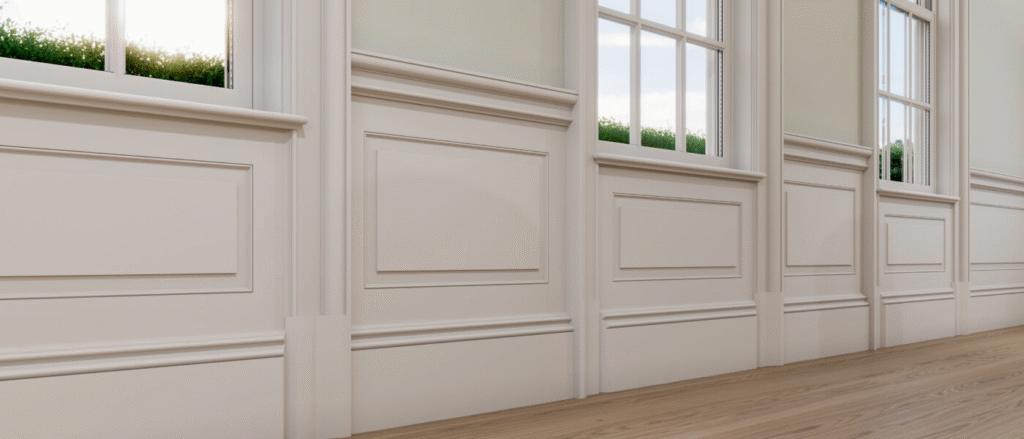
What Are the Benefits of Wood Panel Moulding?
Wood panel moulding is not just decorative—it also adds functional value.
Advantages
- Instantly upgrades wall aesthetics
- Adds perceived property value
- Protects walls from wear and damage
- Works with both modern and classic styles
imitations
- Requires precise measurement and planning
- Poor installation can look uneven
- Some styles may not fit minimalist interiors
In my experience, the biggest advantage is how it balances cost and impact. Few design elements offer such a strong transformation without major renovation.
Can You Install Wall Moulding Yourself?
Yes, and that’s why DIY wall moulding has become so popular.
Basic steps include:
- Measure and mark wall sections
- Cut moulding pieces to size
- Attach using adhesive or nails
- Fill gaps and paint
The technical part most people overlook is spacing consistency. Even small misalignments can affect the final look. That’s why planning your layout beforehand is critical.
If you’re new, start with simple grid designs rather than complex raised panels.
Does Wall Moulding Add Value to a Home?
Yes—especially in competitive real estate markets.
From a design perspective, buyers often associate moulding with higher-end interiors. It creates a “finished” look that photographs well and improves first impressions.
While it may not dramatically increase appraised value, it can:
- Help homes sell faster
- Improve perceived quality
- Differentiate your space from others
This is why many designers include decorative wall moulding in staging strategies.
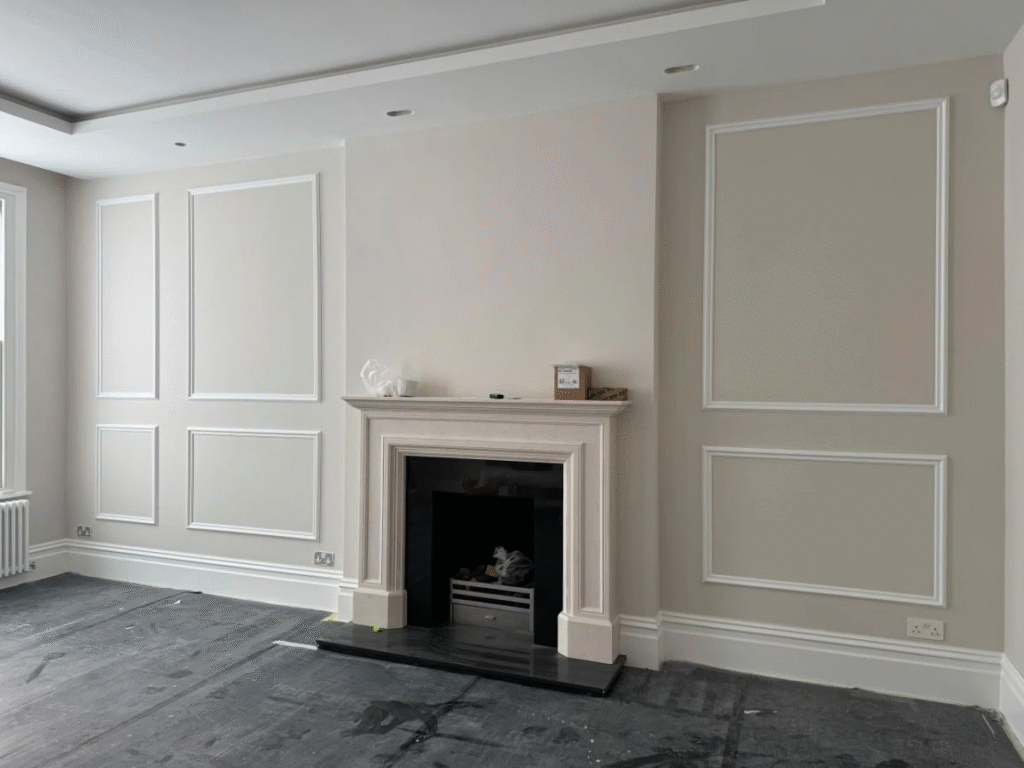
What Are the Best Wall Panel Moulding Ideas for Modern Homes?
If you’re looking for inspiration, here are some ideas that work well today:
- Full-height grid patterns for statement walls
- Minimalist rectangular frames in neutral tones
- Dark-colored moulding for contrast
- Accent walls behind beds or sofas
Modern interiors tend to favor simplicity. Instead of overly ornate designs, clean lines and symmetry work best.
Frequently Asked Questions About Wood Panel Moulding
Q: What is wood panel moulding and how does it benefit a construction project?
A: Wood panel moulding is a decorative interior technique that adds geometric structure, depth, and texture to otherwise flat walls using wood or MDF trims. For builders and developers, it is a highly cost-effective way to differentiate a property, increase its perceived resale value, and provide a premium “finished” look that appeals strongly to high-end homebuyers without requiring major structural changes.
Q: What are the most common types of wall moulding used in modern builds?
A: The most popular styles in contemporary residential projects include Board and Batten, which creates a clean, structured vertical grid pattern perfect for modern farmhouses; Wainscoting, which typically covers the lower third of a wall to provide classic elegance; and Raised Panel moulding, which is used in formal dining or living areas to create a sense of traditional luxury.
Q: Is MDF or solid wood better for large-scale wall moulding installations?
A: For large developments, MDF (Medium-Density Fiberboard) is often the superior choice over solid wood. MDF is more cost-efficient, perfectly stable, and features a flawlessly smooth surface that takes paint much better than natural timber. It eliminates the risk of knots or wood grain showing through the finish, ensuring high visual consistency across hundreds of rooms while reducing material waste.
Q: How does partnering with a dedicated supplier like M4B help contractors with moulding?
A: Sourcing through a specialized wholesale partner like M4B ensures that builders receive consistent profile designs and high-quality, factory-primed surfaces across every shipment. This significantly reduces on-site labor time for sanding and preparation, allowing for faster installation cycles and a more professional final result while protecting the overall project’s profit margins.
Summary
Wood panel moulding is a practical way to elevate interior design without major renovation. With the right style, layout, and installation approach, it can transform plain walls into visually rich features while also enhancing home value.
Articles that you may be interested in:
5 Questions to Ask Before Ordering Mouldings in Bulk
Cost-Effective Interior Design for Builders: Why MDF Primed Moulding Makes Sense