In modern construction projects, especially in residential and multifamily developments, installation efficiency is no longer determined solely by labor skills. One of the most influential yet often underestimated factors is hardware selection—particularly hinges. The type of hinge used can directly affect installation speed, alignment accuracy, and overall project timelines. From standard ball bearing hinges to concealed and lift-off hinges, each option brings different installation requirements and efficiencies.
Hardware selection affects installation efficiency by determining how easily components align, fit, and function during installation. Hinges such as ball bearing or removable pin types simplify alignment and reduce labor time, while advanced options like concealed or soft-close hinges may require more precise installation but improve long-term performance. Choosing compatible, pre-configured hardware reduces errors, minimizes rework, and speeds up installation, especially in large-scale projects. Poor hardware choices, however, can lead to delays, misalignment, and increased labor costs, ultimately impacting overall project efficiency and timelines.
Why Hardware Selection Matters in Installation
In door installation, hardware is not just an accessory—it is a functional component that directly interacts with both the door and the frame. When hardware is properly selected:
- Installation becomes faster and more predictable
- Alignment issues are minimized
- Labor costs are reduced
Conversely, mismatched or complex hardware can slow down installation and increase the risk of errors.
Common Hinge Types and Their Impact on Efficiency
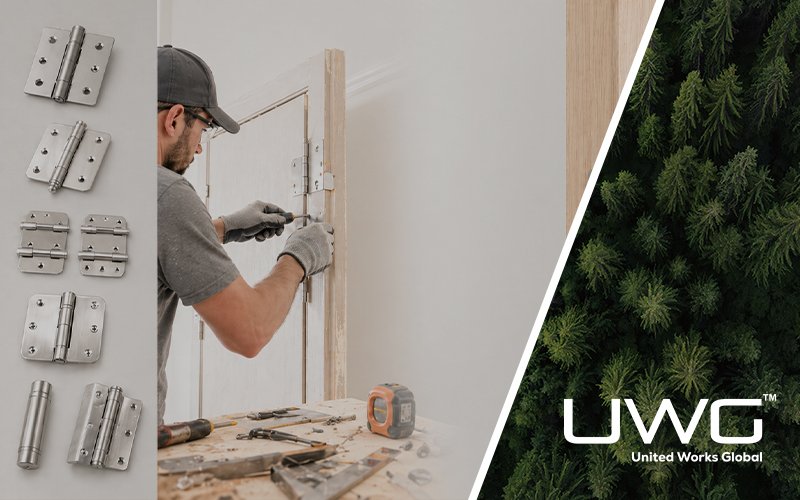
Based on the hinge types shown in the image, different hinges serve different markets and installation needs:
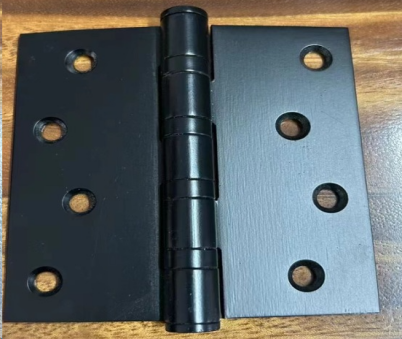
2.1 Ball Bearing Hinges
Widely used in commercial and residential projects, especially in the U.S. market.
Efficiency Impact:
- Smooth operation reduces adjustment time
- Durable and stable, minimizing callbacks
- Easy for installers to handle
👉 Best for: Standard projects requiring reliability and speed
2.2 Soft-Close Spring Hinges
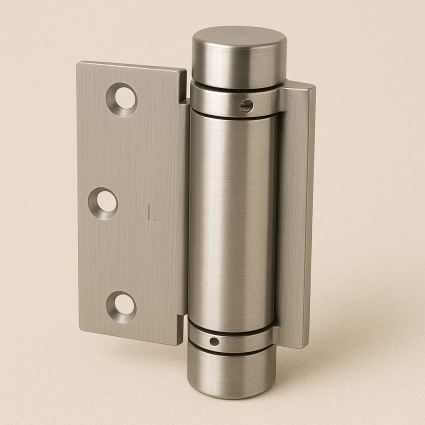
These hinges automatically close the door using internal springs.
Efficiency Impact:
- Reduces need for additional closers
- Requires careful adjustment during installation
- Slightly longer setup time
👉 Best for: Residential or interior applications where convenience is prioritized
2.3 Removable Pin Hinges
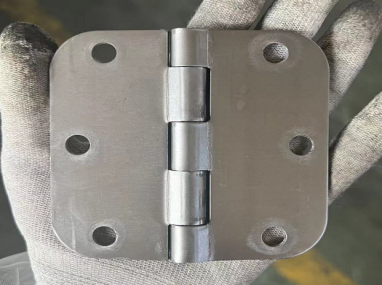
Commonly used in the U.S. market.
Efficiency Impact:
- Allows quick door removal and reinstallation
- Simplifies maintenance and adjustments
- Speeds up installation in large projects
👉 Best for: Projects requiring flexibility and fast on-site handling
2.4 Concealed Hinges
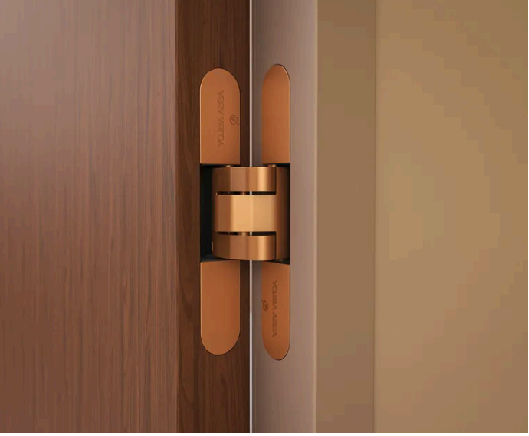
Typically used in high-end finished doors.
Efficiency Impact:
- Clean aesthetic but requires precise installation
- Higher alignment requirements
- Longer installation time
👉 Best for: Premium projects where design is critical
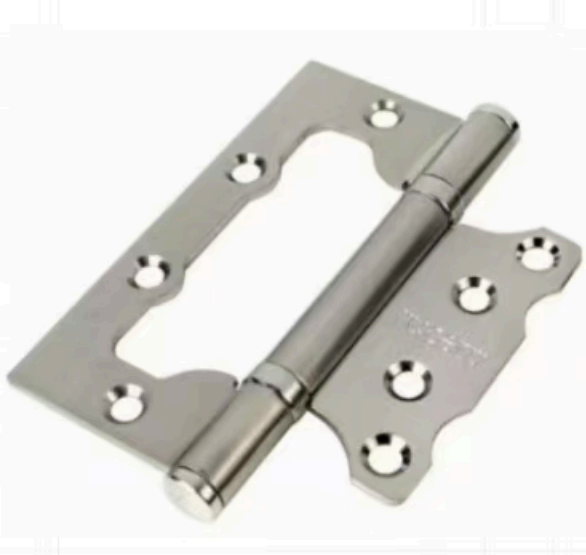
2.5 Butterfly Hinges (PVC/WPC Doors)
Often used where pre-cut hinge grooves are not required.
Efficiency Impact:
- Eliminates routing or cutting
- Speeds up installation significantly
- Less structural support compared to heavy-duty hinges
👉 Best for: Lightweight doors and fast installations
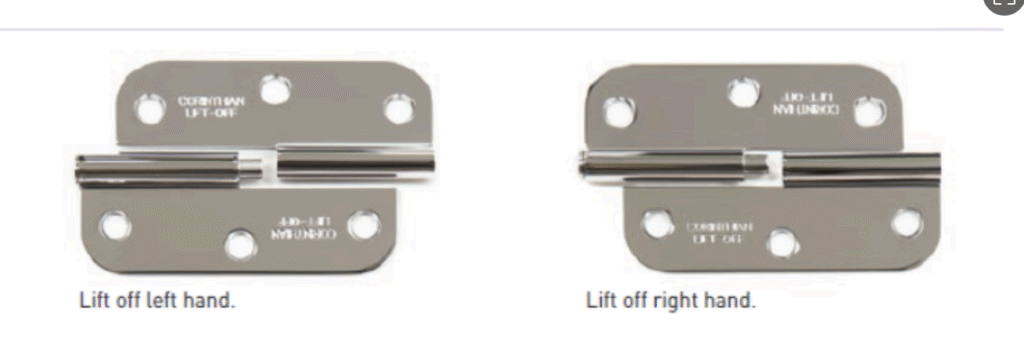
2.6 Lift-Off Hinges
Common in the Australian market, especially for bathroom doors.
Efficiency Impact:
- Enables quick removal without tools
- Very efficient for maintenance and replacement
- Minimal installation complexity
👉 Best for: Projects requiring frequent door removal
2.7 Fire-Rated Hinges
Designed for fire-resistant doors.
Efficiency Impact:
- Must meet strict compliance standards
- Requires precise installation
- Critical for safety and inspections
👉 Best for: Apartment, commercial, and fire-rated projects
Comparison of Hinge Types and Installation Efficiency
| Hinge Type | Installation Speed | Complexity | Best Application | Efficiency Level |
|---|---|---|---|---|
| Ball Bearing | Fast | Low | General use | High |
| Soft-Close Spring | Medium | Medium | Residential | Medium |
| Removable Pin | Fast | Low | U.S. projects | High |
| Concealed | Slow | High | High-end doors | Low (installation) |
| Butterfly | Very Fast | Low | PVC/WPC doors | Very High |
| Lift-Off | Very Fast | Low | Maintenance-heavy areas | Very High |
| Fire-Rated | Medium | High | Safety-critical projects | Medium |
Impact on Large-Scale Projects
In projects such as apartment complexes with hundreds of doors, hardware selection has a measurable impact.
For example:
- If each door installation is reduced by just 10 minutes
- For 300 doors, that equals 50 hours saved
This translates to:
- Lower labor costs
- Faster project completion
- Reduced scheduling pressure
Matching Thickness to Actual Use
In practice, installation teams often find that consistency and compatibility matter more than complexity. When the same hinge type is used across all units, installers become more efficient and make fewer mistakes.
Projects using removable pin or ball bearing hinges typically move faster because they require fewer adjustments. On the other hand, projects that mix hinge types or use more complex systems like concealed hinges tend to slow down due to alignment challenges.
Over time, it becomes clear that selecting hardware based on ease of installation and proven performance leads to smoother workflows and fewer issues on-site.
Best Practices for Improving Installation Efficiency
To optimize installation efficiency through hardware selection:
✔ Choose standardized hardware
Use the same hinge type across the project to improve speed and consistency
✔ Match hardware with door type
Ensure compatibility between door material and hinge type
✔ Consider installation conditions
Select hardware that suits the installer’s skill level and tools available
✔ Balance efficiency and performance
Avoid overly complex hardware unless required by design or regulations
Frequently Asked Questions About Hardware & Installation Efficiency
Q: How does door and cabinet hardware selection impact overall labor costs?
A: Hardware selection directly dictates installation speed. Complex or mismatched hardware requires installers to perform time-consuming on-site modifications, such as routing new grooves, adjusting bore holes, or dealing with strict alignment tolerances. Selecting standardized, easy-to-install hardware reduces the time spent on each unit, which exponentially lowers overall labor costs across a large-scale development.
Q: Why are side-mount drawer slides considered more efficient to install than undermount slides?
A: Side-mount slides are highly contractor-friendly because they can be quickly screw-mounted directly to the exterior sides of the drawer box without any structural modifications. Undermount (bottom-mount) slides require precise drawer box notching, rear groove machining, and exact sub-millimeter tolerances. While undermount slides look cleaner, side-mount slides significantly reduce field rework and speed up the installation process.
Q: How do adjustable hinges improve door installation efficiency?
A: In standard installations, if a heavy door sags or misaligns with the frame, carpenters must remove the heavy door, adjust the shims, or re-drill the hinge plates. 3D adjustable hinges allow installers to fine-tune the door’s alignment (up/down, left/right, and in/out) with a simple turn of an Allen wrench or screwdriver while the door is still hanging, turning a frustrating 30-minute adjustment into a fast 2-minute task.
Q: What is the benefit of standardizing hardware across a multi-unit project?
A: Standardizing hardware across an entire apartment complex or housing development eliminates the learning curve for installation crews. When workers install the exact same hinges, locks, and drawer slides hundreds of times, they build muscle memory and speed. Partnering with a dedicated wholesale supplier like M4B ensures that all hardware arrives perfectly compatible with your prehung doors and milled cabinets, entirely eliminating on-site guesswork.
Conclusion
Hardware selection, particularly hinge choice, plays a critical role in installation efficiency. Different hinge types offer varying levels of speed, complexity, and performance, making it essential to choose the right option based on project needs. By prioritizing compatibility, simplicity, and consistency, builders and contractors can significantly improve installation efficiency, reduce labor costs, and ensure smoother project execution.
Articles that you may be interested in:
Complete Door Hardware Guide: Handles, Locks, Hinges, and Accessories