
Many builders wonder: can interior door handles be installed on exterior doors to save money? It sounds convenient, but outdoor conditions are harsher. Without the right hardware, you may face rust, fading, or even safety issues. Let’s explore the pros and cons in detail.
Interior door handles can technically be used outside, but they are not recommended for long-term use. They lack weather resistance, UV protection, and corrosion-proof coatings. Exposure to rain and sunlight can cause rust and fading. In addition, most interior handles don’t have high-security lock cylinders. For builders aiming at durability and reduced liability, exterior-grade handles are the smarter choice.
Now, let’s break down how interior handles perform outdoors and what that means for builders in terms of cost, safety, and project quality.
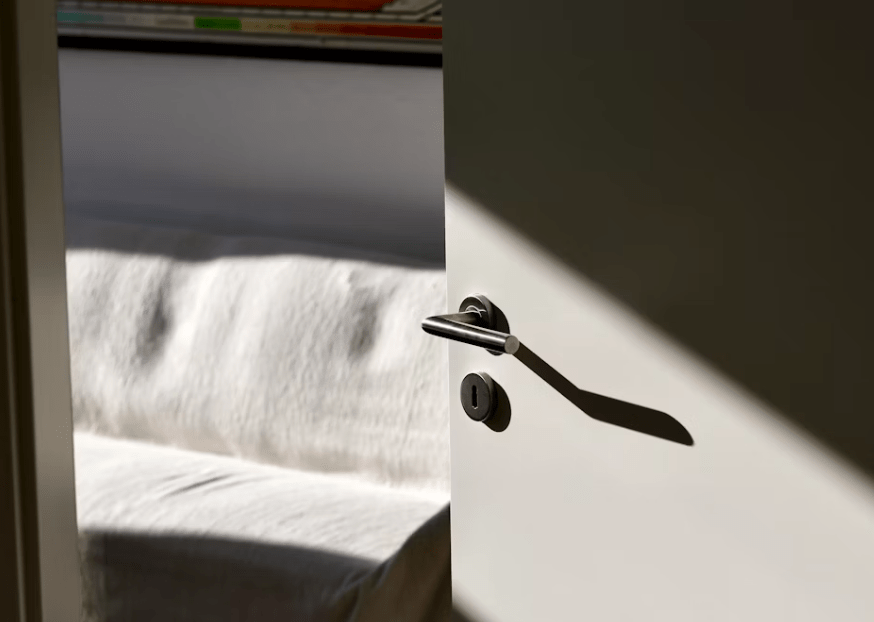
Can I use an interior door knob on an exterior door?
Technically yes—the handle will operate and the door will open. However, interior handles wear out quickly outdoors. Finishes may fade or peel within months. For temporary structures this might work, but for residential or commercial projects, it’s a liability.
Is it ok to use interior door handles outside?
It’s fine short-term, but long-term performance is poor. In humid or rainy climates, most interior handles rust within a year or two. This creates maintenance costs and unhappy clients, increasing the risk of complaints.
Are interior handles weatherproof and rust-proof?
No. Most interior handles are not weather-resistant. Common materials such as zinc alloy or mild steel corrode quickly outdoors. In contrast, exterior-grade handles use stainless steel, brass, or treated finishes designed to resist rain, sun, and temperature shifts.
What’s the difference between interior and exterior door handles?
- Material: Exterior handles are usually stainless steel or solid brass. Interior versions may use cheaper alloys.
- Security: Exterior handles include high-security lock cylinders; interior ones often don’t.
- Weather resistance: Exterior hardware has protective coatings for sun and rain.
- Cost: Exterior-grade is more expensive but lasts far longer.
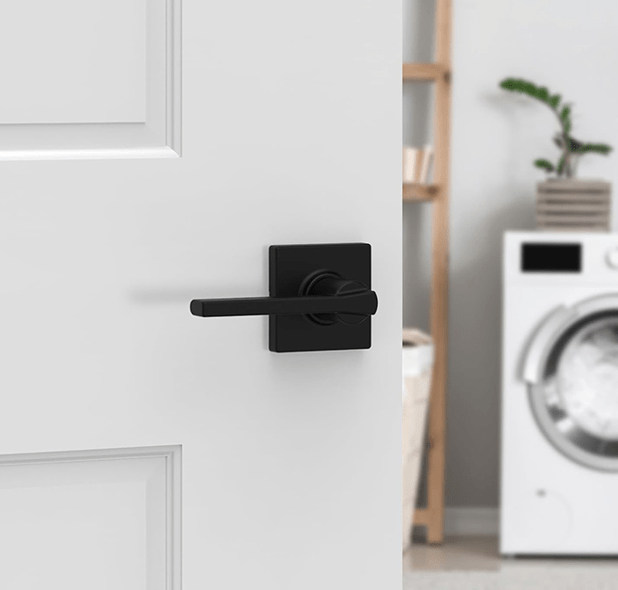
Interior vs exterior door handles: which is better for builders?
Builders may be tempted by the lower cost of interior handles, but saving now often means paying later. Exterior-grade hardware may cost more upfront but reduces callbacks, warranty claims, and brand reputation risks. Long-term, it’s the better investment.
A practical guideline: use interior handles for interior doors and exterior handles for exterior doors. This approach balances cost, durability, security, and client satisfaction, helping projects stand the test of time without unnecessary compromises.
Weatherproof door handles: what options exist?
Popular outdoor options include:
- 304/316 stainless steel – best for corrosion resistance, especially in coastal regions.
- Solid brass – naturally resistant, though more expensive.
- Aluminum with coatings – lightweight and affordable.
- Powder-coated steel – cost-effective but depends on coating quality.
Stainless steel vs brass handles: which lasts longer outdoors?
- Stainless steel: Highly corrosion-resistant, especially grade 316, excellent in marine environments.
- Brass: Naturally antimicrobial and resistant, but can tarnish in acidic or salty conditions. The right choice depends on project environment and budget.
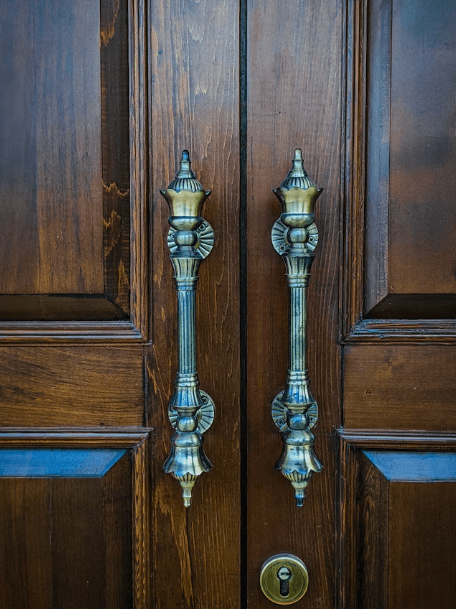
Security concerns with using interior handles outside
Interior handles often lack locks or use basic mechanisms. Installing them on exterior doors lowers security standards, exposing projects to theft risks and potential liability for the builder.
Cost comparison: interior vs exterior grade door hardware
- Interior handles: Cheaper (approx. $5–$12 each), but wear out quickly.
- Exterior hardware: More expensive (approx. $20–$70 each), but last 5–10+ years. Over time, exterior-grade hardware is more cost-effective.
How can risk be reduced if interior handles must be used outdoors?
If budget or supply constraints require using interior door handles outdoors, builders can take several steps to reduce risks and prolong service life:
- Install in protected areas: Place handles under eaves, carports, or balconies to minimize direct exposure to rain and sunlight.
- Choose higher-quality handles: Select interior handles with thicker plating or specialty coatings for better durability.
- Apply additional protective layers: Before installation, use clear lacquer or anti-rust sprays to enhance resistance.
- Schedule regular maintenance: Provide clients with simple guidance on cleaning, lubrication, and inspection to slow down wear and corrosion.
These measures can help mitigate some of the drawbacks of using interior-grade hardware outdoors, but they are not a replacement for true exterior-grade handles.
Frequently Asked Questions About Interior vs. Exterior Door Handles
Q: Can interior door handles be used on exterior doors?
A: Technically, yes, an interior handle will open and close an exterior door. However, it is highly discouraged. Interior handles lack the necessary weather resistance, UV protection, and anti-corrosion coatings to survive outdoor elements, meaning they will quickly rust, fade, or peel.
Q: Are interior door handles weatherproof?
A: No, interior door handles are not weatherproof. They are typically made from cheaper alloys, such as zinc or mild steel, which corrode rapidly when exposed to rain, humidity, and direct sunlight. Exterior-grade handles use solid brass or stainless steel (like grade 304 or 316) specifically treated to withstand harsh weather.
Q: What are the security risks of using an interior handle outside?
A: Interior handles are designed for privacy rather than security. They usually lack high-security lock cylinders, making them highly vulnerable to break-ins. Installing them on an exterior door significantly lowers the building’s security standards and exposes builders to potential liability.
Q: How can I protect an interior handle if I absolutely must use it outdoors?
A: If budget constraints force you to use an interior handle outside, you can slow down corrosion by installing the door in a sheltered area (like under a deep eave or carport), applying clear anti-rust lacquer or sprays before installation, and maintaining it regularly with silicone lubricants. However, this is only a temporary fix compared to using true exterior-grade hardware.
Conclusion
Interior handles can work outdoors in the short term, but they’re not designed for it. For builders, exterior-grade hardware ensures durability, security, and client satisfaction. Cutting costs upfront may lead to bigger losses later.