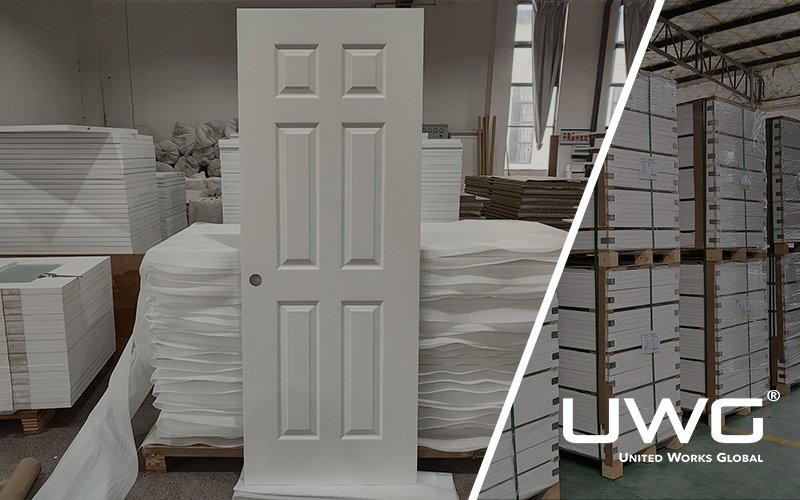
For builders and general contractors, choosing an interior door finish is not only a design decision. It directly affects project cost, installation efficiency, construction schedule, and the final appearance of the property.
A lower-cost door finish may require additional onsite painting work, while a factory-finished door may have a higher initial cost but reduce labor requirements and improve project timelines. Similarly, a wood-look finish can create a premium appearance without the cost of solid wood doors.
When selecting interior doors for residential or commercial projects, builders need to balance three key factors: onsite labor cost, budget requirements, and final aesthetic expectations. So, how should you choose the right interior door finish for your project?
Interior Door Finishes: Primed, Painted, Veneered & Stained
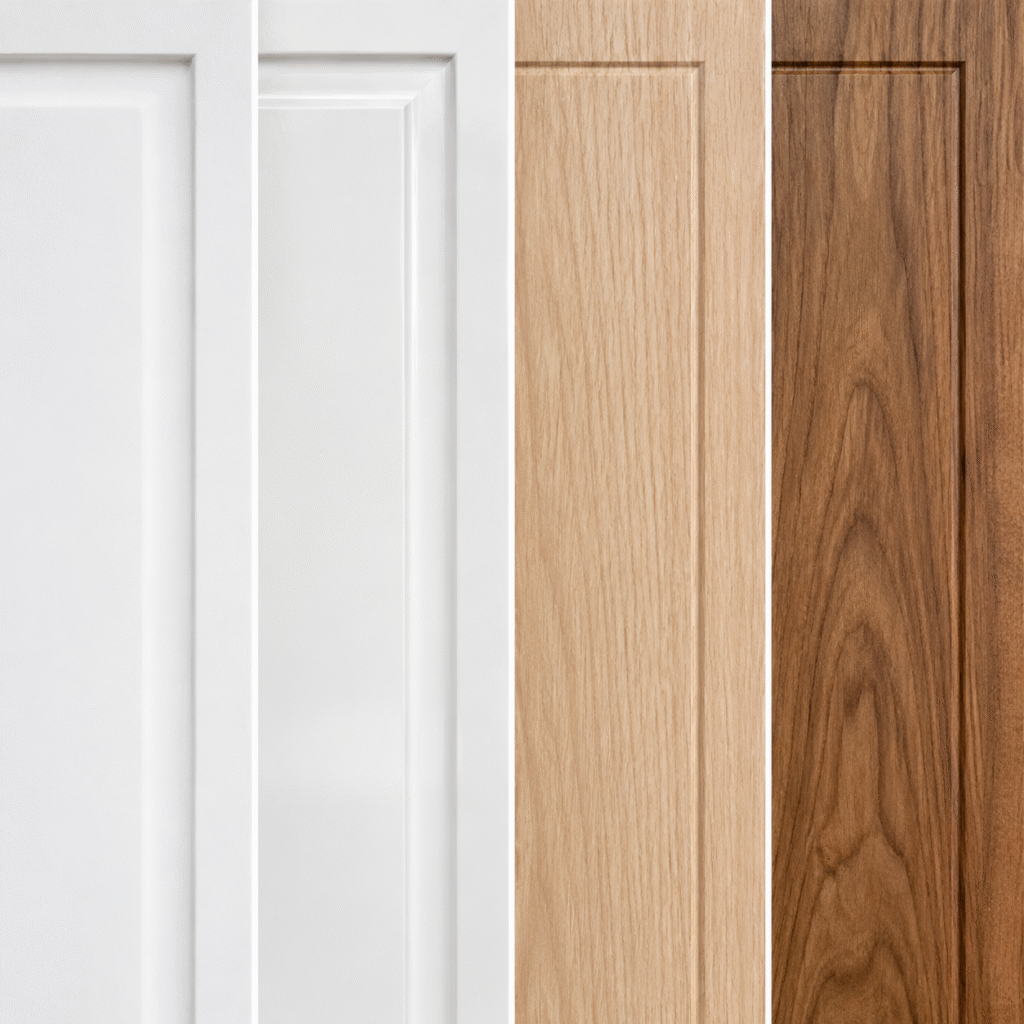
Interior door finishes determine how a door looks, how much preparation is required before installation, and how well it fits into the overall construction process.
Different finishes are designed for different project requirements:
| Interior Door Finish | Main Characteristics | Best Application |
|---|---|---|
| Primed Door | Factory-applied white primer, ready for onsite painting | Production housing and budget-focused projects |
| Painted Door | Factory-applied final paint finish with consistent color | Multifamily and projects with tight schedules |
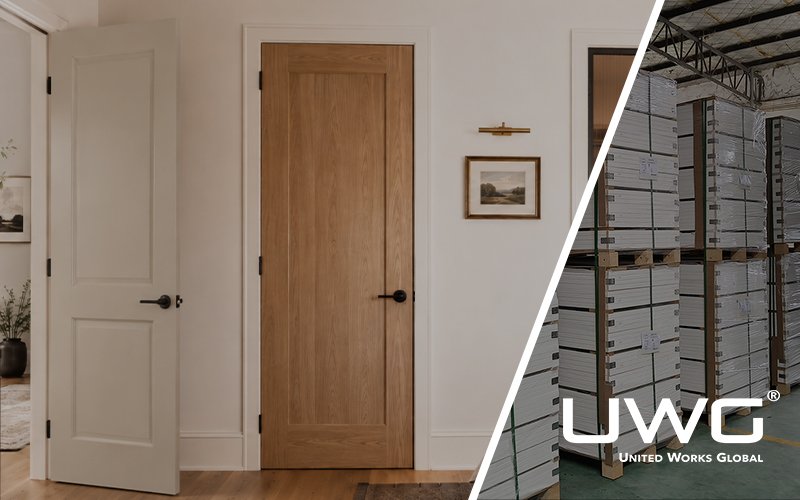
| Veneered Door | Wood-look surface using veneer, PVC, or melamine finish | Cost-conscious projects requiring premium appearance |
| Stained Door | Enhances natural wood grain and texture | Luxury homes and custom residential projects |
Choosing the right finish depends on more than the appearance of the door. Builders should also consider the construction workflow, available labor, and the expected quality level of the finished property.
Primed Doors: A Cost-Effective Solution for Large-Volume Projects
Factory-Applied Primer for Flexible Onsite Painting
Primed doors are manufactured with a factory-applied primer coating, usually in a smooth white finish. The primer creates a prepared surface that allows painters to apply the final color onsite without additional surface preparation.
For builders, the biggest advantage of primed doors is flexibility. Since the final paint color is applied during the construction process, contractors can easily match walls, trim, and interior design requirements.
Best Applications for Primed Interior Doors
Primed doors are commonly used for:
- Production housing
- Builder-grade residential projects
- Large multifamily developments
- Projects with scheduled onsite painting crews
Based on our experience supplying residential door projects, primed doors remain one of the most popular choices for high-volume construction because builders can coordinate door painting together with other interior finishing work.
For projects where controlling upfront material costs is the priority, primed doors provide a practical balance between purchase price and final appearance.
Painted Doors: Factory-Finished Options for Faster Project Completion
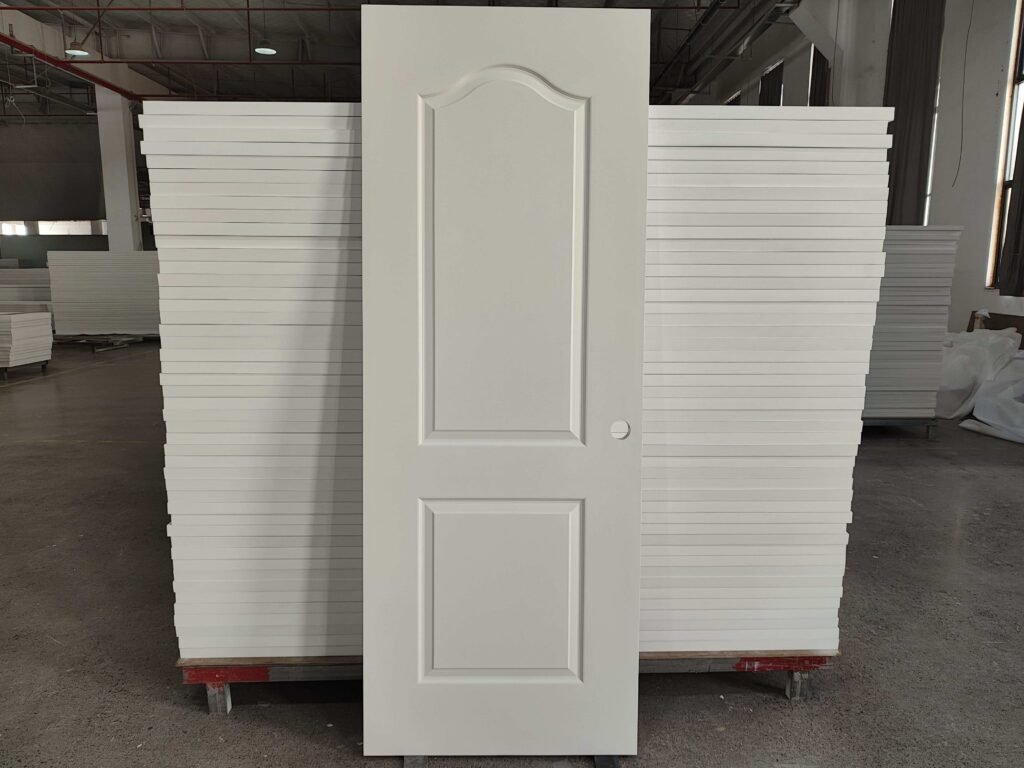
Ready-to-Install Doors With Consistent Color Quality
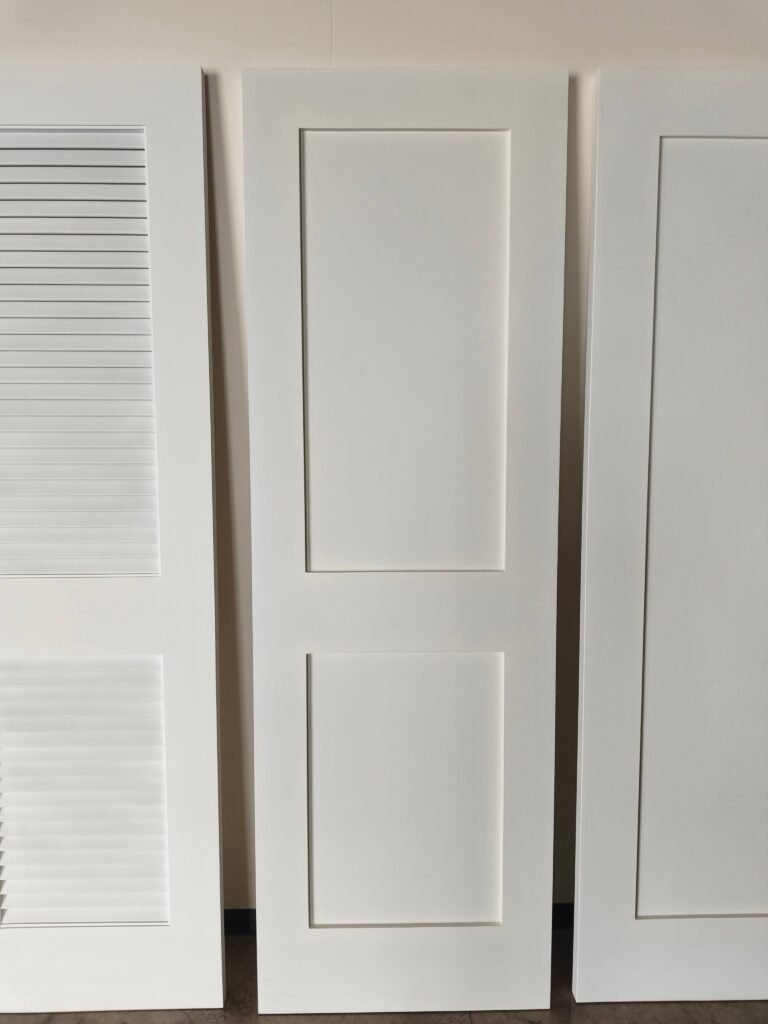
Painted doors are finished at the factory with the final coating applied before shipment. Compared with primed doors, they eliminate the need for onsite painting after delivery.
Most factory-painted doors use environmentally friendly water-based coatings, providing a smooth surface finish and consistent color quality across multiple production batches.
For builders managing large projects, factory finishing can reduce several hidden costs:
- Reduced onsite labor
- Less painting equipment required
- Faster installation process
- Lower risk of inconsistent paint results
Best Applications for Painted Interior Doors
Painted doors are suitable for:
- Apartment projects
- Multifamily housing
- Commercial residential developments
- Projects requiring quick turnover
In multi-unit projects, maintaining consistent appearance across hundreds of doors can be challenging when painting is completed onsite. Factory-painted doors help minimize color differences and reduce schedule delays caused by additional finishing work.
Veneered Doors: Affordable Wood Appearance Without Solid Wood Cost
Creating Natural Wood Appearance With Alternative Materials
Veneered interior doors provide the appearance of natural wood while offering better cost control compared with solid wood doors.
Depending on project requirements, veneer finishes may include:
- Natural wood veneer
- PVC wood-grain film
- Melamine finishes
These surfaces replicate different wood species and textures while providing a more stable and economical solution for larger projects.
Best Applications for Veneered Interior Doors
Veneered doors are often selected for:
- Mid-range residential projects
- Hospitality developments
- Office interiors
- Projects requiring wood appearance within a controlled budget
For many builders, veneer finishes provide an effective middle ground. They create a higher-end visual impression compared with standard painted doors while avoiding the higher material cost and maintenance requirements of solid wood products.
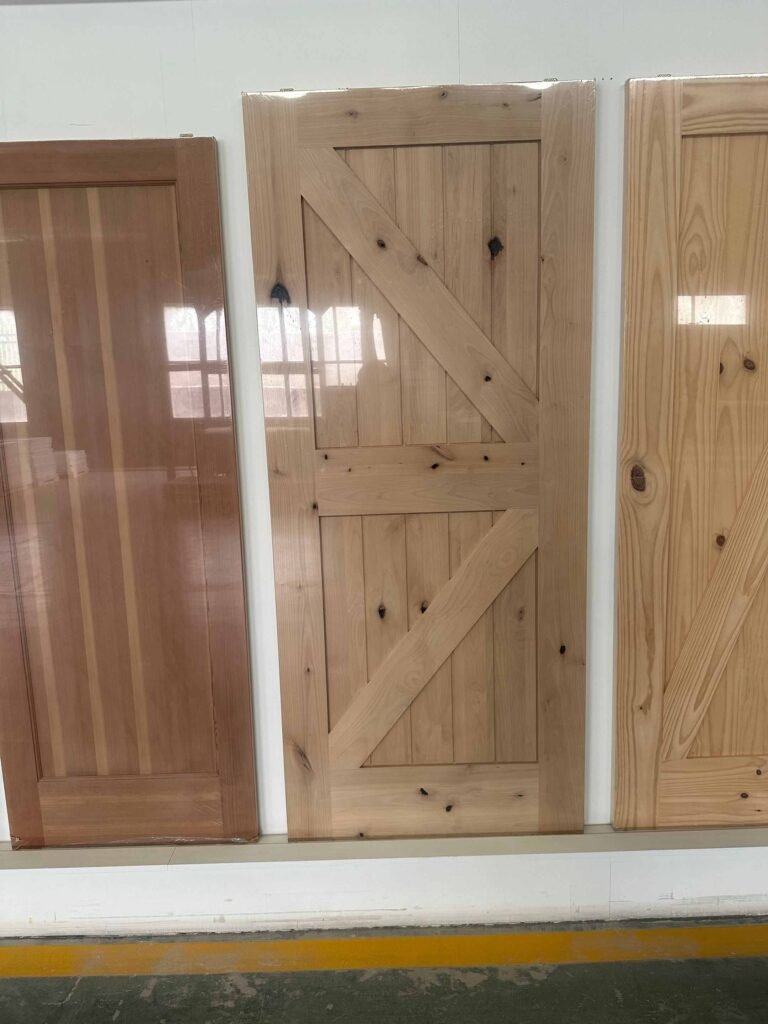
Stained Doors: Premium Finish for Natural Wood Character
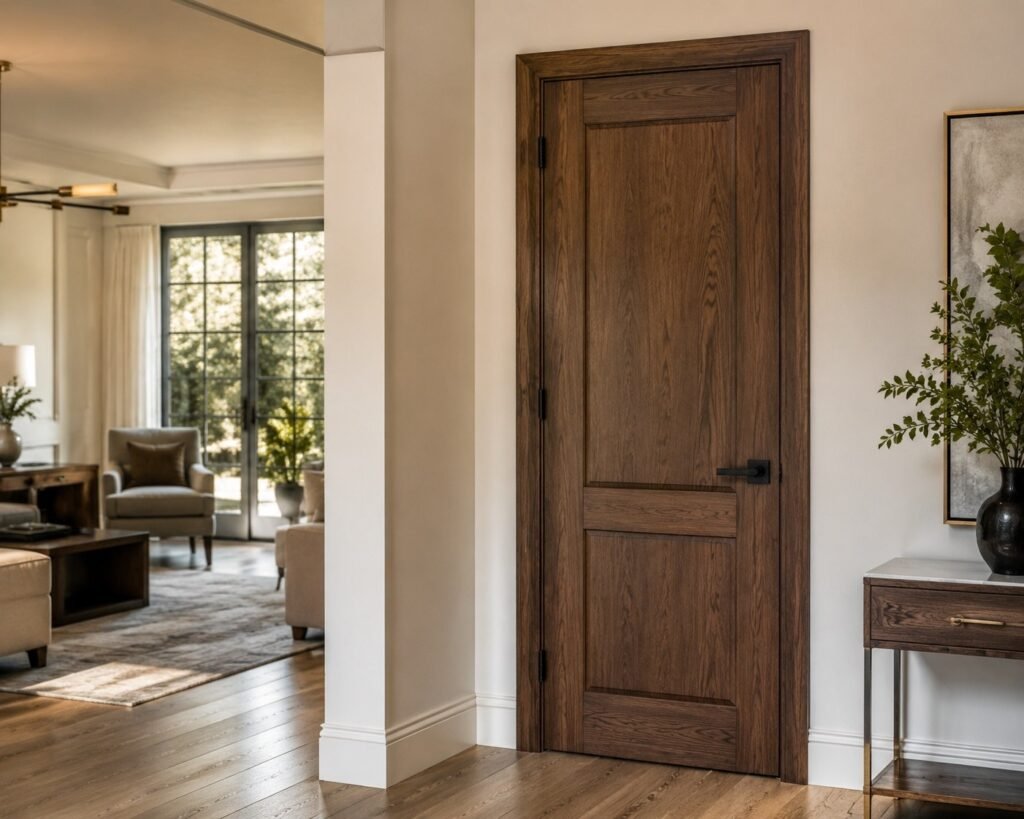
Enhancing Wood Grain and Creating a Custom Appearance
Stained doors are designed to highlight the natural characteristics of wood materials. Instead of covering the surface like paint, stain penetrates the wood and enhances the grain pattern, creating a warmer and more natural appearance.
This finish is commonly paired with wood veneer doors because the stain allows the texture and variation of the wood surface to remain visible.
Best Applications for Stained Interior Doors
Stained doors are typically used for:
- Luxury residential projects
- Custom homes
- High-end renovations
- Premium interior designs
For these projects, homeowners and designers usually prioritize appearance and material character over the lowest initial cost. A well-selected stained wood door can become an important interior design feature rather than simply a functional component.
How Builders Should Select the Right Interior Door Finish
Consider Total Project Cost Instead of Initial Door Price
The lowest purchase price does not always represent the lowest project cost.
Builders should consider the complete cost, including:
- Door purchase price
- Transportation and handling
- Installation labor
- Painting requirements
- Schedule impact
For example, primed doors may have a lower initial cost but require onsite painting labor. Factory-painted doors may cost more upfront but reduce finishing work and help projects move faster.
Match Door Finish With Construction Schedule
Construction timing is another important factor.
For projects with flexible schedules and existing painting crews, primed doors are often the most practical choice.
For projects requiring quick installation and immediate occupancy, factory-painted doors can reduce delays by arriving ready for installation.
Select Finishes Based on Property Positioning
The target market of the project should also influence the finish selection.
A production home builder may prioritize efficiency and cost control, while a luxury custom home project may require premium wood textures and customized finishes.
The right finish should support the overall value positioning of the property.
Interior Door Finish Selection Guide for Different Projects
| Project Type | Recommended Finish | Reason |
|---|---|---|
| Production Housing | Primed Doors | Cost-effective and flexible for onsite painting |
| Multifamily Projects | Painted Doors / Primed Doors | Faster installation and consistent appearance |
| Mid-Range Residential | Veneered Doors | Premium wood look with controlled cost |
| Luxury Custom Homes | Stained Doors | Natural wood appearance and custom design value |
Summary
Choosing the right interior door finish requires balancing appearance, budget, labor requirements, and construction schedules.
Primed doors are ideal for builders who need cost efficiency and onsite flexibility. Painted doors help reduce installation time and provide consistent factory-quality finishes. Veneered doors offer an attractive wood appearance at a controlled cost, while stained doors deliver a premium natural wood look for luxury projects.
Based on years of experience supplying interior doors for residential and commercial projects, we understand that every project has different priorities. At United Woods Group, we provide multiple interior door finish options, including primed, painted, veneered, and stained solutions, helping builders select products that match their project requirements, budget targets, and construction timelines.
Interior Door Finish FAQ
What is the difference between primed and painted interior doors?
Primed doors come with a factory-applied primer and require the final paint color to be applied onsite. Painted doors receive their final coating at the factory and arrive ready for installation without additional onsite painting.
Which interior door finish is best for large-volume projects?
Primed doors are commonly used for production housing, builder-grade residential projects, large multifamily developments, and projects with scheduled onsite painting crews because they provide cost efficiency and flexibility.
What are veneered interior doors best used for?
Veneered interior doors are often selected for mid-range residential projects, hospitality developments, office interiors, and projects that require a wood appearance while maintaining controlled material costs.
When should builders choose stained interior doors?
Stained interior doors are typically used for luxury residential projects, custom homes, high-end renovations, and premium interior designs where natural wood grain and material character are important.
How should builders choose the right interior door finish?
Builders should consider the complete project cost, construction schedule, available onsite labor, and property positioning. Primed, painted, veneered, and stained finishes each offer different advantages depending on budget, workflow, and aesthetic requirements.
Articles that you may be interested in: