

Painting interior doors can be challenging, especially when choosing the right paint finish. Among the most popular options, matte and satin finishes offer very different benefits in terms of appearance, durability, maintenance, and everyday performance.
For most interior doors, satin paint is generally the preferred choice because it provides better durability, moisture resistance, and easier cleaning. Matte paint offers a softer, low-sheen appearance that hides imperfections well, making it a popular option for modern interiors and low-traffic spaces.
In this guide, we’ll compare matte vs satin paint for interior doors, including their pros, cons, key differences, and the best applications for each finish.
Matte vs Satin Paint for Interior Doors: Quick Comparison
| Feature | Matte Finish | Satin Finish |
|---|---|---|
| Sheen Level | Low (0–10% Gloss) | Medium (25–35% Gloss) |
| Durability | Moderate | High |
| Washability | Moderate | Excellent |
| Moisture Resistance | Moderate | High |
| Hides Imperfections | Excellent | Good |
| Reflectivity | Minimal | Soft Sheen |
| Best For | Bedrooms, Closets, Low-Traffic Areas | Hallways, Kitchens, Laundry Rooms |
When comparing matte vs satin finish for interior doors, the first thing you’ll notice is the sheen—or lack of it.
What Is Matte Paint for Interior Doors?
Matte paint has a soft, non-reflective appearance that absorbs light rather than reflecting it. This low-sheen finish creates a clean and contemporary look, making it a popular choice for modern, minimalist, and Scandinavian-style interiors.
One of the biggest advantages of matte paint is its ability to hide surface imperfections. Minor dents, scratches, patch marks, and uneven textures are less noticeable because the finish diffuses light instead of highlighting flaws.
Pros of Matte Paint for Interior Doors
- Hides imperfections exceptionally well
- Creates a modern and sophisticated appearance
- Reduces glare and light reflection
- Provides a smooth, soft visual texture
Cons of Matte Paint for Interior Doors
- Less resistant to scuffs and scratches
- More difficult to clean than satin finishes
- May show wear faster in high-traffic areas
- Requires more maintenance over time
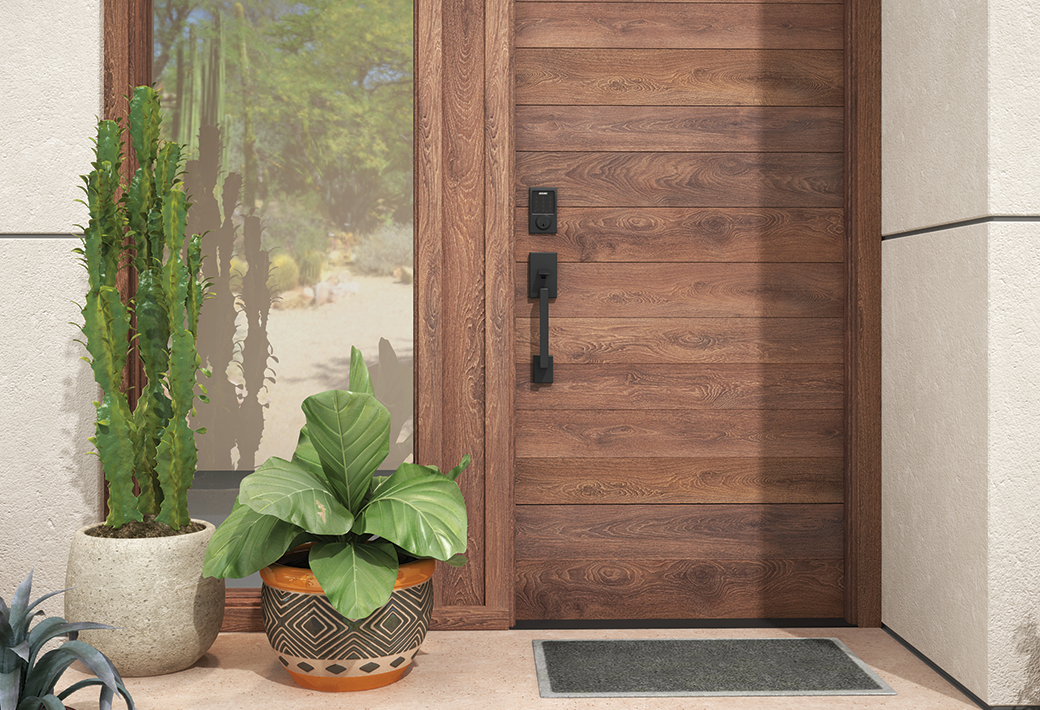
Matte finish interior doors are often best suited for bedrooms, home offices, closets, and other areas where durability is less important than aesthetics.
What Is Satin Paint for Interior Doors?
Satin paint has a subtle sheen that reflects light gently while maintaining a smooth and refined appearance. It offers a balance between the flat look of matte paint and the higher shine of semi-gloss finishes.
Because satin paint contains more resin, it forms a harder and more durable surface that resists moisture, fingerprints, scuffs, and everyday wear. This makes it one of the most widely recommended finishes for interior doors.
Pros of Satin Paint for Interior Doors
- Excellent durability and wear resistance
- Easier to clean and maintain
- Better moisture resistance
- Suitable for high-traffic areas
- Provides a clean and polished appearance
Cons of Satin Paint for Interior Doors
- Surface imperfections may be more visible
- Requires better sanding and preparation
- Touch-up repairs can sometimes be noticeable
Satin finish interior doors are commonly used in hallways, kitchens, bathrooms, laundry rooms, mudrooms, and family homes where doors are frequently used.
Matte vs Satin Interior Doors: Key Differences
The biggest difference between matte and satin paint for interior doors is sheen and durability.
Matte finishes create a soft, low-reflection appearance and do an excellent job of concealing imperfections. Satin finishes provide a subtle glow while offering significantly better durability, moisture resistance, and cleanability.
For homeowners focused on design and aesthetics, matte can create a sophisticated contemporary look. For those prioritizing practicality and long-term performance, satin is usually the better choice.
In most residential applications, satin remains the preferred finish because it balances appearance, durability, and maintenance.
Does Satin or Matte Show More Imperfections on Interior Doors?
Here’s the deal: Satin finishes tend to highlight imperfections, especially under direct light. Dents, brush strokes, and patchy surfaces will stand out more with a satin coat. That’s why proper sanding, priming, and even application are essential when using satin on doors.
Matte paint, on the flip side, is forgiving. It camouflages flaws, which makes it ideal for older doors or DIY paint jobs where perfection isn’t always achievable.Matte finish interior doors are often chosen when surface imperfections are difficult to fully correct.
For professional builders, the takeaway is simple: If you don’t have time for intensive prep work, matte may save you headaches. But if your surface is flawless and your client values durability, go with satin.

Is Satin or Matte Finish Better for High-Traffic Areas?
In high-traffic zones—think kitchens, hallways, mudrooms—satin is hands-down the better choice. Why? Because it resists scuff marks, fingerprints, moisture, and cleaning chemicals. This is especially true on interior doors that get opened dozens of times a day.
Matte finishes, while beautiful, aren’t built for rough handling. They’re harder to clean and more prone to showing wear over time. That’s why most pro painters reserve matte for walls or low-touch surfaces.
If your client has kids, pets, or a lot of guests, recommend satin for its practicality. It’s not as shiny as semi-gloss but still offers the protection they’ll need.In most real-world applications, satin vs matte for doors clearly favors satin in durability-focused environments.
Opinions on Matte vs. Satin for Interior Doors
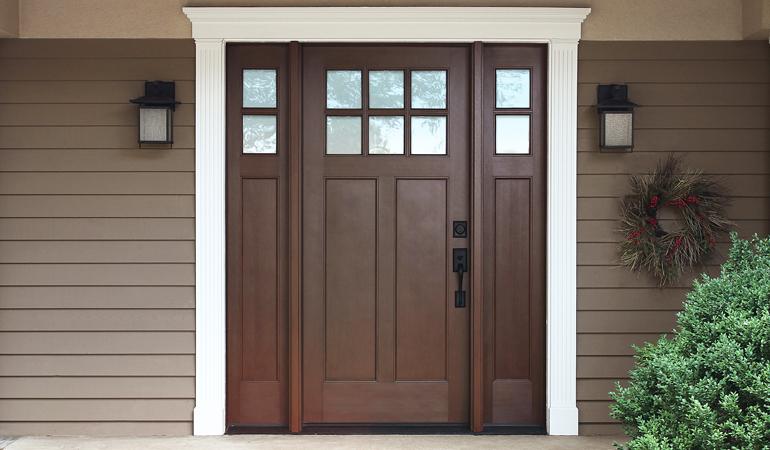
Many people have shared their experiences with painting. Overall, satin is seen as the “middle ground”—it has moderate sheen, is easy to clean, and works well for doors and trim. Some also note that semi-gloss can feel outdated, while matte doors may appear too soft or slightly chalky.
In general, satin works well for most homes, especially modern styles. If someone wants a super-modern, no-shine look and is okay with extra maintenance, matte is an option—but in terms of functionality and durability, satin still has the edge.For homeowners searching for the best paint finish for interior doors, satin is usually the safest and most practical option.
Recommendations: Matte or Satin for Doors?
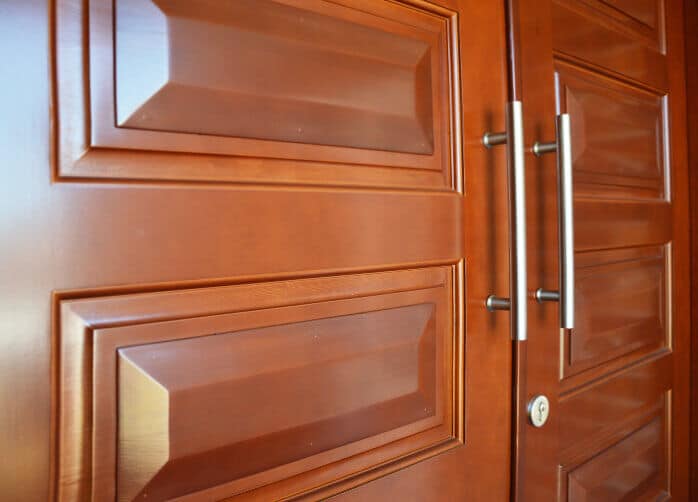
When it comes to product authority, often recommends satin or semi-gloss for interior doors. These formulas are engineered for high durability, which aligns well with builder needs.
According to their finish guide, matte is better suited for walls in adult bedrooms or formal living spaces—not high-traffic spots like doors or baseboards.
If you’re using ** paints, ask your supplier for satin-finish samples specifically designed for trim and doors. Builders often choose satin enamel** for its combination of smoothness and scrubbability.This makes satin finish one of the most widely used options for interior door applications.
Satin vs Matte vs Gloss: Which One Fits Your Design Goals?
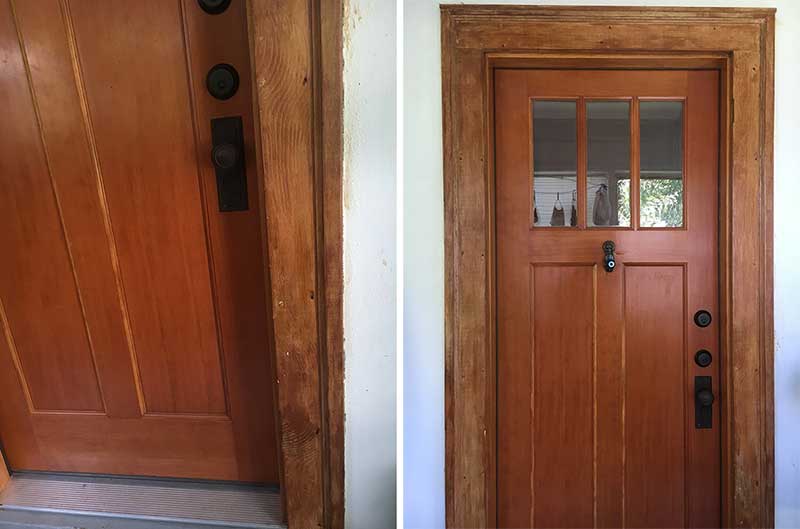
Now let’s widen the scope. When choosing finishes, you’re not just picking between matte and satin—you’re choosing between matte, satin, and gloss. Each brings a different design impact.
- Gloss: High shine, super durable, but very reflective. Often used in commercial spaces or ultra-modern interiors. Shows every flaw—use with caution.
- Satin: Soft sheen, versatile, and ideal for most homes. Offers a nice balance of appearance and performance.
- Matte: Flat and stylish, best for modern or rustic styles where texture is key.
If your client wants a modern farmhouse or Scandinavian look, matte could complement the aesthetic. For a clean, updated vibe with minimal maintenance, satin is the sweet spot. And for a luxury hotel-style look, high gloss can make a bold statement—just prepare for the prep work.
As a builder, consider how light, texture, and design style interact with the finish. That’s the real secret to nailing the right choice.Understanding the differences between matte vs satin vs gloss helps builders choose the right finish for both function and design.
Frequently Asked Questions About Interior Door Finishes
Q: What is the main difference between matte and satin paint for interior doors?
A: Matte paint absorbs light, creating a flat, velvety look that excels at hiding surface imperfections but offers lower durability. Satin paint reflects light for a subtle, pearl-like glow and provides a durable, easy-to-clean surface that actively resists moisture and scuffs.
Q: Which paint finish is better for high-traffic interior doors?
A: Satin is highly recommended for high-traffic areas such as kitchens, hallways, and mudrooms. Its moisture-resistant and washable properties make it much better equipped to handle daily wear, fingerprints, and frequent cleaning than a matte finish.
Q: Does a satin finish highlight imperfections on a door?
A: Yes, because satin reflects light, it can highlight dents, brush strokes, and uneven surfaces. Proper sanding and priming are absolutely essential before applying a satin finish to ensure a smooth, professional-grade result.
Q: When should I choose a matte finish for an interior door?
A: A matte finish is ideal for low-traffic doors, older doors with minor surface flaws, or interior projects aiming for a soft, contemporary aesthetic where minimizing glare and emphasizing texture are prioritized over maximum durability.
Summary
Choosing the right finish transforms your doors from basic to bold. Whether you go for satin’s durability or matte’s elegance, your final pick should reflect your space’s purpose. When comparing matte vs satin finish for interior doors, satin stands out as the best overall choice for durability, maintenance, and everyday performance.Got a favorite? Let us know in the comments or share your own paint tips below!
Articles that you may be interested in:
Why Do Interior Doors Fail in Dry vs Humid Climates? A Builder’s Guide to Molded and Shaker Doors