Engineered Hardwood vs. Laminate Flooring: Key Differences Explained
Engineered Hardwood vs. Laminate Flooring: Key Differences Explained
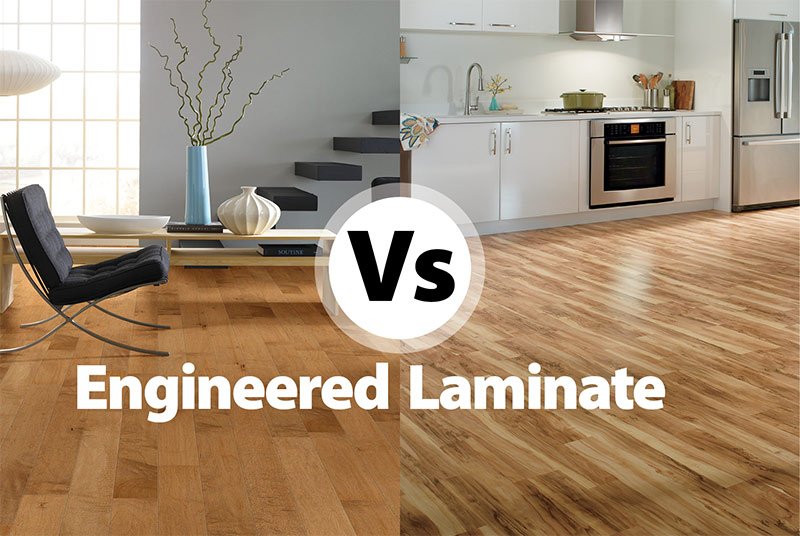
Engineered hardwood is made from real layers of wood and offers a longer lifespan, as it can be sanded and refinished. It brings authentic warmth and increases resale value. Laminate flooring is made from composite wood with a printed image layer and a protective coating. While it's more scratch-resistant and affordable, it can’t be refinished and may not last as long. The best choice depends on your budget, style goals, and how much wear the floor will endure.
Choosing between engineered hardwood and laminate flooring can be confusing, especially when both look similar but perform very differently. If you’re a builder or homeowner, knowing what makes each flooring type unique will save you time, money, and future headaches.
Engineered hardwood is made from real layers of wood and offers a longer lifespan, as it can be sanded and refinished. It brings authentic warmth and increases resale value. Laminate flooring is made from composite wood with a printed image layer and a protective coating. While it’s more scratch-resistant and affordable, it can’t be refinished and may not last as long. The best choice depends on your budget, style goals, and how much wear the floor will endure.
Let’s explore each type in more depth to help you confidently choose the right flooring for your home or construction project.
What is Laminate Flooring and Engineered Hardwood Flooring?
Laminate Flooring is a multi-layer synthetic product. It typically consists of:
A high-density fiberboard (HDF) core
A photographic layer that mimics wood or stone
A clear wear layer for protection
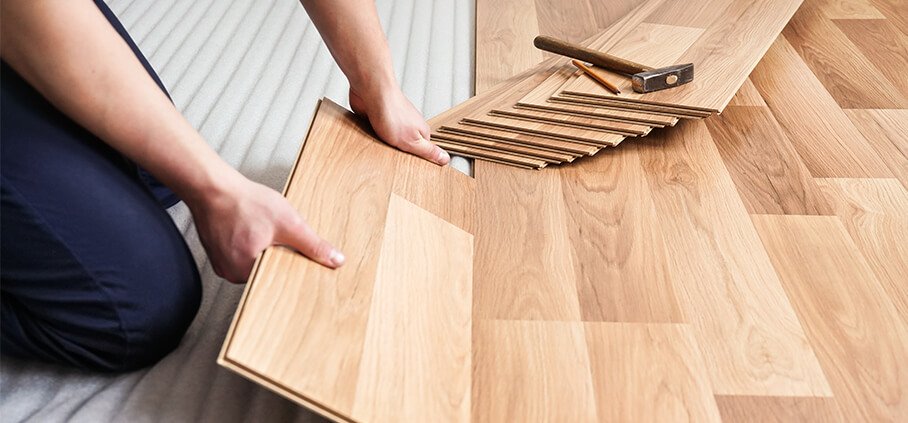
Laminate is known for its affordability, ease of installation, and resistance to scratches.
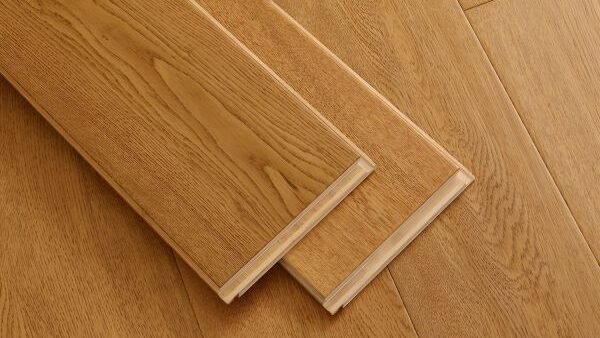
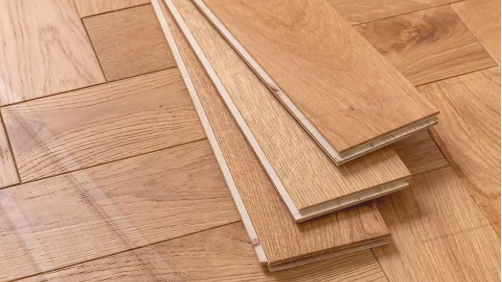
Engineered Hardwood, on the other hand, is made from multiple layers of real wood. The top layer (called the veneer) is actual hardwood, while the bottom layers are made from plywood or HDF for stability. It looks and feels like solid wood but is more resistant to moisture and temperature changes.
🛠️ Builders often choose engineered hardwood when they want the elegance of real wood without the complications of solid hardwood installation.
What is Better, Laminate Flooring or Engineered Hardwood?
The answer depends on your needs. Let’s compare the two based on key factors:
Feature
Engineered Hardwood
Laminate Flooring
Material
Real wood veneer
Synthetic with wood-look image
Appearance
Natural wood grain, more realistic
Improved designs, but still synthetic
Durability
Can be scratched, but can refinish
Highly scratch-resistant
Lifespan
20–30+ years (refinishable)
10–20 years
Installation
Nail, glue, or click-lock
Click-lock floating floor
Water Resistance
Moderate (not waterproof)
Better, but still not waterproof
Resale Value
Higher
Moderate
If you’re looking for something that adds long-term value and a premium feel, engineered hardwood is your best bet. But for tight budgets, rentals, or high-traffic zones, laminate performs exceptionally well.
Do High-End Homes Use Laminate Flooring?
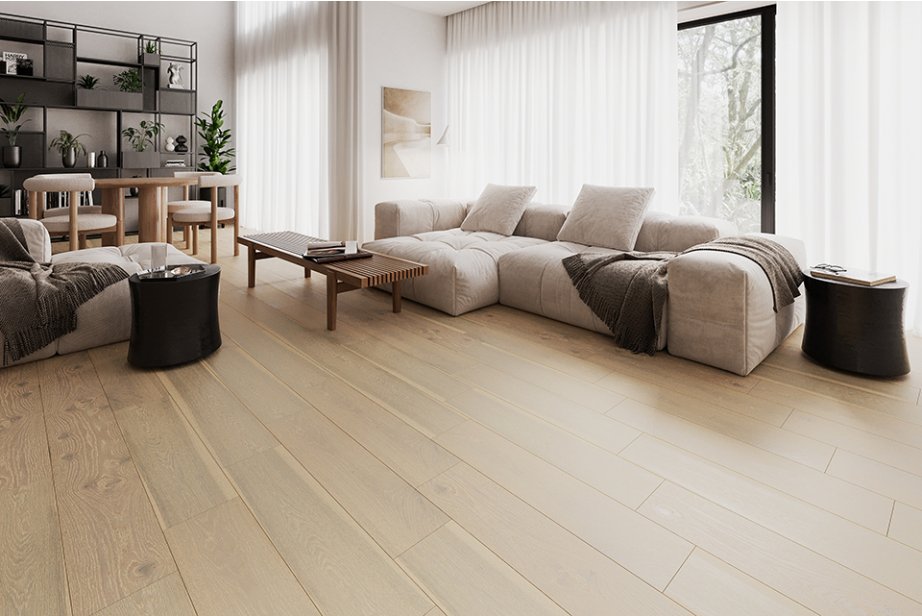
Traditionally, high-end homes have shown a strong preference for real hardwood or engineered hardwood flooring. This inclination stems from the prestige these materials bring, along with their ability to boost a property’s resale value and their authentic, timeless appearance that adds a touch of elegance to any space.
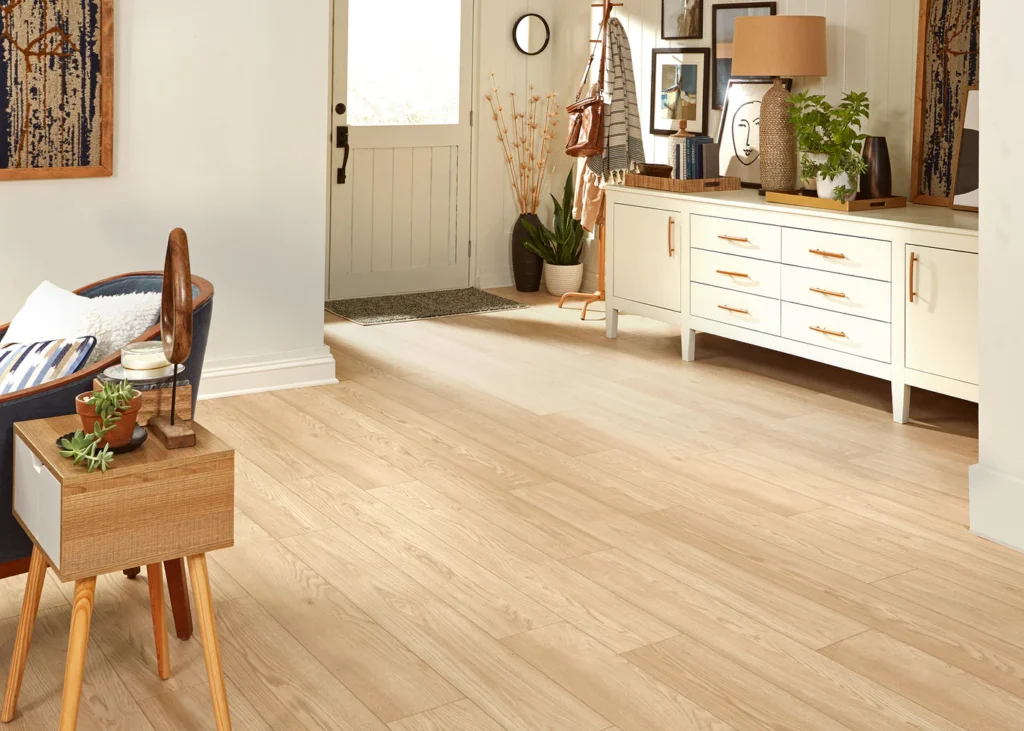
However, the flooring scene is evolving. Nowadays, premium laminates have made significant strides. They’re no longer the subpar imitations of the past; instead, they can convincingly mimic the textures and patterns of real wood, thanks to advanced manufacturing techniques.
This change is especially noticeable in luxury rental units and modern minimalist homes. In rentals, landlords appreciate laminate’s durability and low maintenance, which can withstand the wear from multiple tenants. For minimalist homes, laminate’s clean and uniform look fits right in with the simple design ethos. When ease of care and longevity are priorities, laminate becomes a practical choice.
Yet, most real estate agents still hold that engineered hardwood is the superior investment for those aiming for high resale value. Its durability, resistance to environmental changes in some aspects, and enduring aesthetic charm make it a more reliable bet for maximizing a property’s worth in the long term.
How to Tell if Floor is Laminate or Engineered Hardwood?
Not sure what’s already installed in your space? Here’s how to tell the difference:
Test
Laminate
Engineered Hardwood
Grain & Texture
Repeating patterns, smooth
Natural variation in grain
Sound Underfoot
Hollow or clicking sound
Heavier, more solid feel
Edge Detail
Often beveled or uniform edges
May have micro-bevels or natural edges
Water Reaction Test
Water may sit on top briefly
Water may absorb and raise grain
Refinishing
Cannot refinish
Can be sanded once or twice
If you’re evaluating a property, this can help determine maintenance needs and value.
Engineered Hardwood Flooring vs Laminate Cost
Here’s a breakdown of what you can expect in terms of costs:
Cost Factor
Engineered Hardwood
Laminate Flooring
Material Price
$4–$10+ per sq ft
$1–$5 per sq ft
Installation Cost
$3–$10 per sq ft
$1.50–$3 per sq ft
Underlayment
Often required
Usually included or optional
Maintenance
Occasional refinishing
Replace when worn
Long-Term Value
Higher resale appeal
Lower resale but good short-term
💡 Tip: If you’re working on a budget-conscious build but still want great aesthetics, laminate offers great bang for your buck. But for value-driven homeowners, engineered hardwood is a worthy investment.
*The above prices represent the average market retail prices and may vary depending on actual conditions.
Professional Advice: What the Pros Recommend
Here’s what I suggest based on common project needs:
For High-Traffic Homes: Choose laminate for scratch resistance.
For Style and Longevity: Go with engineered hardwood — it can be refinished and adds resale value.
For Rentals or Flips:Laminate is budget-friendly and looks good short-term.
For Moist Areas: Select water-resistant engineered hardwood options or go with vinyl.
Ask Your Installer:
What kind of subfloor is required?
Is moisture a concern in this room?
Can the floor be refinished later?
🧱 Builder’s Tip: Engineered hardwood is often a smoother install in upper levels or concrete slabs compared to solid hardwood.
Summary
Choosing between engineered hardwood and laminate comes down to your priorities. For real wood, go engineered. For affordability and durability, laminate shines. Let us know in the comments or reach out if you have questions — the right flooring makes all the difference!
Noreen specializes in interior doors, mouldings, cabinets, windows, and flooring, with extensive experience in construction projects. She shares professional insights and best practices to help builders, contractors, and designers make informed decisions and optimize project outcomes.
Reviewed by
UWG Technical Team
About UWG
UWG (United Works Global) provides building material solutions designed to support every stage of construction projects, combining global manufacturing and U.S. warehouses to deliver doors, cabinets, mouldings, windows, and flooring with end-to-end support for builders and distributors.
This website uses technologies such as cookies to enable basic website functions, as well as for analytics, personalization, and targeted advertising. To learn more, please view the following link: Privacy Policy.
Functional
Always active
The technical storage or access is strictly necessary for the legitimate purpose of enabling the use of a specific service explicitly requested by the subscriber or user, or for the sole purpose of carrying out the transmission of a communication over an electronic communications network.
Preferences
The technical storage or access is necessary for the legitimate purpose of storing preferences that are not requested by the subscriber or user.
Statistics
The technical storage or access that is used exclusively for statistical purposes.The technical storage or access that is used exclusively for anonymous statistical purposes. Without a subpoena, voluntary compliance on the part of your Internet Service Provider, or additional records from a third party, information stored or retrieved for this purpose alone cannot usually be used to identify you.
Marketing
The technical storage or access is required to create user profiles to send advertising, or to track the user on a website or across several websites for similar marketing purposes.