Builders today face increasing pressure to balance construction costs, energy efficiency, project timelines, and long-term building performance. At the same time, homeowners and developers expect durable window systems that require minimal maintenance and comply with modern energy standards. Because of these changing demands, vinyl windows have become one of the most widely used window solutions in residential and light commercial construction projects.
Vinyl windows are popular among builders because they combine affordability, energy efficiency, durability, and fast installation. Compared with traditional wood or aluminum windows, modern vinyl window systems help reduce labor costs, improve insulation performance, lower maintenance requirements, and support long-term project value for builders and wholesalers.
As building codes continue evolving and buyers pay closer attention to energy costs, vinyl windows are no longer viewed only as a budget-friendly option. They are now considered a reliable and practical solution for modern construction projects.
What Are Vinyl Windows and Why Are Builders Using Them?
Vinyl windows are window systems made from polyvinyl chloride (PVC), a durable synthetic material commonly used in modern construction because of its insulation performance, moisture resistance, and low maintenance requirements.
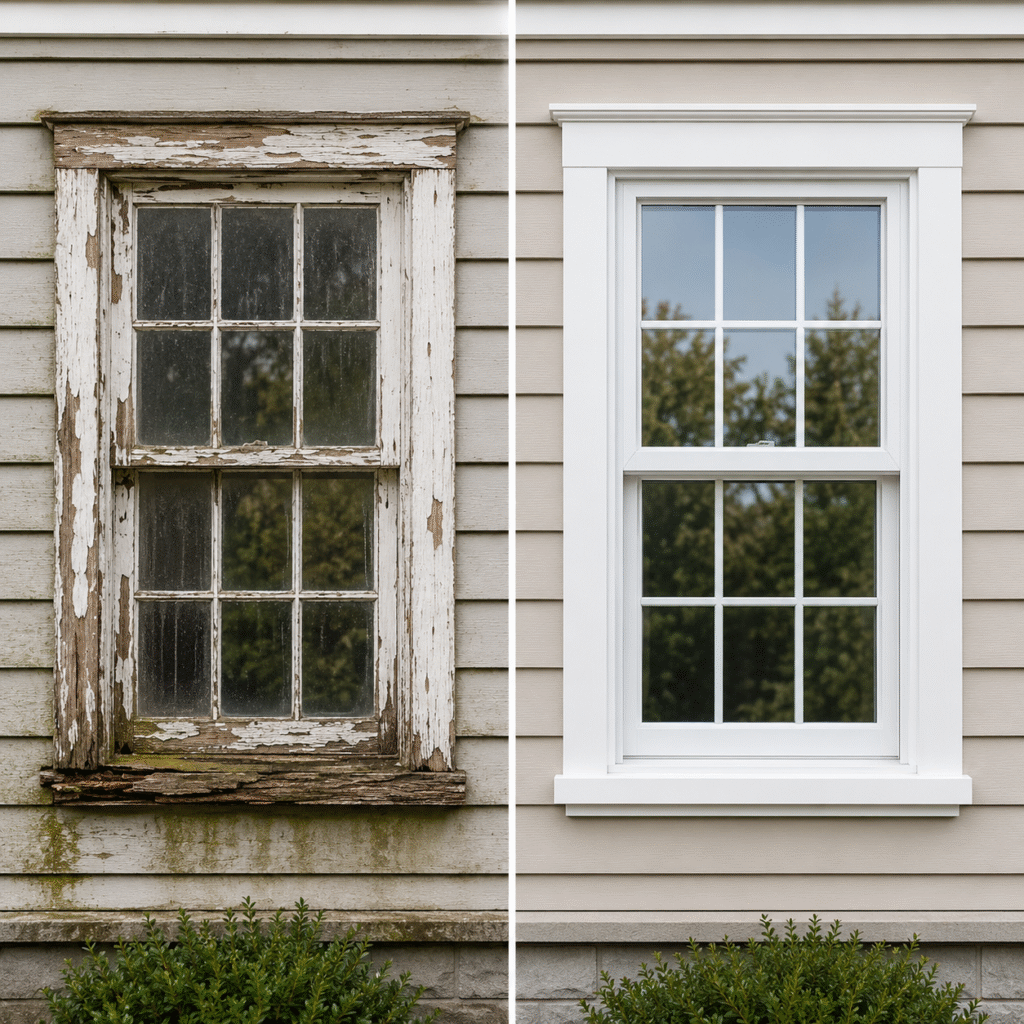
Unlike wood windows, vinyl frames do not absorb moisture or require repainting over time. Compared with aluminum, vinyl transfers less heat, making it more energy efficient in both hot and cold climates.
For builders managing large housing developments or multi-unit projects, consistency is extremely important. Vinyl windows are manufactured with standardized production processes, which helps maintain stable sizing, smoother installation, and predictable project scheduling.
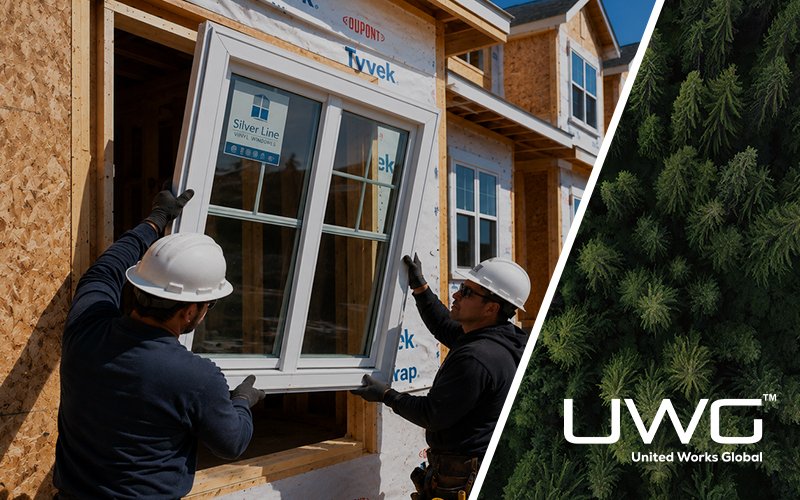
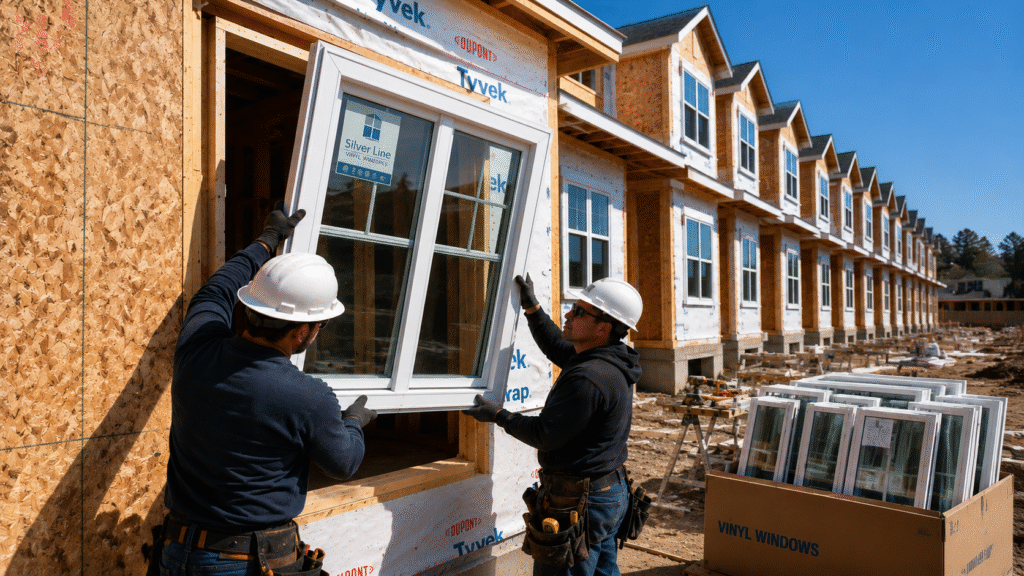
In several residential projects we have seen, builders preferred vinyl windows because the lightweight frames were easier for installation crews to transport and position onsite. This reduced installation time and helped improve labor efficiency during peak construction periods.
Modern vinyl window systems are also available in multiple frame styles, colors, and glass options, allowing builders to use them across both entry-level and mid-to-high-end residential developments.
[Reference Resource Link About Vinyl Window Manufacturing]
Why Vinyl Windows Help Builders Reduce Construction Costs
Cost control remains one of the biggest concerns in the construction industry. Builders must balance material quality with project budgets while still meeting customer expectations.
Vinyl windows provide advantages in several areas:
- Lower material costs compared with fiberglass or wood
- Faster installation because of lighter frame weight
- Reduced transportation expenses
- Lower maintenance requirements after installation
- Long-term energy savings for homeowners
According to North American window market research, vinyl window systems are commonly 20%–35% more affordable than fiberglass alternatives in large residential projects while still meeting modern energy-efficiency standards.
For wholesalers, vinyl windows also offer strong market demand and easier inventory management because they are widely used across different project types.
Based on project coordination experience, builders often focus not only on purchase price but also on lifecycle value. A window system that reduces callbacks, maintenance complaints, or installation delays can help contractors protect profit margins over the long term.
Why Energy Efficient Vinyl Windows Matter for Modern Builders
Energy efficiency has become a major factor in window selection as building codes continue becoming stricter in many regions.
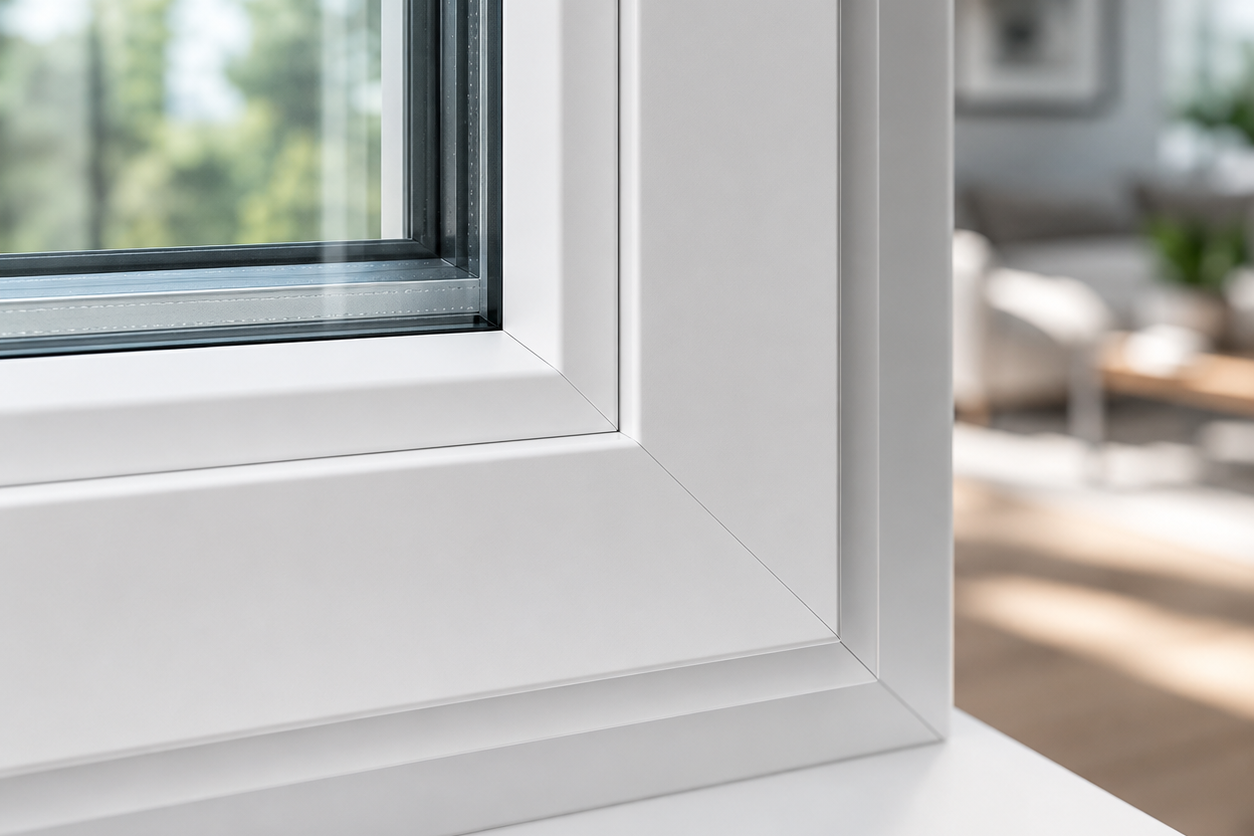
Vinyl windows naturally provide better thermal insulation than aluminum because PVC material transfers less heat. Modern vinyl frames also use multi-chamber designs that improve insulation performance by trapping air inside the frame structure.
When combined with technologies such as:
- Double-pane or triple-pane glass
- Low-E glass coatings
- Argon gas insulation
- Warm-edge spacer systems
vinyl windows can significantly improve a building’s overall energy efficiency.
These features help:
- Reduce heating and cooling costs
- Improve indoor comfort
- Reduce condensation risk
- Support green building standards
In recent residential developments, many builders found that energy-efficient vinyl windows became an important selling point because homebuyers increasingly pay attention to monthly utility costs and long-term energy savings.
[Reference Resource Link About ENERGY STAR Window Standards]
How Multi-Chamber Vinyl Frames Improve Window Performance
One of the biggest improvements in modern vinyl window technology is the development of multi-chamber frame systems.
Inside the vinyl frame are several hollow chambers that create insulation barriers. These chambers slow down heat transfer between indoor and outdoor environments.
Compared with older single-chamber designs, modern multi-chamber vinyl frames provide:
- Better thermal insulation
- Improved structural stability
- Better sound reduction
- Lower condensation risk
- Improved energy performance in extreme climates
In colder regions, builders often prefer reinforced multi-chamber vinyl frames because lower-quality frames may slightly expand or contract under extreme temperature changes. Higher-quality systems are designed to maintain better long-term stability under changing weather conditions.
This type of technical improvement is one reason why vinyl windows are now widely accepted in both residential and light commercial construction.
Vinyl Windows vs Wood and Fiberglass Windows
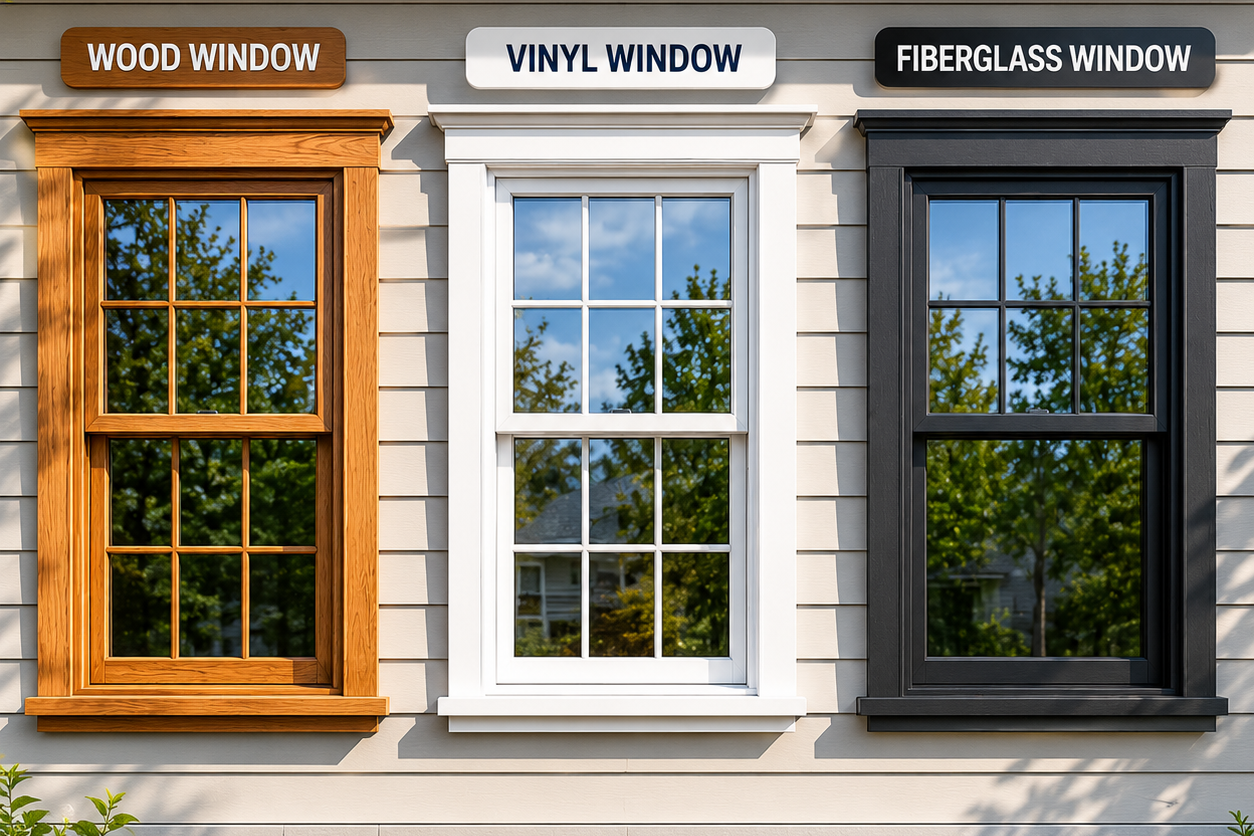
Builders commonly compare vinyl windows with wood and fiberglass systems before making purchasing decisions.
| Feature | Vinyl Windows | Wood Windows | Fiberglass Windows |
|---|---|---|---|
| Cost | Affordable | Expensive | High |
| Maintenance | Very Low | High | Low |
| Energy Efficiency | Excellent | Good | Excellent |
| Moisture Resistance | Excellent | Poor | Excellent |
| Installation Ease | Easy | Moderate | Moderate |
| Weight | Lightweight | Heavy | Heavy |
| Painting Required | No | Yes | Sometimes |
| Popularity in Large Projects | Very High | Limited | Medium |
Wood windows are still used in some luxury architectural applications because of their natural appearance. Fiberglass windows offer strong performance but often come with higher manufacturing and installation costs.
For most mainstream residential projects, vinyl windows provide the most balanced combination of cost efficiency, installation convenience, durability, and energy performance.
What Builders Usually Consider Before Choosing Vinyl Windows
Experienced builders rarely choose windows based only on price. Long-term performance and supplier reliability are equally important.
Several factors are commonly evaluated before selecting vinyl windows.
Frame Reinforcement
High-quality vinyl windows often include reinforced internal structures that improve durability and reduce frame movement over time.
Glass Configuration
Builders typically prefer insulated glass systems that meet ENERGY STAR or NFRC certification standards.
Air and Water Resistance
Reliable sealing systems help reduce air leakage and water infiltration, especially in humid or coastal environments.
Supplier Stability and Lead Time
Consistent product quality and reliable delivery schedules are critical for large construction projects. Delayed shipments can affect the entire building timeline.
From our experience working with project schedules, contractors usually prefer suppliers that provide technical support, warranty coverage, and stable lead times rather than simply offering the lowest prices.
Potential Limitations Builders Should Understand
Although vinyl windows offer many advantages, builders should also understand several practical limitations before selecting products.
In extremely high-temperature environments, lower-quality vinyl frames may experience slight expansion over time. This is why experienced contractors often choose reinforced premium-grade vinyl systems for projects located in regions with significant seasonal temperature changes.
Color limitations can also be a consideration. While modern vinyl windows now support more finishes and darker colors, some premium architectural projects may still prefer fiberglass or wood for specific design requirements.
In addition, not all vinyl windows provide the same level of performance. Lower-cost products may use thinner frame walls, weaker reinforcement, or lower-quality hardware, which can affect long-term durability.
For this reason, many builders focus on certified manufacturers with proven project experience rather than choosing products based only on price.
Frequently Asked Questions About Vinyl Windows for Builders
Q: What is the primary reason vinyl windows are preferred for large-scale multi-family projects?
A: Builders prioritize vinyl windows for their exceptional cost-to-performance ratio, as they provide high energy efficiency and modern aesthetics at a significantly lower unit cost than traditional materials like wood or aluminum.
Q: How do vinyl windows benefit a builder’s long-term maintenance and warranty obligations?
A: Vinyl is inherently resistant to moisture, rot, and insect damage, which significantly reduces the risk of post-installation warranty claims. Unlike wood windows, vinyl does not require periodic painting, staining, or sealing to maintain its structural integrity and appearance over time.
Q: Are vinyl windows flexible enough for different architectural designs?
A: Yes, modern vinyl window manufacturing allows for a wide array of styles, including single-hung, double-hung, and casement configurations, enabling builders to maintain a specific architectural vision while utilizing the benefits of standardized, mass-producible components.
Q: How does the energy efficiency of vinyl contribute to the value proposition of a project?
A: Vinyl frames typically feature multi-chambered designs that enhance thermal insulation, helping to lower building heating and cooling costs. This energy performance is a key selling point for property owners and developers, as it lowers utility bills and improves the overall sustainability and marketability of the completed development.
Conclusion
Vinyl windows have become a preferred choice for builders because they provide a strong balance between affordability, energy efficiency, durability, and installation efficiency. Compared with wood and fiberglass alternatives, modern vinyl window systems offer lower maintenance requirements, reliable thermal insulation, and faster installation for large residential and commercial projects.
Throughout modern construction projects, builders are placing greater emphasis on long-term value, energy-code compliance, and dependable product performance. With advancements in multi-chamber frame technology, insulated glass systems, and manufacturing quality, high-quality vinyl windows continue to meet the practical needs of both builders and wholesalers.
For projects that require cost control, consistent installation performance, and long-term reliability, vinyl windows remain one of the most practical and competitive window solutions available today.
Articles that you may be interested in:
What Are Casement Windows? Pros, Cons, and Benefits Explained
Single-Hung vs Double-Hung Vinyl Windows: What’s the Difference?