Choosing the right vinyl window size is one of the most important decisions in residential and multifamily construction. Window dimensions affect not only the appearance of a building, but also installation efficiency, material costs, energy performance, and long-term maintenance. For builders and developers, understanding standard window sizes can help simplify procurement and reduce unnecessary project complexity.
Standard vinyl window sizes are commonly used dimensions that are widely available from manufacturers. Compared to custom-sized windows, they typically offer lower costs, shorter lead times, and easier installation. By understanding common size ranges, window sizing conventions, and rough opening requirements, builders can make more informed purchasing decisions and improve project efficiency.
Whether you’re planning a new construction project, replacing existing windows, or standardizing specifications across multiple units, knowing how standard vinyl window sizes work can help streamline the process and avoid costly sizing mistakes. In this guide, we’ll cover common dimensions, window size notation, rough opening considerations, and practical tips for selecting the right sizes for your project.
What Are Standard Vinyl Window Sizes?
Standard vinyl window sizes are commonly manufactured dimensions that are widely used in residential and multifamily construction. Rather than being custom-built for a specific opening, these windows are produced in standardized width and height combinations that align with typical building practices and framing layouts.
Manufacturers offer standard sizes because they help simplify production, inventory management, and installation. As a result, standard windows are usually more cost-effective and readily available than custom-sized alternatives. They also make future replacements easier, since matching sizes can often be sourced without extensive modifications to the existing opening.
While exact dimensions can vary slightly between manufacturers and window styles, standard sizes generally follow common industry conventions for products such as single-hung, double-hung, sliding, casement, and picture windows. Builders often use these standard dimensions to streamline procurement, reduce lead times, and maintain consistency across a project.
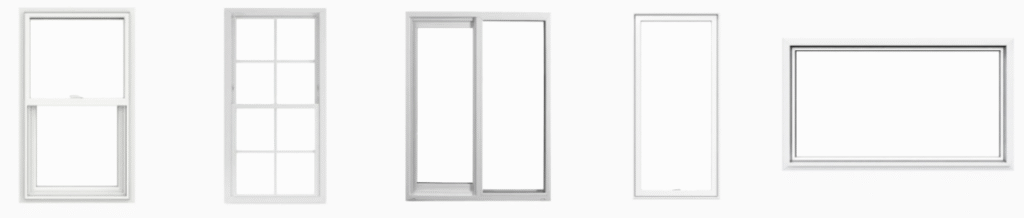
Common Standard Vinyl Window Sizes
While exact dimensions may vary by manufacturer, most vinyl windows are available in a range of standard sizes designed to fit common residential construction practices. Using these standard dimensions can help reduce costs, shorten lead times, and simplify installation compared to custom-sized windows.
The table below shows some typical size ranges for common vinyl window types:
| Window Type | Common Widths | Common Heights | Typical Size Combinations |
|---|---|---|---|
| Single-Hung | 24″, 28″, 32″, 36″ | 36″, 48″, 60″, 72″ | 24″×36″, 32″×48″, 36″×60″, 36″×72″ |
| Double-Hung | 24″, 28″, 32″, 36″ | 36″, 48″, 60″, 72″ | 24″×48″, 32″×60″, 36″×60″, 36″×72″ |
| Sliding | 36″, 48″, 60″, 72″ | 24″, 36″, 48″, 60″ | 48″×36″, 60″×36″, 60″×48″, 72″×48″ |
| Casement | 16″, 20″, 24″, 28″, 32″, 36″ | 24″, 36″, 48″, 60″, 72″ | 24″×48″, 24″×60″, 30″×60″, 36″×72″ |
| Picture | 24″–96″ | 24″–72″ | 48″×48″, 60″×48″, 72″×60″, 96″×72″ |
These dimensions represent some of the most commonly specified sizes in North American residential construction. However, actual availability may differ depending on the manufacturer, window series, performance requirements, and regional building practices.
For accurate specifications, builders should always consult the manufacturer’s sizing guide or product catalog.
Understanding Window Size Notation
Window size notation provides a quick way to identify nominal window dimensions.
For example:
- 2030 = 2 feet wide × 3 feet high
- 3050 = 3 feet wide × 5 feet high
- 4060 = 4 feet wide × 6 feet high
In most cases, the first two digits represent the nominal width and the last two digits represent the nominal height.
Although these codes describe nominal dimensions, actual window sizes are usually slightly smaller to allow for installation clearance within the rough opening. Builders should always verify exact measurements before framing or ordering.
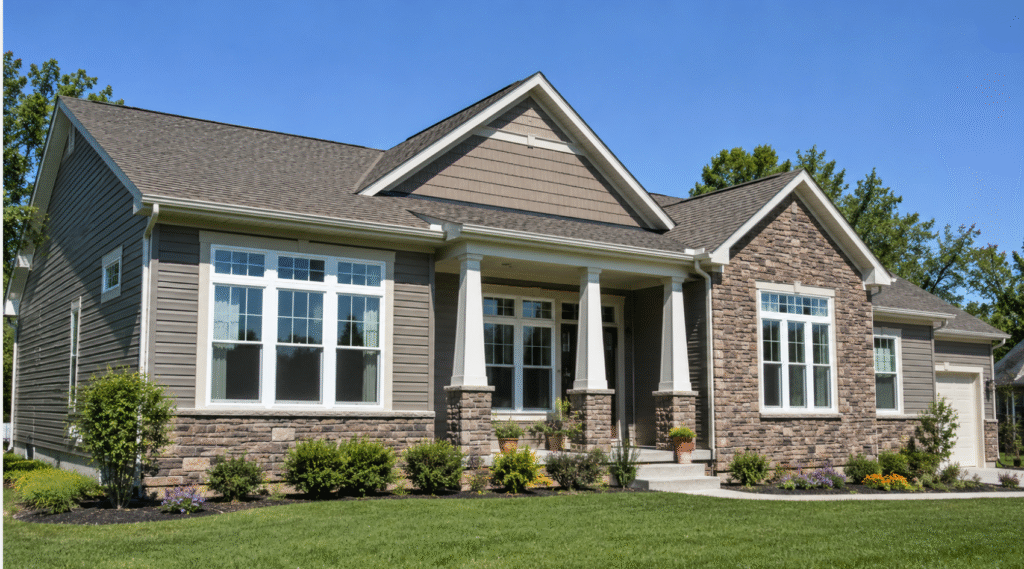
Rough Opening vs Window Size
One of the most common sources of confusion when ordering windows is the difference between the rough opening (RO) and the actual window size.
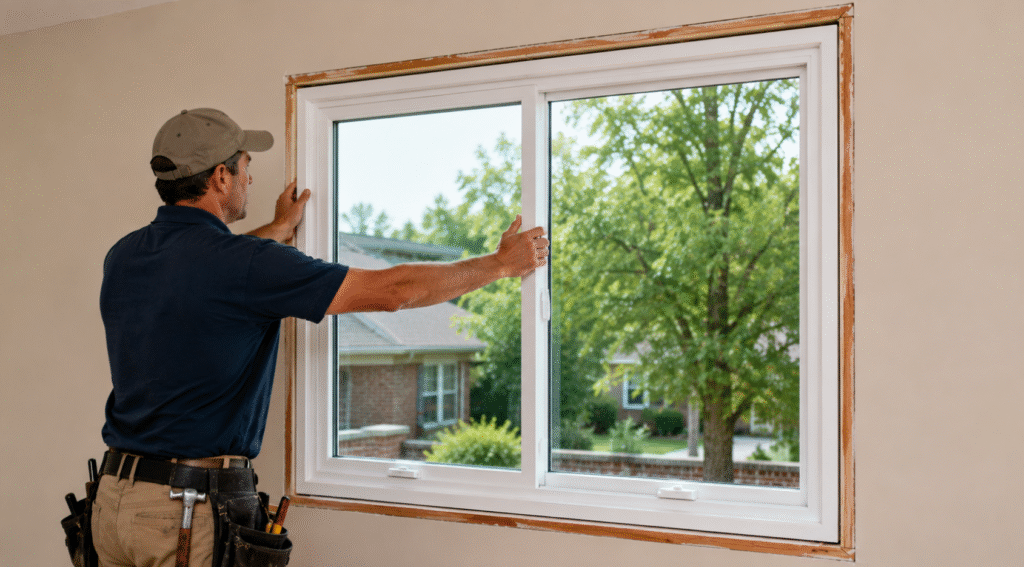
The rough opening is the framed opening in the wall, while the actual window size refers to the manufactured dimensions of the window unit. To allow for proper installation, leveling, shimming, and insulation, the window is typically made slightly smaller than the rough opening.
For example:
| Measurement Type | Example Size |
|---|---|
| Rough Opening (RO) | 36″ × 60″ |
| Actual Window Size | 35 1/2″ × 59 1/2″ |
The exact clearance required may vary depending on the manufacturer and installation method, so it is important to review the supplier’s specifications before framing or ordering windows.
When to Use Custom Window Sizes
While standard window sizes work for most projects, custom sizes may be necessary when standard dimensions cannot meet the design or structural requirements.
Common situations include:
- Renovation projects with non-standard openings
- Custom home designs
- Large feature or picture windows
- Unique architectural layouts
Custom windows offer greater design flexibility but typically come with higher costs and longer lead times. Whenever possible, builders often use standard sizes to simplify procurement, reduce costs, and improve installation efficiency.
Benefits of Using Standard Sizes
Using standard vinyl window sizes offers several advantages for builders, contractors, and homeowners. Because these dimensions are commonly manufactured, they are typically more readily available and easier to source than custom-sized alternatives.
Key benefits include:
- Lower Costs – Standard sizes are generally less expensive than custom windows.
- Shorter Lead Times – Widely available dimensions can often be produced and delivered faster.
- Simplified Installation – Standardized openings make framing and installation more efficient.
- Easier Replacement – Future repairs or replacements are often simpler when standard sizes are used.
- Improved Project Efficiency – Standardizing window sizes across a project can streamline procurement and reduce complexity.
For many residential and multifamily projects, standard sizes provide the best balance between cost, availability, and installation efficiency.
Tips for Builders Before Ordering
Before ordering vinyl windows, taking a few extra steps can help prevent delays, sizing issues, and unnecessary costs.
- Verify Rough Opening Dimensions – Confirm field measurements before placing the order.
- Review Local Building Codes – Check requirements for egress, tempered glass, and energy efficiency.
- Standardize Sizes Where Possible – Using common sizes can simplify procurement and reduce costs.
- Confirm Window Specifications – Verify window type, glass package, color, and performance requirements.
- Plan Lead Times Early – Coordinate production and delivery schedules with the project timeline.
A little planning upfront can help ensure the right windows arrive on time and fit properly, keeping the project running smoothly.
Frequently Asked Questions About Crown Moulding Sizes
Q: What size crown moulding should I use for an 8-foot ceiling?
A: For standard 8-foot ceilings, crown mouldings measuring between 3 and 5¾ inches are highly recommended. This is the most common size range for typical homes, ensuring balanced proportions without making the room feel top-heavy.
Q: What moulding size is best for ceilings 10 feet and higher?
A: For tall ceilings of 10 feet or more, you should use large mouldings of 7 inches and above. Layered or stacked moulding designs are also ideal in these spaces to add visual depth, anchor the room, and create a grand, proportional appearance.
Q: Can I use large crown moulding on a low ceiling?
A: It is generally not recommended. For ceilings under 8 feet, you should use narrow mouldings ranging from 2½ to 4 inches. Using large, heavy mouldings on a low ceiling will draw the eye down and make the room feel cramped and disproportionate.
Q: How does room style affect the choice of crown moulding?
A: Room style is just as important as ceiling height. Traditional and luxury interiors work perfectly with wider, more intricate mouldings that add elegance. In contrast, modern or transitional designs favor clean, simple lines and narrower profiles to keep the aesthetic sleek and unobtrusive.
Q: What is the most popular crown moulding size?
A: For standard homes, 4¼” and 5¼” crown moulding remain among the most popular sizes.
Q: Should crown moulding match baseboards?
A: Not necessarily, but all trim elements should feel proportional and visually connected.
Summary
For most residential and multifamily projects, standard window sizes offer the best combination of availability, affordability, and installation convenience. They can help streamline procurement, shorten lead times, and maintain consistency across multiple units.
We regularly support builders and distributors with vinyl windows, doors, mouldings, and other building materials for residential and multifamily projects. Whether you’re selecting standard window sizes for a new development or evaluating options for a renovation, clearly defining specifications early can help simplify the ordering process and contribute to a smoother project overall.
Articles that you may be interested in:
Double Hung vs. Single Hung Windows: The Guide to Cost, Performance, and ROI