For years, U.S. builders have treated local suppliers and overseas manufacturers as two distinct options—one offering speed and service, the other offering cost advantages. But improvements in logistics, communication, and supply chain integration are changing that balance.
As the gap narrows, one question becomes more important: Can overseas manufacturers truly deliver like local suppliers?
Many modern overseas manufacturers are now capable of delivering performance comparable to local suppliers, particularly in areas such as communication responsiveness, supply chain visibility, customization, and logistics efficiency. However, this level of performance depends on whether the manufacturer has developed integrated operational systems, strong quality control, and U.S. market experience.
Why Local Suppliers Once Had a Clear Advantage
For many years, local suppliers enjoyed a competitive advantage that overseas manufacturers simply could not match. The reason was not necessarily product quality or manufacturing capability—it was the structure of the supply chain itself.
Communication was slower, international logistics were less predictable, and buyers had limited visibility into overseas production. Builders and wholesalers often had to rely on multiple intermediaries, making it difficult to track orders, resolve issues, or respond quickly to changing project requirements.
Local suppliers filled this gap by offering proximity, faster communication, and greater operational certainty. They could provide shorter lead times, more direct customer support, and a level of responsiveness that was difficult for international manufacturers to replicate.
As a result, the market developed a common assumption: overseas manufacturers could offer lower prices, while local suppliers delivered better service.
For years, that assumption was largely true. The question is whether it still reflects today’s reality.
What’s Changing the Global Supply Chain?
The gap between overseas manufacturers and local suppliers is narrowing not because one side is becoming cheaper or faster, but because the structural limitations that once defined international sourcing are being fundamentally reduced.
Three key shifts are driving this change: communication, logistics infrastructure, and supply chain transparency.
Digital Communication Has Reshaped Responsiveness
Historically, time zone differences, language barriers, and fragmented communication channels created significant delays in international sourcing.
Today, those barriers have been largely reduced through real-time communication tools, integrated project management platforms, and dedicated account teams. In many cases, responsiveness is now determined more by internal operational discipline than geographic distance.
This shift has redefined what “fast communication” means in global sourcing relationships.
Logistics Networks Are Closing the Distance Gap
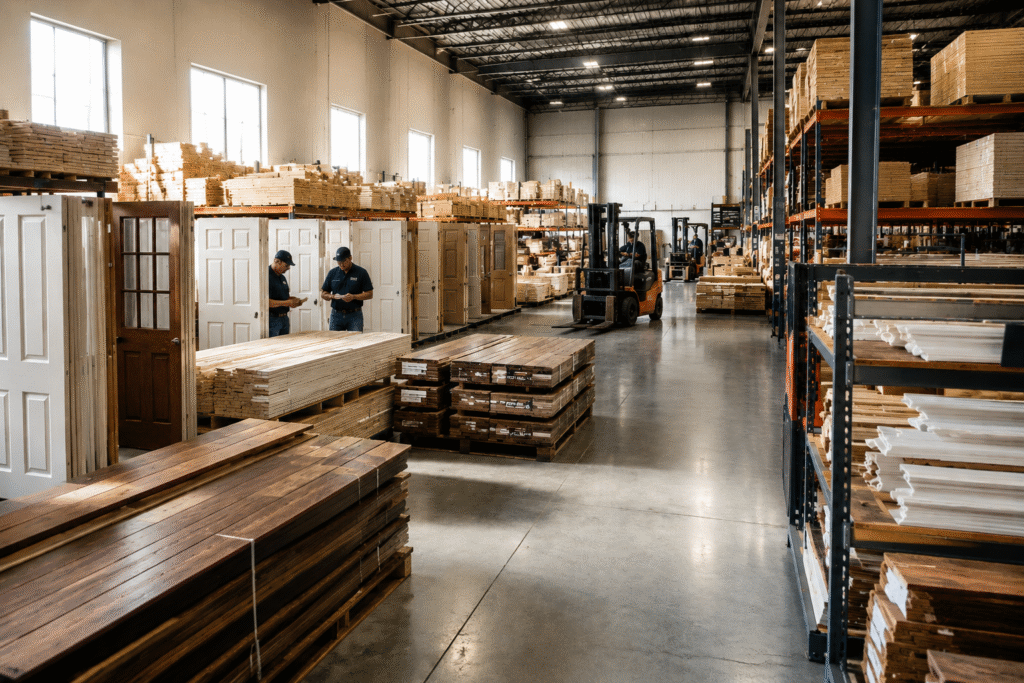
One of the most significant changes in global supply chains is the integration of overseas manufacturing with domestic distribution infrastructure.
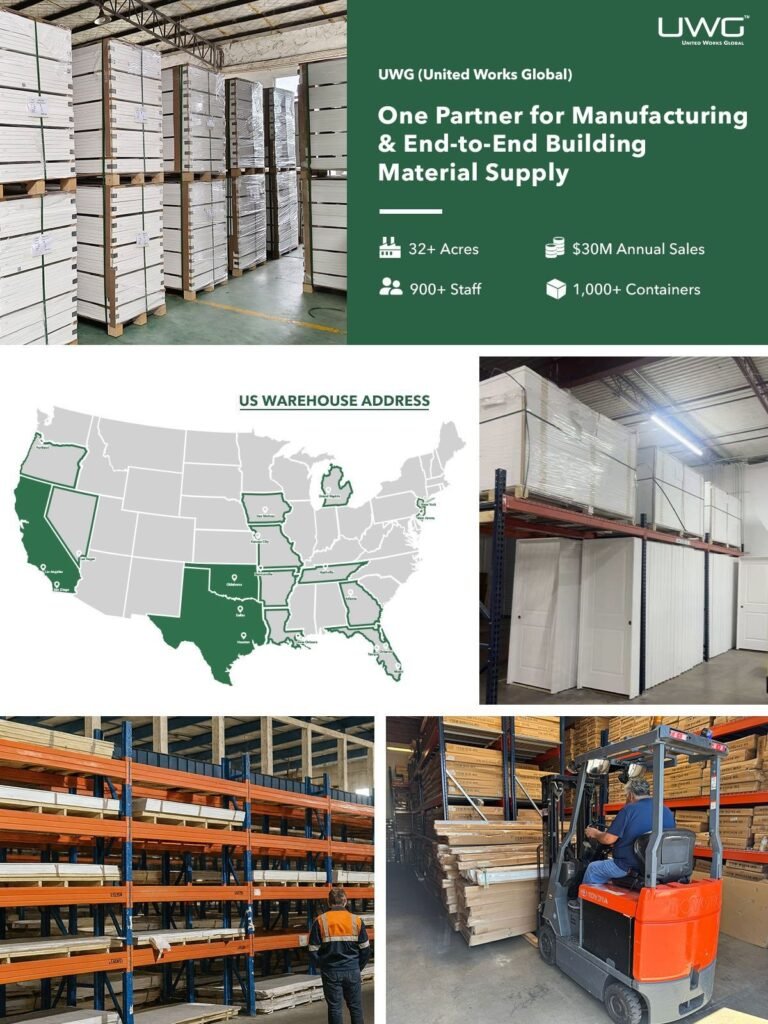
Many manufacturers now operate or partner with U.S.-based warehouses, enabling them to combine overseas production costs with local-level delivery performance. This hybrid structure reduces lead times and improves predictability, two factors that were historically the biggest advantages of local suppliers.
As a result, the physical distance between manufacturer and customer is becoming less relevant in day-to-day operations.
Supply Chain Transparency Is Becoming the New Standard
In the past, international sourcing often suffered from limited visibility once orders left the factory.
Modern supply chains are increasingly data-driven. Real-time production updates, shipment tracking systems, and inventory visibility tools now allow buyers to monitor every stage of the process with far greater accuracy.
This transparency reduces uncertainty in planning and allows builders and wholesalers to operate with a level of confidence that was previously only possible with local suppliers.
From Fragmented Supply Chains to Integrated Systems
Taken together, these changes represent more than incremental improvements. They reflect a structural shift in how global supply chains operate.
Instead of long, fragmented chains with multiple intermediaries, the industry is moving toward more integrated, direct, and transparent systems. This is why many overseas manufacturers are now able to deliver a customer experience that increasingly resembles that of local suppliers.
The New Generation of Overseas Manufacturers
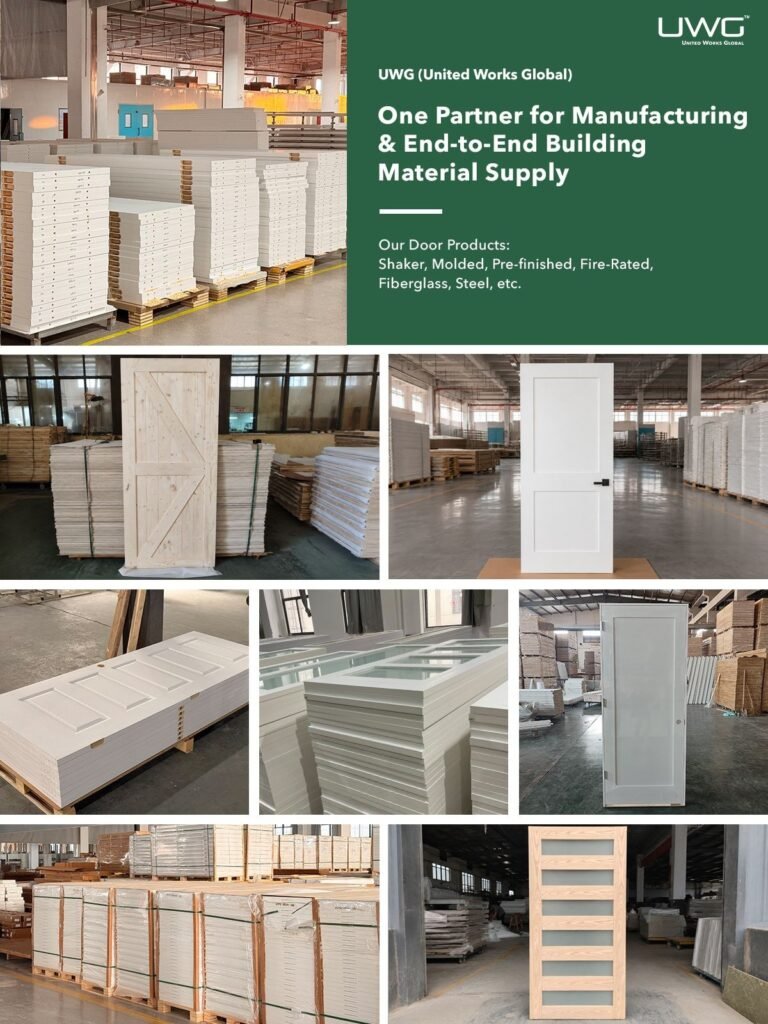
As global supply chains evolve, the role of overseas manufacturers is shifting from low-cost production hubs to integrated supply chain partners. This change is not just operational—it reflects a fundamental transformation in how manufacturers position themselves in the market.
Traditionally, the international supply chain was highly fragmented:
Manufacturer → Exporter → Importer → Distributor → Customer
This multi-layer structure increased costs, extended lead times, and limited direct communication between manufacturers and end buyers.
Today, a growing number of manufacturers are adopting a more direct and streamlined model:
Manufacturer → Builder / Wholesaler
By reducing intermediaries, manufacturers gain greater visibility into customer requirements, while buyers benefit from improved communication, faster decision-making, and more transparent order tracking.
More importantly, this shift allows manufacturers to operate less as transactional suppliers and more as integrated partners within the construction supply chain.
Where Overseas Manufacturers Can Match Local Suppliers
The convergence between overseas manufacturers and local suppliers is best understood through capability comparison rather than pricing alone.
| Capability | Traditional Local Supplier | Modern Overseas Manufacturer |
|---|---|---|
| Product Availability | High | High |
| Customization Capability | Moderate | High |
| Pricing Competitiveness | Moderate | High |
| Inventory Visibility | High | High |
| Communication Responsiveness | High | High |
| Technical Support | High | High |
| Lead Time Reliability | High | Improving |
| Supply Chain Flexibility | Moderate | High |
The table highlights an important shift: competition is no longer defined by location, but by operational capability.
Modern overseas manufacturers are no longer positioned simply as lower-cost alternatives. Instead, the most advanced suppliers are now competing directly with local distributors in areas such as responsiveness, transparency, and service integration.
This convergence is what is gradually reshaping the traditional distinction between “local” and “overseas” suppliers.
What Separates the Best Overseas Manufacturers From the Rest?
Not all overseas manufacturers are capable of delivering a local-supplier-level experience. While many can produce similar products, only a smaller group has developed the operational structure required to consistently match the expectations of U.S. builders and wholesalers.
The difference is not defined by a single factor, but by how well a manufacturer integrates production capability, quality systems, and customer-facing operations into a unified supply chain model.
Foundational Requirement: Production Capacity and Stability
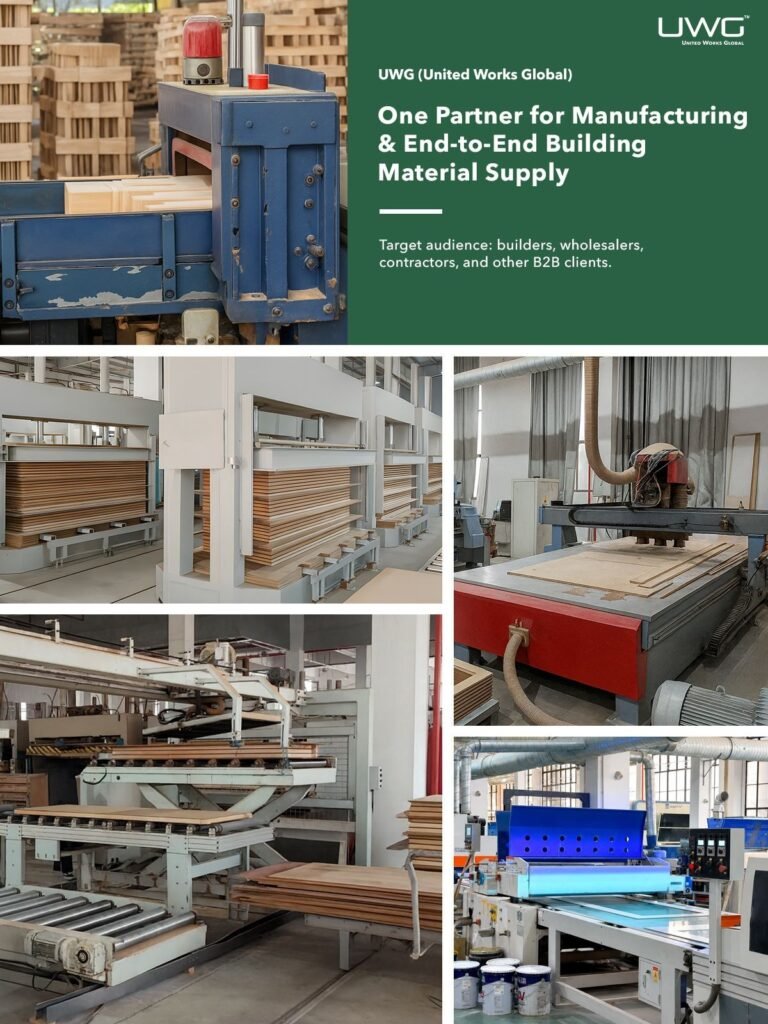
At the most basic level, a manufacturer must have sufficient production capacity to handle consistent order volumes without significant fluctuations in lead times.
Without stable capacity, even competitive pricing becomes irrelevant, as delays and inconsistencies directly impact downstream construction schedules.
Operational Requirement: Quality Control and Market Familiarity
Beyond production, quality control systems determine whether a manufacturer can meet the expectations of the U.S. market.
This includes standardized inspection processes, product consistency across batches, and an understanding of regulatory or performance requirements common in American residential construction. Manufacturers lacking this foundation often struggle to maintain long-term partnerships.
Experience in the U.S. market further strengthens this capability by reducing miscommunication and improving alignment with buyer expectations.
Differentiating Factor: Customer-Facing Infrastructure
What truly separates top-tier manufacturers from the rest is their ability to operate as service-oriented partners rather than purely production-driven suppliers.
This includes dedicated account management, responsive communication systems, technical support capabilities, and structured after-sales processes.
Manufacturers that invest in this layer are significantly more likely to be perceived as “local-like” in their service experience.
System-Level Capability: Integrated Supply Chain Execution
The most advanced overseas manufacturers go beyond individual capabilities by integrating production, quality control, logistics, and customer service into a unified system.
This allows them to provide predictable lead times, transparent communication, and reliable delivery performance across different market conditions.
It is this system-level integration—not isolated strengths—that ultimately determines whether an overseas manufacturer can truly compete with local suppliers in practice.
What Builders and Wholesalers Should Evaluate Before Choosing a Supplier
Selecting a supplier based solely on price is no longer a reliable strategy in today’s construction supply chain. While cost remains an important factor, it is often outweighed by operational performance, consistency, and long-term reliability.
For builders and wholesalers, the real risk in supplier selection comes not from higher pricing, but from hidden inefficiencies such as delayed communication, inconsistent lead times, and unstable product quality. These issues can quickly disrupt project timelines and increase overall costs.
A more effective evaluation framework focuses on the supplier’s ability to support long-term operational stability:
- Consistency in lead times and delivery performance
- Responsiveness in communication and issue resolution
- Strength and transparency of quality control systems
- Ability to manage inventory and forecast demand
- Depth of technical and after-sales support
- Proven experience within the U.S. market
- Reliability of logistics and fulfillment networks
Suppliers that perform well across these dimensions are more likely to deliver stable, predictable value—regardless of whether they are located domestically or overseas.
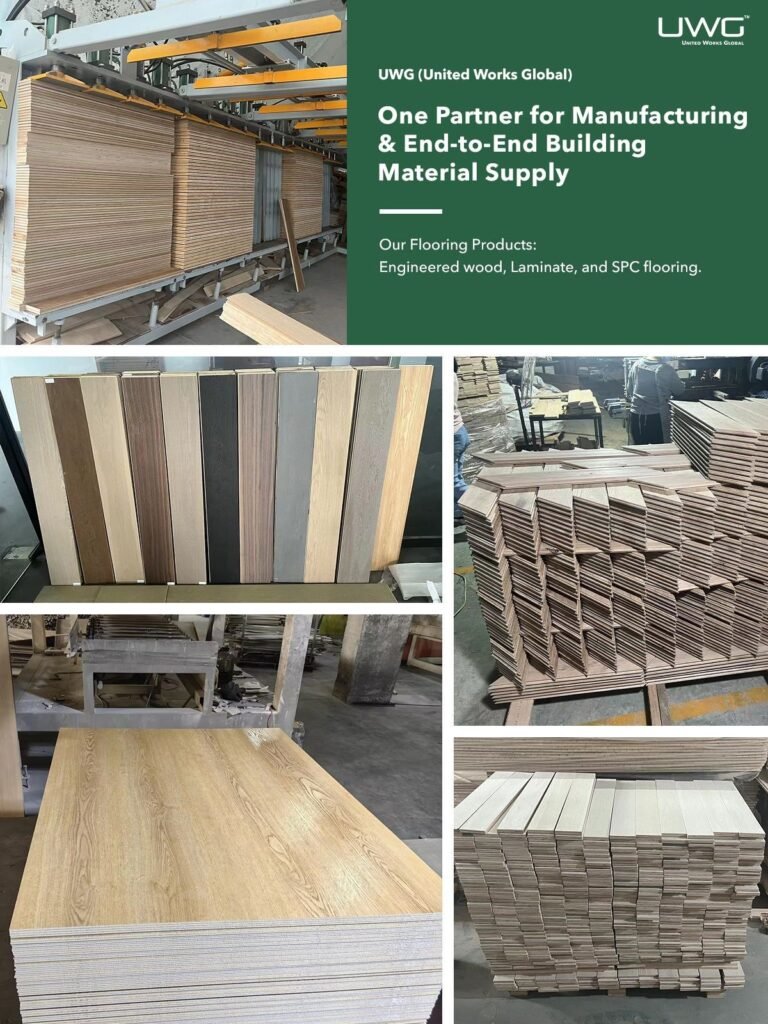
The Future Is Not Local vs. Overseas
The traditional distinction between local suppliers and overseas manufacturers is becoming less relevant as global supply chains continue to evolve.
Instead of location-based competition, the industry is shifting toward capability-based competition. The most successful suppliers are those that can consistently combine manufacturing efficiency with service reliability, communication responsiveness, and supply chain transparency.
In this context, “local” is no longer defined by geography alone, but by experience. A well-structured overseas manufacturer with strong systems in place can operate in ways that closely resemble a local supplier, while underperforming domestic suppliers may struggle to meet modern expectations.
Ultimately, the future of sourcing in the construction industry will not be determined by where a supplier is located, but by how effectively they can integrate into the builder’s operational workflow and support project success at scale.
Frequently Asked Questions About Sourcing from Overseas Manufacturers
Q: Why did domestic local suppliers historically hold a clear advantage over overseas manufacturers?
A: Historically, local suppliers filled a critical gap by offering physical proximity, rapid communication, and shorter lead times. Sourcing from overseas was traditionally hindered by slower communication channels, unpredictable international logistics, limited production visibility, and a heavily fragmented multi-layer supply chain involving numerous intermediaries.
Q: What structural shifts are narrowing the gap between overseas factories and local suppliers?
A: Three key advancements are redefining global sourcing: real-time digital communication tools that remove time-zone barriers; integrated hybrid logistics networks where overseas manufacturers utilize local U.S.-based warehouses; and data-driven supply chain transparency that provides real-time production and shipment tracking.
Q: How has the structural model of international supply chains evolved for modern builders?
A: The industry is moving away from the traditional, fragmented multi-layer pipeline (Manufacturer $\rightarrow$ Exporter $\rightarrow$ Importer $\rightarrow$ Distributor $\rightarrow$ Customer) in favor of a direct, streamlined model (Manufacturer $\rightarrow$ Builder / Wholesaler). By eliminating unnecessary intermediaries, modern manufacturers reduce material costs, slash lead times, and facilitate direct technical support.
Q: What specific operational criteria separate top-tier overseas manufacturers from typical low-cost factories?
A: Top-tier manufacturers are distinguished by system-level integration. This includes stable, high-volume production capacity to protect construction schedules; rigorous quality control processes aligned with U.S. regulatory and architectural standards; and robust customer-facing infrastructure such as dedicated account management and after-sales technical support.
Conclusion
The distinction between local suppliers and overseas manufacturers is no longer defined solely by geography, but by operational capability.
While local suppliers continue to offer advantages in proximity and established relationships, modern overseas manufacturers are increasingly closing the gap through improvements in logistics integration, communication systems, and supply chain transparency.
However, this does not mean all overseas manufacturers are equal. The ability to deliver a local-like experience depends on whether a manufacturer has developed a fully integrated system that combines production stability, quality control, and customer-facing operations.
Articles that you may be interested in:
2026 Ultimate Guide: Top 10 Door Manufacturers for Builders & Contractors
Prehung Door Packaging vs Slab Door Packaging: Which Is Better for Bulk Shipping?