
When your drawers jam, sag, or slam shut, the problem often starts with poor slide selection. Builders need slides that can handle the load, fit correctly, and last. Choosing the right one can be confusing—but this guide walks you through it step-by-step, whether you’re working on kitchen cabinets, garage storage, or custom furniture.
To select drawer slides, start by assessing the drawer’s weight, required extension, and available mounting space. Choose from side-mount, undermount, or center-mount styles based on your cabinet’s design and function. Soft-close mechanisms offer smoother operation and reduce wear over time. Measure the drawer depth and match it with the correct slide length—typically equal to or slightly less than the box size. For heavier drawers, always opt for slides with a heavy-duty rating to ensure strength and long-term durability.
Now let’s break it down—from the golden rules to expert builder tips—so you can make the right drawer slide choice the first time.
What Are the Three Types of Drawer Slides?
Choosing the correct mounting type is critical to function, appearance, and installation method. Here’s a detailed breakdown:
1. Side-Mount Drawer Slides
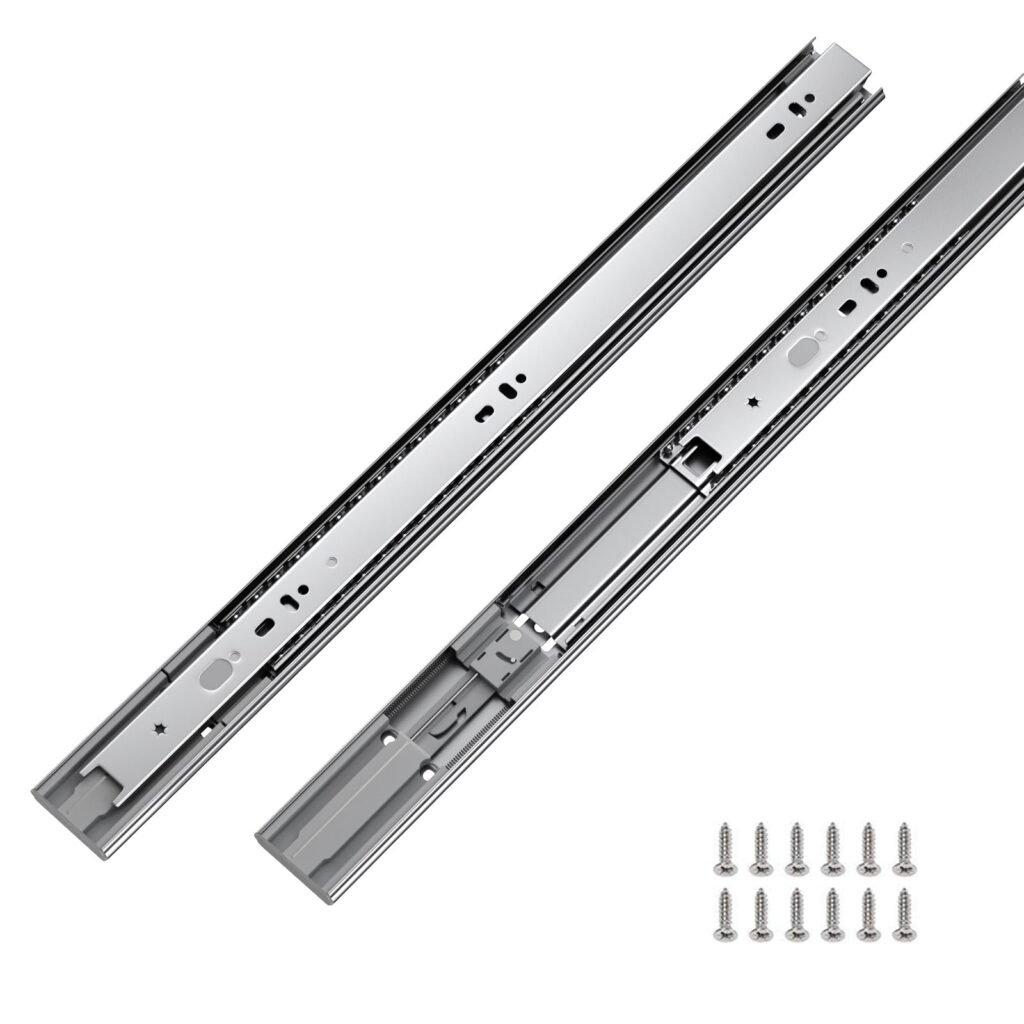
These are the most common and versatile option. They’re installed on each side of the drawer and typically require:
- 1/2” clearance on each side (total 1”)
- Visible hardware when the drawer is open
- Can support up to 100 lbs or more in heavy-duty models
When to use: Perfect for utility drawers, workshop storage, garage cabinets, or where aesthetics aren’t a top concern.
2. Undermount Drawer Slides
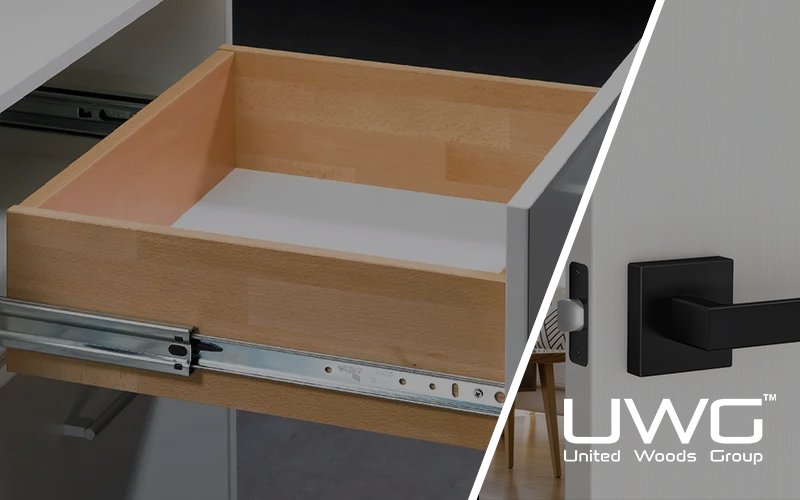
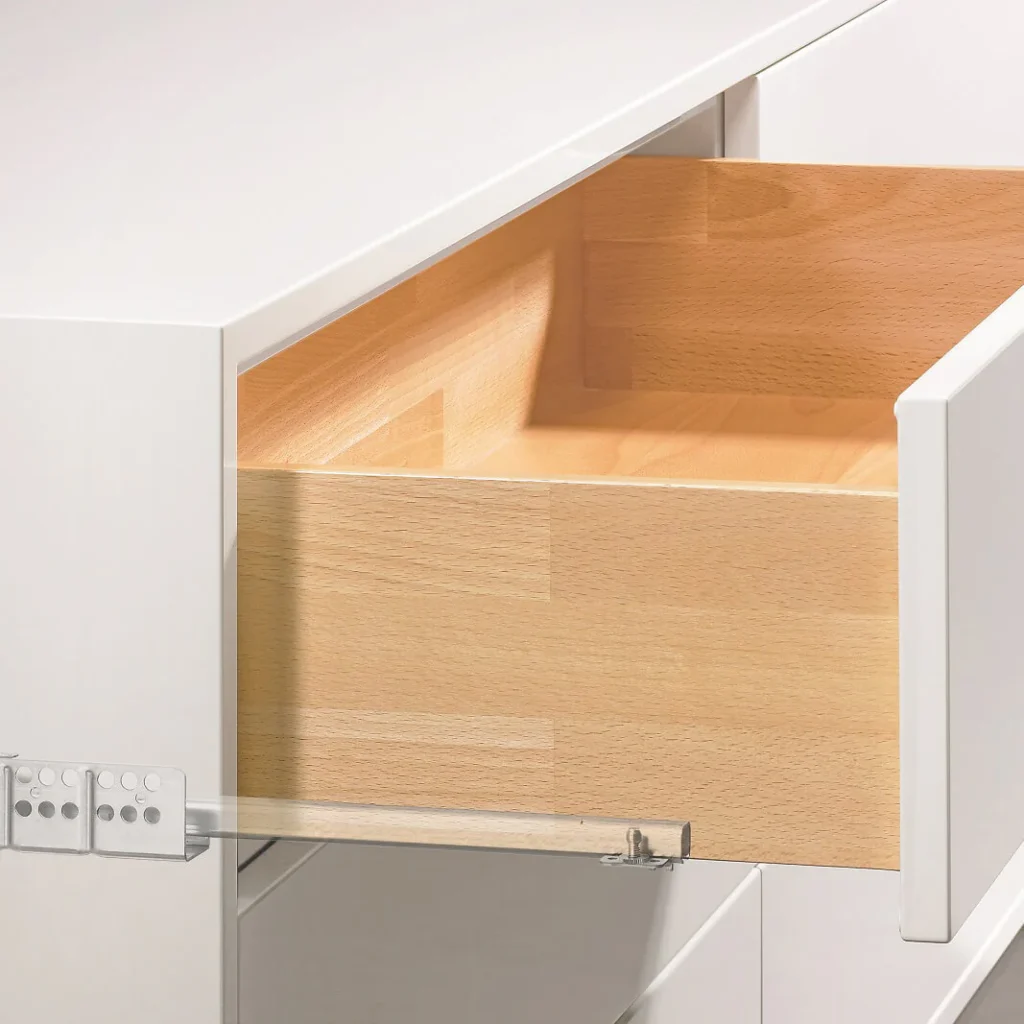
These slides are installed beneath the drawer, leaving the sides clean and free of hardware.
Pros:
- Hidden mechanism
- Often include soft-close functionality
- Ideal for modern kitchen and bathroom cabinetry
Cons:
- Requires precise installation
- Drawer box must have specific dimensions (usually with notched rear sides)
- Pricier than side-mount options
When to use: I recommend them for custom kitchen cabinetry or premium furniture where the finish matters.
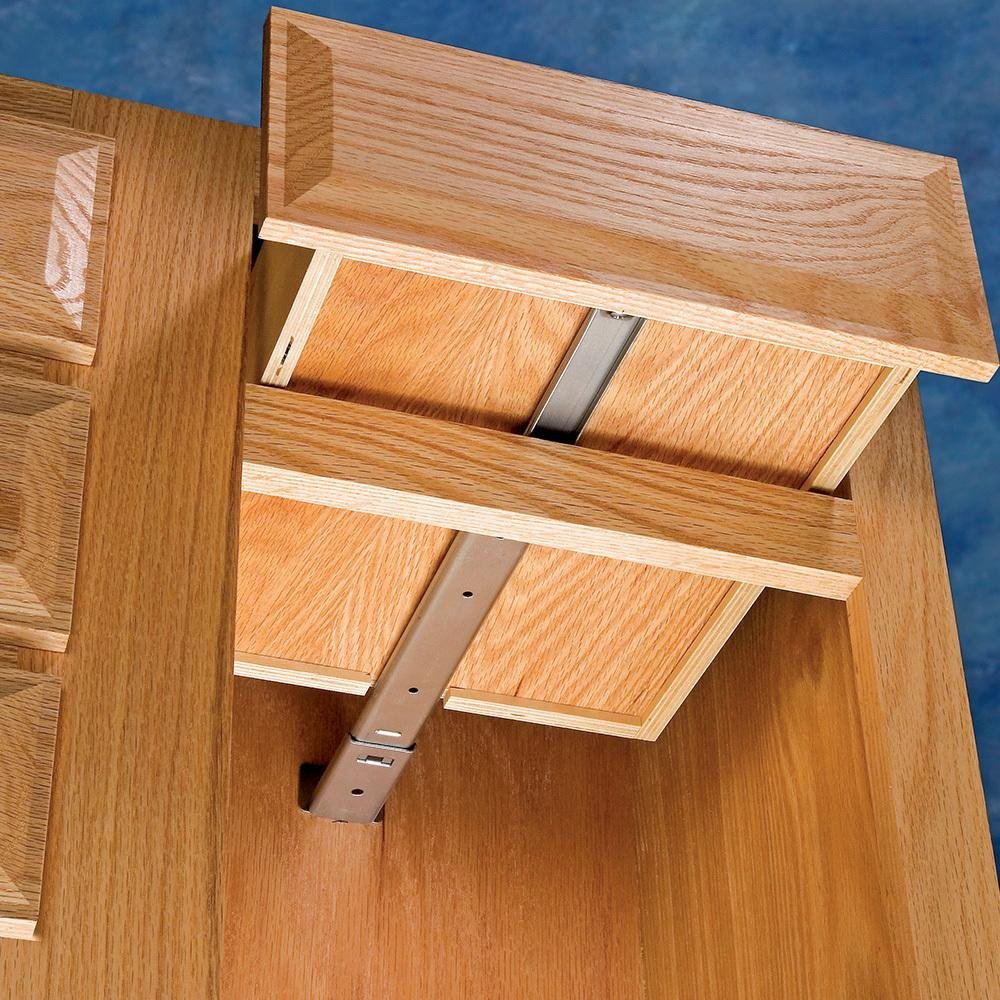
3. Center-Mount Drawer Slides
This older style has a single slide under the drawer, centered. It’s usually found in traditional or vintage furniture.
Pros:
- Simplified installation
- Hidden from view
- Budget-friendly
Cons:
- Low load capacity (usually up to 35–50 lbs)
- Less stable under wide or heavy loads
When to use: Use center-mount slides for light drawers, such as nightstands or vanity units—not for kitchens or tool storage.
How to Choose Drawer Slide Length for Deep or Shallow Drawers
Choosing the wrong slide length is one of the most common mistakes.
Here’s how to get it right:
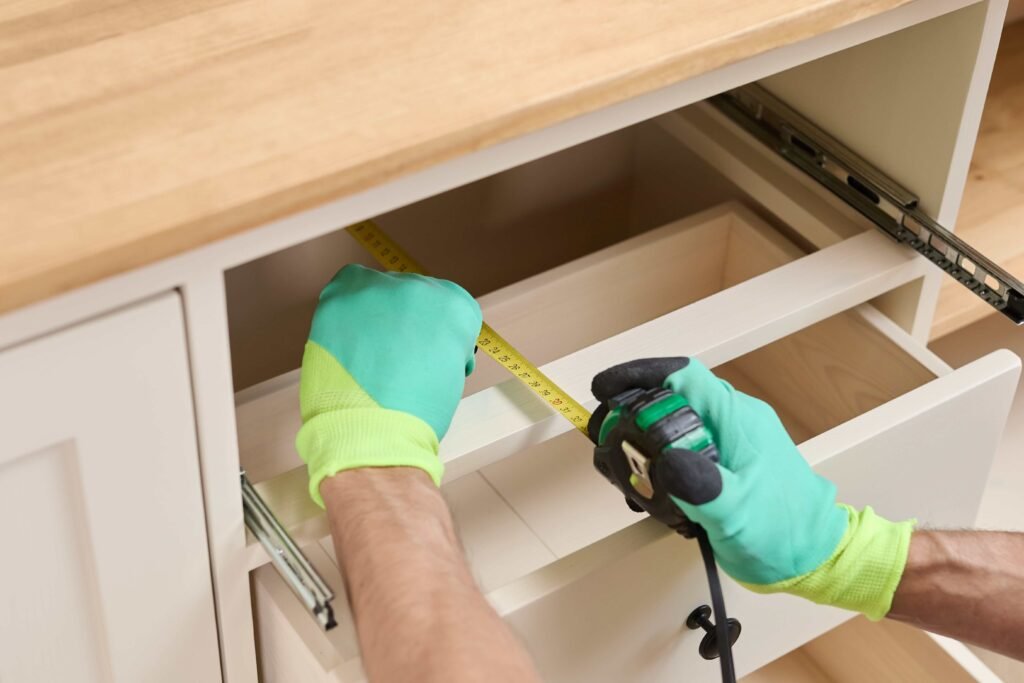
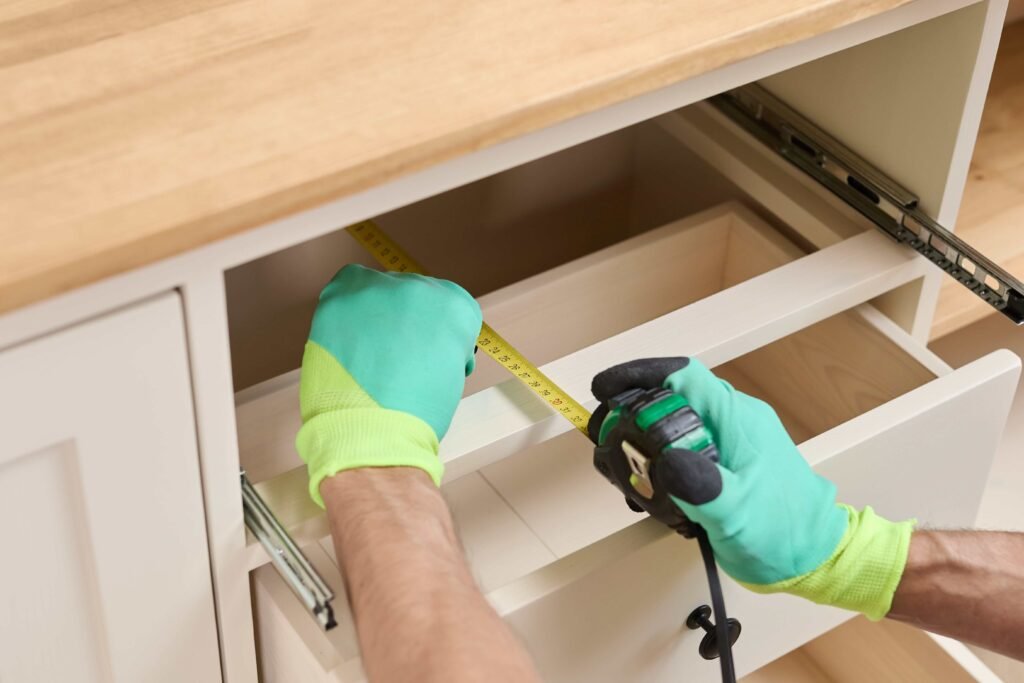
- Measure from the cabinet’s inside back wall to the front edge.
- Subtract 1/2″ to ensure the drawer front sits flush.
- Choose the nearest whole inch size (e.g., 18″, 20″, 22″, 24″).
| Cabinet Depth | Recommended Slide Length |
|---|---|
| 18″ | 18″ or 16″ |
| 22″ | 20″ or 22″ |
| 24″ | 22″ or 24″ |
Tip: For inset drawer faces, double-check that the drawer front has enough clearance when closed.
What Are the Pros and Cons of Side Mount Drawer Slides?
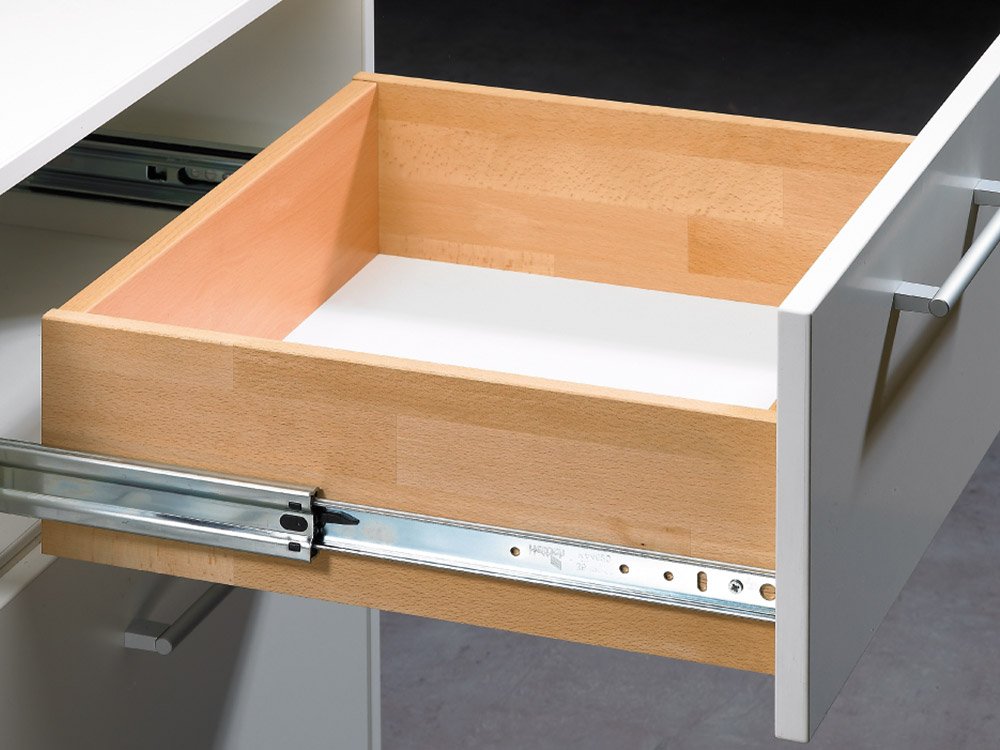
Side-mount slides are my go-to for shop furniture and utility cabinetry.
Pros:
- Easy installation
- High weight ratings
- More affordable than undermount
- Full-extension options available
Cons:
- Visible hardware when open
- Needs wider cabinet openings
Use them when:
- Working on garage cabinets, tool chests, pantry pull-outs, or office drawers
- Budget or simplicity is the top priority
How Do Undermount Drawer Slides Differ from Others?
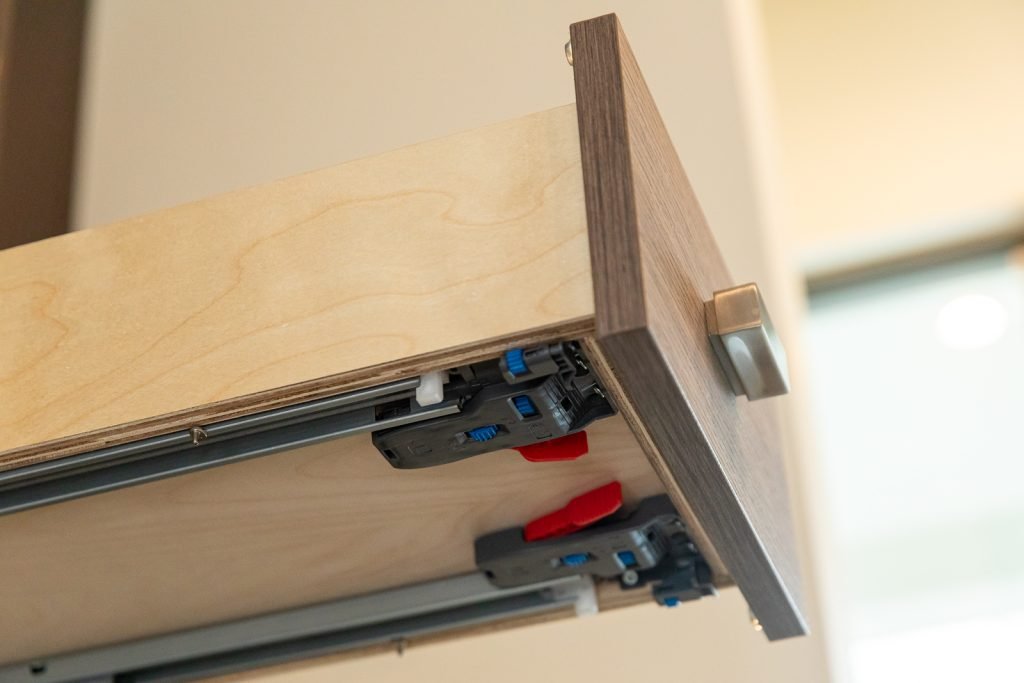
Undermount slides stand out because of their:
- Smooth and quiet motion
- Built-in soft-close
- Invisible hardware look
They are perfect for modern kitchens, especially where visual design and a premium feel are priorities. However, installation is less forgiving. You’ll need:
- Rear brackets (especially in frameless cabinetry)
- Special drawer construction (usually with notches and 1/2” thick bottoms)
For professional builds, I always recommend template jigs and checking the slide manufacturer’s specs before cutting drawer boxes.
Are Center Mount Drawer Slides Durable Enough for Builders?
Honestly, they’re not ideal for modern high-traffic builds. Center mount drawer slides are outdated for many reasons:
- Lower load rating (max 50 lbs)
- Prone to sagging over time
- Limited motion range (usually 3/4 extension)
That said, I’ve used them when:
- Restoring vintage furniture
- Matching original slide systems
- Clients preferred a minimal or budget solution
Consider upgrading to undermount slides for a clean look with better durability.
What’s the Difference Between Standard and Heavy-Duty Drawer Slides?
Drawer slides vary massively in terms of load and performance.
Standard Slides:
- Support up to 75 lbs
- Ideal for kitchens, bathrooms, and general storage
- Ball-bearing or roller types
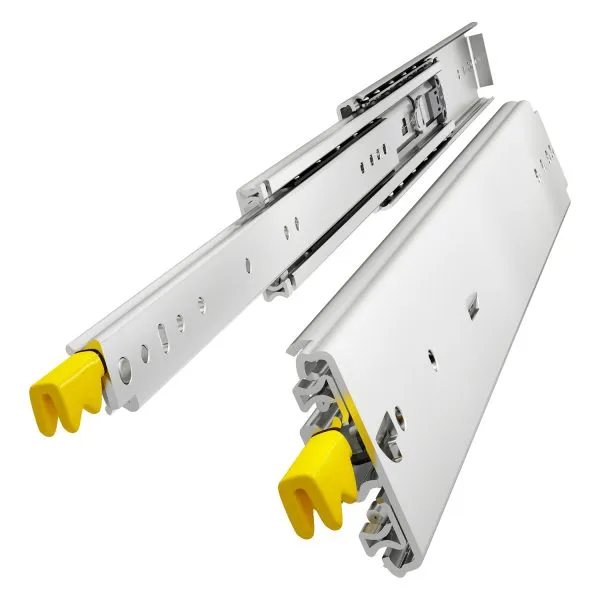
Heavy-Duty Slides:
- Support 100–500+ lbs
- Reinforced rails and over-extension
- Used in tool chests, filing systems, RV drawers, and industrial cabinets
Materials: Most heavy-duty slides are made from zinc-coated steel for rust resistance. You’ll also find anodized aluminum versions in marine or mobile builds.
Always consider what the drawer will hold—overbuilding adds reliability and peace of mind.
Common Mistakes When Choosing Drawer Slides
Many builders (and DIYers) overlook these problems:
- Wrong length: Slide too short or too long for cabinet depth
- Wrong mount type: Undermount slides won’t work in side-mount cavities
- Ignoring clearance: Cabinet is too tight for the chosen slide
- Overloading standard slides: 50 lbs is fine for silverware—not for tools
- Skipping the soft-close option: Most clients prefer it—and expect it!
Avoiding these mistakes will save you time, callbacks, and extra trips to the hardware store.
Core Buying Considerations: Don’t Skip These
Here’s your builder’s checklist:
Extension Type:
- 3/4 Extension: Drawer opens 75%
- Full Extension: Drawer opens fully
- Over-Travel: Drawer opens beyond cabinet edge (great for toolboxes)
Motion Types:
- Soft-Close: Gentle retraction with damping
- Self-Close: Drawers snap shut after final inch
- Push-to-Open: No handles needed
Material Quality:
- Zinc-plated steel = standard
- Anodized aluminum = lightweight, rust-resistant
- Stainless steel = high-end cabinetry
Clearances:
- Side mount = 1/2″ per side
- Undermount = 3/16″ under drawer bottom
- Center mount = centered, minimum 1/2″ bottom space
Summary
Drawer slides matter more than you think—choose based on mount type, weight capacity, and motion. Whether you need side-mount slides for a garage or soft-close undermounts for a kitchen, getting the right one means better durability and less frustration down the line. Got a question or a drawer disaster story? Drop it in the comments—I’d love to hear it.
Frequently Asked Questions About Drawer Slides
Q: How do I measure and choose the correct drawer slide length?
A: To choose the correct length, measure the depth of your cabinet from the inside back wall to the front edge. Subtract about 1/2 inch to ensure the drawer front will sit flush when closed, then round down to the nearest standard slide size (usually sold in even increments like 18″, 20″, or 22″). The drawer slide should be equal to or slightly shorter than the depth of your drawer box.
Q: What is the difference between undermount and side-mount drawer slides?
A: Side-mount slides are attached to the sides of the drawer box. They are highly durable, easy to install, and cost-effective, making them ideal for utility cabinets and toolboxes. However, the hardware is visible when the drawer is open. Undermount slides are installed completely beneath the drawer box, hiding the hardware for a clean, premium look. They almost always feature soft-close mechanisms and are the standard for high-end, modern kitchen and bathroom cabinetry.
Q: How much weight can standard drawer slides hold?
A: Standard residential drawer slides (typically used in kitchens and bathrooms) are designed to support up to 75 to 100 pounds. If you are building heavy-duty storage, such as garage tool chests or large file cabinets, you should upgrade to heavy-duty slides made from reinforced zinc-coated steel, which can comfortably support anywhere from 100 to over 500 pounds.
Q: Are center-mount drawer slides still a good option?
A: Center-mount slides, which feature a single track running under the middle of the drawer, are generally considered outdated for modern cabinetry. They have a very low weight capacity (usually maxing out at 35–50 lbs) and are prone to side-to-side wobbling. They are best reserved for restoring vintage furniture or very lightweight applications like small nightstands.