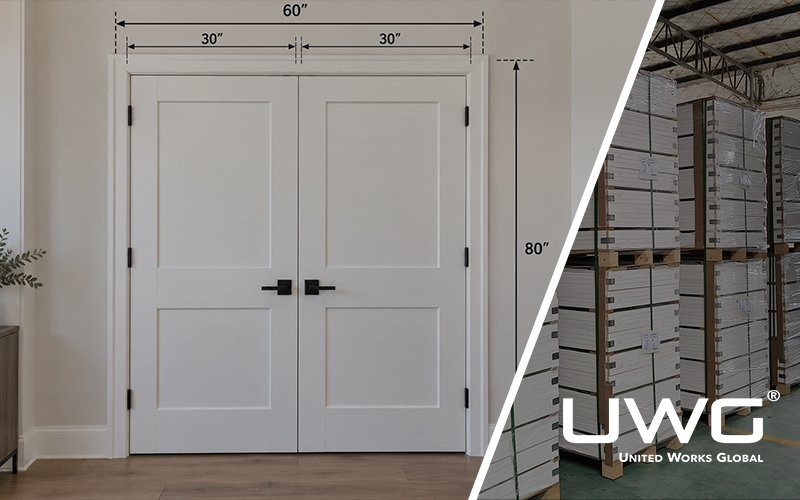
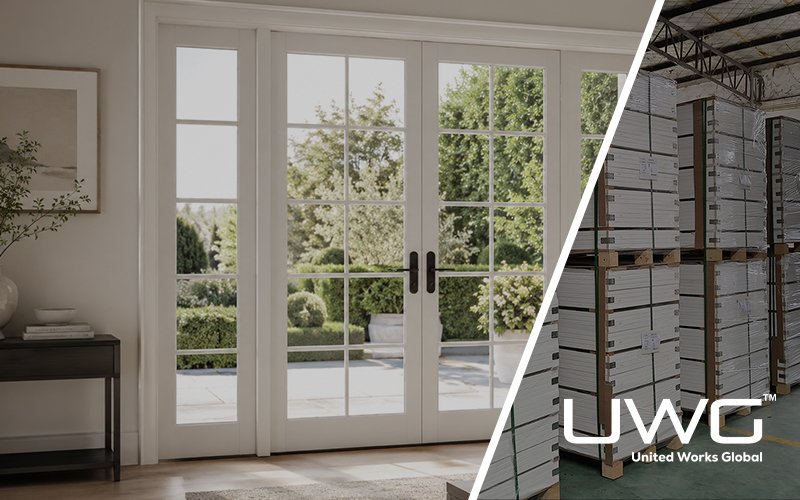
Modern floor plans often struggle to balance openness with privacy. Large open spaces can feel undefined, while fully enclosed rooms limit light flow. French doors offer a practical solution, helping builders and designers create flexible layouts that improve both functionality and visual continuity.
French doors work best in modern floor plans when placed in transitional areas such as patios, balconies, living rooms, and interior partitions. They maximize natural light, enhance spatial flow, and create seamless indoor-outdoor connections. In open-concept designs, they also function as flexible dividers, maintaining openness while allowing separation when needed, making them ideal for both residential and commercial projects.
To understand their full value, it’s important to examine where French doors perform best and how they support modern architectural needs.
Where Are the Best Places to Install French Doors in Modern Floor Plans?
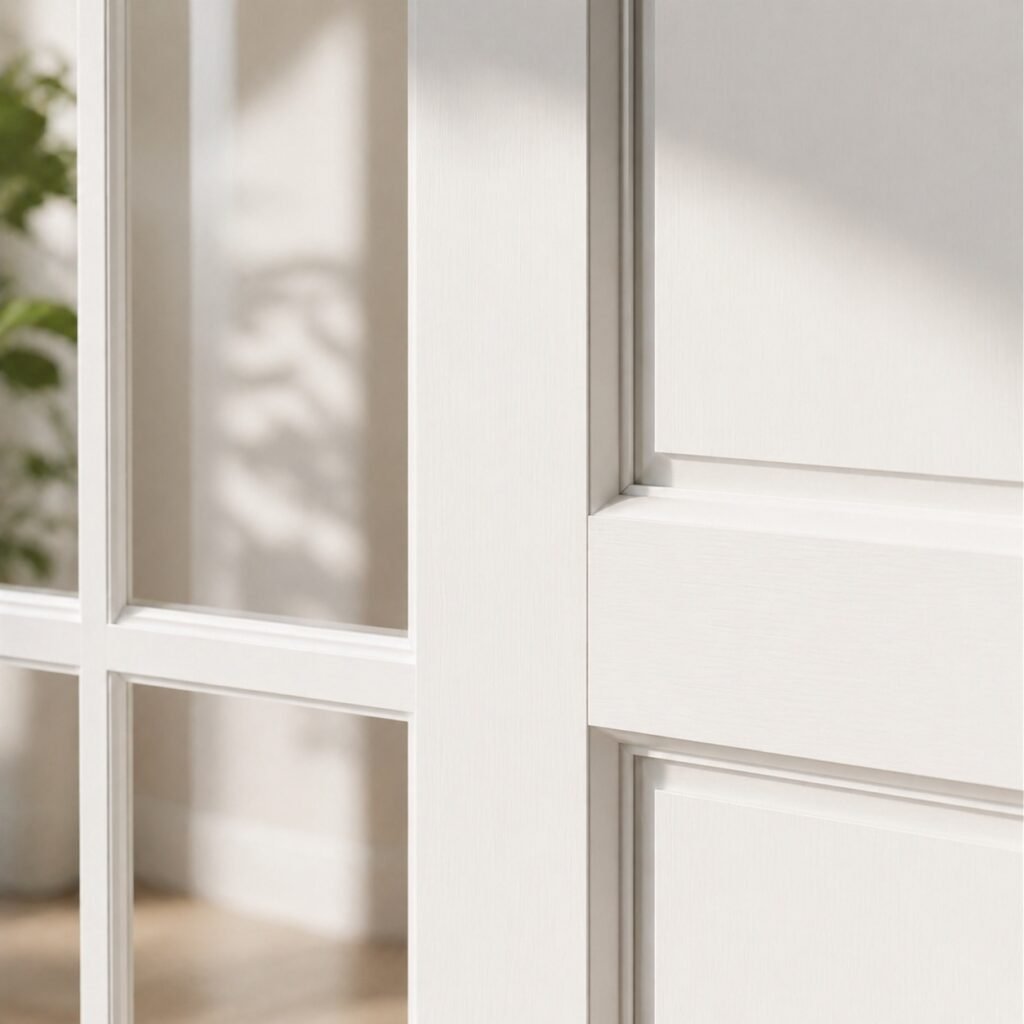
French doors are highly adaptable in modern homes and work best in transitional areas where natural light, accessibility, and spatial flow are priorities. Based on our project experience working with builders and wholesalers, the most effective applications include patios, balconies, living rooms, kitchens, bedrooms, and garden-facing spaces.
French doors for patio areas create a seamless connection between indoor and outdoor living while improving ventilation and accessibility compared to sliding systems. In balconies and sunrooms, slim aluminum frames help maximize daylight without adding visual weight.
Inside the home, French doors in living rooms improve openness while maintaining clear functional zones, while kitchen installations enhance airflow and connect cooking areas with outdoor dining spaces. In bedrooms, they provide private outdoor access and contribute to a clean, modern aesthetic that is especially valued in high-end residential projects.
Can French Doors Be Used Inside a Home as Room Dividers?
Yes, and this is increasingly common in open-plan designs.
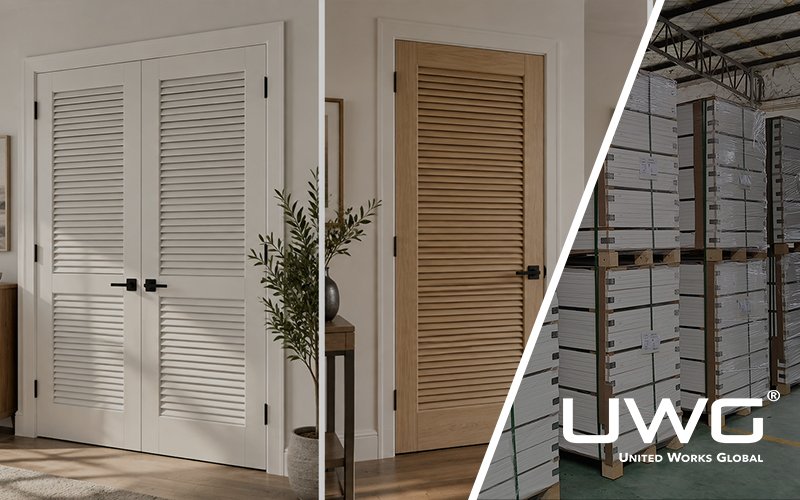
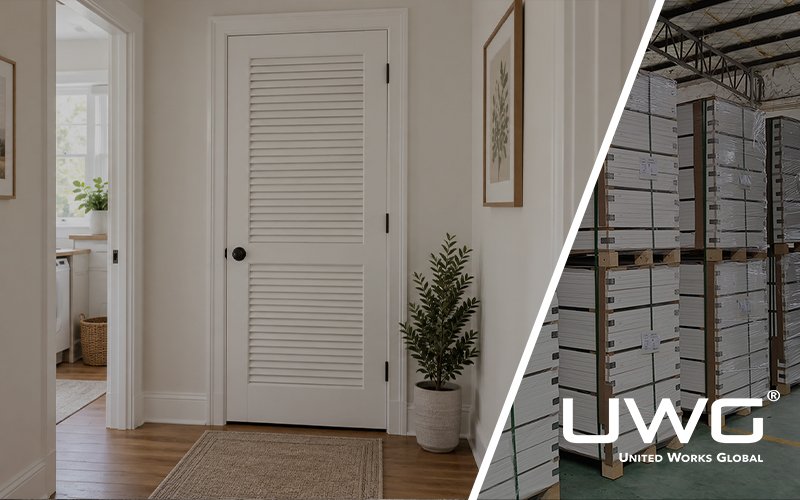
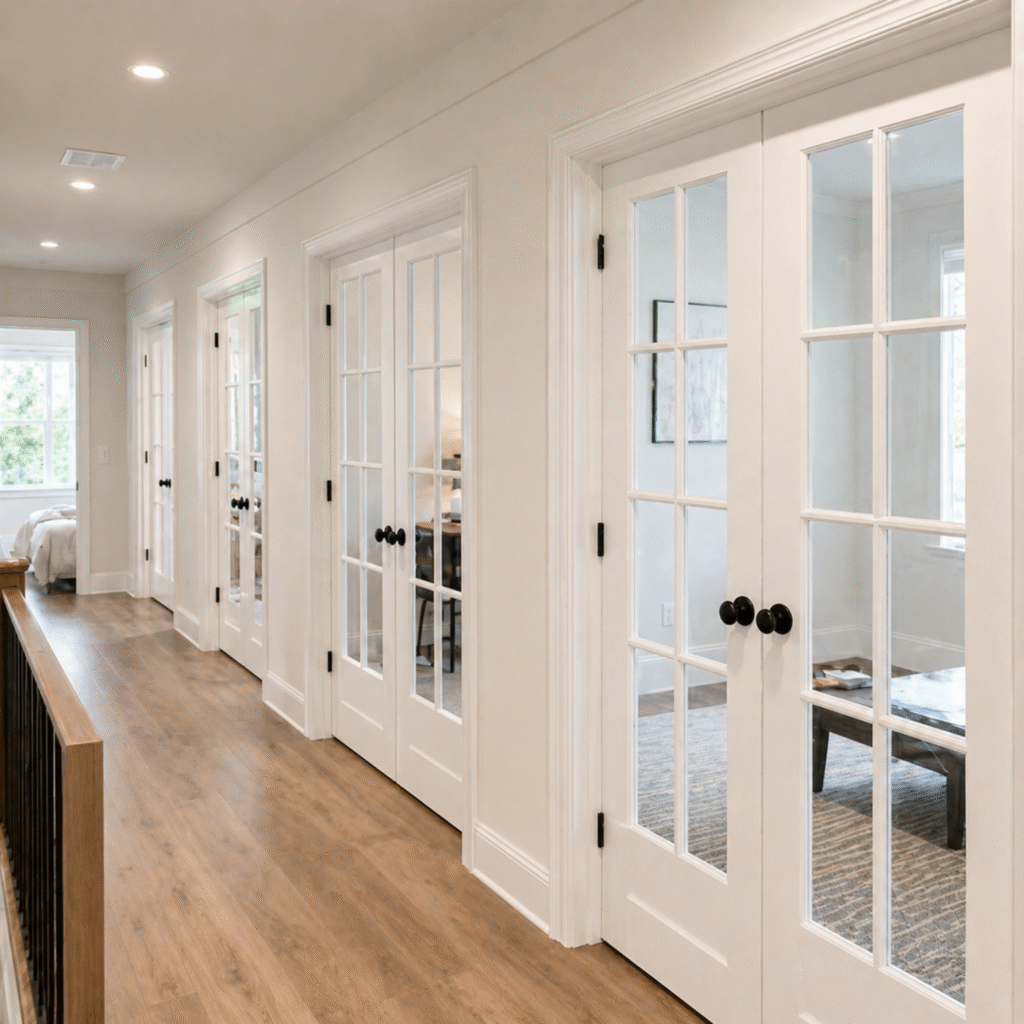
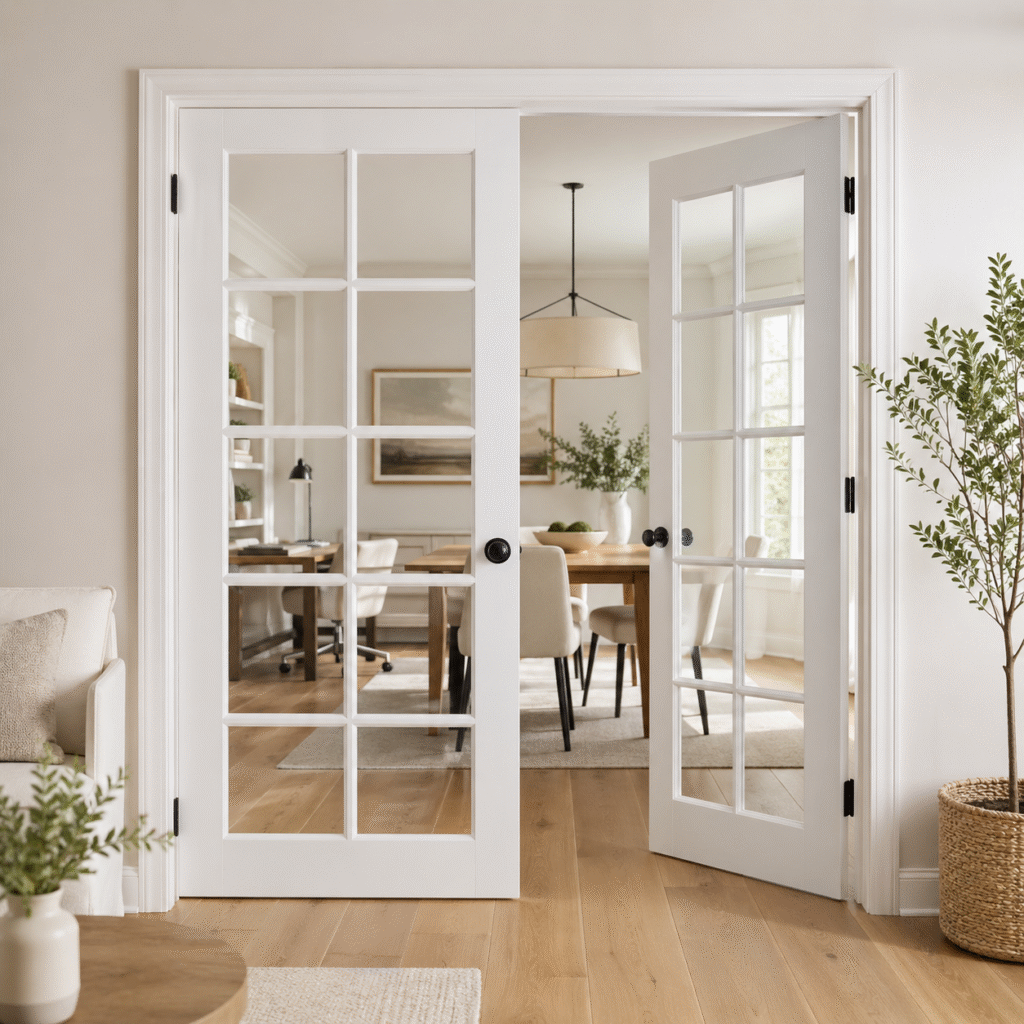
Interior French doors ideas often focus on flexible zoning. Instead of permanent walls, French doors allow spaces to be opened or closed depending on use.
Common applications include:
- Home offices (privacy when needed)
- Dining rooms (visual separation without isolation)
- Multi-functional spaces in modern layouts
From a construction standpoint, this approach reduces the need for structural walls while maintaining usability.
Are French Doors Suitable for Modern Architectural Design?
French doors are no longer limited to traditional styles. With advancements in materials, they now align well with modern architecture.
French doors are no longer limited to traditional styles. With advancements in materials, they now align well with modern architecture.
- Aluminum Frames Preferred in large-scale projects due to durability, corrosion resistance, and slim profiles.
- Glass Optimization Higher glass ratios improve daylight penetration, which is critical in modern floor plans.
- Thermal Performance Double or triple glazing improves insulation. According to energy efficiency guidelines from Energy.gov, high-performance glazing can significantly reduce heat transfer.
In many recent projects, we’ve seen aluminum French doors outperform traditional wood options in both lifecycle cost and maintenance requirements.French Doors in Different Locations: Advantages and Limitations
French Doors in Different Locations: Advantages and Limitations
Choosing the right location for French doors is essential in modern floor plans. Different spaces have unique functional requirements, so understanding the strengths and limitations of each application helps builders, designers, and wholesalers make better decisions.
| Installation Location | Advantages | Limitations | Recommended Application |
|---|---|---|---|
| Patio & Outdoor Areas | Creates seamless indoor-outdoor connection; improves ventilation and natural light | Requires swing clearance indoors or outdoors | Villas, garden homes |
| Balconies | Maximizes daylight and visual openness in compact spaces | Wind exposure may affect operation in high-rise buildings | Apartments, urban housing |
| Living Rooms | Enhances openness while maintaining flexible zoning | Large openings may require reinforced framing | Open-concept layouts |
| Kitchens | Improves airflow and connects dining or outdoor spaces | Frequent use requires durable hardware | Modern family homes |
| Bedrooms | Provides private outdoor access and modern appearance | Privacy and sound insulation should be considered | Luxury residential projects |
| Home Offices | Allows natural light while maintaining separation | Glass panels may reduce acoustic privacy | Hybrid workspaces |
| Sunrooms & Garden Walls | Increases outdoor views and daylight | Higher glass exposure may affect thermal efficiency | Custom homes |
From our installation experience, patio and living room applications remain the most popular because they combine functionality, aesthetics, and strong buyer appeal.
What Should Builders and Wholesalers Consider When Choosing French Doors?
Selecting the right French doors goes beyond aesthetics. In bulk projects, performance and cost-efficiency are critical.
Based on installation and sourcing experience:
- Material Selection Matters Aluminum French doors are widely chosen for commercial and residential developments due to their durability and lower maintenance.
- Standardization vs Customization Standard sizes reduce production costs and lead times, which is essential for wholesalers.
- Hardware Quality Hinges, locks, and seals directly impact long-term performance. Poor hardware often leads to higher maintenance costs.
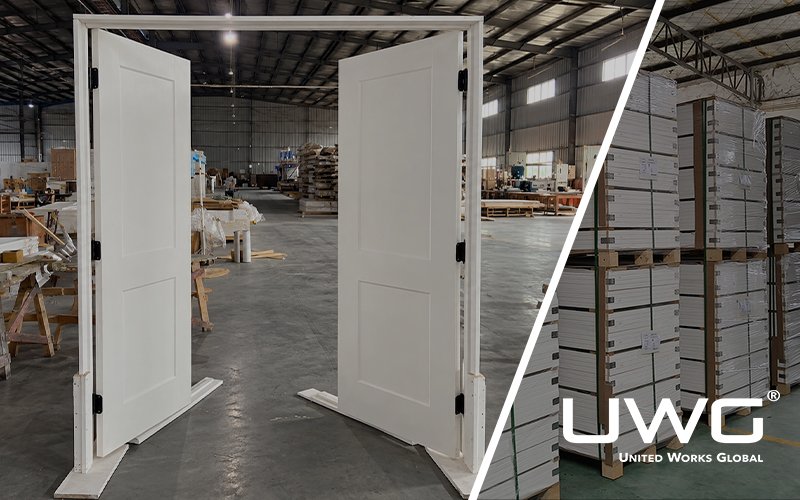
- Installation Efficiency Pre-assembled systems can significantly reduce on-site labor time.
Pre-assembled door systems can help reduce on-site labor intensity, simplify installation, and improve cost efficiency by minimizing field adjustments and installation complexity. Research on prefabricated building components shows that optimized design and pre-assembled components reduce onsite labor requirements and improve installation-stage cost efficiency, while industry guidance on prehung doors notes that they are generally easier to install and provide a more precise fit than slab doors.
What Are the Advantages and Limitations of French Doors in Floor Plans?
Understanding both strengths and constraints helps ensure better design decisions.
Advantages:
- Maximizes natural light
- Enhances spatial flow
- Supports flexible layouts
- Improves indoor-outdoor connection
Limitations:
- Requires swing clearance
- Not ideal for very tight spaces
- Needs precise alignment during installation
When planned correctly, the advantages far outweigh the limitations in most modern layouts.
Frequently Asked Questions About French Doors in Modern Plans
Q: Where are the most effective locations for French doors in modern residential projects?
A: French doors are most effective in transitional areas where natural light and spatial flow are the top priorities. Key locations include patio entrances for seamless indoor-outdoor living, living rooms as flexible partitions, and home offices where they provide a professional acoustic barrier while maintaining visual openness to the rest of the home.
Q: Why are interior French doors preferred over permanent walls for open-concept layouts?
A: Interior French doors act as “flexible zoning” tools. They allow builders to create distinct, private rooms—such as a formal dining room or a quiet study—without blocking daylight or making the floor plan feel cramped. This adaptability is highly valued by modern homebuyers who want the option for both social openness and private enclosure.
Q: What material should builders specify for large-scale French door installations?
A: For large developments and commercial projects, M4B recommends specifying aluminum-framed French doors. Aluminum offers a much slimmer profile, which maximizes the glass area for natural light. It also provides superior resistance to warping and environmental wear compared to traditional wood frames, significantly reducing long-term maintenance costs for property managers.
Q: How do pre-assembled French door systems improve project construction efficiency?
A: Pre-assembled French door systems drastically reduce on-site labor time by ensuring the door slabs, hinges, and jambs are perfectly aligned and calibrated at the factory. This eliminates the need for time-consuming field adjustments and ensures a consistent, high-quality fit across every unit in a housing development, effectively protecting the builder’s profit margins.
Summary
French doors play a key role in modern floor plans by improving light, flow, and flexibility. Whether used for patios, interiors, or partitions, thoughtful placement and material selection ensure long-term performance and design value for both builders and wholesalers.
Articles that you may be interested in:
How Can French Doors Transform Your Interior Spaces?