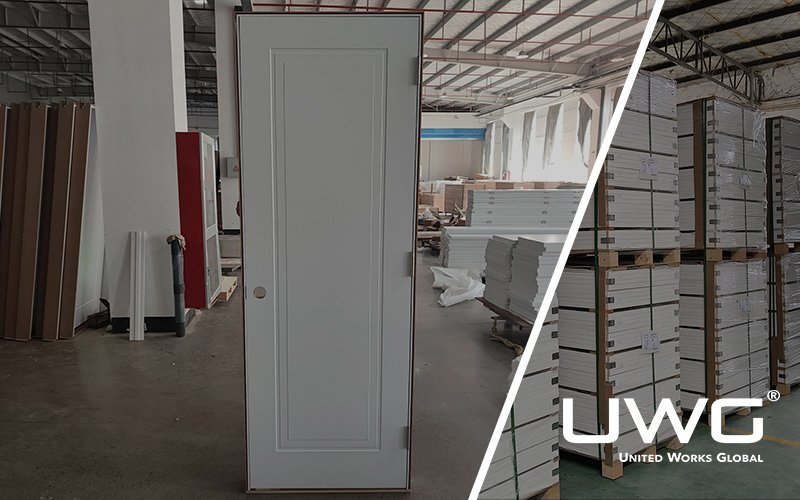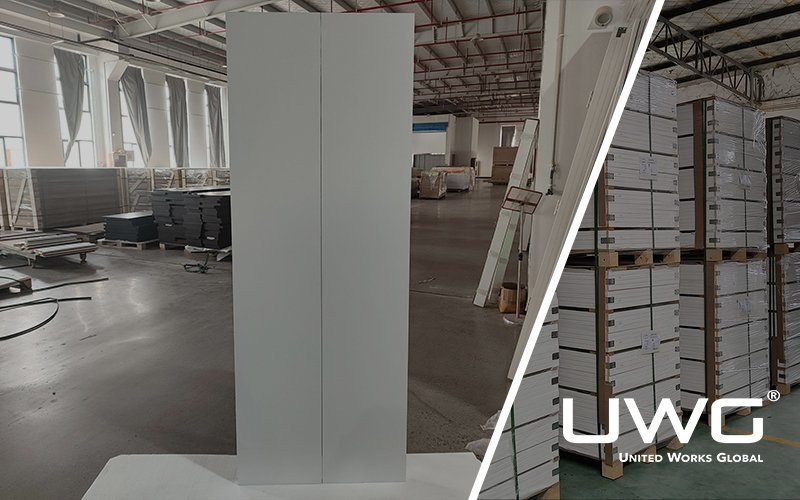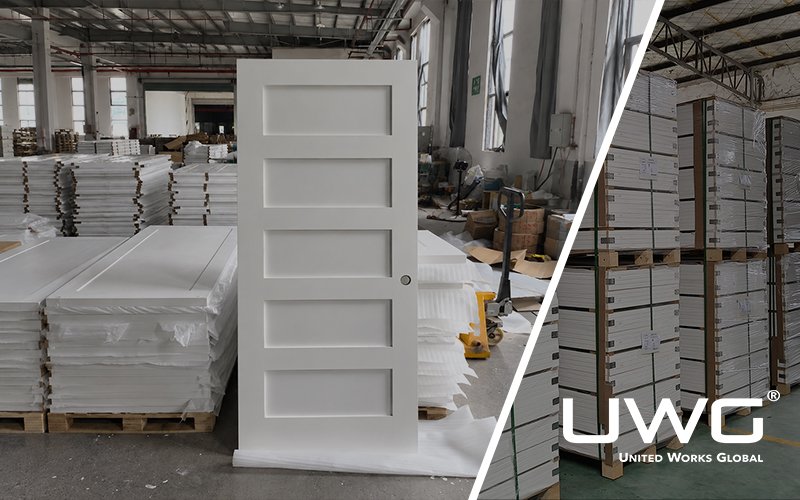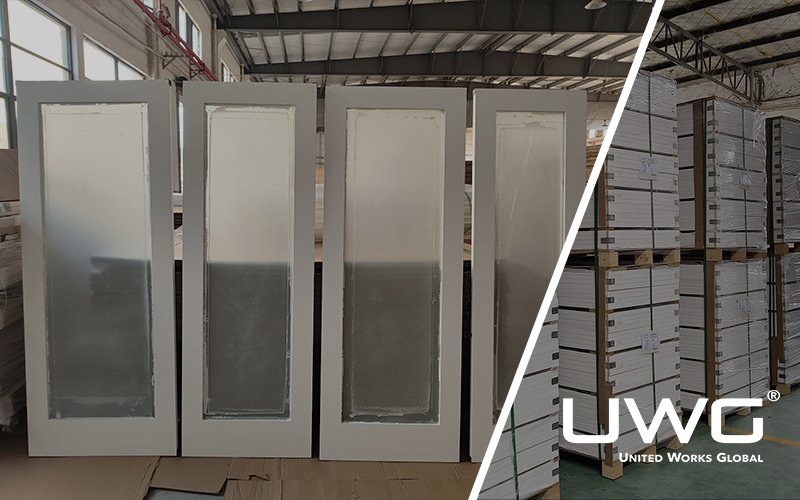
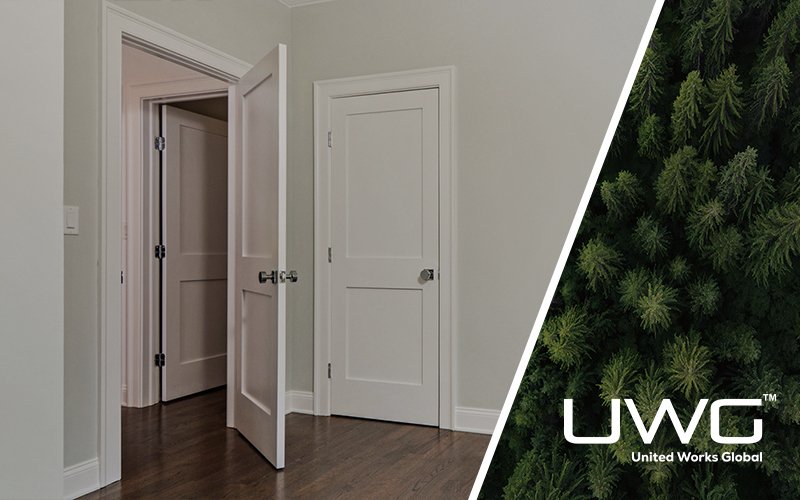
When people evaluate a Shaker door, they often focus on the surface design—clean lines, recessed panels, and the classic minimalist look. However, for builders, contractors, and door distributors, what really determines long-term performance is the door skeleton inside.
In door manufacturing and sourcing, the internal structure of a door often has a greater impact on durability than the visible design. The skeleton is the internal structural system that supports the door panel and helps the door maintain stability during transportation, installation, and years of daily use.
A well-designed skeleton improves durability, reduces warping risk, and ensures consistent performance across different climates and installation conditions. Understanding the skeleton structure also helps buyers make more informed decisions about quality, pricing, and suitability for different construction projects.
Understanding how different skeleton options work can help builders and buyers select the right door structure for their projects.
What Is a Shaker Door Skeleton?
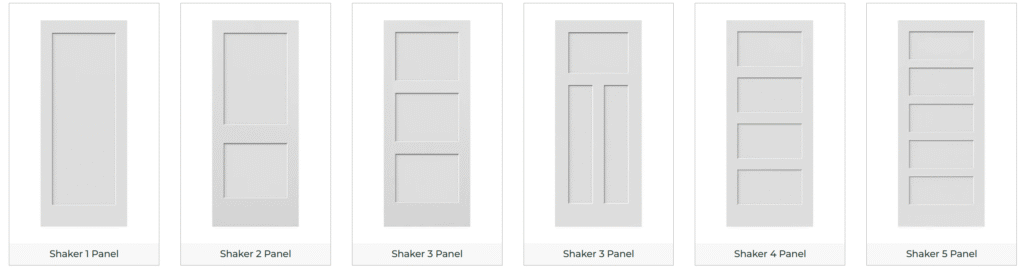
A Shaker door skeleton is the internal supporting structure that forms the framework of the door. In traditional rail-and-stile door construction, two vertical pieces called stiles and two horizontal pieces called rails create the outer structure of the door, while a recessed center panel is inserted into the frame.
This construction method has been widely used in interior doors and cabinet doors for decades because it combines structural strength with a simple and clean design. The skeleton supports the door panel, distributes structural stress across the frame, and helps maintain dimensional stability over time.
From a manufacturing perspective, the skeleton structure plays a critical role in determining how the door performs after installation. The material and construction of the skeleton influence several key factors:
- Structural stability
- Resistance to warping or twisting
- Moisture tolerance
- Hardware holding strength
- Overall product lifespan
For construction professionals and procurement teams, understanding the skeleton structure is essential when evaluating door construction quality and long-term performance.

Common Shaker Door Skeleton Options
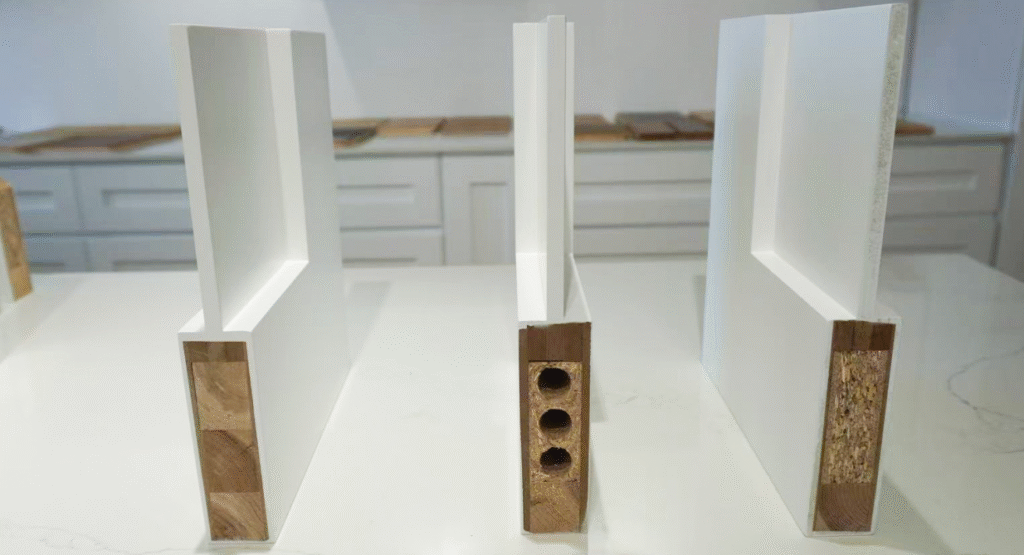
In modern shaker door manufacturing, the skeleton is typically built using a solid wood frame combined with different reinforcement or core materials. While the exterior design of shaker doors may look similar, the internal skeleton structure can vary depending on the desired balance between durability, stability, and production cost.
The most common shaker door skeleton structures include the following:
Solid Wood Skeleton
This structure uses solid wood for both the stiles and rails, forming a fully natural wood frame. Because it relies entirely on natural timber, it provides strong structural support and excellent hardware holding capability.
Solid wood skeletons are often used in higher-end residential doors or custom interior projects where durability and craftsmanship are priorities. However, this structure requires more material and processing, which generally places it in a higher price range.
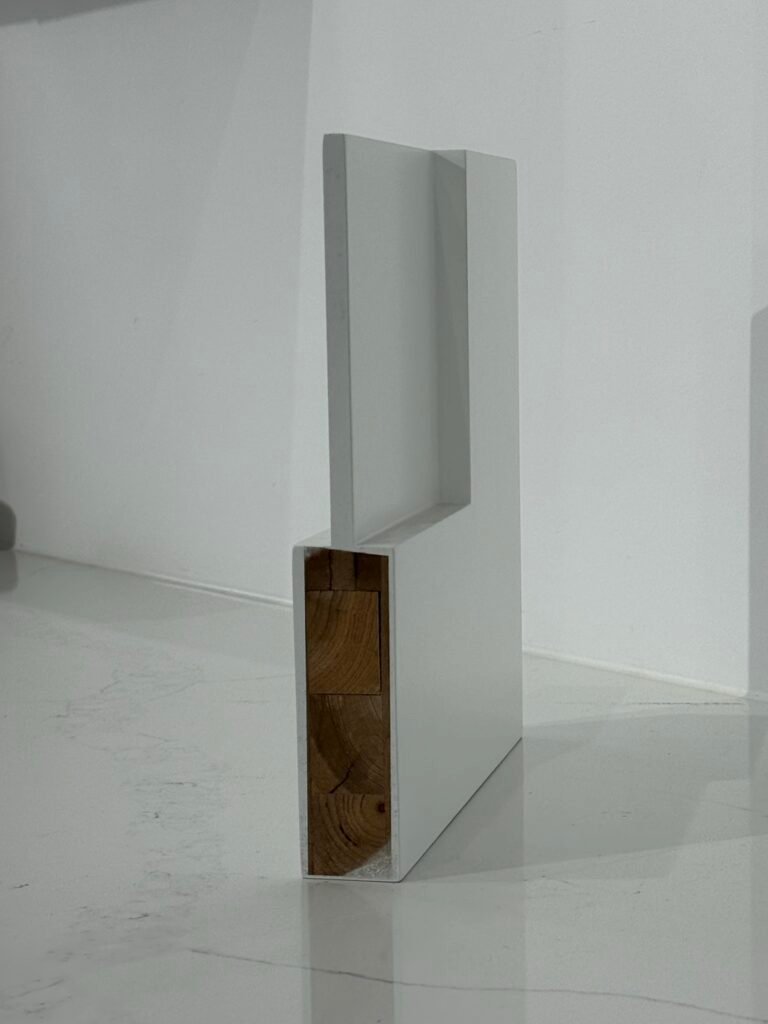
Solid Wood + Particleboard Core
Another common approach is to use a solid wood frame combined with particleboard blocks inside the door structure.
Particleboard provides a dense and cost-efficient reinforcement material that helps improve structural consistency while keeping manufacturing costs under control. This type of skeleton is commonly used in residential and multifamily projects where a balance between performance and budget is important.
Because particleboard has a relatively dense composition, it can support stable door construction when properly integrated into the frame design. It is often selected for projects that prioritize cost efficiency, production consistency, and reliable day-to-day performance.
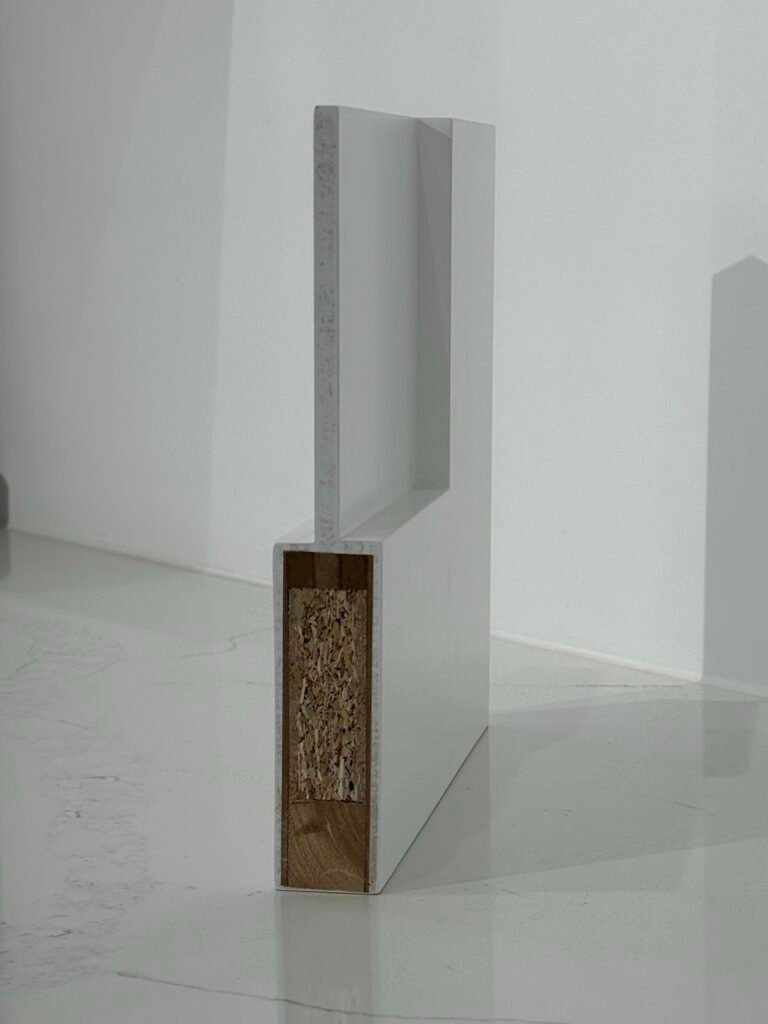
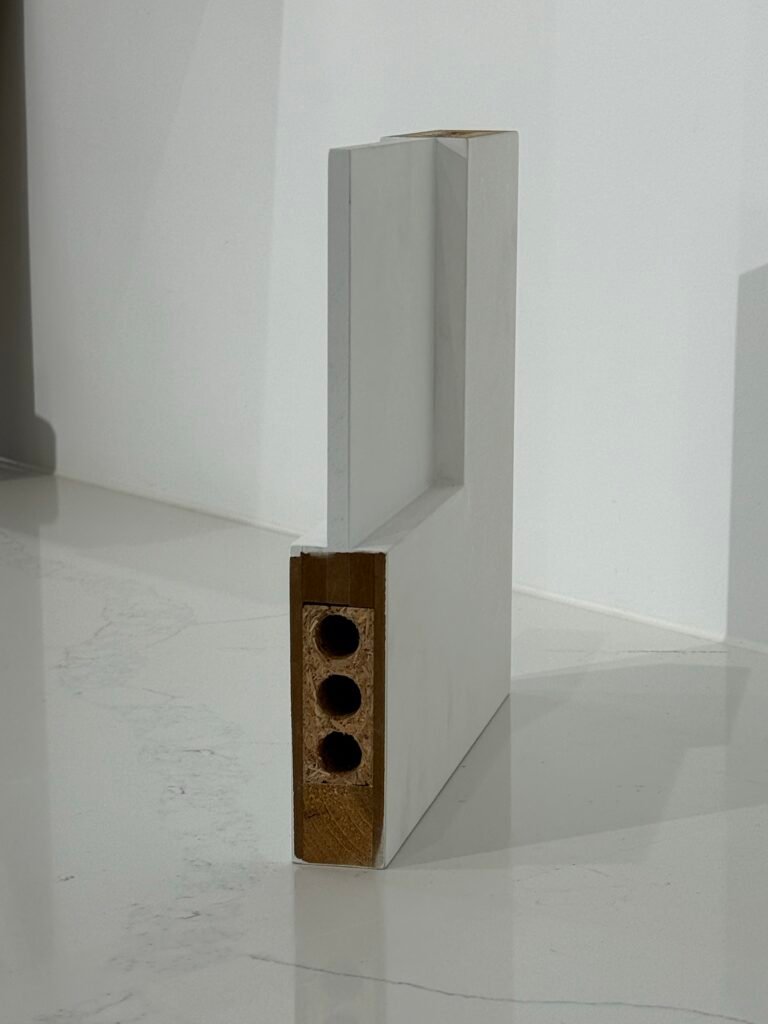
Solid Wood + Tubular Chipboard Core
A solid wood frame can also be combined with a tubular chipboard core. Tubular chipboard, sometimes called tubular particleboard, is designed with hollow tube-like channels inside the core.
This structure helps reduce the overall weight of the door while still maintaining a reasonable level of structural support. Compared with solid particleboard-filled constructions, tubular chipboard solutions are often preferred when weight reduction, easier handling, and transportation efficiency are important considerations.
This skeleton type is widely used in large residential developments, apartments, and other volume-based projects where manufacturers need to balance door weight, structural performance, and overall cost.
Overall, these skeleton options allow manufacturers to adjust the door’s performance, weight, and price level depending on the needs of different construction projects.
Solid Wood + LVL Reinforced Skeleton
In this structure, the main door frame is made from solid wood stiles and rails, while LVL (laminated veneer lumber) is used in certain structural areas to improve stability.
LVL is an engineered wood product manufactured by bonding thin wood veneers under high pressure. It is widely used in structural applications because of its uniform strength and resistance to warping.
By combining solid wood with LVL reinforcement, manufacturers can improve dimensional stability and reduce the risk of deformation, especially for taller interior doors or projects installed in varying humidity environments.
Skeleton Design and Door Performance
The design of a shaker door’s skeleton has a direct influence on how the door performs in everyday use. While the exterior style of shaker doors may look similar, the internal skeleton structure determines key performance factors such as strength, dimensional stability, weight, and hardware support.
For example, a solid wood skeleton typically provides strong structural strength and excellent hardware holding capability, making it suitable for higher-end residential doors.
A solid wood + LVL reinforced structure improves dimensional stability and helps reduce the risk of warping, which is particularly beneficial for taller doors or environments with fluctuating humidity.
A solid wood + particleboard core provides a cost-efficient and stable solution with relatively dense internal support, making it suitable for many standard residential and multifamily projects.
Meanwhile, a solid wood + tubular chipboard core helps reduce door weight while maintaining structural integrity, making it a practical option for projects that require easier handling and improved installation efficiency.
Each skeleton structure is designed to balance durability, stability, and cost, allowing manufacturers to adapt door performance to different project requirements.
| Skeleton Structure | Structural Strength | Dimensional Stability | Weight | Typical Applications |
| Solid Wood Skeleton | High | Medium–High | Heavy | High-end residential interiors |
| Solid Wood + LVL Reinforced | High | Very High | Medium–Heavy | Apartments, hotels, tall interior doors |
| Solid Wood + Particleboard Core | Medium–High | High | Medium–Heavy | Residential projects, multifamily housing |
| Solid Wood + Tubular Chipboard Core | Medium | High | Medium–Light | Apartments, volume housing, lightweight door applications |
Understanding these structural differences helps builders, distributors, and buyers select shaker doors that match the performance requirements and budget of a specific project.
Skeleton Design and Pricing
The skeleton design of a shaker door also has a direct impact on its overall price. Because the skeleton determines the amount of material used, the structural strength of the door, and the complexity of manufacturing, different skeleton structures typically fall into different price levels.
Doors with a solid wood skeleton generally fall into the higher price range. They require more natural timber and involve additional processing, which increases both material and production costs.
A solid wood + LVL reinforced skeleton typically sits in the mid-to-high price range. LVL improves dimensional stability and reduces the risk of warping while maintaining relatively efficient manufacturing.
A solid wood frame combined with a particleboard core is usually positioned as a cost-efficient option. Its dense engineered composition helps control production costs while still offering dependable internal support for many residential applications.
A solid wood frame combined with a tubular chipboard core is also considered cost-effective, especially in projects where reducing door weight is a priority. This structure offers a practical balance between material efficiency, handling convenience, and structural performance.
Overall, skeleton designs that use more solid wood and stronger reinforcement structures generally result in higher door prices, while engineered materials help balance cost, stability, and manufacturing efficiency.
Pros and Cons of Each Skeleton Type
Each shaker door skeleton type comes with its own advantages and limitations. The right choice depends on your project’s budget, performance requirements, and installation conditions.
| Skeleton Type | Pros | Cons |
| Solid Wood Skeleton | High strength and durability; excellent hardware holding; premium feel | Higher cost; more sensitive to humidity if not properly treated |
| Solid Wood + LVL Reinforced | Excellent dimensional stability; reduced warping risk; suitable for tall doors | Higher cost than standard options; slightly heavier |
| Solid Wood + Particleboard Core | Cost-effective; dense internal support; consistent manufacturing quality | Heavier than tubular core options; hardware holding depends on reinforcement design |
| Solid Wood + Tubular Chipboard Core | Lightweight; cost-efficient; easier handling and installation | Lower impact resistance than denser core structures; may require reinforcement in key hardware areas |
In practice, there is no single “best” skeleton—only the most suitable option based on project needs and budget.
How to Choose the Right Skeleton
Choosing the right skeleton depends on project type, environment, and budget.
Based on our experience working with builders and supplying large-scale projects, different skeleton structures are selected based on cost, durability, and consistency rather than a single “best” option.
For project type, high-end residential homes often prefer solid wood skeletons for their premium feel and strength. In contrast, most multifamily and large-volume projects commonly use solid wood combined with particleboard or tubular chipboard cores, as this has become a standard solution for balancing cost and performance.
For environmental conditions, projects exposed to humidity or temperature changes often benefit from more stable structures such as LVL-reinforced skeletons, especially for taller doors.
For budget and lifecycle, engineered skeletons typically offer the best balance between cost, durability, and long-term stability, which is why they are widely adopted in large projects.
In practice, the right choice depends on selecting a structure that aligns with project scale, performance needs, and cost targets.
Frequently Asked Questions About Shaker Door Skeletons
Q: Is a solid wood skeleton better than a particleboard core?
A: “Better” depends on the project’s specific needs. A 100% solid wood skeleton offers the highest traditional craftsmanship and the strongest screw-holding capacity, making it perfect for luxury custom homes. However, a skeleton combining a solid wood frame with a particleboard core is highly practical and cost-effective, making it a common choice for residential and multifamily housing projects.
Q: Is tubular chipboard better than particleboard for interior doors?
A: Not necessarily—it depends on project priorities. Particleboard cores are denser and can provide a more solid internal feel, while tubular chipboard cores are lighter and easier to handle during transportation and installation. For projects that prioritize reduced door weight and installation efficiency, tubular chipboard is often preferred. For projects that emphasize a denser internal structure at a competitive cost, particleboard can be a suitable option.
Q: Why do different Shaker door skeleton structures have different prices?
A: The price difference mainly comes from material composition, structural design, and manufacturing complexity. Skeletons that use more solid wood generally cost more because they require higher-quality raw materials and more processing. Structures that use engineered core materials such as particleboard or tubular chipboard are usually more cost-efficient, as they help balance material usage, production consistency, and overall door performance. As a result, different skeleton types are priced differently to match different project needs, budgets, and performance expectations.
Q: How does the skeleton structure affect door hardware installation?
A: The density and material of the door’s skeleton directly impact its screw-holding capacity. Hardware like heavy-duty hinges, handles, and locks require a solid substrate to anchor securely. Skeletons made of solid wood or those reinforced in key hardware areas provide better grip, helping doors remain stable and properly aligned over years of daily use.
Summary
The skeleton structure plays a key role in determining the strength, stability, and price of a shaker door. While many shaker doors look similar on the outside, their internal skeleton designs can vary significantly.
Common structures include solid wood frames, solid wood with LVL reinforcement, and solid wood combined with particleboard or tubular chipboard cores. Each option offers a different balance between durability, stability, and cost.
Understanding these skeleton structures helps builders, distributors, and buyers select shaker doors that match their project requirements, performance expectations, and budget.
Articles that you may be interested in:
Farmhouse and Shaker Door Trends: Popular Choices for Residential Projects
Why Do Interior Doors Fail in Dry vs Humid Climates? A Builder’s Guide to Molded and Shaker Doors