Shaker doors with glass combine clean, square-edged profiles with glazed panels that allow light to pass between interior spaces. Available in different lite configurations and glass finishes, they suit a variety of residential and commercial applications.
For builders and wholesalers, selecting the right design involves balancing appearance, glazing performance, construction, and project requirements.
What Are Shaker Doors with Glass?
Key Components of Interior Shaker Doors with Glass
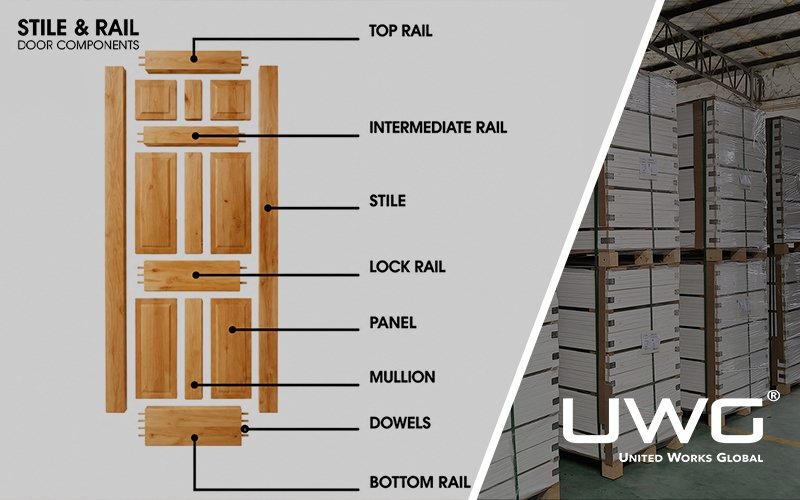
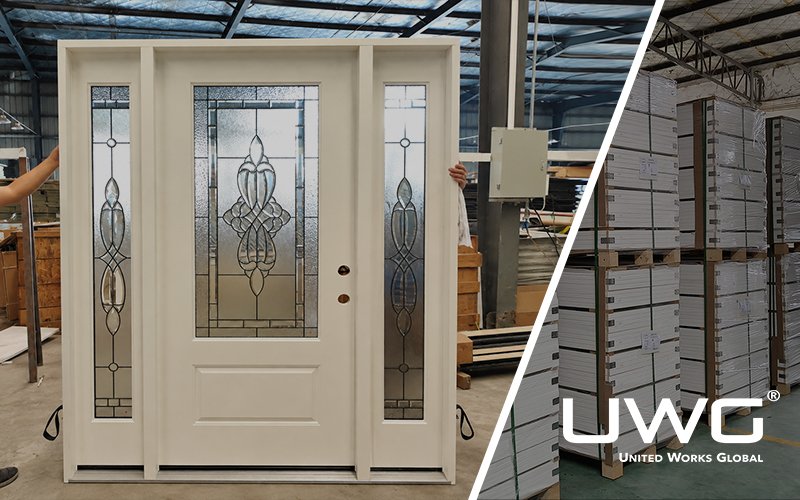
Interior Shaker doors with glass feature vertical stiles, horizontal rails, and glazed openings. Their simple frame profiles complement both traditional and contemporary interiors.
Glass panels are secured using glazing beads or other retention systems, depending on the door’s construction.
Understanding Lite Count, Glass Area and Opening Configuration
A lite refers to a glazed opening or pane within a door. However, several related terms describe different characteristics:
- Lite count: The number and arrangement of visible glazed sections. Confirm whether these are individual panes or divisions applied over a larger pane.
- Glass area: The proportion of the door occupied by glazing, such as full-lite or partial-lite.
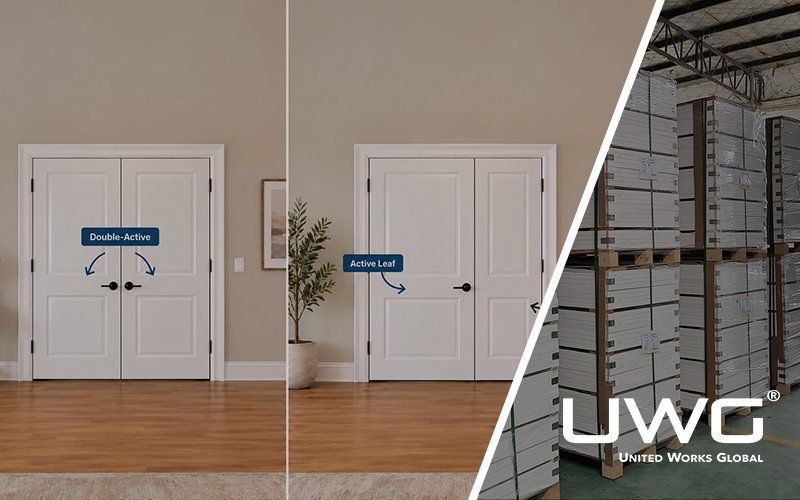
- Opening configuration: Whether the door operates as a single, paired, hinged, or sliding unit.
These distinctions help prevent confusion when comparing door designs and specifications.
Popular Shaker Glass Door Styles and Lite Configurations
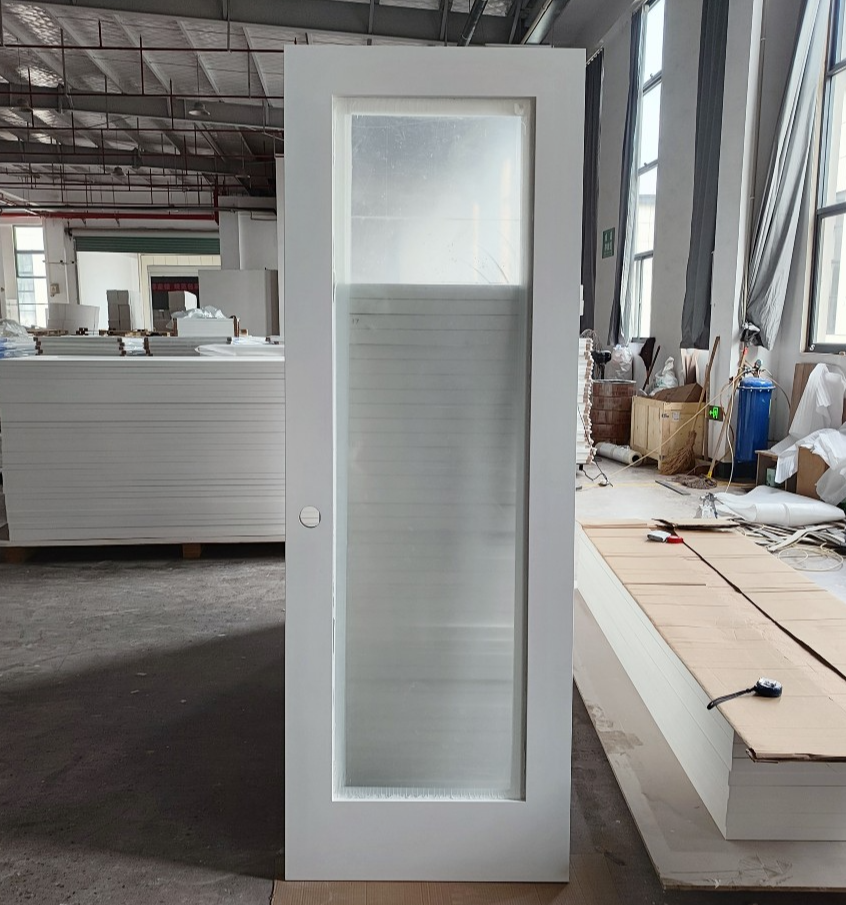
1-Lite Shaker Glass Doors
A single glazed opening creates a clean, uninterrupted appearance. This design is particularly suitable for contemporary interiors where simple lines and visual connection are priorities.
Larger glass openings can provide broader sightlines between adjoining rooms.
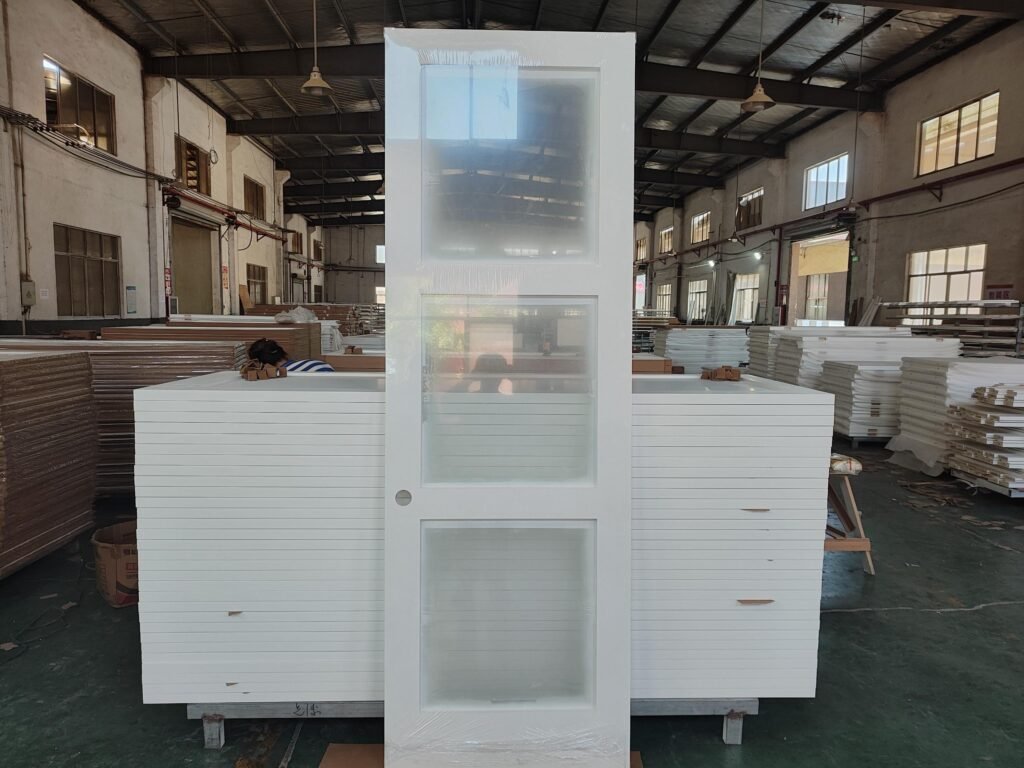
2-Lite and 3-Lite Shaker Glass Doors
These configurations divide the glazed area using horizontal rails.
A 2-lite design creates a relatively simple division, while a 3-lite layout introduces additional horizontal detailing. The choice depends on the desired proportions and coordination with surrounding doors.
For projects involving different door widths, rail positions should be reviewed to maintain a consistent appearance.
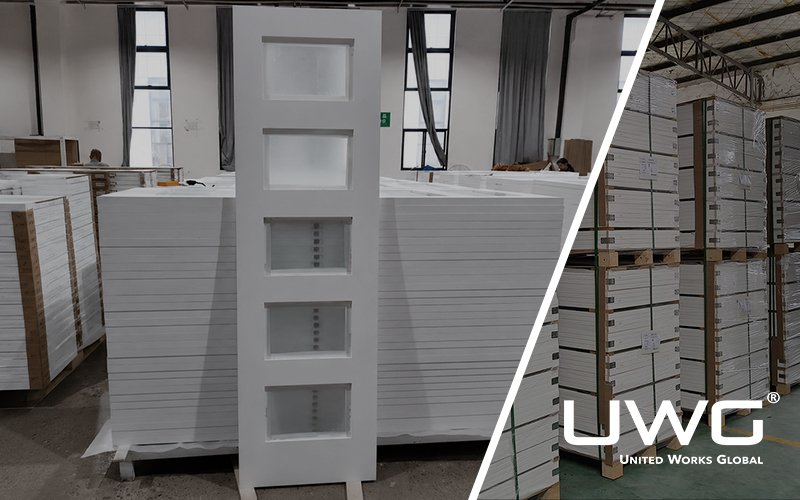
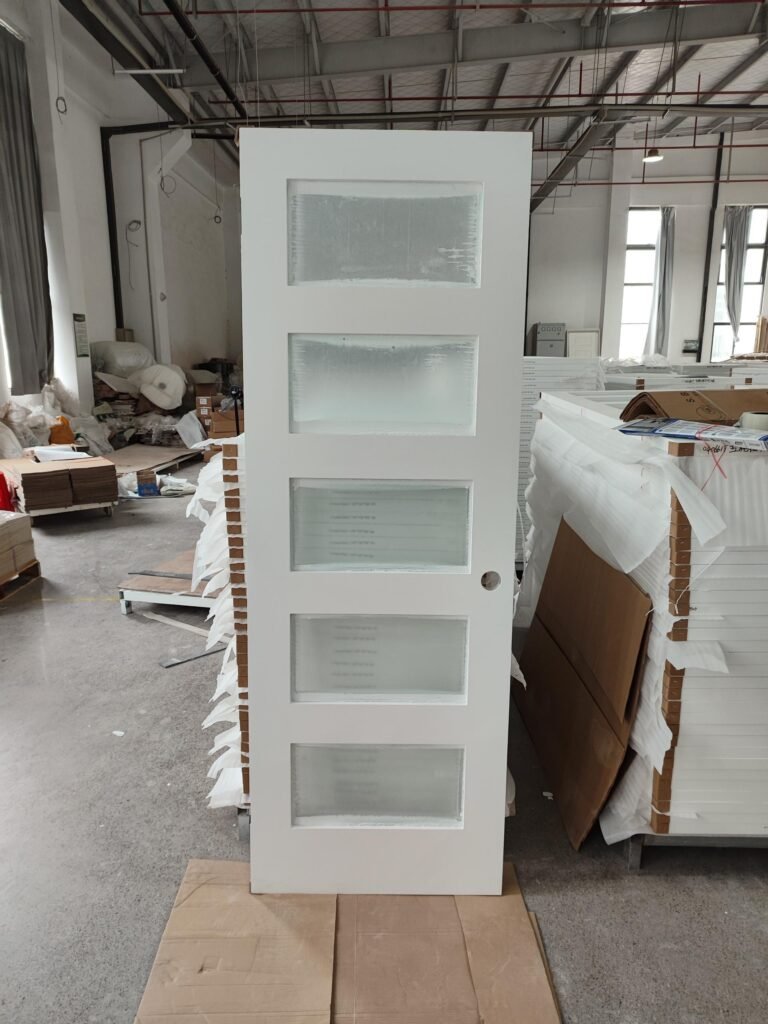
5-Lite Shaker Glass Doors
Five-lite configurations typically feature stacked glass sections separated by horizontal rails.
Their repeated divisions create a more structured appearance, making them suitable for interiors where horizontal detailing is an important design feature.
Compared with a single large glazed opening, multiple divisions introduce additional edges that may require cleaning.
Glass Above a Solid Lower Panel
This configuration combines upper glazing with an opaque lower panel.
It allows light transmission through the upper portion while limiting visibility at lower levels. The transition height between glass and panel influences the overall appearance.
Here, “solid” describes the non-glazed section rather than necessarily indicating solid-wood construction.
Divided-Lite Appearance vs. Actual Glass Construction
Multi-lite doors may contain individual glass panes or use decorative bars applied over a larger glass panel.
Although these designs can appear similar, their manufacturing methods, maintenance requirements, and glass replacement procedures may differ.
Construction drawings should identify the actual glazing arrangement.
How Lite Layouts Affect Appearance and Light Distribution
Lite count alone does not determine how much light passes through a door.
Total glass area, rail width, glass transparency, and surrounding lighting conditions influence the result.
For doors of equal dimensions, wider rails generally reduce the available glazed area.
Materials, Glass Options and Construction
Solid Wood and Engineered Stiles and Rails
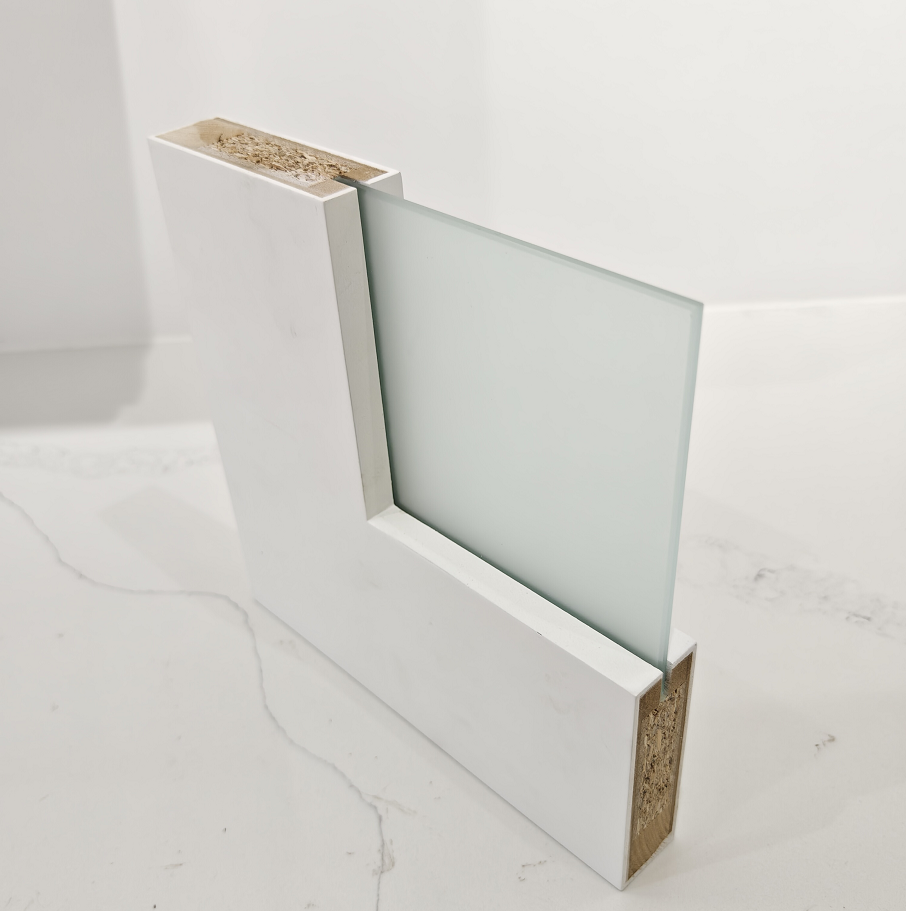
Shaker glass door frames may use solid wood or engineered wood components.
Material construction affects finishing options, dimensional stability, machining requirements, and cost.
Builders should confirm stile-and-rail construction and component materials and permitted modifications before selecting a product for their project.
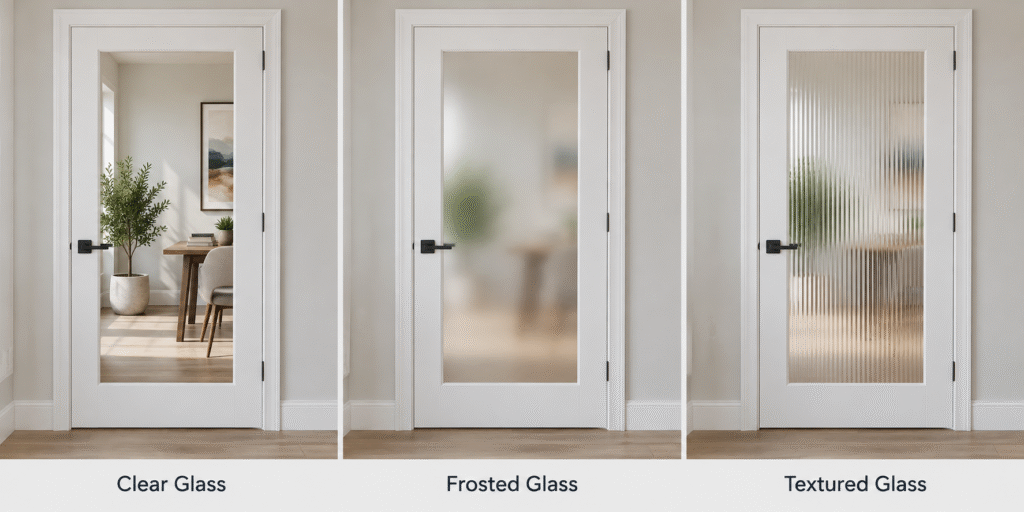
Clear, Frosted and Textured Glass Options
Different glass finishes create distinct visual effects:
- Clear glass: Maintains visibility and allows light transmission.
- Frosted glass: Diffuses light and softens direct views.
- Textured glass: Adds decorative patterns and varying degrees of visual obscuration.
For more information about glazing options, explore our guide to types of glass for interior doors.
Safety Glass and Glazing Considerations
Glass specifications must meet applicable building codes and safety requirements.
Depending on the application, tempered or laminated safety glass may be required.
Confirm glass thickness, safety documentation, and retention details with the manufacturer.
Check Privacy with the Actual Glass Sample
Privacy performance should be evaluated using physical glass samples.
Test visibility from both sides under expected lighting conditions, including nighttime conditions with interior lights switched on.
This helps determine whether silhouettes or movement remain visible through the selected glazing.
Glass vs. Panel-Only Shaker Doors: Benefits and Trade-offs
Both designs offer clean Shaker styling, but their practical characteristics differ. When comparing interior door configurations, confirm whether glazing or opaque panels are specified for each opening.
| Selection Factor | Shaker Doors with Glass | Panel-Only Shaker Doors |
|---|---|---|
| Light transmission | Allows light through glazing | Blocks light through the door |
| Visual screening | Depends on glass selection | Blocks direct views |
| Appearance | Open and decorative | Uniform and understated |
| Maintenance | Glass and glazing details require cleaning | Mainly panel and finish maintenance |
| Specifications | Requires glazing and frame details | Requires panel and core details |
Neither option automatically provides better acoustic performance or lower cost. These characteristics depend on the complete door construction.
Best Uses for Interior Shaker Doors with Glass
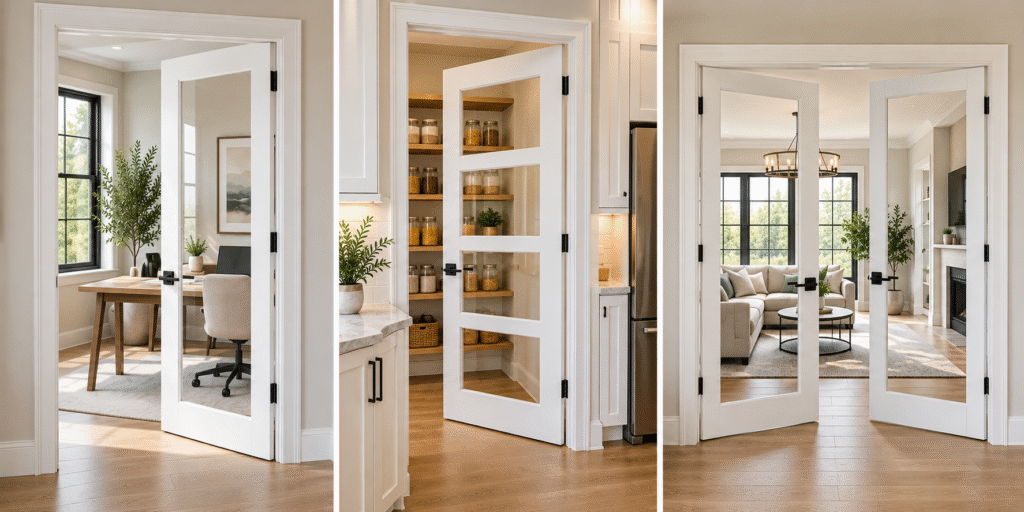
Home Offices and Living Spaces
Glass Shaker doors allow visual connection between adjoining spaces while maintaining physical separation.
They work well in home offices and living areas where natural light and an open appearance are desirable.
For rooms requiring acoustic privacy, evaluate the performance of the complete door assembly.
Kitchens and Pantries
Clear glass can showcase organized shelving or maintain visibility between connecting spaces.
For storage areas where contents should remain concealed, obscured glass or panel-only doors may be more practical.
Interior Partitions and Connecting Rooms
Glass doors help divide interior spaces without completely interrupting sightlines.
Depending on the project, they may be incorporated into hinged, paired, or sliding systems when compatible with the selected hardware.
Bedrooms and Bathrooms: Evaluate Privacy First
For bedrooms and bathrooms, the selection should prioritize the level of visual screening required.
Panel-only doors may be preferable where complete privacy is essential. Glazed alternatives must also meet applicable safety and environmental requirements.
How to Choose Shaker Doors with Glass for Your Project
Coordinate Lite Layouts, Door Sizes and Finishes
For multi-unit residential projects, maintaining consistent proportions across different door sizes is important.
A lite layout that appears balanced on a wider door may look crowded on a narrower one. Reviewing size-specific elevations helps identify potential design inconsistencies.
When combining glass and panel-only Shaker doors, coordinate rail alignment and finish specifications for a consistent interior appearance.
Confirm Hardware Compatibility and Installation Requirements
Verify door weight, hinge capacity, sliding hardware compatibility, and installation clearances.
Lock preparation and other machining must not interfere with glazing pockets or structural components.
Shaker Glass Door Specification Checklist
Before confirming an order, verify:
- Door: Dimensions, thickness, frame construction, and lite configuration.
- Glass: Type, thickness, safety requirements, and approved appearance.
- Finish: Color, surface treatment, and consistency across door sizes.
- Hardware: Opening direction, preparation, and installation compatibility.
- Delivery: Packaging, labeling, inspection criteria, and replacement arrangements.
For bulk orders, ensure the quotation, approved drawings, and purchase order reflect the same specifications.
FAQ
What Is the Difference Between 1-Lite and Full-Lite Glass Doors?
1-lite describes a single glazed opening, while full-lite refers to glazing extending across most of the door’s height. A door can be both.
Does Frosted or Textured Glass Provide Complete Privacy?
Not necessarily. The degree of visual screening varies by glass product and should not be assumed from its finish name.
Are Shaker Doors with Glass Suitable for Bedrooms and Bathrooms?
They can be suitable when the selected glazing meets the room’s privacy, safety, and environmental requirements.
Can Shaker Doors with Glass Be Used as Sliding Doors?
Yes, provided the door construction is compatible with the selected sliding hardware and installation system.
What Are Common Specification Mistakes When Ordering Shaker Glass Doors?
Common mistakes include unclear glass dimensions, inconsistent rail proportions, unspecified glazing construction, and incompatible hardware preparation.
Conclusion
Shaker doors with glass offer flexible design options, from minimalist 1-lite styles to more decorative multi-lite configurations.
Choosing the right design requires balancing glass area, visual privacy, frame construction, and intended application.
For builders and wholesalers planning residential or commercial projects, sharing door dimensions, preferred glass configurations, and estimated quantities with the manufacturer helps establish suitable specifications and accurate pricing.