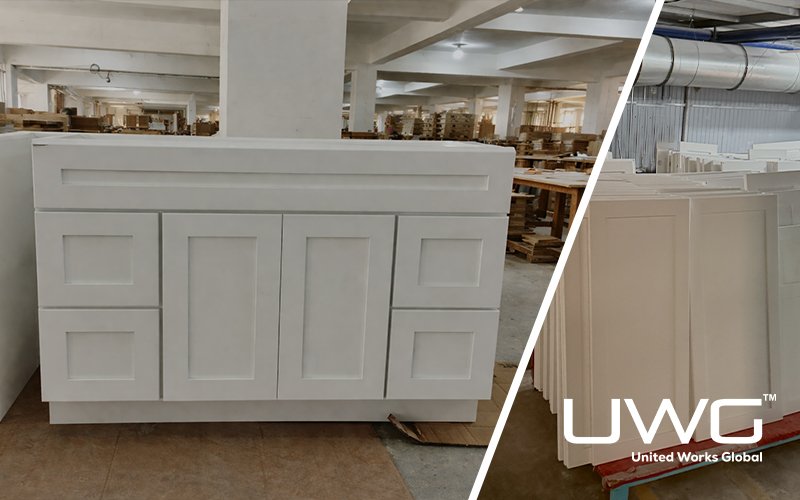
Builders and wholesalers often struggle to choose between timeless and modern cabinet styles. The wrong choice can impact project appeal and resale value. In this guide, I break down Shaker cabinets vs flat panel cabinets to help you confidently select the right option for your next project.
Shaker cabinets feature a five-piece door with a recessed center panel, offering a timeless and versatile look that suits both traditional and transitional spaces. Flat panel cabinets, also known as slab cabinets, have a smooth, unadorned surface that delivers a sleek, modern aesthetic. While Shaker cabinets are more popular and flexible in design, flat panel cabinets are typically more cost-effective and ideal for contemporary projects. The best choice depends on your project style, budget, and target market.
To make the right decision, it’s important to understand how these two cabinet styles differ in structure, cost, durability, and market demand.
What Is the Difference Between Shaker and Flat Panel Kitchen Cabinets?
The core difference lies in their construction and visual impact.
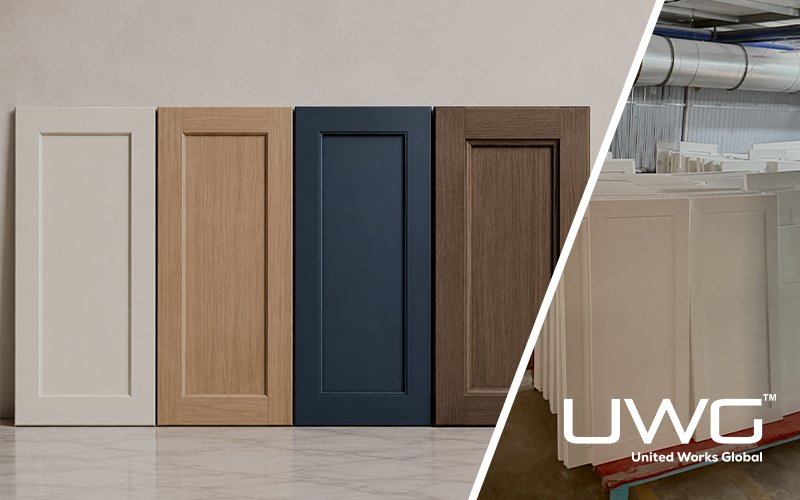
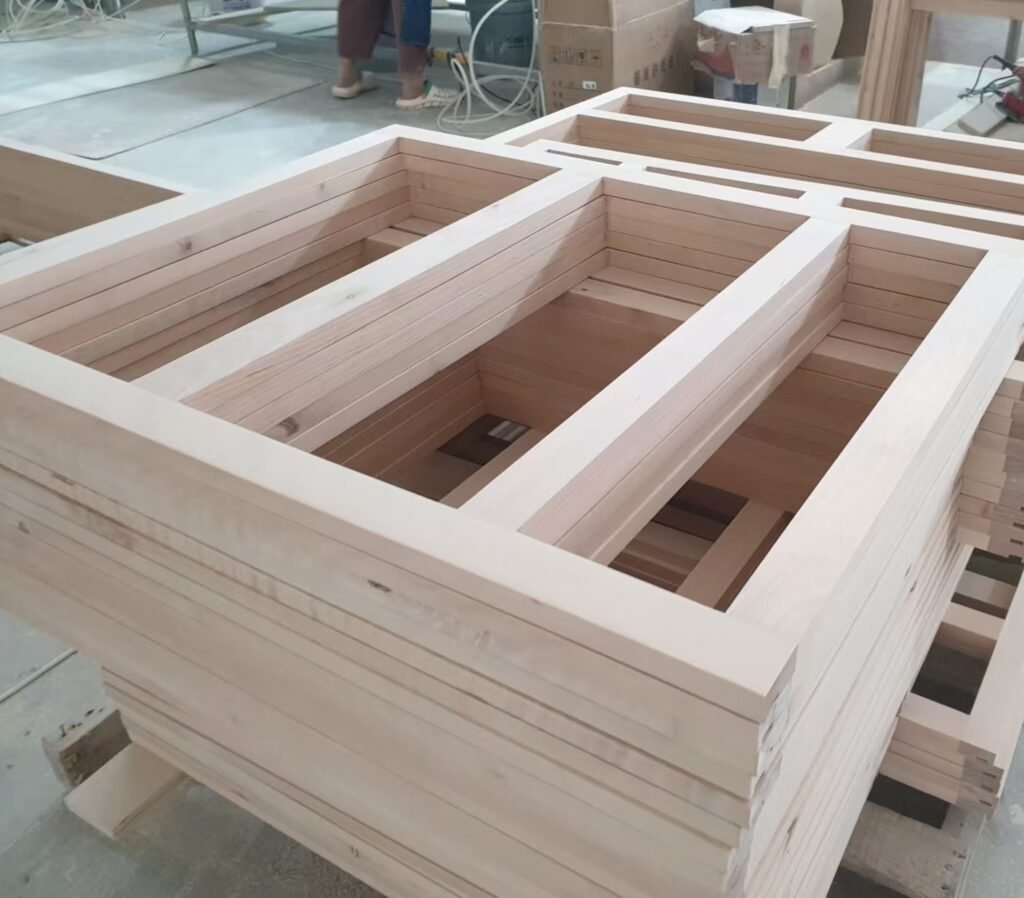
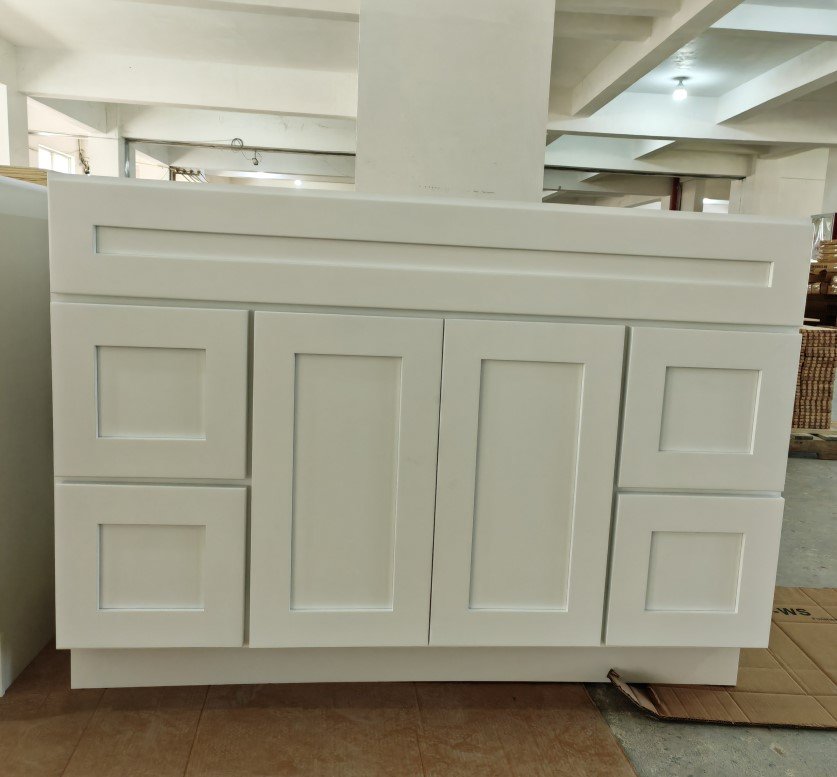
Shaker cabinets use a five-piece door design—a solid frame surrounding a recessed center panel. This creates depth and subtle detail, which is why the Shaker style cabinets meaning is often associated with simplicity, craftsmanship, and durability.
Flat panel cabinets, also known as slab cabinets, consist of a single flat surface with no framing or ornamentation. This results in a clean, seamless look that aligns with modern and minimalist interiors.
From a technical standpoint, Shaker cabinets require more joinery and assembly, while flat panel cabinets are easier to manufacture at scale, which directly affects pricing and production timelines.
Shaker Cabinets vs Flat Panel Cabinets: Key Differences at a Glance
| Feature | Shaker Cabinets | Flat Panel Cabinets |
| Design | Frame + recessed panel | Flat slab surface |
| Style | Classic / transitional | Modern / contemporary |
| Cost | Medium | Lower |
| Maintenance | More grooves to clean | Easy to clean |
| Durability | Strong frame construction | Depends on material |
| Market Demand | Very high | Growing trend |
This comparison highlights why both styles remain competitive in different project segments.
Shaker Cabinets vs Flat Panel Cabinets Pros and Cons
When evaluating Shaker cabinets vs flat panel cabinets pros and cons, it’s important to consider both aesthetics and long-term performance.
Shaker Cabinets
Pros:
- Timeless design with strong resale value
- Works across traditional, transitional, and even modern spaces
- Durable frame construction
Cons:
- Slightly higher cost due to craftsmanship
- Grooves may collect dust and require more maintenance
Flat Panel Cabinets
Pros:
- Cost-effective and efficient for large-scale projects
- Ideal for modern and minimalist designs
- Smooth surface makes cleaning easy
Cons:
- Limited decorative appeal
- May not suit traditional or high-detail interiors
Are Flat Panel Cabinets in Style for Modern Projects?
Yes—flat panel kitchen cabinets are increasingly popular, especially in modern developments.
In many of UWG recent projects, particularly urban apartments and European-inspired homes, flat panel cabinets are preferred for their clean lines and seamless finishes. They also pair well with materials like high-gloss laminates, matte finishes, and handleless systems.
However, their appeal is highly dependent on the target buyer. In markets where buyers prefer warmth and detail, flat panel designs may feel too minimal.
What Is the Most Popular Cabinet Style Right Now?
Despite changing trends, Shaker remains the most widely used cabinet style.
The reason is simple: it sits comfortably between traditional and modern design. When comparing Shaker cabinets vs traditional vs modern, Shaker acts as a safe middle ground that appeals to a broad audience.
From a wholesaler’s perspective, this popularity translates into:
- Faster inventory turnover
- Lower design risk
- Higher acceptance across different project types
Shaker vs Flat Panel Cabinets Cost: What Should Builders Expect?
Cost is often a deciding factor, especially in large-scale developments.
Flat panel cabinets are generally more affordable because they require less labor and simpler manufacturing processes. This makes them ideal for bulk production and tight project budgets.
Shaker cabinets, while slightly more expensive, offer better perceived value. In our experience working with multi-unit housing projects, the small increase in cost can often be justified by improved buyer appeal and resale potential.
How to Choose the Right Cabinet Style for Your Project
Choosing between these two styles depends on more than just appearance.
Based on our project experience across residential and commercial builds, here are a few practical considerations:
- For high-volume or budget-sensitive projects: Flat panel cabinets provide efficiency and cost savings.
- For resale-focused developments: Shaker cabinets are a safer choice due to their broad market appeal.
- For high-end modern properties: Flat panel designs align better with contemporary architecture.
- For mixed-market projects: Slim shaker cabinets offer a hybrid solution, combining clean lines with subtle detail.
It’s also important to evaluate your target demographic. Younger buyers may prefer modern simplicity, while family-oriented markets often lean toward classic designs.
Can You Combine Shaker and Flat Panel Cabinets in One Project?
Yes—and this approach is becoming more common.
Designers are increasingly mixing styles to create contrast and visual interest. For example:
- Upper cabinets in flat panel for a clean look
- Lower cabinets in Shaker for added texture
This hybrid approach allows builders to balance modern aesthetics with traditional warmth, making the space more appealing to a wider audience.
Frequently Asked Questions About Shaker vs. Flat Panel Cabinets
Q: What is the main difference between Shaker and flat panel cabinets? A: The difference lies entirely in the door construction. Shaker cabinets feature a five-piece design consisting of a solid outer frame and a recessed center panel, offering a classic, detailed look with subtle depth. Flat panel cabinets (often called slab cabinets) consist of a single, smooth, unadorned piece of material, delivering a sleek, seamless, and highly modern aesthetic.
Q: Are flat panel cabinets cheaper to buy than Shaker cabinets? A: Generally, yes. Flat panel cabinets are more cost-effective because their single-slab design requires less labor, joinery, and detailing to manufacture. This makes them highly efficient for large-scale, high-volume modern housing developments or budget-sensitive projects. Shaker cabinets cost slightly more due to the craftsmanship and time required to assemble the five-piece frame.
Q: Which cabinet style is easier to maintain and clean? A: Flat panel cabinets are significantly easier to clean. Because they have a completely smooth surface with no decorative framing, there are no crevices or inside corners for dust, cooking grease, or grime to collect. Shaker cabinets require a bit more maintenance, as the inner 90-degree corners where the frame meets the recessed panel tend to accumulate dust over time.
Q: Which cabinet style offers better resale value for a home? A: Shaker cabinets generally offer the safest and strongest resale value across diverse housing markets. Their transitional design successfully bridges the gap between traditional warmth and modern sleekness, appealing to the broadest range of homebuyers. Partnering with a dedicated wholesale supplier like M4B ensures you get premium Shaker or flat panel options that maximize your project’s overall ROI.
Conclusion
Choosing between Shaker cabinets and flat panel cabinets depends on your project goals, budget, and target market. Shaker offers timeless appeal and strong resale value, while flat panel delivers modern simplicity and cost efficiency. Understanding these differences helps you make a smarter, more profitable decision.
Articles that you may be interested in:
Types of Kitchen Cabinets: Shaker, Slab, and Frame Cabinets Explained
Single vs Double Sink Cabinets: Which Is Best for Your Kitchen?