Vinyl windows are one of the most popular choices in residential construction because they offer a strong balance of affordability, energy efficiency, durability, and low maintenance. However, not all vinyl windows function the same way. Different window styles provide different levels of ventilation, energy performance, aesthetics, and cost efficiency.
For builders, selecting the right vinyl window style is just as important as choosing the right frame material. Understanding the strengths and limitations of each option can help improve project performance, homeowner satisfaction, and long-term value.
What Are Vinyl Windows?
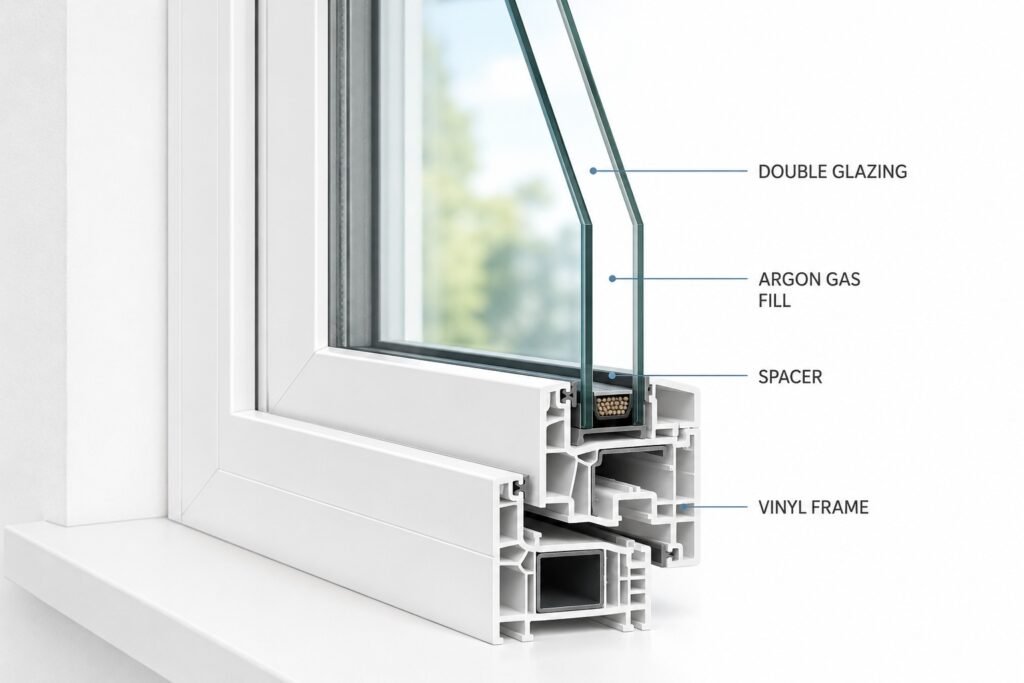
Vinyl windows are windows manufactured primarily from polyvinyl chloride (PVC), a durable and weather-resistant material widely used in modern construction.
Compared with traditional wood or aluminum windows, vinyl windows offer several advantages:
- Lower maintenance requirements
- Better resistance to moisture and rot
- Strong thermal performance
- Competitive pricing
- Long service life
According to data published by the U.S. Department of Energy, properly selected energy-efficient windows can significantly reduce heating and cooling costs in residential buildings. Vinyl windows have become particularly popular because they provide a strong balance between performance and affordability.
For builders, vinyl windows are often the preferred choice in:
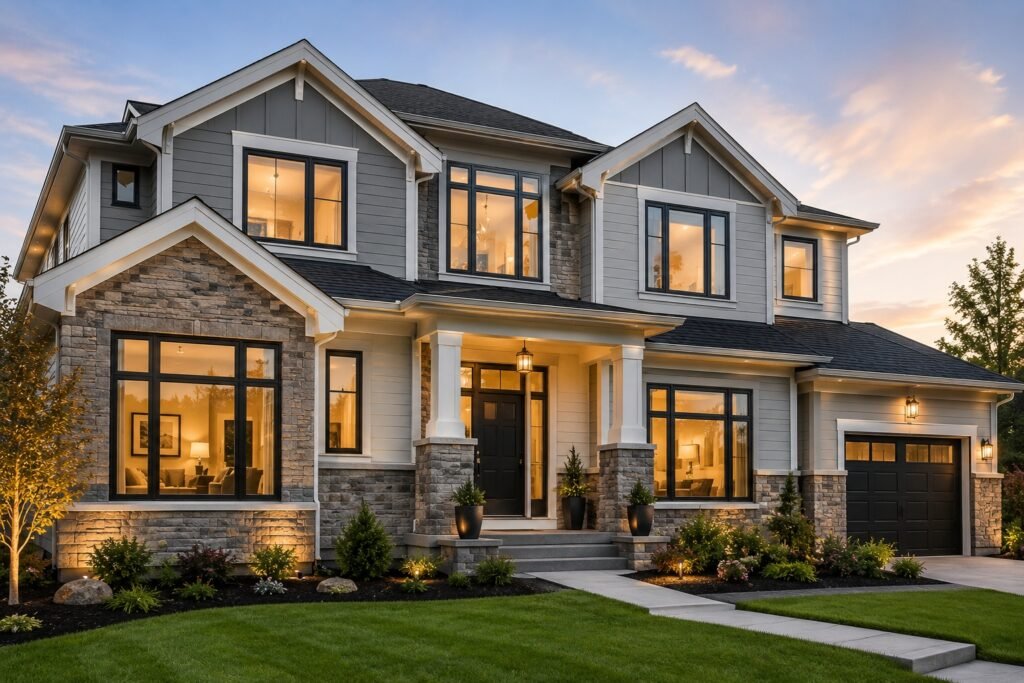
- Single-family housing developments
- Multifamily projects
- Build-to-Rent communities
- Residential renovations
- Affordable housing programs
Why Window Style Matters
Many builders focus on frame material, glazing options, and energy ratings. However, window style can be equally important.
The window style affects:
- Ventilation performance
- Natural light
- Exterior appearance
- Installation cost
- Energy efficiency
- Homeowner usability
The same vinyl frame material can perform very differently depending on the window configuration selected.
Common Types of Vinyl Windows
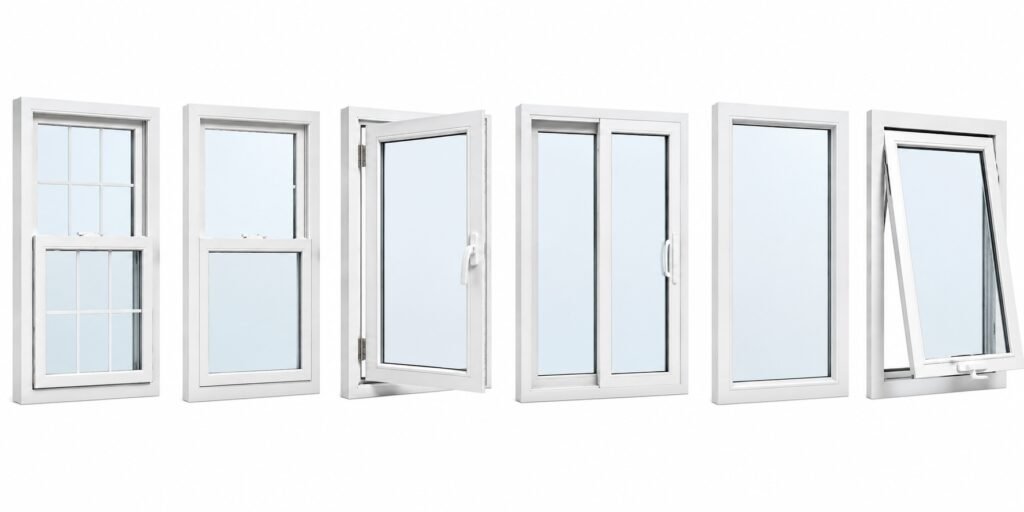
1. Double-Hung Vinyl Windows
Double-hung windows remain one of the most widely used window styles in North America.
They feature two operable sashes that slide vertically.
Advantages
- Traditional appearance
- Easy cleaning from inside
- Flexible ventilation
- Suitable for most residential projects
Disadvantages
- More moving components
- Slightly lower air-tightness than casement windows
Best Applications
- Single-family homes
- Townhouses
- Traditional architectural styles
- Residential replacement projects
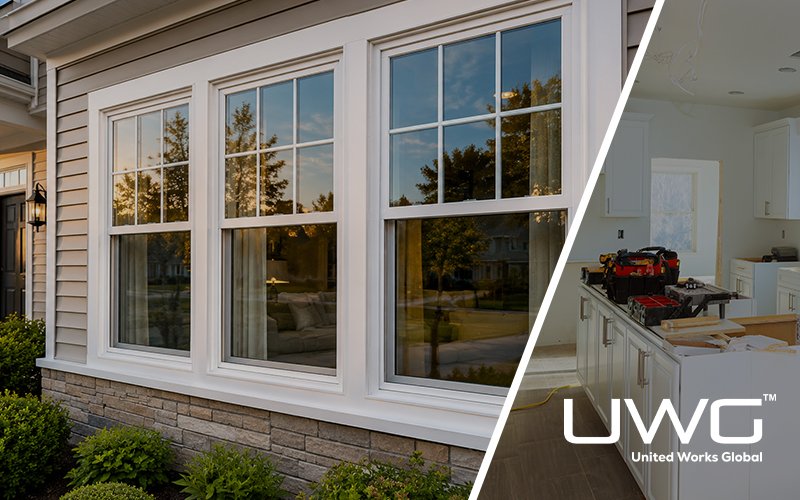
Double-hung windows continue to be one of the most commonly specified options because they provide a strong balance of performance, aesthetics, and homeowner familiarity.
2. Single-Hung Vinyl Windows
Single-hung windows look similar to double-hung windows, but only the bottom sash operates.
Advantages
- Lower cost
- Simple operation
- Reduced maintenance
Disadvantages
- Less ventilation
- More difficult exterior cleaning
Best Applications
- Budget-conscious housing
- Multifamily developments
- Production homes
For builders focused on cost efficiency, single-hung windows often provide meaningful savings across large projects.
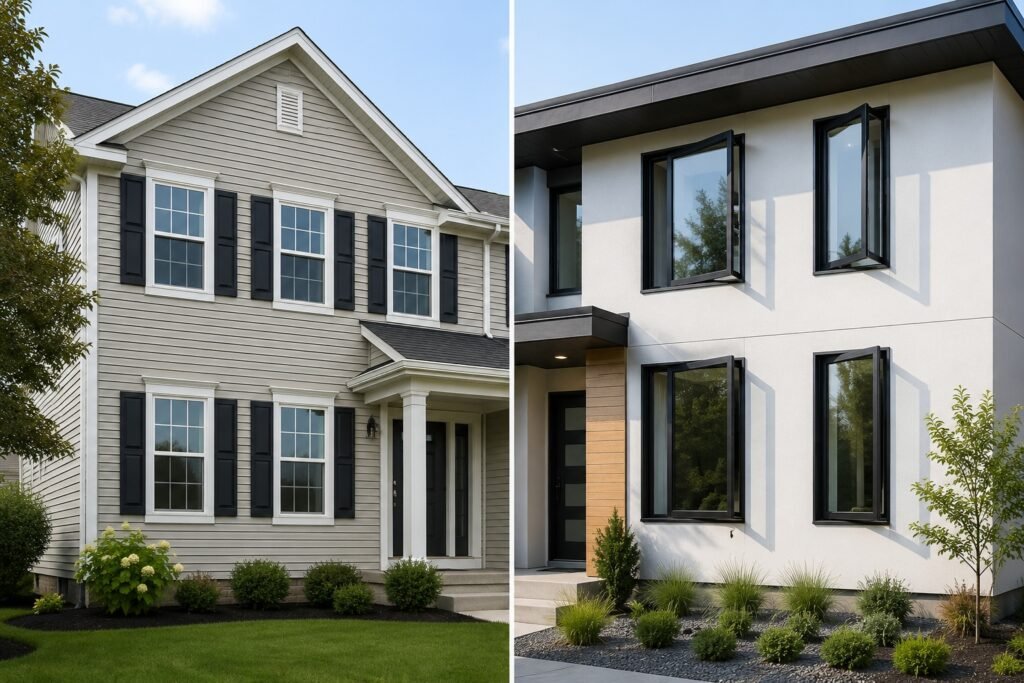
3. Casement Vinyl Windows
Casement windows are hinged on the side and open outward using a crank mechanism.
Advantages
- Excellent ventilation
- Superior air sealing
- Strong energy performance
- Modern appearance
Disadvantages
- Higher hardware costs
- Requires exterior clearance
Best Applications
- Energy-efficient homes
- Modern residential projects
- Areas requiring maximum airflow
According to ENERGY STAR recommendations, well-sealed window systems can contribute significantly to building energy performance. Casement windows often outperform sliding or hung windows in air infiltration testing.
4. Sliding Vinyl Windows
Sliding windows operate horizontally rather than vertically.
Advantages
- Easy operation
- Cost-effective
- Ideal for wide openings
- Fewer mechanical components
Disadvantages
- Limited opening area
- Tracks require cleaning
Best Applications
- Ranch-style homes
- Apartments
- Contemporary housing
Builders often select sliding windows when large openings are needed without significantly increasing project costs.
5. Picture Vinyl Windows
Picture windows are fixed windows that do not open.
Advantages
- Maximum natural light
- Excellent views
- High energy efficiency
- Lower maintenance
Disadvantages
- No ventilation
Best Applications
- Living rooms
- Scenic locations
- Contemporary architecture
Many builders combine picture windows with operable casement or double-hung windows to balance views and ventilation.
6. Awning Vinyl Windows
Awning windows are hinged at the top and open outward from the bottom.
Advantages
- Ventilation during light rain
- Excellent weather protection
- Good energy performance
Disadvantages
- Smaller opening size
- Limited emergency egress capability
Best Applications
- Bathrooms
- Basements
- Kitchens
- Humid climates
7. Specialty Shape Vinyl Windows
These include:
- Arched windows
- Round windows
- Octagon windows
- Geometric custom shapes
Advantages
- Architectural distinction
- Increased curb appeal
- Custom design flexibility
Disadvantages
- Higher cost
- Longer lead times
Best Applications
- Custom homes
- Luxury residences
- Feature walls
Vinyl Window Style Comparison
| Window Type | Ventilation | Energy Efficiency | Cost | Maintenance | Best For |
|---|---|---|---|---|---|
| Double-Hung | Good | Good | Medium | Medium | Traditional homes |
| Single-Hung | Moderate | Good | Low | Low | Budget housing |
| Casement | Excellent | Excellent | Medium-High | Medium | Energy-efficient homes |
| Sliding | Good | Moderate | Low-Medium | Low | Wide openings |
| Picture | None | Excellent | Medium | Very Low | Views & daylight |
| Awning | Good | Excellent | Medium | Low | Bathrooms & kitchens |
| Specialty | Varies | Varies | High | Medium | Custom homes |
Understanding Energy Performance
Energy efficiency has become one of the most important factors in window selection.
Builders should evaluate:
U-Factor
Measures heat transfer.
Lower numbers indicate better insulation.
Solar Heat Gain Coefficient (SHGC)
Measures solar heat entering through glass.
Lower SHGC values help reduce cooling loads in warmer climates.
Air Leakage Rating
Measures the amount of air passing through the window assembly.
Casement and awning windows typically achieve lower air leakage rates than sliding or hung windows.
When comparing vinyl window styles, energy performance should be considered alongside appearance and budget.
Frequently Asked Questions About Vinyl Window Types
Q: What is the difference between single-hung and double-hung vinyl windows?
A: In a single-hung window, only the bottom sash moves vertically, while the top sash remains fixed. In a double-hung window, both the top and bottom sashes are operable, allowing both to slide for increased ventilation and easier cleaning from inside the building.
Q: Why choose casement windows over traditional hung styles?
A: Casement windows are hinged on the side and swing outward, providing superior ventilation because the entire window opening can be utilized. They are ideal for hard-to-reach locations like above kitchen sinks and provide an exceptionally tight air-seal when closed.
Q: How does window style selection impact the overall cost of a building project?
A: Window style significantly impacts budget. Simple configurations like single-hung windows have fewer moving parts and are generally more cost-effective for large-scale projects, whereas styles with more complex mechanisms, such as double-hung or casement, require a higher investment.
Q: What should builders consider regarding ventilation requirements?
A: If a project requires high levels of natural airflow, double-hung or casement windows are preferred because they offer more open surface area compared to single-hung models. Builders should evaluate the intended use of each room—such as kitchens or living areas—to determine the optimal ventilation strategy.
Conclusion
There is no single “best” type of vinyl window for every project. The ideal choice depends on the building design, budget, energy goals, ventilation requirements, and homeowner expectations.
For most residential projects, double-hung windows remain the most versatile and widely accepted solution. However, casement windows often deliver the best energy performance, sliding windows offer excellent value for large openings, and picture windows maximize daylight and views.
By understanding the strengths and limitations of each vinyl window style, builders can make more informed decisions that improve project performance, enhance curb appeal, and deliver better long-term value for homeowners.
Articles that you may be interested in:
What Are Casement Windows? Pros, Cons, and Benefits Explained