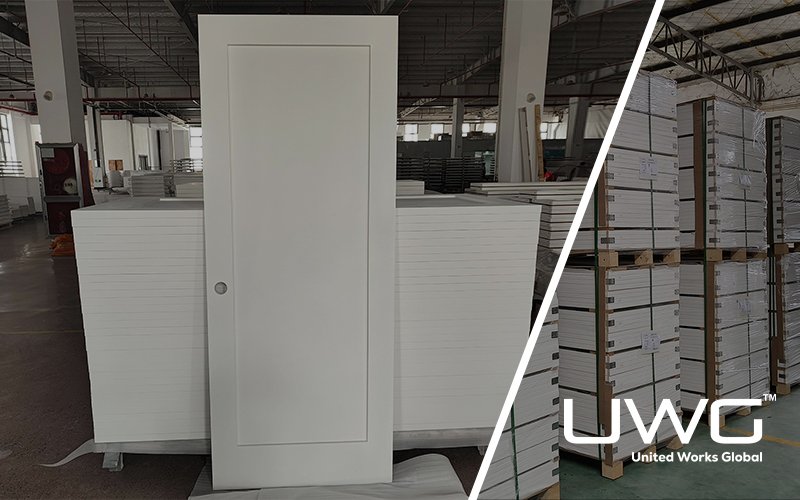
Shipping doors in bulk is not as simple as loading products into a container. Builders and importers often face high freight costs, damaged products, wasted container space, and installation delays. Choosing the right door packaging method can directly affect project timelines and profit margins.
For bulk shipping projects, slab door packaging is usually more cost-effective because it saves container space and reduces freight costs. However, prehung door packaging can reduce on-site labor and improve installation consistency. The better option depends on whether builders prioritize shipping efficiency or installation speed.
For large construction projects, understanding the differences between prehung and slab door packaging helps builders optimize logistics, labor planning, and overall project costs.
What Is the Difference Between Prehung and Slab Doors?
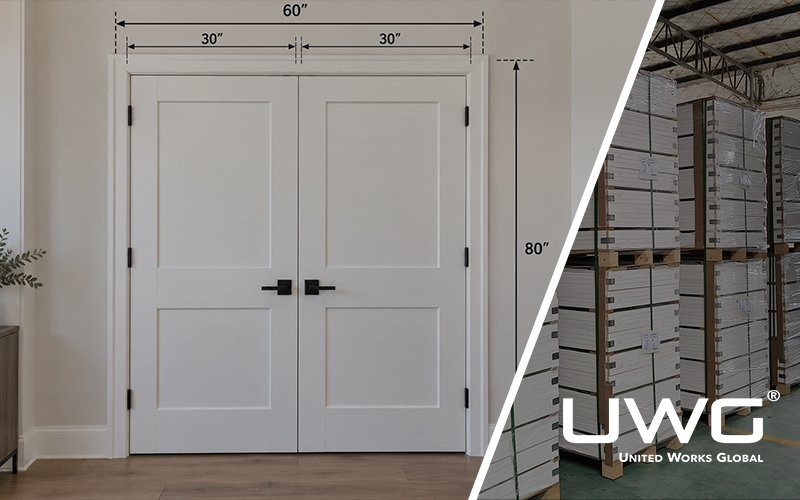
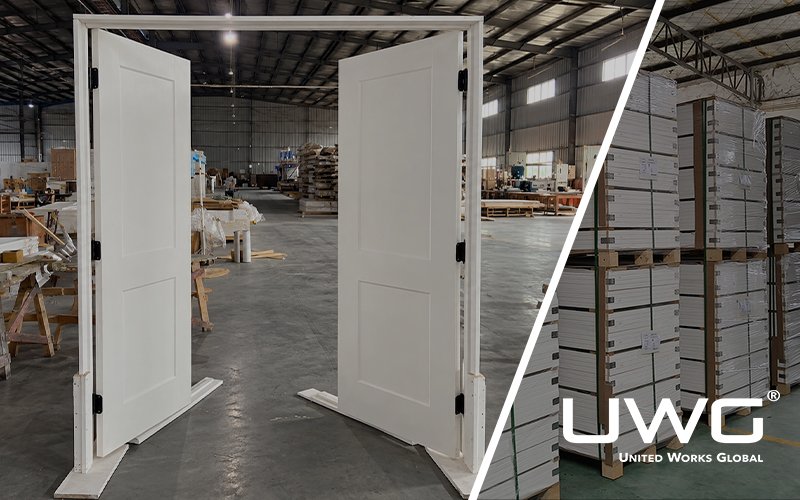
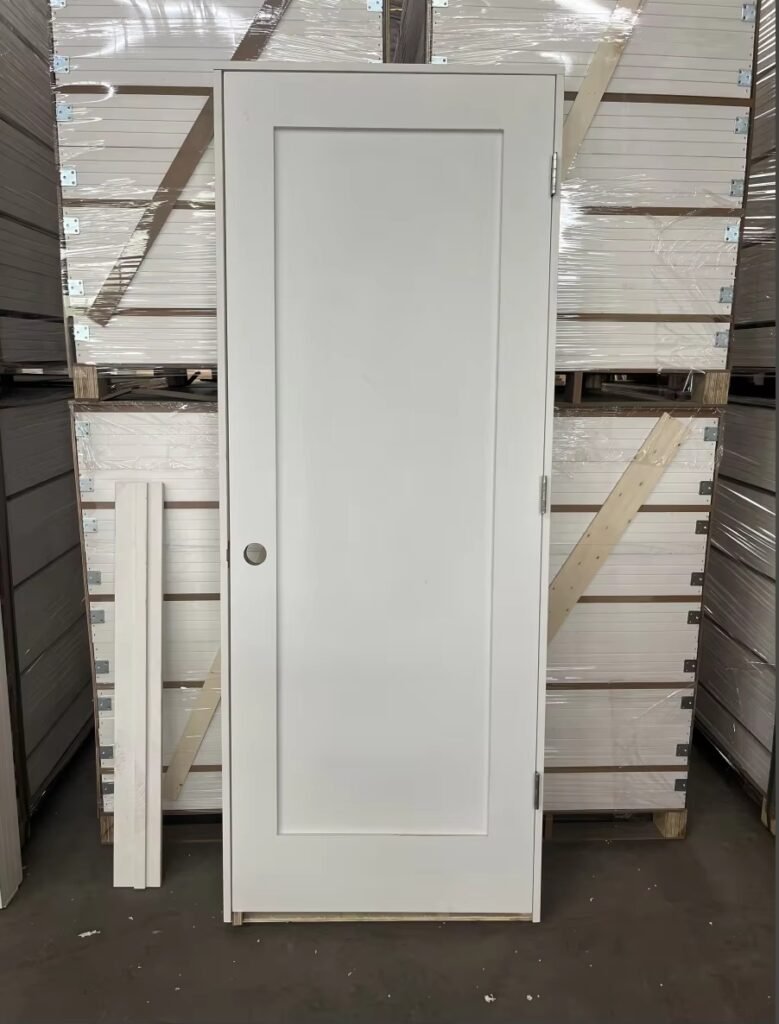
A prehung door comes as a complete unit. It includes:
- Door slab
- Frame
- Hinges
- Sometimes locks and hardware
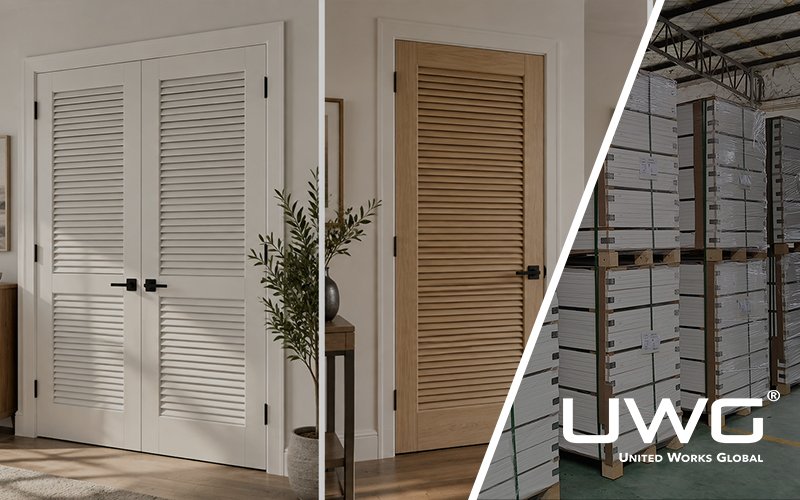
A slab door is only the door panel itself. Builders install the frame and hardware separately on-site.
This difference significantly affects packaging size, stacking methods, and container loading efficiency during export shipping.
| Feature | Prehung Door | Slab Door |
|---|---|---|
| Includes Frame | Yes | No |
| Shipping Volume | Larger | Smaller |
| Installation Time | Faster | Slower |
| Freight Cost | Higher | Lower |
| Container Capacity | Lower | Higher |
| Flexibility | Limited | More Flexible |
Why Slab Door Packaging Saves More Shipping Space
For international bulk shipping, container utilization is one of the biggest cost factors.
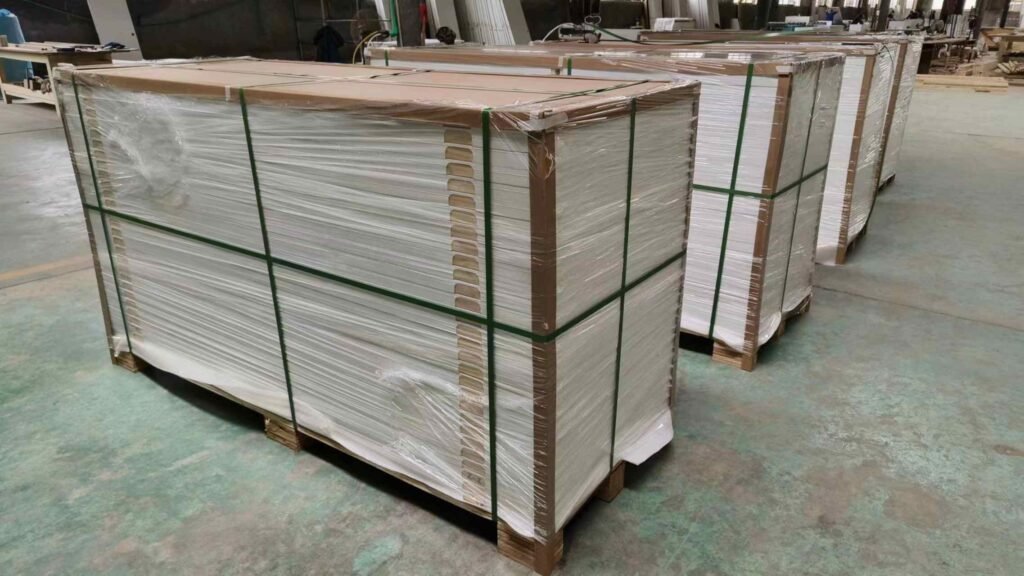
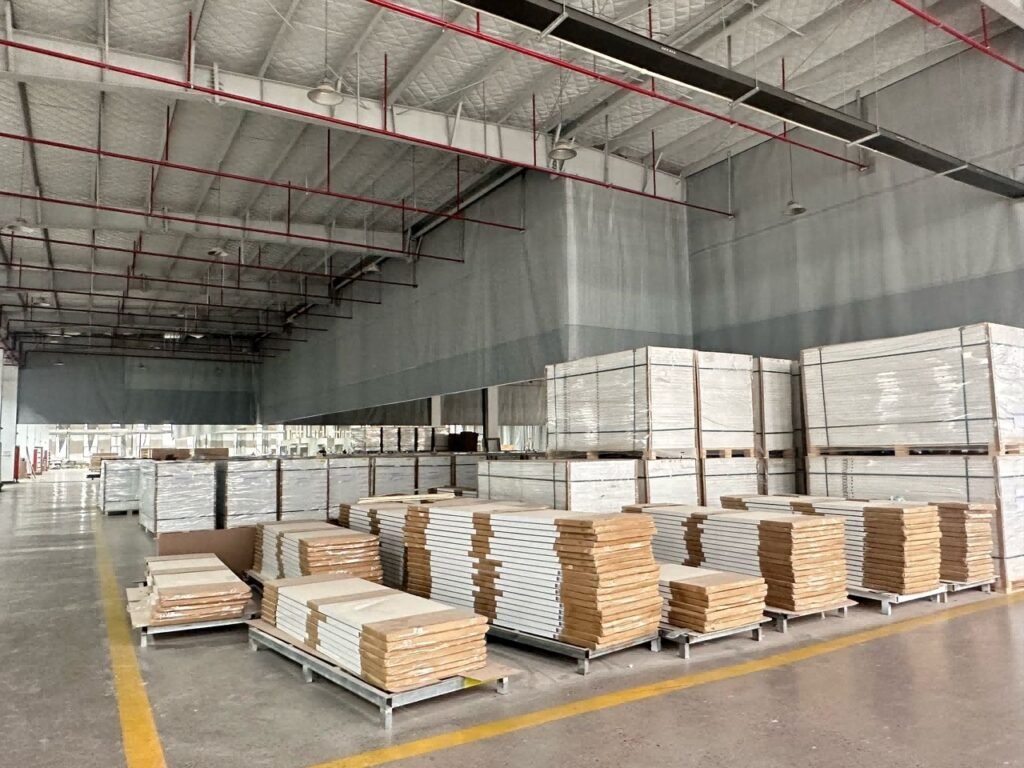
Because slab doors do not include frames, suppliers can stack more units vertically and horizontally inside containers. This improves pallet density and reduces wasted air space.
In many export projects, slab door packaging allows builders to load:
- More units per container
- Lower shipping cost per door
- Reduced warehouse storage requirements
For example, some suppliers report that slab door packaging can increase container loading efficiency by 30% to 50% compared to prehung units.
This is especially important when shipping to:
- Large residential developments
- Apartment projects
- Hotels
- Commercial buildings
Builders managing high-volume imports often prefer slab door packaging for this reason.
How Prehung Door Units Reduce On-Site Installation Time
Although prehung doors require more shipping space, they can reduce labor costs on construction sites.
Since the frame and hinges are already aligned at the factory, installers spend less time adjusting door gaps and positioning hardware.
This can help builders:
- Speed up installation schedules
- Reduce skilled labor requirements
- Improve installation consistency
For projects with labor shortages or tight deadlines, prehung door units may offset higher freight costs through faster installation.
Some contractors also prefer prehung systems because they reduce alignment issues during large-scale installations.
Container Loading Comparison: Which Maximizes Capacity?
From a logistics perspective, slab door packaging is usually easier to optimize.
Slab Door Packaging Advantages
- Flat stacking design
- Higher pallet density
- Easier container balancing
- Lower risk of unused space
Prehung Door Packaging Challenges
- Irregular dimensions
- Larger packaging footprint
- More protective materials required
- Lower stacking efficiency
For example, a 40HQ container may fit significantly more slab doors than prehung door units because frames create dead space between products.
This directly affects:
- Ocean freight costs
- Inland transportation costs
- Warehouse handling efficiency
For builders importing thousands of doors, these savings become substantial.
Which Packaging Type Has Lower Damage Risk During Export?
Damage prevention is another critical factor in bulk shipping.
Prehung door packaging often provides better structural stability because the frame supports the door during transportation. However, the larger size also increases handling complexity.
Slab doors are lighter and easier to move, but they require proper edge protection and pallet stabilization.
Most professional suppliers use:
- Foam corner protection
- Stretch wrapping
- Honeycomb cardboard
- Wooden pallets
- Moisture-resistant packaging
Proper export packaging matters more than the door type itself.
Builders should always request packaging test standards and shipping photos from suppliers before placing large orders.
Cost Breakdown for Builders and Importers
When evaluating prehung vs slab door packaging bulk shipping cost, builders should consider more than unit price.
Slab Door Costs
- Lower freight cost
- Lower storage cost
- Higher installation labor
Prehung Door Costs
- Higher shipping cost
- Higher packaging cost
- Lower installation labor
The better option depends on project priorities.
For high-rise developments or large residential projects, slab doors often provide better overall logistics efficiency.
For custom homes or projects with limited labor availability, prehung doors may deliver better operational value.
What Door Suppliers Recommend for Large Construction Projects
Many door manufacturers recommend slab door packaging for large export projects because it improves shipping efficiency and lowers overall logistics costs.
However, experienced suppliers also suggest using prehung door units in situations where:
- Installation speed is critical
- Labor costs are high
- Quality consistency is a priority
- Builders want turnkey installation solutions
Some projects even combine both methods:
- Slab doors for interior applications
- Prehung doors for exterior entries
This hybrid strategy helps builders balance freight savings and installation efficiency.

When Should Builders Choose Prehung Doors Instead?
Despite higher shipping costs, prehung doors remain a strong option for:
- Modular construction
- Prefabricated housing
- Luxury residential projects
- Tight construction schedules
In these cases, reducing on-site labor can be more valuable than maximizing container space.
Builders should evaluate:
- Total project timeline
- Labor availability
- Shipping distance
- Installation complexity
- Warehouse capacity
before choosing a packaging strategy.
Frequently Asked Questions About Bulk Door Shipping
Q: What is the primary difference in shipping volume between prehung doors and slab doors?
A: Slab doors are significantly more space-efficient because they can be stacked flat and tightly, allowing for a higher quantity of units per container. Prehung doors, which include the door slab already mounted within the door frame, occupy substantially more volume and require more complex protective crating to prevent frame damage during transit.
Q: Which packaging method offers better protection against transit damage?
A: Prehung doors require specialized, robust protective crating because the frame assembly is highly susceptible to warping or corner damage if subjected to crushing forces. Slab doors are easier to protect; they are typically stacked with foam separators and corner guards, providing a more stable and less vulnerable configuration for long-haul shipping.
Q: Why might a project choose slab door packaging despite the additional on-site assembly required?
A: Slab door packaging is often preferred for bulk shipping due to its lower freight costs and significantly reduced shipping footprint. While this requires on-site installation of the frame and door, the savings on international logistics and the reduced risk of frame deformation during transit can make it a more cost-effective choice for large-scale project requirements.
Q: Under what circumstances is prehung door packaging recommended for bulk orders?
A: Prehung door packaging is recommended when the project schedule demands rapid installation speed on-site. By receiving the door already hung in its frame, contractors eliminate the need for measuring and mounting frames, which can save substantial labor hours on projects where installation efficiency is the highest priority.
Conclusion
For bulk shipping projects, slab door packaging is usually the better choice because it saves container space, increases loading efficiency, and reduces freight costs. However, prehung door packaging is more suitable when builders need faster installation, better consistency, and lower on-site labor requirements. The best option depends on the project’s priorities, budget, labor availability, and construction schedule.
Articles that you may be interested in:
How to Install a 30 x 80 Interior Door with Frame (Prehung Door Guide)
Builder Guide: When to Use Prehung Doors in Renovation or New Construction