
Ordering doors may seem straightforward, but even small mistakes during the purchasing process can lead to project delays, unexpected costs, and installation issues. In residential and multifamily construction, doors are often ordered alongside other critical building materials, which means any error can affect schedules across multiple trades.
Many door-related delays are caused by avoidable issues such as incorrect measurements, incomplete specifications, unrealistic lead time expectations, or overlooked installation requirements. Taking the time to plan and verify key details before placing an order can help keep projects on schedule and reduce costly rework.
From our experience working with builders and distributors, the most common problems are not usually related to the door itself, but rather to missing information during the ordering process. Understanding these common mistakes—and how to prevent them—can help ensure a smoother procurement process and a more successful project outcome.
Common Door Ordering Problems and Solutions
Mistake 1: Incorrect Door Measurements
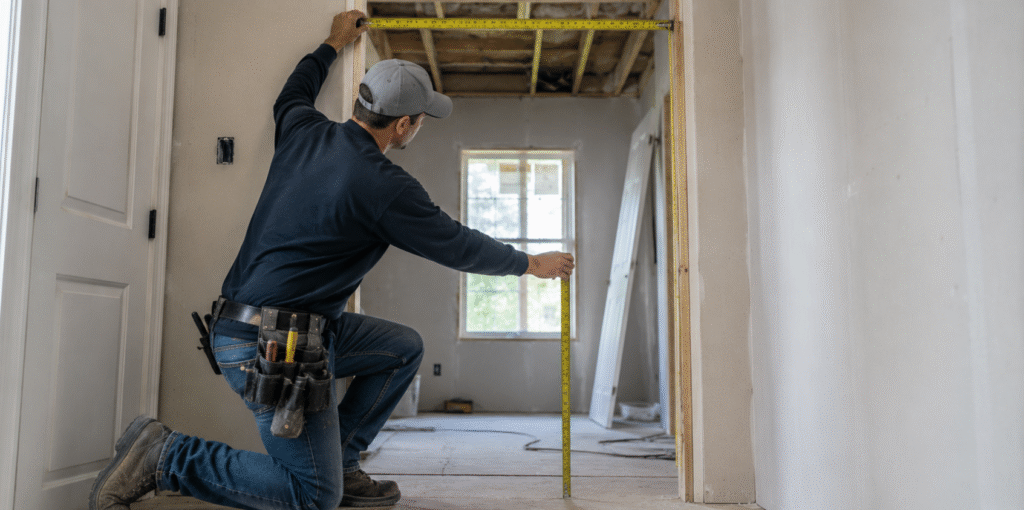
Incorrect measurements are one of the most common reasons for door order revisions, installation delays, and unexpected project costs. Even a small error can result in doors that do not fit properly, requiring modifications, replacements, or additional labor on-site.
Common measurement mistakes include:
- Confusing the door size with the rough opening size
- Failing to verify the jamb depth based on wall thickness
- Measuring existing doors instead of the actual opening
- Overlooking floor finish changes that affect final door height
From our experience working with builders, measurement-related issues are often discovered only after production has started or when materials arrive on-site, making corrections both time-consuming and expensive.
To avoid these problems, always verify key dimensions before placing an order:
| Measurement Item | Why It Matters |
|---|---|
| Door Width & Height | Ensures the correct door size is ordered |
| Rough Opening | Confirms the door system will fit properly |
| Jamb Depth | Matches the wall thickness and trim details |
| Handing & Swing Direction | Prevents installation and functionality issues |
Taking the time to confirm measurements early can help prevent costly delays and keep the project moving smoothly.
Mistake 2: Choosing the Wrong Door Construction
Not all doors are built the same, and selecting the wrong construction can lead to performance issues, unnecessary costs, or customer dissatisfaction after installation.
A common mistake is choosing a door based solely on appearance without considering how it will be used. For example, a hollow core door may be sufficient for closets or low-traffic areas, but it may not provide the durability or sound control needed for bedrooms, offices, or multifamily projects. Similarly, selecting the wrong exterior door material can result in higher maintenance requirements or reduced long-term performance.
Common considerations include:
- Hollow Core vs. Solid Core – Cost, durability, and sound insulation
- Shaker vs. Molded Doors – Construction method and design preference
- Fiberglass vs. Steel vs. Wood Exterior Doors – Climate suitability, maintenance, and budget
- Fire-Rated Requirements – Compliance with local building codes when applicable
Door construction is often one of the most overlooked specifications during the quoting stage. A door that appears suitable on paper may not be the best fit once factors such as traffic levels, noise control, or environmental conditions are considered.
To avoid this mistake, define the project’s performance requirements before selecting a door. Reviewing factors such as durability, sound insulation, maintenance expectations, and budget early in the process can help ensure the right construction is specified from the start.
Mistake 3: Forgetting Hardware and Accessories
Doors are only one part of the overall door package. Another common mistake is focusing on the door itself while overlooking the hardware and accessories required for installation and functionality.
Commonly missed items include:
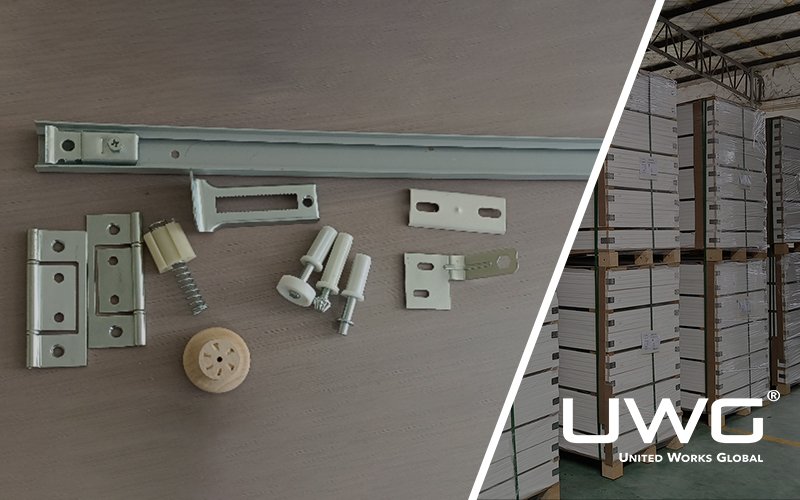
Hinges;
Locks and handles;
Door stops; Jamb kits;
Casing and trim;
Weather stripping (for exterior doors);
Thresholds and sweeps
Missing hardware is one of the most preventable causes of project delays. In many cases, the doors arrive on-site as scheduled, but installation cannot proceed because a critical component was not included in the original order.
To avoid this issue, review the complete door package during the quotation stage rather than ordering components separately at the last minute. A detailed door schedule that includes hardware requirements, finish preferences, and accessory specifications can help ensure everything arrives together and is ready for installation. This not only reduces delays but also helps maintain consistency across the project.

Mistake 4: Underestimating Lead Times
One of the most common planning mistakes is assuming that doors can be ordered and delivered within a short timeframe. While some standard products may be available from stock, many project-specific doors require time for production, quality inspections, packaging, and transportation before they can reach the job site.
Lead time issues often occur when door specifications are finalized too late in the construction process. This is especially true for custom sizes, specialty finishes, fire-rated doors, or projects that require multiple product categories to be shipped together. As a result, materials may arrive later than expected, creating scheduling conflicts for installers and other trades.
To avoid this issue, confirm production and delivery schedules with your supplier as early as possible and build realistic lead times into the project plan. It is also wise to allow for some contingency time in case specifications change, production capacity fluctuates, or transportation schedules are affected. Early planning can significantly reduce the risk of delays and help keep the project on track.
Mistake 5: Ignoring Shipping and Delivery Planning
Even when the right doors are ordered and produced on time, poor shipping and delivery planning can still create costly project delays. Many buyers focus on product specifications but overlook important logistics details until the materials are ready to ship.
Common issues include unclear delivery addresses, limited unloading capabilities, insufficient on-site storage space, or selecting shipping terms that do not match the project’s needs.
For imported products, transportation time, customs clearance, and local delivery arrangements can also impact the overall schedule.
Delays related to logistics are often difficult to solve at the last minute because they involve coordination between suppliers, freight providers, and job sites. A door package that arrives at the wrong location or cannot be unloaded immediately can disrupt installation schedules and create additional handling costs.
To avoid these problems, confirm delivery requirements early in the purchasing process. Make sure the supplier understands the delivery address, site conditions, unloading equipment availability, and preferred shipping terms. Whether using FOB, DDP, or another arrangement, clear communication and early planning can help ensure materials arrive on time and are ready for installation when needed.
Practical Checklist Before Ordering
Before placing a door order, take a few minutes to verify the key project details. A simple checklist can help prevent specification errors, delivery delays, and installation issues later in the process.
| Item | Confirmed |
|---|---|
| Door Width & Height | □ |
| Rough Opening Dimensions | □ |
| Jamb Depth | □ |
| Door Style & Construction | □ |
| Handing & Swing Direction | □ |
| Slab or Prehung Configuration | □ |
| Hardware Requirements | □ |
| Fire-Rated or Special Requirements | □ |
| Finish Type (Primed, Painted, Stained) | □ |
| Delivery Address & Site Conditions | □ |
| Lead Time & Installation Schedule | □ |
Reviewing these items before requesting a quote or placing an order can significantly reduce the risk of revisions, delays, and unexpected costs. The more complete the information provided upfront, the smoother the procurement and installation process will be.
Frequently Asked Questions About Avoiding Door Ordering Delays
Q: What is the most common mistake when measuring for door orders?
A: The most frequent error is failing to account for the difference between the “rough opening” size and the actual door unit size. Builders must ensure that measurements include adequate clearance for shimming and leveling, or the door units will not fit correctly into the framed openings.
Q: Why is it critical to finalize hardware specifications before placing a bulk order?
A: Door hardware, such as hinges, handles, and locks, must be compatible with the door’s thickness and bore pattern. Ordering doors without confirming these specifications often leads to “field modifications,” which waste labor hours, compromise the finish, and can void manufacturer warranties.
Q: How does inconsistent swing-direction labeling affect project timelines?
A: Inconsistent or incorrect swing-direction labeling leads to the delivery of “handed” doors that do not align with architectural plans. This requires expensive and time-consuming site adjustments or full replacements, which are the primary drivers of interior finish delays in large-scale projects.
Q: How can builders better manage the delivery timeline to avoid site disruptions?
A: Builders should coordinate lead times with suppliers by establishing a clear procurement schedule that aligns with the project’s installation phases. Ordering all doors at once, with a specific focus on inspection and staging upon arrival, prevents the common issue of missing a single unit that halts the installation progress for an entire floor or unit.
Summary
In many projects, successful procurement is less about the product itself and more about planning and communication. Taking the time to verify key details upfront helps ensure the right materials arrive at the right place, at the right time, and ready for installation.
We regularly work with builders and distributors on door packages for residential and multifamily projects, often helping coordinate specifications across doors, mouldings, windows, and other related products. When project requirements are clearly defined from the beginning, the ordering process becomes more efficient and the likelihood of costly delays is greatly reduced.
Articles that you may be interested in:
Matching Style Trends with Functional Needs in Large-Scale Projects
When Should Builders Use Molded Doors or Shaker Doors in Budget Projects?