Choosing flooring for a new project is no longer just about appearance. Builders today must balance cost, installation efficiency, moisture resistance, durability, and long-term maintenance. SPC flooring and laminate flooring are two of the most common choices, but each performs very differently once installed.
SPC flooring and laminate flooring differ most in waterproof performance, structural stability, installation requirements, long-term maintenance cost, and suitability for different building projects. While laminate flooring offers a lower upfront investment and a more traditional wood-like feel, SPC flooring is increasingly preferred by builders for projects that require stronger moisture resistance, higher durability, and lower post-installation maintenance risk.
Many developers now compare not only material prices, but also lifecycle cost, installation risk, and customer satisfaction after handover.
What Is SPC Flooring?
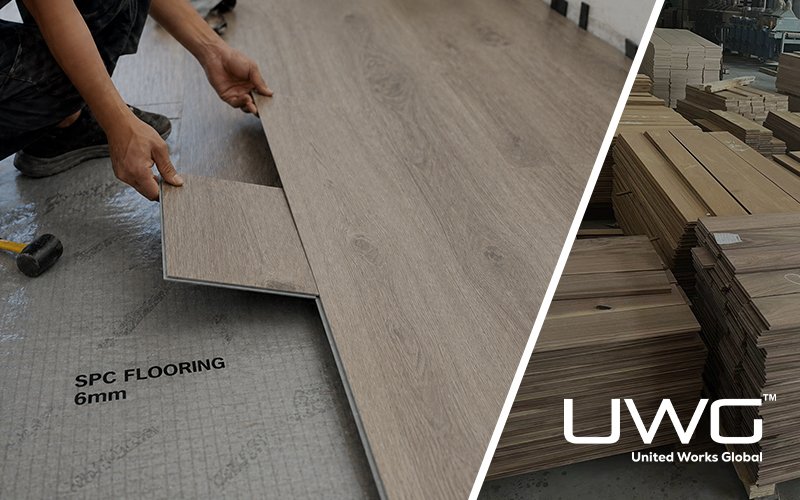
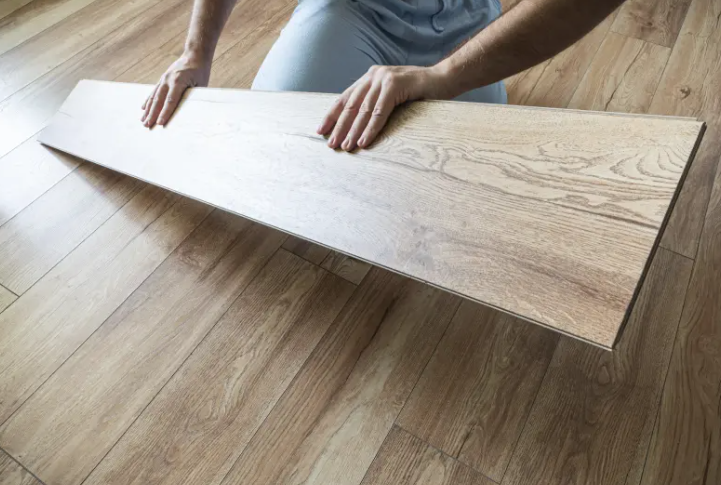
SPC stands for Stone Plastic Composite. It is a rigid core vinyl flooring made from limestone powder and stabilizers. Unlike traditional laminate, SPC is fully waterproof and highly dimensionally stable.
A typical SPC plank contains:
- UV coating
- Wear layer
- Printed vinyl layer
- Rigid SPC core
- Underlayment backing
Because of its rigid structure, SPC flooring performs well in humid environments and areas with temperature fluctuations.
What Is Laminate Flooring?
Laminate flooring is made primarily from high-density fiberboard (HDF) with a photographic wood-look layer on top.
Its layered structure usually includes:
- Protective wear layer
- Decorative paper layer
- HDF core board
- Balancing layer
Laminate flooring is popular because it is affordable and visually similar to real hardwood. However, the core material is wood-based, meaning excessive moisture can still cause swelling or warping over time.
SPC vs Laminate Flooring Comparison Table
| Feature | SPC Flooring | Laminate Flooring |
|---|---|---|
| Waterproof Performance | Excellent | Limited |
| Core Material | Stone-plastic composite | HDF wood fiber |
| Dimensional Stability | Very high | Moderate |
| Cost | Medium | Lower upfront cost |
| Installation | Easy click-lock | Easy click-lock |
| Scratch Resistance | High | Moderate to high |
| Sound Insulation | Moderate | Better underfoot feel |
| Moisture Resistance | Suitable for kitchens/bathrooms | Better for dry areas |
| Lifespan | 15–25 years | 10–15 years |
| Maintenance | Low | Moderate |
| Commercial Use | Strong suitability | Limited heavy-use performance |
Why Waterproof Performance Matters More Than Ever
For builders, moisture-related flooring failure can become a costly post-installation issue. This is one reason SPC flooring has grown rapidly in multifamily and commercial projects.
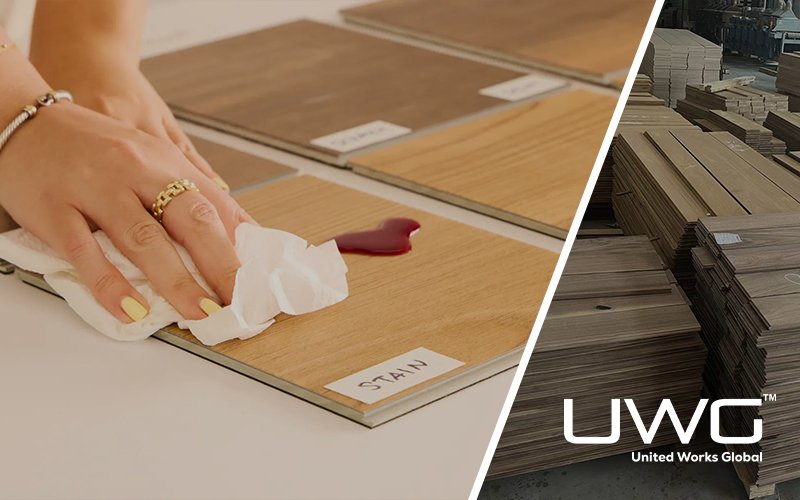
The rigid SPC core does not absorb water easily. Even in kitchens, bathrooms, or ground-floor units, the material remains relatively stable.
Laminate flooring has improved significantly in recent years, but the HDF core can still expand when exposed to standing water over time. In projects where humidity control is uncertain, this may increase future maintenance risk.
This is especially important in:
- Rental apartments
- Coastal developments
- High-humidity regions
- Family homes with pets or children
Cost Comparison: Initial Budget vs Long-Term Value
One reason laminate flooring remains popular is price.
At first glance, laminate appears more budget-friendly. However, builders increasingly evaluate total ownership cost instead of material price alone.
SPC flooring may reduce:
- Replacement frequency
- Water-damage claims
- Warranty issues
- Maintenance costs
- Tenant complaints
For large-scale residential developments, fewer callbacks after handover can significantly improve project profitability.
For example, several projects using UWG-treated SPC flooring in humid coastal environments reported lower rates of edge swelling and fewer flooring-related repair requests during the first few years after installation. Compared with conventional laminate systems installed in similar high-moisture conditions, the SPC floors maintained better dimensional stability and required less replacement work over time.
In one mid-rise residential development, builders initially selected laminate flooring to reduce upfront cost. However, recurring moisture-related complaints in kitchen and entrance areas increased maintenance expenses within two years. Later project phases switched to UWG-treated SPC flooring, which helped reduce flooring callbacks and improved long-term maintenance performance.
Key Differences Between SPC and Laminate Flooring
Commercial durability is becoming increasingly important for developers.
SPC flooring generally performs better under:
- Heavy furniture
- Rolling loads
- High foot traffic
- Retail environments
- Multifamily housing
Its rigid core helps minimize movement and indentation. However, dragging furniture directly across the surface can still damage the wear layer.
Laminate flooring can also be durable, especially AC4 or AC5-rated products, but repeated moisture exposure combined with heavy traffic may shorten its lifespan.
Which Option Fits Different Project Types?
SPC Flooring Is Often Better For:
- Apartments
- Commercial spaces
- Bathrooms and kitchens
- Pet-friendly housing
- High-moisture climates
- Large-scale developer projects
Laminate Flooring Is Often Better For:
- Budget-sensitive residential projects
- Dry interior environments
- Low-traffic rooms
- Projects prioritizing wood texture and warmth
Many builders now use both materials strategically within the same development to optimize budget and performance.
Frequently Asked Questions About SPC vs. Laminate Flooring
Q: Why are builders increasingly choosing SPC flooring over traditional laminate?
A: Builders are shifting toward SPC (Stone Plastic Composite) primarily due to its superior waterproof performance and long-term structural stability. Unlike traditional laminate, which features a wood-based HDF core prone to swelling and warping when exposed to moisture, SPC utilizes an ultra-rigid stone-plastic core that is 100% waterproof. This significantly reduces costly post-installation callbacks related to moisture damage, especially in kitchens, bathrooms, and laundry areas.
Q: Is laminate flooring still a viable option for large-scale residential projects?
A: Yes, laminate flooring remains a popular choice for budget-sensitive projects and dry interior environments where a more traditional hardwood feel and warmth are prioritized. While it lacks the full waterproof capabilities of SPC, high-quality AC4 or AC5 rated laminate provides excellent scratch resistance and remains a cost-effective solution for low-traffic areas like bedrooms and upstairs hallways.
Q: How does the “lifecycle cost” of SPC compare to the upfront savings of laminate?
A: While laminate often boasts a lower initial material price, SPC typically delivers better total long-term value. SPC’s extreme durability and resistance to accidental flooding mean significantly fewer repairs, lower daily maintenance costs, and a longer overall lifespan (up to 25 years). For developers and rental property managers, the drastic reduction in tenant turnover expenses and warranty claims often makes SPC the more profitable investment.
Q: Can M4B provide a hybrid flooring solution to optimize my project budget?
A: Absolutely. M4B frequently assists builders in developing “hybrid flooring plans” to maximize ROI. In these plans, 100% waterproof SPC flooring is specified for high-traffic and moisture-prone “wet zones” (kitchens, bathrooms, main entrances), while premium laminate is utilized in bedrooms to enhance underfoot comfort and reduce the total material procurement cost without compromising project quality.
Summary
SPC and laminate flooring both have advantages, but they solve different construction priorities. Laminate offers lower initial cost and a traditional wood feel, while SPC provides stronger waterproof performance and long-term durability. For builders, the best choice usually depends on project environment, maintenance expectations, and lifecycle cost considerations.
Articles that you may be interested in:
What is Vinyl Flooring (LVP/LVT)? Expert Guide on Types, Installation, and Benefits
Best Flooring for Multi-Family Projects: Is SPC a Good Choice?