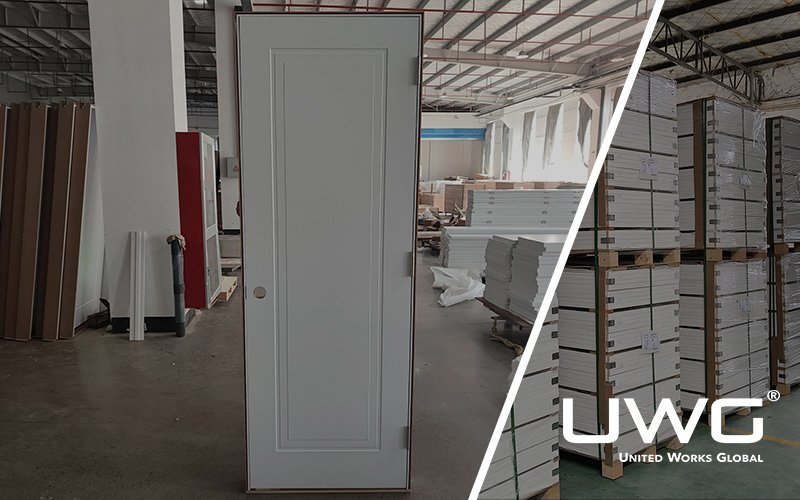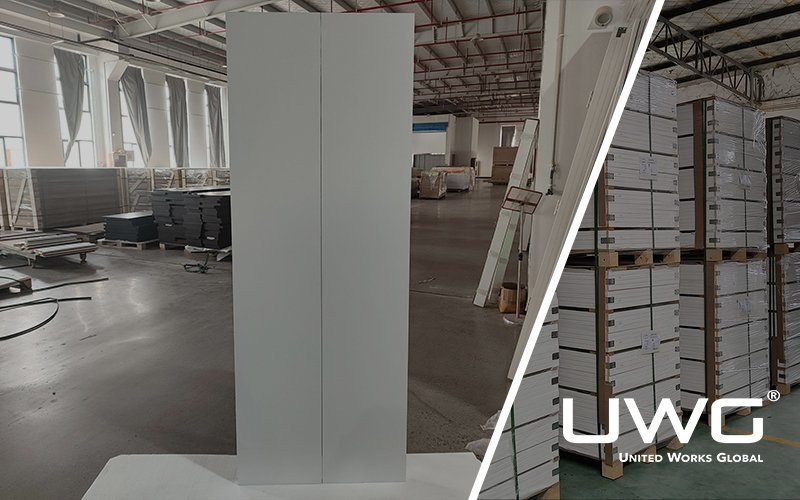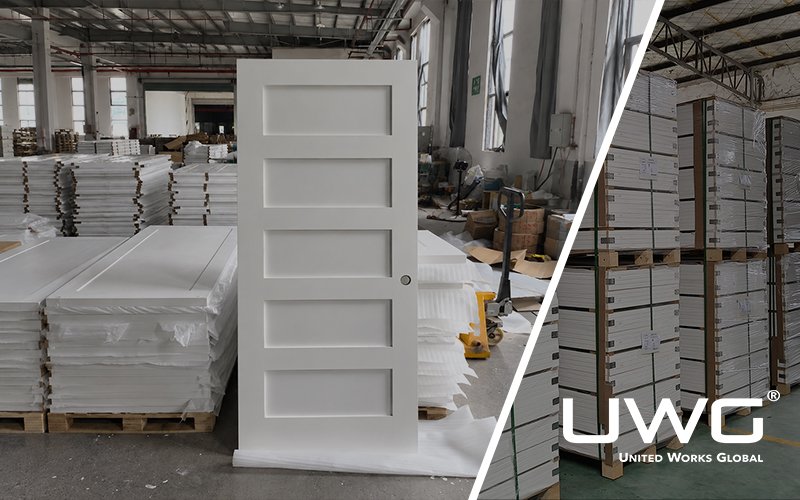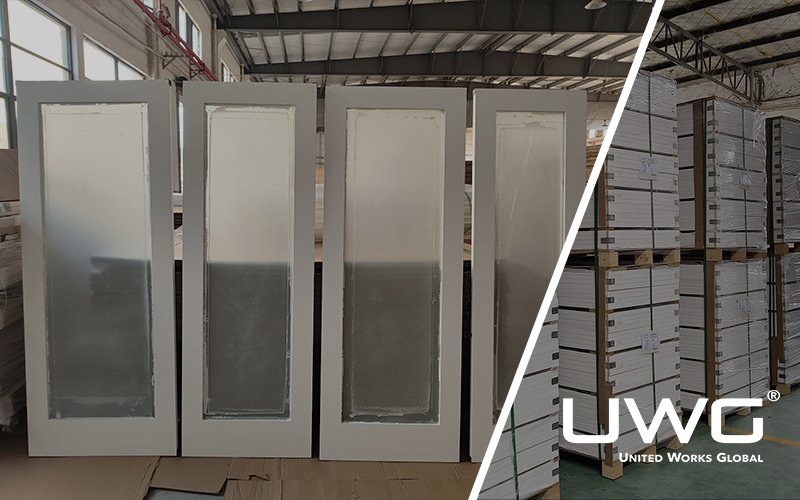
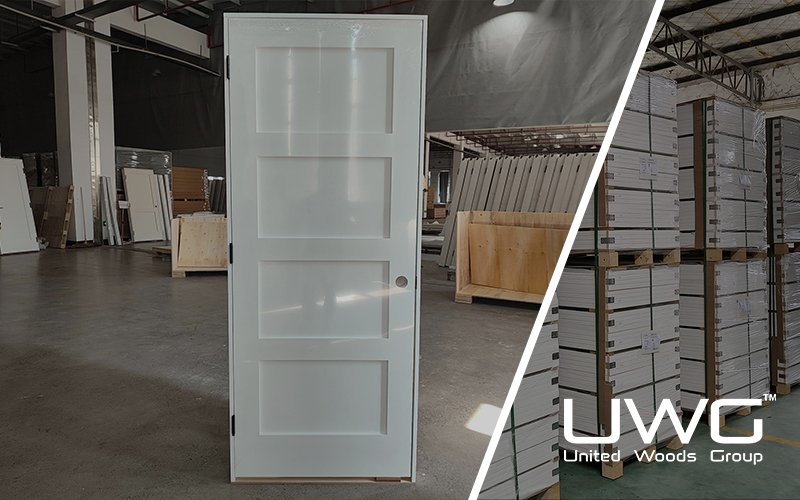
A prehung door arrives as a coordinated door-and-frame assembly rather than as a separate door panel. The slab is already positioned in the jamb with hinges, which reduces the hinge layout, mortising, and door-to-frame fitting that would otherwise be completed at the jobsite. However, “prehung” does not mean “fully installed.” The complete unit still has to match the opening, wall thickness, handing, hardware schedule, and project requirements. This guide explains what a prehung door includes, what may still be supplied separately, what installation work remains, and what builders should confirm before ordering.
What Is a Prehung Door?
A prehung door is a door unit in which the door slab has already been mounted to a frame with hinges. Instead of receiving the door panel and frame as separate components and fitting them together on site, the installer receives them as an assembled unit.
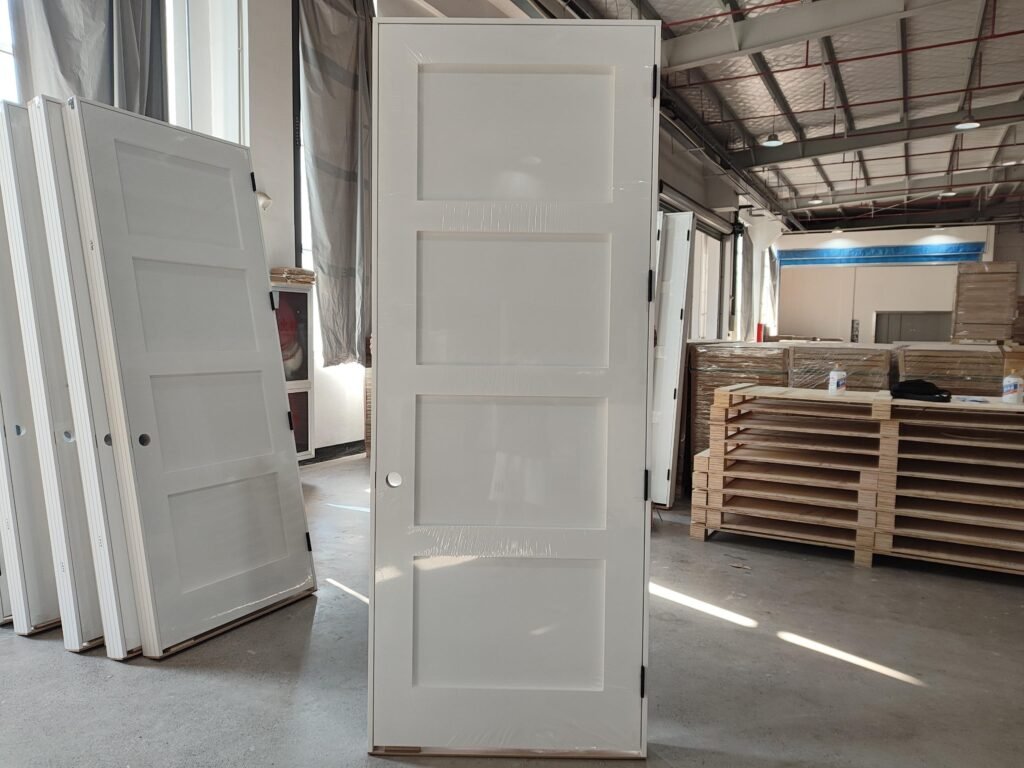
A typical prehung interior door includes the door slab, two side jambs, a head jamb, and hinges. The slab has already been positioned within the frame, so hinge locations and the relationship between the door and jamb are established before the unit reaches the jobsite.
This factory preparation is the main distinction. It reduces the amount of door-to-frame fitting that must be completed in the field, but it does not mean the door requires no installation work.
The exact package varies by manufacturer and specification. Casing, locksets, handles, and other hardware should not be assumed to be included simply because a door is described as prehung. Buyers should confirm the supplied components and hardware preparation before ordering.
What Is Included With a Prehung Door?
A typical interior prehung door includes:
- Door slab
- Hinge jamb
- Strike jamb
- Head jamb
- Hinges
- Door stop, depending on the jamb construction
- Factory coordination between the slab, hinges, and frame
Lock and strike preparation may also be completed at the factory when specified. The exact package should be confirmed in the quotation, door schedule, and approved shop drawings.
What May Not Be Included?
The term “prehung” does not automatically mean that every trim and hardware component is included. Depending on the supplier and specification, the following items may be supplied separately:
- Casing or decorative trim
- Locksets and handles
- Strike plates
- Fasteners
- Thresholds
- Painting or final finishing
- Specialty hardware
- Installation labor
Builders should confirm the supplied components instead of assuming that every prehung package contains the same items.
How Is a Prehung Door Different From a Slab Door?
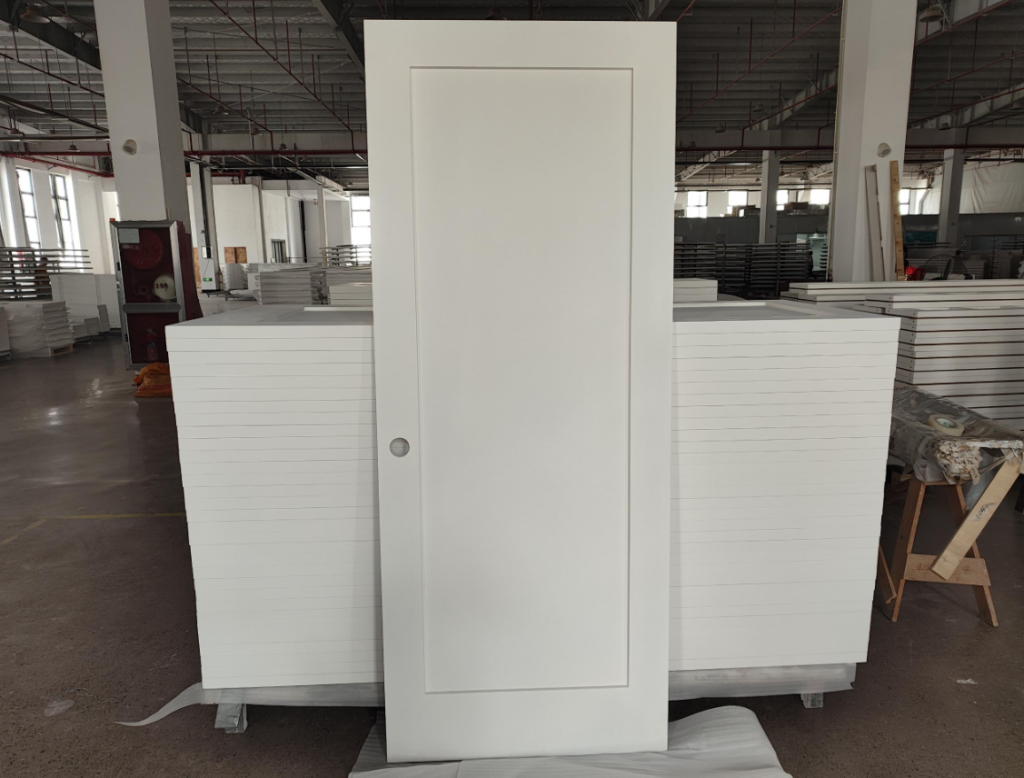
A prehung door includes a door slab already mounted in its own jamb or frame with hinges. A slab door is the door panel supplied without a complete frame assembly.
Prehung units reduce door-to-frame preparation because the slab, hinges, and jamb have already been coordinated. Slab doors offer more flexibility when a suitable existing frame will remain or when the slab and jamb are being supplied separately.
For detailed information about slab sizes, machining, replacement openings, and ordering requirements, see our guide to slab doors.
| Comparison | Prehung door | Slab door |
|---|---|---|
| Door slab | Included | Included |
| Jamb or frame | Included | Not included in a slab-only package |
| Hinges | Normally installed | Normally supplied or installed separately |
| Door-to-frame fitting | Largely completed before delivery | Must be coordinated with the selected frame |
| Main jobsite focus | Positioning and aligning the frame | Fitting and preparing the slab |
| Common application | New openings or complete frame replacement | Replacement openings with reusable frames |
Neither format is automatically better for every project. Opening conditions, labor, machining, packaging, storage, and installation responsibility should be considered together.What Does a Prehung Door Still Require on Site?
The term prehung can create the impression that the door simply needs to be placed in the opening. In practice, prehanging reduces door-to-frame preparation, but the complete unit still has to be correctly installed into the building opening.
The installer first needs to verify that the rough opening can accept the unit. The prehung frame is then positioned in the opening and checked for plumb, level, and alignment.
Shims are normally placed between the jamb and wall framing to position and support the unit. The jamb is then fastened through the appropriate locations into the framing. Before installation is considered complete, the installer should check the reveal around the slab and confirm that the door swings, closes, and latches correctly.
Casing and finish hardware may also need to be installed separately, depending on what was included in the supplied package.
This distinction matters on larger projects:
Prehung means more preparation has been completed before delivery. It does not mean installation has been eliminated.
If the rough opening is incorrectly sized or the jamb is installed out of plumb, even a correctly assembled prehung door may not operate as intended.
A correctly assembled prehung unit can still operate poorly if the rough opening is unsuitable or the jamb is installed out of plumb, level, or square.
For the complete installation sequence, see our prehung interior door installation guide.
When Should Builders Use Prehung Doors?
The right format depends on what already exists at the opening, how much work should be completed in the factory versus the field, and how the doors will be delivered and installed.
New Construction and Repeated Openings
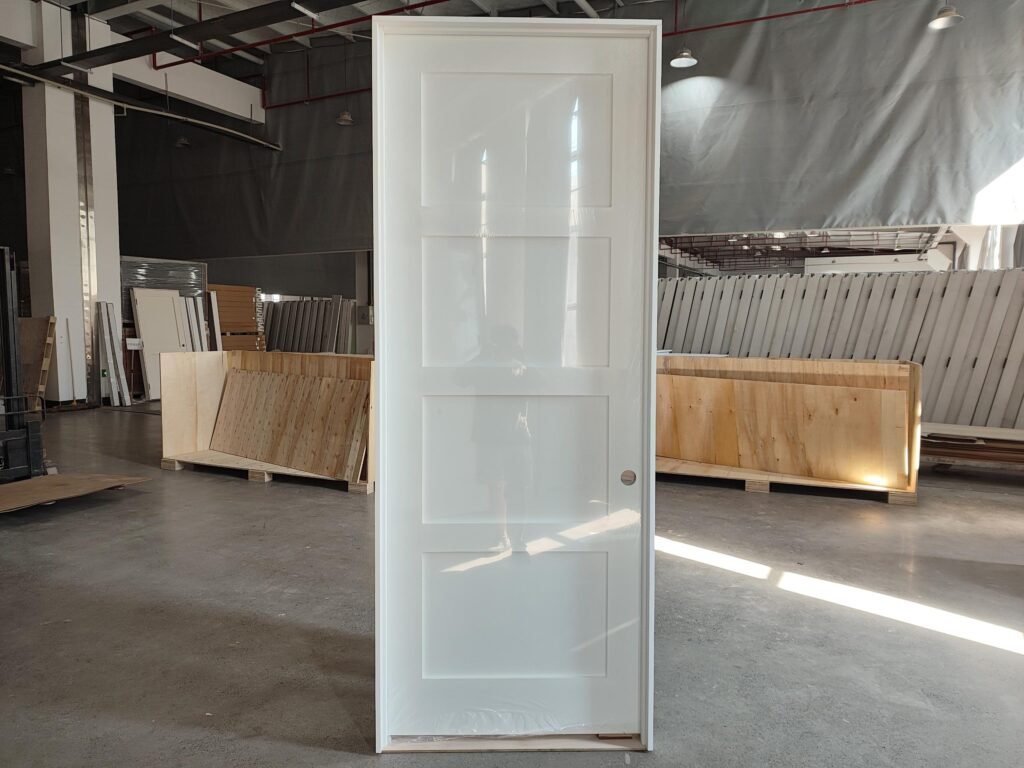
Prehung doors are commonly used in new construction because the project begins with framed rough openings rather than reusable door jambs. The coordinated slab-and-frame assembly can also reduce repeated hinge layout and door-fitting work across production housing and multifamily projects.
Door size, jamb width, handing, swing, hardware preparation, finish, and opening number still need to match the approved door schedule.
Complete Frame Replacement
A prehung unit can be practical when an existing frame is damaged, incorrectly sized, significantly out of square, or scheduled for removal as part of the renovation.
Replacing the complete unit provides a coordinated slab and jamb, but surrounding trim, wall finishes, and opening dimensions must still be considered.
Projects Requiring Factory Coordination
Prehung supply may be suitable when the project team wants the slab, hinges, and jamb to be coordinated before delivery. This can improve consistency across repeated openings, provided that the approved dimensions, handing, hardware preparation, and labeling are accurate.
Shipping and Storage Considerations
Because prehung doors are shipped as assembled units, they generally require more transportation and storage space than individual slabs or knock-down components. Large projects should coordinate packaging, unloading, dry storage, floor-by-floor staging, and installation sequence before selecting the supply format.
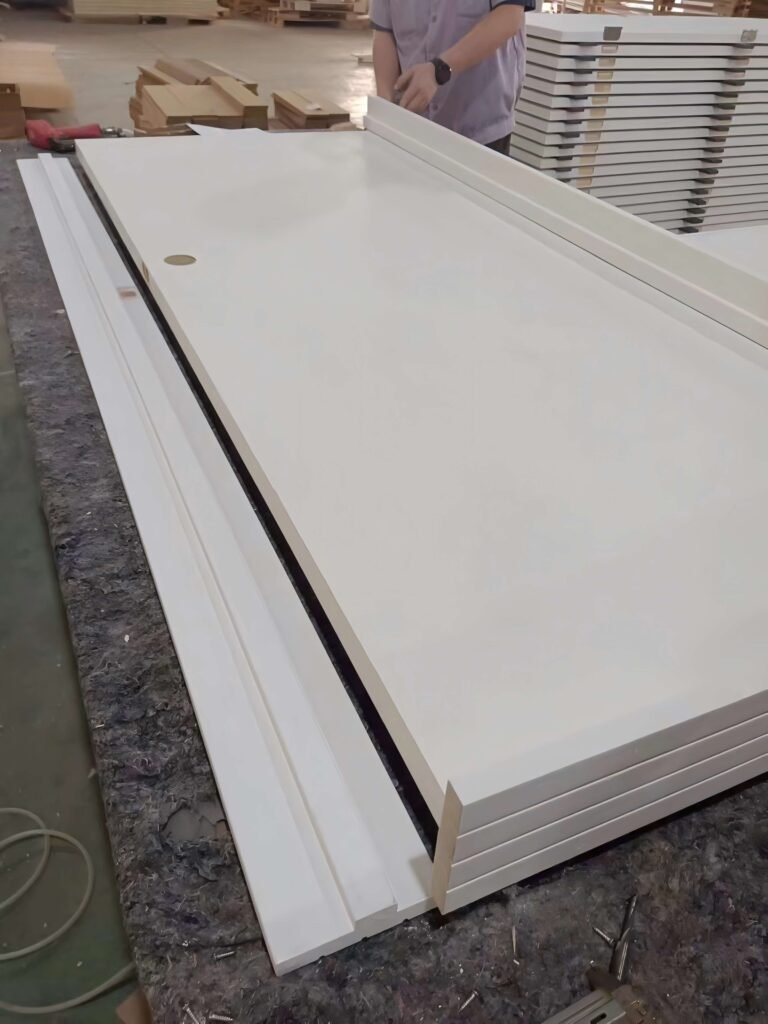
For a broader procurement comparison, see our guide to slab, knock-down, semi-prehung, and prehung door systems.
Compare Total Installed Cost, Not Door Price Alone
A prehung door normally includes more components and factory preparation than a slab-only package, but product price alone does not determine the final project cost.
Project teams should consider:
- Door and frame materials
- Factory machining and assembly
- Field labor
- Installation and adjustment
- Shipping and storage
- Demolition and trim work
- Potential rework
The most economical format depends on the existing opening, labor plan, delivery method, and installation workflow. Buyers should compare the total installed scope rather than assuming that the lowest unit price produces the lowest project cost.
What Should Builders Confirm Before Ordering Prehung Doors?
Before production, builders and project buyers should confirm:
- Door slab width, height, and thickness
- Rough-opening dimensions
- Outside frame dimensions
- Wall construction and finished wall thickness
- Jamb width and jamb construction
- Door handing and swing
- Hinge quantity, size, finish, corner type, and locations
- Lock height, backset, bore dimensions, and latch preparation
- Door style, core construction, and finish
- Casing and trim requirements
- Required fire, acoustic, or other tested performance criteria
- Packaging, opening numbers, and delivery sequence
- Approved shop drawings and door schedules
Slab size, outside frame size, and rough-opening size are different measurements and should not be treated as interchangeable.
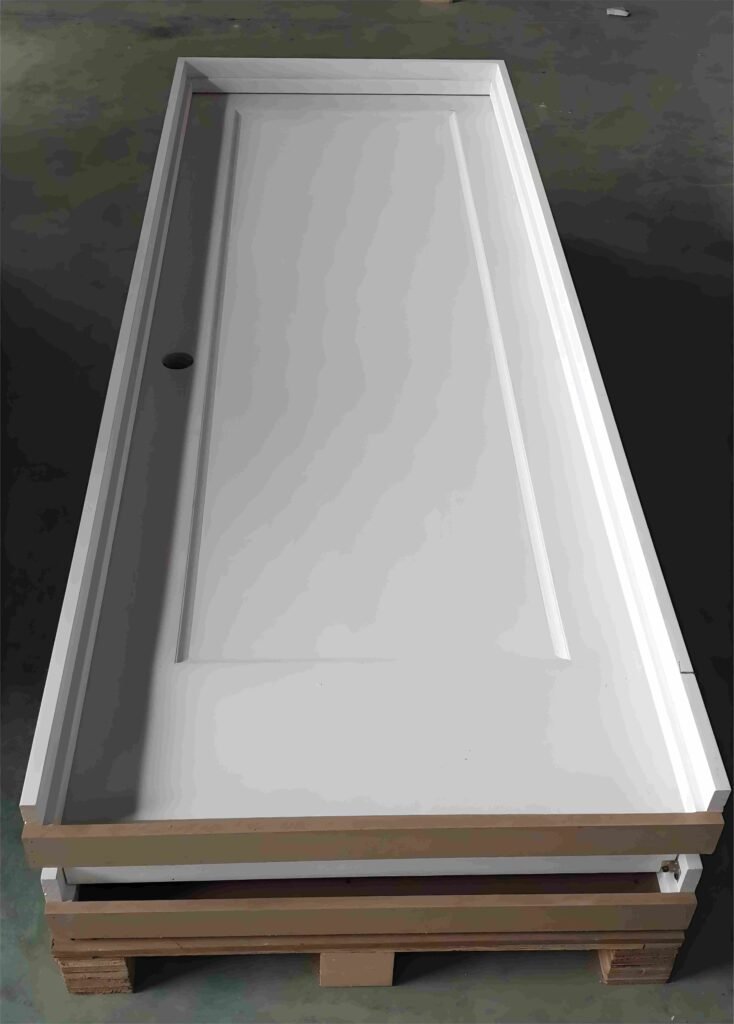
Builders can review UWG’s interior door systems or submit a door schedule for project-specific coordination.
FAQ
Does a prehung door include the frame?
Yes. A prehung door includes a door slab already mounted with hinges in its own jamb or frame assembly. The complete unit is installed into a prepared rough opening.
Does a prehung door include casing?
Not always. Some prehung packages include casing, while others include only the slab, jamb, hinges, and specified preparation. Buyers should confirm the exact supplied components before ordering.
Does a prehung door include hardware?
A prehung door normally includes the hinges used to mount the slab in the frame. Locksets, handles, strike plates, and specialty hardware may be supplied separately, even when the door has been factory-prepared for them.
Is a prehung door ready to install?
A prehung door arrives assembled, but it is not fully installed. The unit still needs to be positioned, shimmed, checked for plumb and level, fastened, adjusted, and tested in the rough opening.
Is a prehung door easier to install than a slab door?
A prehung door can reduce hinge layout and door-to-frame fitting because the slab and jamb have already been coordinated. However, correct frame alignment, shimming, fastening, clearances, and hardware adjustment still require careful installation.
When should builders choose a prehung door?
Prehung doors are commonly selected for new openings, complete frame replacement, and projects that benefit from factory-coordinated slabs, hinges, and jambs. The final decision should also consider rough-opening conditions, labor, shipping, storage, and installation responsibility.
Conclusion
A prehung door is a coordinated unit in which the door slab is already mounted in a jamb or frame with hinges. It reduces door-to-frame preparation, but it still requires a suitable rough opening and correct positioning, shimming, fastening, and adjustment.
Prehung doors are commonly used for new construction, complete frame replacement, and repeated openings that benefit from factory coordination. Before ordering, builders should confirm door size, frame dimensions, jamb width, handing, hardware preparation, finish, packaging, and the approved door schedule.
For project-specific support, review UWG’s interior door options or submit your opening schedule for coordination.